
Are you confused about whether to use crème fraîche or sour cream in your recipes? You’re not alone.
Both look similar and taste tangy, but they aren’t the same. Choosing the right one can change the flavor and texture of your dish completely. You’ll discover the key differences between crème fraîche and sour cream. By the end, you’ll know exactly which one to pick to make your meals taste even better.
Keep reading to unlock the secret that chefs don’t always tell you!
Origins And Production
Understanding the origins and production of Crème Fraîche and Sour Cream helps you appreciate their unique flavors and textures. Both dairy products share similarities but come from different cultural backgrounds and production methods. Knowing where they come from can guide you in choosing the right one for your recipes.
History Of Crème Fraîche
Crème Fraîche has roots in French cuisine, dating back several centuries. It was traditionally made by allowing fresh cream to naturally ferment at room temperature. This slow fermentation process gave it a rich, tangy flavor that became a staple in French kitchens.
In many French regions, Crème Fraîche was a sign of quality and freshness, often made in small batches on farms. Have you ever noticed its slightly nutty taste compared to other creams? That distinct flavor comes from its natural fermentation, which is less sour than sour cream.
History Of Sour Cream
Sour Cream has a different background, with origins in Eastern European and Russian cooking. It emerged as a way to preserve cream by fermenting it with lactic acid bacteria. This process made the cream thicker and gave it a tangy taste suitable for hearty dishes.
In many cultures, sour cream became a kitchen essential, used in everything from soups to toppings. Its popularity spread globally due to its versatility and longer shelf life. Have you ever wondered why it tastes sharper than Crème Fraîche? The fermentation strains and times differ, creating that distinct sourness.
How They Are Made
Both Crème Fraîche and Sour Cream start with cream, but their production processes vary. Crème Fraîche is made by adding a bacterial culture to heavy cream and letting it ferment slowly at a warm temperature until it thickens.
Sour Cream, on the other hand, often uses pasteurized cream and specific bacterial cultures that ferment the cream faster. This results in a tangier, thicker product. You might find that homemade versions differ from store-bought ones because of these subtle changes in bacteria and fermentation time.
- Crème Fraîche:Heavy cream + natural bacterial cultures, slow fermentation
- Sour Cream:Pasteurized cream + specific bacteria, quicker fermentation
Have you tried making either at home? The process is simple and can give you a fresh taste that store brands sometimes lack.
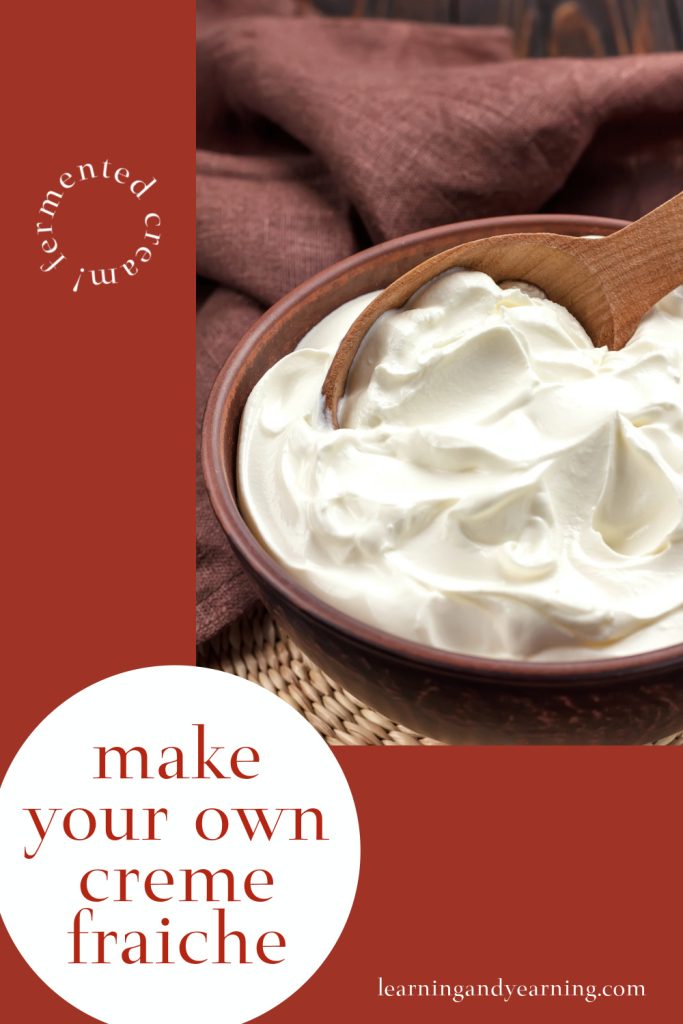
Credit: learningandyearning.com
Texture And Flavor
Texture and flavor are key factors in choosing between crème fraîche and sour cream. Both add richness to dishes but differ in feel and taste. Understanding these differences helps pick the right one for cooking or serving.
Creaminess And Consistency
Crème fraîche has a thick, smooth texture that feels luxurious on the palate. It is less tangy and creamier than sour cream. It holds its shape well when heated, making it ideal for sauces and soups.
Sour cream is lighter and has a slightly grainy texture. It is softer and more fluid, which makes it easy to blend into dips and dressings. Sour cream can curdle if cooked at high heat.
Taste Profiles Compared
Crème fraîche offers a mild, buttery flavor with a subtle tang. It is less sour, which balances well with delicate dishes. The taste is rich but not overpowering.
Sour cream has a sharp, tangy flavor that is more pronounced. It adds a bright note to foods and complements spicy or rich dishes. The acidity is higher, giving it a zesty punch.
Culinary Uses
Crème fraîche adds a rich, smooth taste to soups and sauces without curdling. Sour cream offers a tangy flavor, perfect for dips and toppings. Both enhance dishes but behave differently when heated.
Crème fraîche and sour cream are popular in many kitchens. Both add richness and tang to dishes. Their unique properties suit different culinary applications. Understanding their uses can enhance your cooking skills.Cooking And Baking
Crème fraîche holds up well under heat. It doesn’t curdle easily. Use it in soups, sauces, and stews. Its smooth texture enriches flavors. Sour cream, on the other hand, may curdle when heated. It’s best added at the end of cooking. Use it in baked goods for moisture and tang. It adds a light, fluffy texture to cakes and muffins.Cold Dishes And Toppings
Both are excellent in cold dishes. Crème fraîche has a mild, creamy taste. It complements salads and cold soups. Use it as a topping for fruits or desserts. Sour cream is more tangy and thick. It’s ideal for tacos, nachos, and baked potatoes. Its tartness balances out rich dishes.Pairing With Ingredients
Crème fraîche pairs well with sweet and savory foods. Try it with berries, nuts, or herbs. It enhances the sweetness of desserts. Sour cream pairs with strong flavors. Use it with chives, bacon, or chili. It stands up to bold spices. Both can be mixed with mustard or lemon for zest.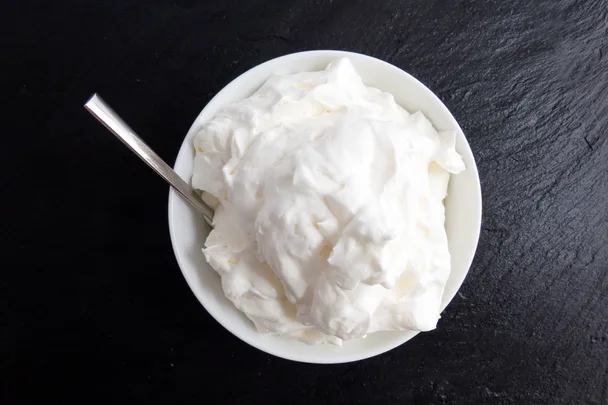
Credit: www.newidea.com.au
Nutritional Differences
Understanding the nutritional differences between crème fraîche and sour cream can help you make better choices for your meals. Both add creaminess and tang, but their impact on your diet varies. Let’s break down how they compare in calories, vitamins, minerals, and overall health.
Calories And Fat Content
Crème fraîche typically contains more fat than sour cream. A tablespoon of crème fraîche has about 50 calories and 5 grams of fat, while the same amount of sour cream has roughly 25 calories and 2 grams of fat.
If you’re watching your calorie intake, sour cream might seem like the safer bet. But keep in mind, the higher fat content in crème fraîche can add richness that might let you use less overall.
Vitamins And Minerals
Both crème fraîche and sour cream provide small amounts of essential nutrients like calcium and vitamin A. Crème fraîche often has a slightly higher vitamin A content due to its fat level, which supports eye health.
Neither is a significant source of vitamins or minerals, so don’t rely on them for your daily nutritional needs. Instead, consider them as flavor enhancers that add a bit of nutrition.
Health Considerations
Because crème fraîche has more fat, it’s richer and may keep you fuller longer. However, higher fat content means you should consume it in moderation if you’re managing cholesterol or heart health.
Sour cream is lower in fat but often contains stabilizers or additives in store-bought versions, which might not suit everyone. Have you checked the ingredient list on your sour cream lately?
Choosing between crème fraîche and sour cream depends on your health goals and taste preferences. What matters most is how these ingredients fit into your overall diet and lifestyle.
Storage And Shelf Life
Storing crème fraîche and sour cream properly can make a big difference in how long they stay fresh and tasty. Both dairy products need careful handling to prevent spoilage and maintain their creamy texture. Understanding their storage needs and shelf life helps you avoid waste and enjoy their flavors at their best.
Proper Storage Tips
Keep both crème fraîche and sour cream refrigerated at all times. Store them in their original containers or transfer to airtight containers to avoid exposure to air, which speeds up spoilage.
Always use clean utensils when scooping out these products. Introducing crumbs or other contaminants can cause mold or bacteria to grow faster.
Have you noticed how quickly dairy can pick up other fridge odors? Seal the containers tightly to keep their flavors pure and fresh.
How Long They Last
Typically, sour cream lasts about 1 to 3 weeks past its sell-by date if kept properly chilled. Crème fraîche usually lasts a little longer, around 2 to 3 weeks, thanks to its higher fat content and fermentation process.
Once opened, try to consume both within 7 to 10 days for the best taste and safety. If you spot any off smells, discoloration, or mold, it’s time to toss them out.
Have you ever been unsure whether to keep or throw away sour cream or crème fraîche? When in doubt, trust your senses—smell, look, and taste a tiny bit before using.
:max_bytes(150000):strip_icc():format(jpeg)/bowl-of-greek-yogurt-843371338-6c278491afec48dd857995ce53d1e82e.jpg)
Credit: www.yahoo.com
Substituting One For The Other
Substituting crème fraîche for sour cream or vice versa can save a recipe or bring a fresh twist to your dish. Both have similar textures and tangy flavors, but their differences affect how they behave in cooking and taste profiles. Understanding when and how to swap them ensures your meal stays delicious and maintains the right consistency.
When To Swap
You might want to swap crème fraîche for sour cream if you need a richer, creamier result. Crème fraîche has a higher fat content, which means it won’t curdle easily when heated. This makes it ideal for sauces, soups, and baked dishes where you want a smooth texture.
On the other hand, sour cream works well when you want a tangier flavor with a lighter texture. It’s perfect as a topping for baked potatoes, tacos, or in cold dressings. If your recipe calls for sour cream and you only have crème fraîche, your dish will be less tangy but more velvety.
Adjusting Recipes
When you substitute one for the other, consider adjusting quantities. Use slightly less crème fraîche than sour cream because of its richness. For example, if a recipe calls for 1 cup of sour cream, try ¾ cup of crème fraîche to avoid overpowering the dish.
Think about the acid balance too. Sour cream has a sharper tang, so you might want to add a splash of lemon juice or vinegar if you use crème fraîche instead. This small tweak helps maintain the brightness in your dish.
Have you ever tried baking with crème fraîche instead of sour cream? You might notice your cake or muffins turn out moister and denser. Experiment with these swaps and adjust based on what you want your final dish to feel like.
Frequently Asked Questions
What Is The Main Difference Between Crème Fraîche And Sour Cream?
Crème fraîche is thicker and less tangy than sour cream. It has a higher fat content and a creamier texture. Sour cream is tangier, lighter, and often used as a topping or in dips. Both are cultured dairy products but differ in taste and richness.
Can I Substitute Crème Fraîche For Sour Cream In Recipes?
Yes, you can substitute crème fraîche for sour cream. Crème fraîche is richer and less tangy, which may slightly change the flavor. It also tolerates heat better, making it ideal for cooking and sauces. Adjust quantities to match the desired creaminess and taste.
Is Crème Fraîche Healthier Than Sour Cream?
Crème fraîche generally contains more fat than sour cream, making it richer but higher in calories. Sour cream is lower in fat but can contain additives. Both provide calcium and probiotics, but moderation is key depending on your dietary needs.
How Does Crème Fraîche Affect Cooking Compared To Sour Cream?
Crème fraîche withstands high heat without curdling, making it perfect for sauces and soups. Sour cream can curdle if overheated, so it’s best added at the end of cooking. Crème fraîche adds creaminess and a mild tang to dishes.
Conclusion
Both crème fraîche and sour cream add creamy texture to dishes. Crème fraîche tastes richer and less tangy than sour cream. Sour cream has a sharper flavor and is lower in fat. Choose based on your recipe and taste preference.
Both work well in dips, sauces, and baking. Keep in mind how each reacts to heat. Now, you can pick the best one with confidence. Cooking becomes easier with this simple knowledge. Try both to see which you like best.
Enjoy your meals with the perfect creamy touch!

I’m Abby Lu, a passionate home cook who loves simplifying everyday meals. At PlugChef.com, I share product reviews and cooking guides to help you find the best tools for your kitchen.
Related posts:
 What Type of Cooking Utensils are Safe: Expert Picks
 What Innovations Could Blenders Make: Unleashing Future Tech
 Smart Strategies to Organize a Small Kitchen: Maximize Space
 How to Organize a Kitchen Cabinet: Expert Tips & Tricks
 How to Organize Kitchen Drawers: Expert Tips and Tricks
 How to Organize a Corner Kitchen Cupboard: Expert Tips