
When it comes to frying, getting that perfect crispy texture can be tricky. You might wonder whether cornstarch or flour is the best choice for your batter or coating.
The right option can make your fried food crunchier, lighter, and more delicious. But which one should you use, and why? You’ll discover the secrets behind cornstarch and flour for frying, helping you take your cooking skills to the next level.
Ready to transform your frying game? Let’s dive in!

Role Of Coatings In Frying
Coatings play a vital role in frying. They protect food from direct oil contact, helping to seal in moisture. This creates a crispy outer layer while keeping the inside tender and juicy. The right coating also affects how evenly the food cooks and how much oil it absorbs. Choosing the best coating ingredients can change the frying outcome significantly.
How Coatings Affect Texture
Coatings create a barrier between food and hot oil. This barrier controls oil absorption and moisture loss. A good coating results in a crunchy, golden crust. It stops food from becoming soggy or greasy. The thickness and type of coating influence the final texture. Thin coatings give light crunch, while thicker ones add more crunch and a hearty feel.
Common Frying Ingredients
- Flour:Offers a basic, mild crust. It browns well but can absorb more oil.
- Cornstarch:Creates a lighter, crispier coating. It resists oil absorption better.
- Bread crumbs:Add extra crunch and texture. They can be used alone or with flour.
- Egg wash:Helps coatings stick to food. It also adds a richer color.
- Seasonings:Enhance flavor and aroma in coatings. Salt, pepper, and spices are common choices.
Cornstarch Properties
Cornstarch has unique properties that make it a favorite choice for frying. Its fine texture and ability to absorb moisture can change how your fried foods turn out. Understanding these properties helps you decide when to use cornstarch instead of flour, or even combine both for the best results.
Texture Impact
Cornstarch is much finer than regular flour, which affects the coating’s texture. It creates a lighter, smoother crust that feels less dense on your palate. If you want a delicate crunch without heaviness, cornstarch is a smart choice.
Have you noticed how some fried chicken feels thick and cakey, while others are thin and crisp? That difference often comes down to cornstarch’s texture impact.
Moisture Absorption
Cornstarch absorbs moisture differently than flour. It draws out water from the food’s surface, which helps reduce sogginess during frying. This absorption creates a barrier that locks moisture inside, keeping your food juicy.
Think about how frustrating it is when fried items turn out oily or soggy. Using cornstarch can be your trick to avoid that problem.
Crispiness Factor
The true strength of cornstarch lies in its ability to create extra crispiness. When fried, cornstarch forms a thin, crunchy layer that stays crisp longer than flour coatings. This means your fried food won’t lose its crunch the moment it hits the plate.
Ever wondered why some fries or nuggets stay crispy even when you leave them for a few minutes? Cornstarch often plays a key role in that lasting crunch.

Flour Characteristics
Cornstarch creates a light, crispy coating ideal for frying. Flour adds a thicker, crunchier texture and helps hold batter together. Combining both can balance crispiness and coating strength.
Flour is a staple in many kitchens. It plays a crucial role in frying. Its characteristics influence texture, taste, and appearance.
Gluten And Structure
Flour contains gluten. This protein provides structure to fried foods. High gluten levels create a chewier texture. For a crispier bite, use low-gluten flour. Gluten-free options exist, like rice or corn flour. They offer a different texture.
Browning Effects
Flour helps with browning. It creates a golden crust. This happens through the Maillard reaction. Flour’s natural sugars caramelize. This adds a rich color and flavor. The type of flour affects the browning level. All-purpose flour often works best.
Moisture Retention
Flour absorbs moisture from food. This is important during frying. It keeps food juicy inside. The outer layer stays crisp. Too much moisture can lead to sogginess. Balance is key for perfect fried dishes. Adjust flour quantity for desired results.

Credit: forksandfolly.com
Comparing Cornstarch And Flour
Choosing between cornstarch and flour for frying can change the outcome of your dish more than you might expect. Both have their strengths and quirks that affect texture, color, and flavor. Understanding these differences helps you decide which works best for your recipe and taste.
Crispiness And Crunch
Cornstarch creates a lighter, crispier crust compared to flour. It forms a thin, delicate shell that stays crunchy longer after frying. Flour, on the other hand, tends to produce a thicker, more substantial coating with a heartier crunch.
If you want a super crispy bite, cornstarch often wins. But if you prefer a coating that feels more like a traditional fried batter, flour might be your choice. Have you noticed how some fried chicken stays crunchy hours after cooking? That’s usually cornstarch at work.
Color And Appearance
Flour tends to brown more during frying, giving your food a golden, appetizing look. Cornstarch usually stays pale, resulting in a lighter crust color. This difference can influence how appealing your dish looks on the plate.
Think about the last time you fried something and admired the color—was it more golden or pale? If your goal is a darker, caramelized exterior, flour is the better option. For a bright, clean look, cornstarch is the way to go.
Flavor Differences
Flour adds a mild, slightly nutty flavor to fried foods, which can enhance the overall taste. Cornstarch is neutral and almost flavorless, letting the main ingredients shine through without interference. This subtlety can be a big advantage depending on your seasoning and recipe.
When you want the coating itself to contribute a little extra flavor, flour can be your secret weapon. But if you prefer the natural taste of your ingredients to stand out, cornstarch keeps things simple. What flavor profile are you aiming for in your next fry-up?
Blending Cornstarch And Flour
Blending cornstarch and flour for frying creates a coating that can transform your dishes. This mix offers a balance between crispiness and structure, giving your fried foods that perfect crunch without feeling too heavy or greasy. Understanding how to blend these two ingredients can elevate your frying game dramatically.
Optimal Ratios
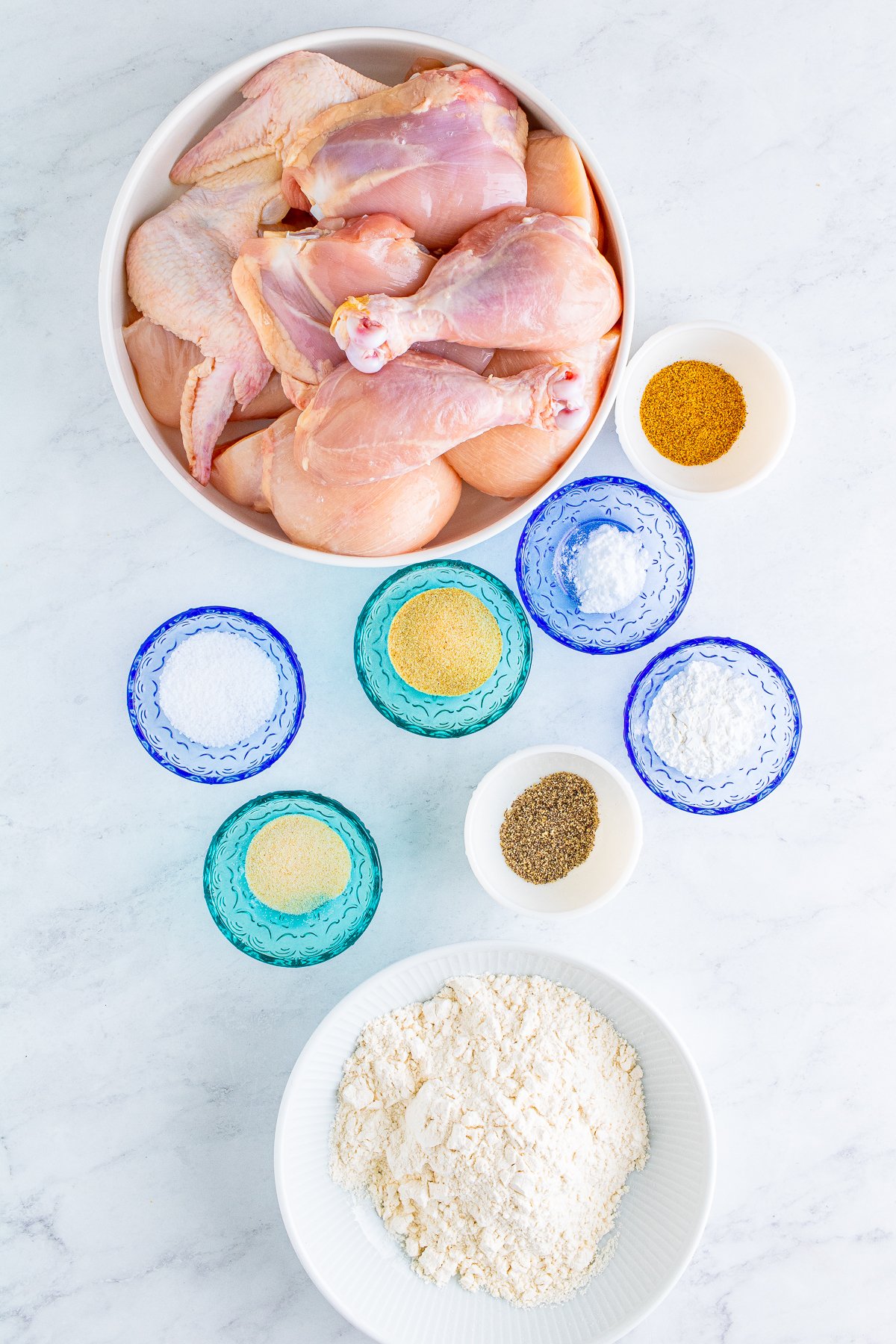
Finding the right ratio between cornstarch and flour is key. A common starting point is a 1:1 ratio, which provides a good balance of crispiness and binding.
If you want extra crunch, try increasing cornstarch to two parts cornstarch and one part flour. For a more traditional, breaded texture, use more flour and less cornstarch.
Think about what you’re frying—delicate items like fish benefit from more cornstarch, while chicken or vegetables hold up better with more flour.
Texture Balancing
Cornstarch creates a lighter, crispier crust, but it can sometimes feel a bit brittle or thin. Flour adds thickness and helps the coating stick to the food better.
When you blend them, you get a coating that is crunchy yet substantial enough to hold sauces or dips. Have you noticed how some fried foods feel greasy? Using the right blend reduces oil absorption.
Try adjusting the blend based on the moisture content of your ingredient—more watery items may need extra flour for better adhesion.
Best Practices
- Mix cornstarch and flour thoroughly before coating to ensure even texture.
- Season the blend with salt, pepper, or spices to boost flavor right in the crust.
- Pat your food dry before dredging to help the coating stick better.
- Use cold water or egg wash to bind the coating if needed—this can improve crispiness.
- Test small batches to tweak your ratio until you find what works best for your taste and recipe.
Have you tried mixing these two ingredients in your frying routine? Small changes can lead to big improvements in texture and taste.
Credit: thissillygirlskitchen.com
Tips For Perfect Frying
Perfect frying depends on more than just choosing between cornstarch and flour. It’s about how you handle the coating, control the oil temperature, and avoid common pitfalls that can ruin your crispiness or flavor. These tips will help you get that ideal golden crunch every time.
Coating Techniques
Start by patting your food dry; moisture is the enemy of crispiness. Next, decide if you want a light dusting or a thicker crust. Mixing cornstarch with flour can give you a balance of crunch and structure—try a 50/50 blend for chicken or vegetables.
Press the coating gently onto the food, but don’t overwork it. Too much handling can cause the coating to fall off during frying. Have you noticed how some recipes recommend dipping in egg wash before coating? This step can help the flour or cornstarch stick better, making your crust stay intact.
Oil Temperature Control
Maintaining the right oil temperature is crucial. If the oil is too cool, your food will absorb oil and become greasy. Too hot, and the outside burns before the inside cooks.
Use a thermometer to keep the oil between 350°F and 375°F (175°C to 190°C). It’s tempting to guess, but that often leads to uneven results. If you don’t have a thermometer, test by dropping a small bit of batter in the oil—if it bubbles up immediately and floats, the oil is ready.
Avoiding Common Mistakes
One common error is overcrowding the pan. When too much food is added, the temperature drops, and your food ends up soggy. Fry in small batches for the best crunch.
Another mistake is reusing oil too many times. Old oil breaks down and affects flavor and texture. Strain your oil after each use and store it properly if you plan to reuse it.
Finally, don’t skip resting the fried food on a wire rack instead of paper towels. This helps excess oil drip away and keeps your crust crispy longer. Have you tried this simple trick before?
Recipes To Try
Frying with cornstarch and flour creates delicious, crispy textures. Each recipe highlights how these ingredients bring out the best in fried foods. Experimenting with different dishes helps understand their unique effects. Here are some tasty recipes to try at home.
Crispy Chicken
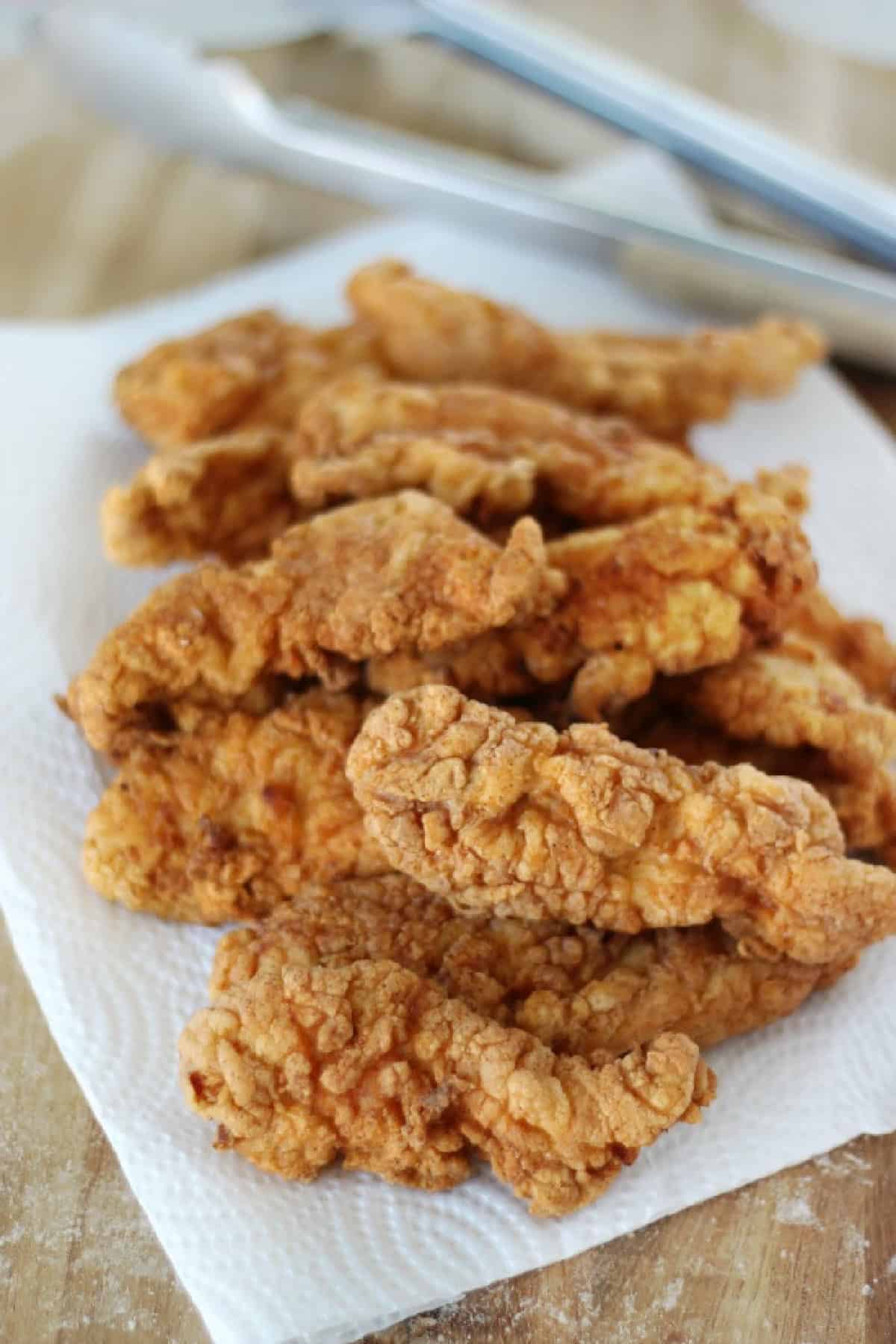
Coating chicken with a mix of cornstarch and flour gives a crunchy crust. The cornstarch helps absorb moisture, making the skin extra crisp. Use this coating for fried chicken pieces or nuggets. Season the mixture with salt, pepper, and spices for flavor.
- Mix equal parts cornstarch and flour.
- Season with salt, pepper, and garlic powder.
- Coat chicken pieces evenly in the dry mix.
- Fry in hot oil until golden and cooked through.
Vegetable Tempura
Light tempura batter benefits from cornstarch’s fine texture. It creates a delicate, crisp shell around vegetables. Use a cold batter to keep the coating light and airy. Common veggies include sweet potato, broccoli, and bell peppers.
- Combine cold water, flour, and cornstarch.
- Dip sliced vegetables into the batter.
- Fry quickly in hot oil until crispy.
- Serve immediately with dipping sauce.
Fried Snacks
Cornstarch and flour work well for various fried snacks like spring rolls and fritters. They ensure the coating stays crunchy without soaking oil. Mixing the two creates a balanced texture that is not too heavy. Try this for quick and tasty snacks.
- Prepare a batter with cornstarch, flour, and seasoning.
- Coat snacks evenly before frying.
- Deep fry until golden and crisp.
- Drain excess oil on paper towels.
Credit: gluesticksblog.com
Frequently Asked Questions
What Is The Difference Between Cornstarch And Flour For Frying?
Cornstarch creates a crispier, lighter coating, while flour gives a denser, crunchier texture. Cornstarch absorbs less oil, making fried food less greasy. Flour provides a more traditional, hearty crust. Both can be mixed for balanced results in frying.
Why Use Cornstarch Instead Of Flour For Frying?
Cornstarch produces a crispier, lighter crust that stays crunchy longer. It absorbs less oil, reducing greasiness. It’s ideal for delicate foods like seafood and vegetables. Cornstarch also helps achieve a golden, non-greasy finish compared to flour’s heavier coating.
Can I Mix Cornstarch And Flour For Frying?
Yes, mixing cornstarch and flour combines crispiness and structure. A common ratio is 1:1 for balanced texture and crunch. This blend enhances browning and creates a light yet sturdy coating. It works well for chicken, fish, and vegetables.
Does Cornstarch Make Fried Food Healthier Than Flour?
Cornstarch absorbs less oil, making fried food slightly less greasy. However, both are high in carbohydrates and calories. Using cornstarch can reduce oil retention, but overall frying health depends on oil type and cooking method. Moderation is key.
Conclusion
Choosing between cornstarch and flour changes your frying results. Cornstarch makes food crispier and lighter. Flour gives a thicker, crunchier coating. Both work well but suit different textures. Try mixing them for a balanced crust. Experiment with your recipes to find what you like.
Frying with the right coating improves taste and texture. Enjoy cooking with these simple ingredients. Keep practicing, and your fried dishes will get better.

I’m Abby Lu, a passionate home cook who loves simplifying everyday meals. At PlugChef.com, I share product reviews and cooking guides to help you find the best tools for your kitchen.
Related posts:
 What Type of Cooking Utensils are Safe: Expert Picks
 What Innovations Could Blenders Make: Unleashing Future Tech
 Smart Strategies to Organize a Small Kitchen: Maximize Space
 How to Organize a Kitchen Cabinet: Expert Tips & Tricks
 How to Organize Kitchen Drawers: Expert Tips and Tricks
 How to Organize a Corner Kitchen Cupboard: Expert Tips