
When it comes to choosing the right cooking oil, you might feel overwhelmed by the options. Corn oil and canola oil are two popular choices, but which one is better for your health and cooking needs?
Understanding the differences between these oils can help you make smarter decisions for your meals and wellbeing. You’ll discover the key facts about corn oil versus canola oil, so you can pick the best one for your kitchen and your body.
Keep reading to find out what really sets these oils apart.
Credit: www.seebysruminations.com
Nutritional Profiles
Understanding the nutritional profiles of corn oil and canola oil can help you make smarter choices in your kitchen. Both oils offer unique benefits, but their differences could affect your health goals and cooking needs. Let’s break down what each oil brings to the table, starting with their fat composition.
Fat Composition
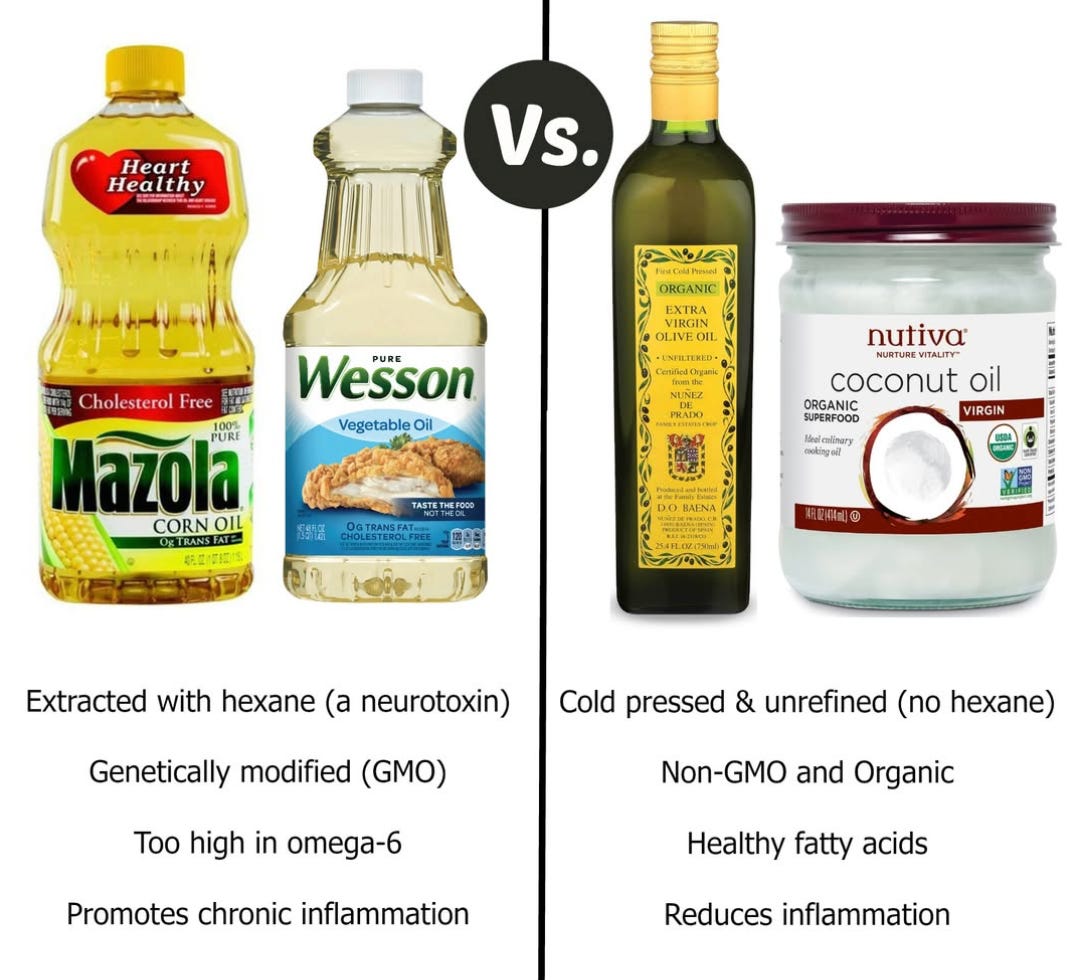
Fat types in oils matter because they impact heart health and inflammation. Corn oil contains about 59% polyunsaturated fats, mainly omega-6 fatty acids. It also has roughly 24% monounsaturated fats and a smaller amount of saturated fats around 13%.
Canola oil, on the other hand, has a different balance. It boasts nearly 62% monounsaturated fats, which are great for your heart. It also contains 31% polyunsaturated fats, including both omega-3 and omega-6 fatty acids, plus only about 7% saturated fats.
Think about this: if you’re aiming to reduce saturated fat intake and boost omega-3s, canola oil might serve you better. What does this mean for your everyday cooking? Canola’s higher smoke point and balanced fats can make it versatile for frying and baking.
Vitamins And Antioxidants
Both oils provide vitamin E, a powerful antioxidant that protects your cells from damage. Corn oil generally offers more vitamin E per tablespoon than canola oil, which can be a plus if you want to enhance your antioxidant intake.
However, canola oil contains small amounts of vitamin K, which supports blood clotting and bone health. Neither oil is a significant source of other vitamins, but their antioxidant profiles can influence shelf life and stability.
Here’s a quick comparison in a table format:
| Nutrient | Corn Oil (per tbsp) | Canola Oil (per tbsp) |
|---|---|---|
| Vitamin E | 1.9 mg | 1.3 mg |
| Vitamin K | 0.4 µg | 8.1 µg |
| Omega-3 Fatty Acids | 0.1 g | 1.3 g |
Have you noticed how the subtle differences in vitamins and fats might sway your choice? Next time you’re picking an oil, consider what your body needs most—more antioxidants or a better fat balance for heart health.
Health Benefits
Understanding the health benefits of corn oil versus canola oil can help you make smarter choices in your kitchen. Both oils offer unique nutrients that impact your body differently. Let’s break down how each oil affects your heart, inflammation, and weight management to see which one fits your lifestyle better.
Heart Health Impact
Canola oil contains a higher amount of monounsaturated fats, which are known to support heart health by lowering bad cholesterol (LDL) levels. Corn oil, on the other hand, has more polyunsaturated fats, including omega-6 fatty acids, which can be good but may cause imbalance if consumed excessively.
Have you noticed changes in your energy or digestion when switching oils? Choosing canola oil might help maintain a healthier cholesterol balance, especially if you’re managing heart risks. However, too much omega-6 from corn oil without omega-3 balance might increase inflammation, affecting heart health negatively.
Inflammation Effects
Inflammation plays a key role in many chronic diseases, and what you eat impacts it greatly. Canola oil has a better omega-3 to omega-6 ratio, which tends to reduce inflammation in the body.
Corn oil’s high omega-6 content may promote inflammation if your diet lacks enough omega-3s. If you’ve experienced joint pain or skin issues, consider how your oil choice might be contributing. Switching to canola oil could ease some inflammatory symptoms due to its more balanced fat profile.
Weight Management
Both oils provide calories, but their fat composition can influence weight differently. Canola oil’s monounsaturated fats may support better metabolism and fat burning compared to the polyunsaturated fats in corn oil.
Have you tracked how different cooking oils affect your hunger or energy levels? Using canola oil might help you feel fuller longer and avoid overeating. Meanwhile, corn oil’s fatty acid profile can sometimes lead to increased fat storage if consumed in large amounts.
Cooking Uses
Corn oil and canola oil both work well for frying and baking, but corn oil has a stronger flavor. Canola oil is lighter and better for dressings or low-heat cooking. Choosing depends on taste and cooking needs.
Cooking oils play a key role in our kitchens. Corn oil and canola oil are popular choices. Both oils offer unique benefits and uses.Smoke Points And Stability
Corn oil has a high smoke point at 450°F. It’s stable for frying and baking. Canola oil’s smoke point is slightly lower at 400°F. It suits medium-heat cooking. Both oils are stable, but corn oil handles higher heat better.Flavor Differences
Corn oil has a mild, buttery flavor. It enhances dishes without overpowering them. Canola oil is neutral, allowing other flavors to shine. Both oils are versatile, but their flavors suit different recipes.Best Cooking Methods
Corn oil is great for frying and roasting. Its high smoke point makes it ideal. Use canola oil for sautéing and salad dressings. Its neutral taste blends well with other ingredients. Both oils offer flexibility in the kitchen.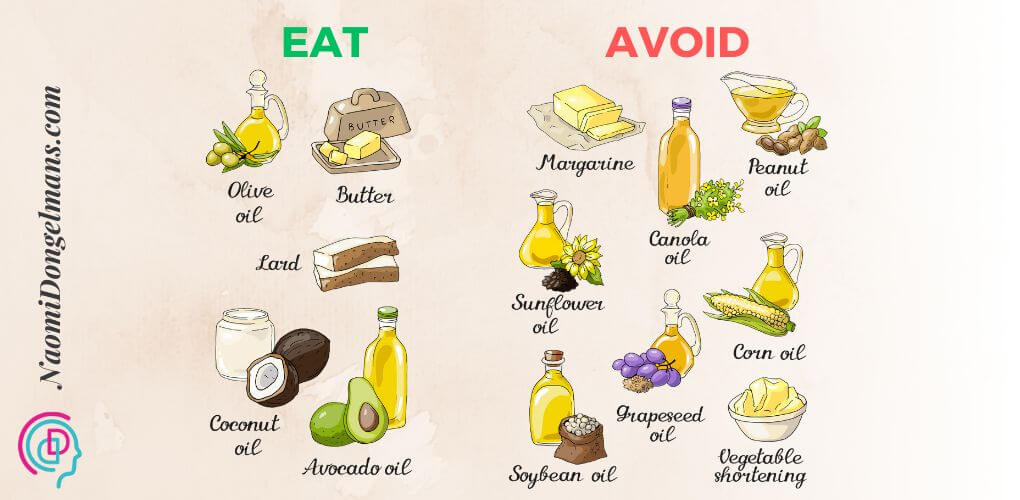
Credit: naomidongelmans.com
Environmental Considerations
Choosing between corn oil and canola oil involves more than taste and health. Environmental impact plays a big role. Both oils come from crops that need land, water, and energy. Understanding their environmental footprint helps make better choices for the planet.
Sustainability
Canola plants grow well in cooler climates and often require less water. Corn farming usually needs more water and fertilizer. This difference affects soil health and water use.
Canola oil production tends to have a lower carbon footprint. Corn oil production can release more greenhouse gases due to intensive farming. Sustainable practices can reduce these effects for both oils.
Crop Farming Practices
- Corn farming often uses heavy pesticides and fertilizers. These can harm nearby ecosystems and pollute water.
- Canola farming may use fewer chemicals, but it depends on farming methods. Organic options exist for both crops.
- Crop rotation is common with canola, helping maintain soil health. Corn is sometimes grown repeatedly, which can degrade soil quality.
- Both crops require land clearing, which affects wildlife habitats. Choosing oils from farms with responsible land use helps protect nature.
Potential Risks
Understanding the potential risks tied to corn oil and canola oil helps you make smarter choices in your kitchen. Both oils come with concerns that go beyond just flavor or cooking temperature. Let’s break down the key risks you should watch for.
Allergies And Sensitivities
Some people may experience allergic reactions to corn oil due to proteins present in corn. Symptoms can range from mild skin irritation to more severe respiratory issues. Canola oil is generally less allergenic, but those with mustard seed allergies should be cautious since canola is related to mustard plants.
If you’ve had food allergies before, have you tested how your body reacts to these oils? Even if you haven’t noticed anything before, subtle sensitivities might cause digestive discomfort or skin issues over time.
Processing Concerns
Both corn and canola oils often undergo heavy processing, including chemical extraction using solvents like hexane. This process can leave trace residues, raising questions about long-term health effects. Additionally, refining steps may strip away natural nutrients and antioxidants.
Think about whether you prefer oils labeled “cold-pressed” or “expeller-pressed,” which usually avoid harsh chemicals. Choosing less processed oils might reduce exposure to unwanted additives and preserve beneficial compounds.
Cost And Availability
Choosing between corn oil and canola oil often comes down to how much you’re willing to spend and how easy it is to find them in stores. Both oils are popular, but their cost and availability can vary depending on where you shop and the region you live in. Let’s look closer at what you might expect when picking either of these oils for your kitchen.
Price Differences Between Corn Oil And Canola Oil
Corn oil is generally less expensive than canola oil. This price gap is mostly because corn is widely grown and processed in many countries, making its oil more abundant and cheaper to produce.
Canola oil, on the other hand, often costs a bit more due to the specific growing conditions and refining processes involved. However, the difference is usually small enough that it won’t break your budget if you prefer one taste or health benefit over the other.
- Corn oil often costs around 10-20% less than canola oil.
- Bulk purchases can reduce the cost difference even more.
- Sales and store brands may narrow the price gap.
Availability In Grocery Stores And Markets
You’ll find both corn oil and canola oil in most supermarkets, but availability can vary by location. Corn oil is often stocked in larger quantities in regions where corn farming is common.
Canola oil might be easier to find in health food stores or sections focused on heart-healthy cooking oils. If you live in a rural area or smaller town, your options might be more limited, making it worth checking online or specialty stores.
- Corn oil is widely available in mainstream supermarkets.
- Canola oil is common but sometimes positioned as a premium option.
- Both oils are usually available in various bottle sizes to suit your needs.
How Seasonal And Regional Factors Affect Cost And Stock
Seasonal changes and regional crop yields can impact the price and availability of both oils. A poor harvest in corn-growing regions may raise corn oil prices temporarily.
Similarly, canola oil prices can spike if weather conditions affect canola crops in major producing countries like Canada. It’s worth keeping an eye on local news or market trends if you buy oil in large quantities.
Have you noticed price changes in your favorite cooking oil during different times of the year? Sharing your experience can help others make smarter buying choices.
Credit: www.drberg.com
Frequently Asked Questions
What Are The Main Differences Between Corn Oil And Canola Oil?
Corn oil is higher in omega-6 fatty acids, while canola oil has more omega-3s. Canola oil has a milder flavor, and corn oil has a higher smoke point. Both are commonly used for cooking but differ nutritionally and in taste.
Which Oil Is Healthier: Corn Oil Or Canola Oil?
Canola oil is generally considered healthier due to its lower saturated fat and higher omega-3 content. Corn oil has more omega-6 fats, which can cause inflammation if consumed excessively. Moderation and balance of oils are key for a healthy diet.
Can I Use Corn Oil Instead Of Canola Oil For Cooking?
Yes, you can substitute corn oil for canola oil in most recipes. Corn oil has a slightly stronger flavor and a higher smoke point, making it suitable for frying. However, flavor differences might affect delicate dishes.
Which Oil Has A Higher Smoke Point For Frying?
Corn oil has a higher smoke point, around 450°F (232°C), making it ideal for high-heat frying. Canola oil’s smoke point is slightly lower, about 400°F (204°C), still suitable for most cooking methods but less ideal for very high temperatures.
Conclusion
Choosing between corn oil and canola oil depends on your cooking needs. Both have healthy fats but differ in taste and smoke point. Corn oil suits high-heat cooking like frying. Canola oil works well for baking and salads. Consider flavor, nutrition, and cooking style.
Try both oils to see what fits your kitchen best. Making an informed choice helps your meals stay tasty and healthy. Simple changes in oil can improve your cooking and health.

Hi, I’m Daniel Brooks—a food lover and kitchen gear enthusiast. I enjoy testing cookware, utensils, and gadgets to see what really works in everyday cooking. At PlugChef.com, I share honest reviews, comparisons, and simple guides to help you choose the best tools for a safer, smarter, and more enjoyable kitchen.
Related posts:
 What Type of Cooking Utensils are Safe: Expert Picks
 What Innovations Could Blenders Make: Unleashing Future Tech
 Smart Strategies to Organize a Small Kitchen: Maximize Space
 How to Organize a Kitchen Cabinet: Expert Tips & Tricks
 How to Organize Kitchen Drawers: Expert Tips and Tricks
 How to Organize a Corner Kitchen Cupboard: Expert Tips