
If you want to master a simple skill that makes your meals tastier and more satisfying, cooking potatoes on the stove is a great place to start. You might think it’s easy, but there are secrets that can turn ordinary potatoes into perfectly cooked, flavorful dishes every time.
Whether you’re making mashed potatoes, crispy fries, or tender boiled spuds, knowing the right techniques will save you time and frustration. Keep reading, and you’ll discover easy steps and pro tips that will change the way you cook potatoes forever.
Your kitchen—and your taste buds—will thank you.
Choosing The Right Potato
Choosing the right potato is the first step to perfect stove-cooked potatoes. Not all potatoes behave the same when boiled, and selecting the ideal type can make a big difference in texture and flavor. Knowing what works best helps you avoid mushy or undercooked results.
Types For Boiling
Some potatoes hold their shape better when boiled, while others tend to break apart. Waxy potatoes, such as red potatoes and fingerlings, have less starch and a firmer texture, making them excellent for boiling.
- Red potatoes:Smooth skin, firm flesh, and great for salads or side dishes.
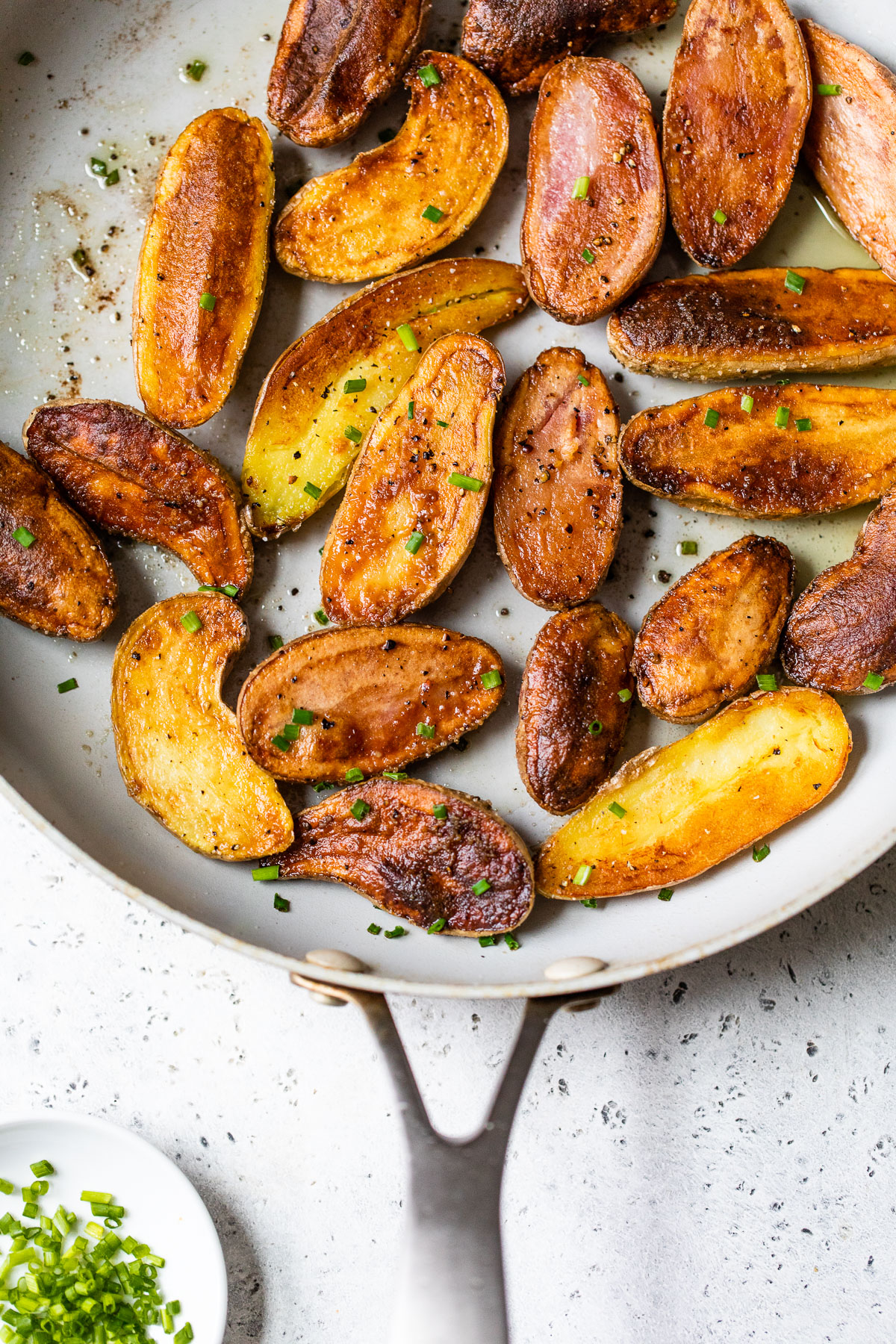
- Fingerling potatoes:Small, elongated, and hold shape well; perfect for roasting or boiling.
- New potatoes:Harvested young and tender, they cook quickly and stay intact.
On the other hand, starchy potatoes like Russets absorb water and tend to fall apart, which might be good for mashed potatoes but not ideal if you want firm boiled pieces. Try to match the potato type to your final dish to get the texture you want.
Best Size And Shape
Size matters when boiling potatoes. Smaller potatoes or evenly cut chunks cook faster and more evenly. Uneven pieces can lead to some parts being mushy while others remain hard.
- Choose medium-sized potatoes or cut larger ones into uniform pieces.
- Round or oval shapes tend to cook evenly, while irregular shapes might need extra attention.
Have you ever started boiling potatoes only to find half undercooked and half mushy? That usually comes down to size inconsistency. Taking a few extra minutes to cut potatoes evenly can save you from this common frustration.
Preparing Potatoes For Cooking
Preparing potatoes for cooking on the stove is a crucial step that sets the stage for delicious results. Your approach here affects texture, flavor, and even cooking time. Taking a moment to prepare potatoes properly can make a big difference in your final dish.
Washing And Peeling
Start by rinsing your potatoes under cold water to remove dirt and debris. Use a vegetable brush if you want to be thorough, especially with unpeeled potatoes.
Peeling is optional depending on the recipe and your preference. I often leave the skin on for extra nutrients and texture, but if you prefer smooth mashed potatoes, peeling is the way to go.
Remember, the fresher the potato, the easier it is to peel. If your potatoes are a bit old, soaking them in cold water for 10 minutes can help loosen the skin.
Cutting Techniques
How you cut your potatoes depends on the dish you want to create. Chunky pieces are perfect for stews, while thin slices work well for frying or layering.
- Cubes:Cut potatoes into uniform cubes to ensure even cooking. About 1-inch cubes are great for boiling and mashing.
- Slices:Thin, even slices help with quicker cooking and crispiness when frying.
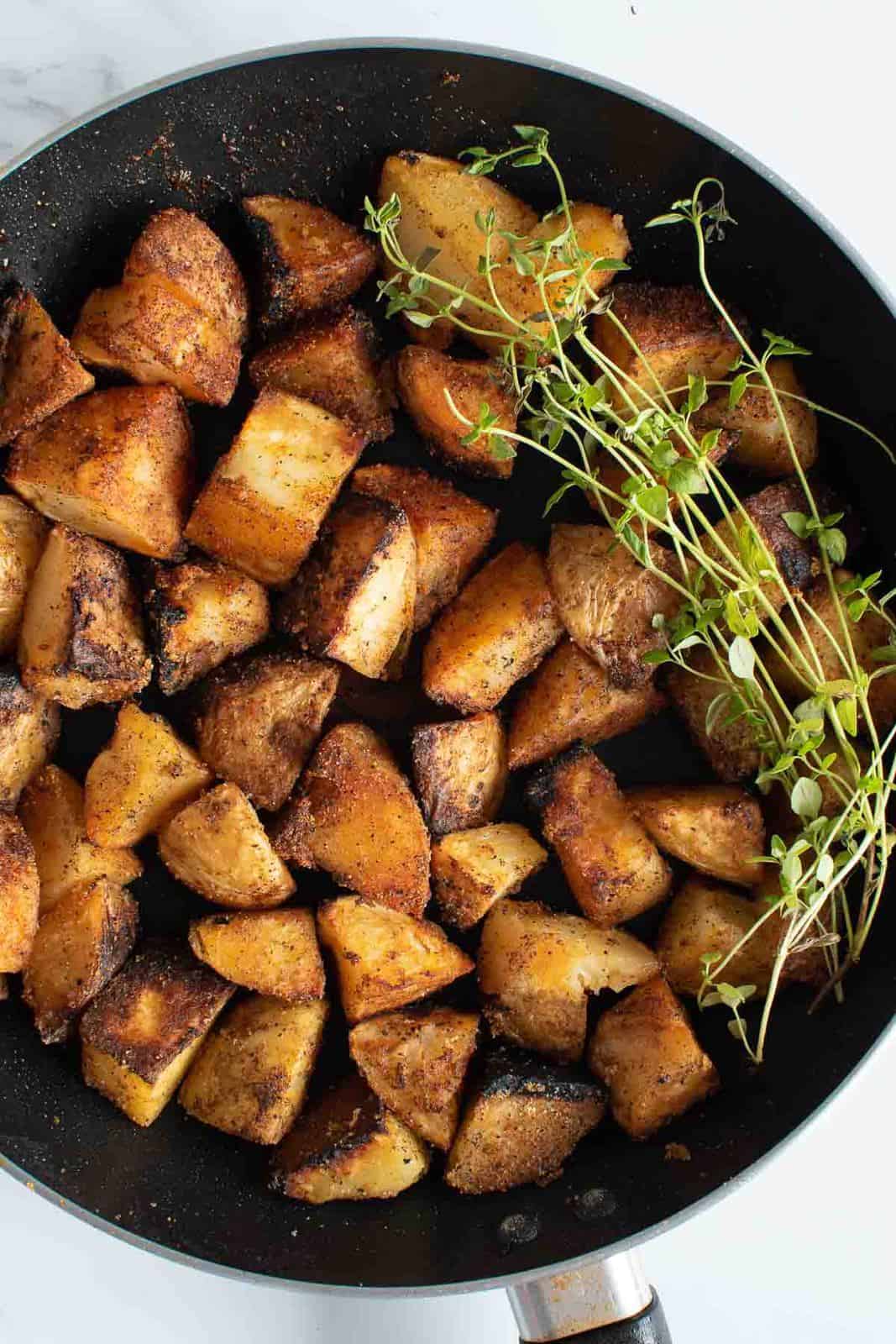
- Wedges:Cut potatoes into wedges for roasting or pan-frying with a crispy outside and soft inside.
Try to keep your cuts consistent. Uneven pieces cook unevenly, leaving some parts underdone and others overcooked. Have you noticed that uneven pieces can ruin a meal’s texture?
Boiling Basics
Boiling potatoes on the stove is a simple way to prepare them perfectly. Understanding the basics helps achieve the right texture and flavor. It starts with controlling the water temperature and seasoning the water properly. These small details change the final taste and softness of the potatoes.
Water Temperature Tips
Use cold water to start boiling potatoes. This helps cook them evenly from inside out. Placing potatoes in already boiling water can cause the outside to become mushy while the inside stays hard. Bring the water to a gentle boil and reduce heat to maintain a steady simmer. This prevents the potatoes from breaking apart.
Salt And Seasoning
Salt the water like you would pasta water. It adds flavor deep into the potatoes. Use about one tablespoon of salt for every four cups of water. Seasoning the water is important because potatoes absorb water as they cook. Add herbs or garlic to the water for extra taste.
Credit: thealmondeater.com
Cooking Methods On The Stove
Boiling potatoes on the stove is a simple and effective method. Cut potatoes into even pieces for consistent cooking. Use a pot with enough water to cover the potatoes completely.
Cooking potatoes on the stove offers various methods for delicious results. Each technique can enhance the flavor and texture of your potatoes. Understanding different methods helps in selecting the best one for your dish.Simmering Vs. Boiling
Simmering and boiling are common methods for cooking potatoes. Boiling involves cooking potatoes in rapidly bubbling water. This method cooks potatoes faster but can lead to loss of nutrients. Simmering is gentler with water just below boiling point. It retains more nutrients and enhances the potato’s natural flavor. Simmering also prevents potatoes from falling apart, keeping their shape intact.Steaming Potatoes
Steaming is another excellent way to cook potatoes on the stove. This method uses steam rather than water to cook the potatoes. Steaming preserves nutrients better than boiling. It also keeps the potatoes’ natural texture. To steam, place potatoes in a steamer basket over boiling water. Cover the pot and let the steam do the work. This method results in tender potatoes with a rich taste. Steamed potatoes can be used in salads or as a side dish.Timing For Perfect Texture
Getting the timing right when cooking potatoes on the stove makes all the difference between a dish that’s perfectly tender and one that’s either hard or mushy. The goal is to achieve a texture that complements your recipe, whether that’s fluffy for mashing or firm enough for salads. Understanding how to judge doneness and avoid overcooking will help you master stove-top potatoes every time.
Testing Doneness
To check if your potatoes are ready, grab a fork or a knife and gently pierce a potato piece. It should slide in easily without resistance but not cause the potato to crumble. If it feels firm in the center, give it a few more minutes and test again.
Try testing multiple pieces from different parts of the pot, especially if the sizes vary. This ensures even cooking and prevents surprises when serving. Have you ever bitten into what looked like a cooked potato only to find a crunchy center? Testing doneness helps you avoid that.
Avoiding Overcooking
Overcooked potatoes lose their shape and turn mushy, which can ruin the texture you’re aiming for. Once your potatoes pass the fork test, immediately drain them to stop the cooking process. Leaving them in hot water will continue to soften them, often beyond the ideal point.
Another tip is to start timing once the water reaches a boil, not before. This way, you have a more accurate idea of how long the potatoes have been cooking. Have you noticed how some recipes give a broad cooking time? Tracking from the boil point can make your results more consistent.
Credit: dizzybusyandhungry.com
Flavor Enhancements
Enhancing the flavor of potatoes cooked on the stove can transform a simple dish into something special. Small additions make a big difference. Herbs, spices, and cooking liquids add layers of taste. These changes turn plain potatoes into a savory delight.
Adding Herbs And Spices
Fresh or dried herbs bring a fresh aroma to boiled potatoes. Rosemary, thyme, and parsley work well. Sprinkle them into the pot during cooking. Spices like garlic powder, paprika, or black pepper add warmth and depth. Stir herbs and spices gently to spread flavor evenly.
Using Broth Instead Of Water
Swap plain water for vegetable, chicken, or beef broth. Broth infuses potatoes with rich, savory notes as they cook. It adds natural saltiness and complexity. Use low-sodium broth to control salt levels. This simple switch makes boiled potatoes tastier and more satisfying.
Draining And Cooling
Draining and cooling potatoes after cooking on the stove is a key step. Proper draining prevents sogginess. Cooling sets the right texture for your dish. Both steps influence the final taste and appearance.
Best Practices For Draining
Use a colander or sieve to drain potatoes quickly. Shake gently to remove excess water. Avoid letting potatoes sit in water after draining. This keeps them from becoming mushy. For even better results, spread potatoes on a clean kitchen towel. Pat dry lightly to remove surface moisture.
Cooling For Salads And Recipes
Cool potatoes to stop the cooking process. Spread them out on a tray for faster cooling. Use a fan or place near a window for air circulation. For potato salads, cool completely before mixing with dressings. This prevents the salad from becoming watery. Cool potatoes hold their shape better in recipes.
Common Mistakes To Avoid
Cooking potatoes on the stove seems simple, but many make mistakes that affect taste and texture. Avoid these common errors for better results every time. Paying attention to small details can change your potato dish from average to delicious.
Cooking Too Long
Boiling potatoes for too long makes them mushy and waterlogged. Overcooked potatoes lose their flavor and become hard to handle. Check potatoes often by poking them with a fork. Stop cooking as soon as they are tender but still firm. This keeps the texture perfect for mashing or roasting later.
Skipping Salt
Not adding salt to the cooking water is a big mistake. Salt seasons the potatoes from the inside out. Without salt, potatoes taste bland and dull. Add a generous pinch of salt to the boiling water before adding potatoes. This simple step improves flavor and brings out their natural taste.
Creative Potato Recipes
Potatoes offer endless possibilities beyond just boiling or frying. They blend well with many flavors and textures. Creative potato recipes bring excitement to simple meals. These dishes suit family dinners or casual gatherings. Experimenting with potatoes on the stove creates delightful, hearty dishes.
Mashed Potatoes
Mashed potatoes are a classic comfort food. Boil peeled potatoes until soft. Mash them with butter and milk for creaminess. Season with salt and pepper to taste. Try adding roasted garlic or cheese for extra flavor. For a lighter option, use broth instead of cream. Serve warm as a side dish or base for stews.
Potato Salads
Potato salads vary from creamy to tangy. Boil potatoes until fork-tender but firm. Cut into bite-sized pieces for easy eating. Mix with mayonnaise or vinaigrette as a dressing. Include ingredients like celery, onions, or herbs. For a fresh twist, add chopped apples or pickles. Chill before serving to blend flavors well.

Credit: food52.com
Frequently Asked Questions
How Long Should I Boil Potatoes On The Stove?
Boil potatoes for 10-20 minutes, depending on size. Smaller pieces cook faster. Test doneness by piercing with a fork. If it slides in easily, potatoes are ready.
Should I Peel Potatoes Before Cooking On The Stove?
Peeling is optional. Leave skins on for nutrients and texture. Peel if you prefer smoother mashed potatoes or recipes needing skinless potatoes.
What Type Of Potatoes Are Best For Stove Cooking?
Yukon Gold and Russet potatoes are ideal. Yukon Gold holds shape well; Russets become fluffy. Choose based on your recipe’s texture preference.
Can I Cook Potatoes Directly In Cold Water On The Stove?
Yes, start potatoes in cold water to cook evenly. Bring water to a boil after adding potatoes. This prevents uneven cooking and mushy edges.
Conclusion
Cooking potatoes on the stove is simple and quick. You only need a few steps to get tasty results. Boil or simmer until the potatoes are soft. Use a fork to check if they are done. Add salt or herbs for extra flavor.
This method works for many potato dishes. Anyone can cook potatoes this way at home. Enjoy your meal with a side of veggies or sauce. Cooking on the stove saves time and energy. Try it today and taste the difference yourself.

I’m Abby Lu, a passionate home cook who loves simplifying everyday meals. At PlugChef.com, I share product reviews and cooking guides to help you find the best tools for your kitchen.
Related posts:
 What Type of Cooking Utensils are Safe: Expert Picks
 What Innovations Could Blenders Make: Unleashing Future Tech
 Smart Strategies to Organize a Small Kitchen: Maximize Space
 How to Organize a Kitchen Cabinet: Expert Tips & Tricks
 How to Organize Kitchen Drawers: Expert Tips and Tricks
 How to Organize a Corner Kitchen Cupboard: Expert Tips