
If you love creamy, delicious grits but dread the long cooking time, this guide is made just for you. Cooking grits in a pressure cooker can save you loads of time while giving you perfectly smooth results every time.
Imagine enjoying your favorite breakfast or side dish without standing over the stove for ages. You’ll discover simple steps and insider tips to make grits quickly and easily. Ready to transform the way you cook grits and impress your family or guests?
Keep reading, and you’ll never go back to the old method again.

Credit: www.asajamalaga.com
Benefits Of Pressure Cooker Grits
Cooking grits in a pressure cooker offers several clear benefits. It saves time, improves texture, and delivers consistent results. These advantages make pressure cooker grits a smart choice for busy kitchens and anyone who loves a smooth, tasty dish.
Speed And Efficiency
Pressure cookers cook grits much faster than traditional methods. They use high pressure to raise the boiling point of water. This speeds up the cooking process significantly. No long waiting times. Perfect for quick meals or busy mornings.
Creamy Texture
Pressure cooking helps grits become creamy and smooth. The sealed environment keeps moisture locked in. This softens the grits evenly without stirring constantly. The result is a rich, velvety texture that feels homemade and fresh.
Consistent Results
Pressure cookers deliver reliable and even cooking. Each batch turns out just right without guesswork. No burnt or undercooked spots. This consistency saves stress and ensures great taste every time you cook grits.
Choosing The Right Grits
Choosing the right grits shapes the flavor and texture of your dish. Different types of grits offer unique cooking results. Knowing their qualities helps make better choices for your pressure cooker recipes.
Stone-ground Vs. Instant
Stone-ground grits are made by grinding whole corn kernels slowly. They keep natural oils and have a rich, nutty taste. These grits take longer to cook but offer a creamy texture.
Instant grits cook very fast. They are pre-cooked and dried, so they lose some flavor and texture. Instant grits work well for quick meals but lack the depth of stone-ground ones.
Coarse Vs. Fine Grits
Coarse grits are larger and grainier. They give a hearty, chewy bite to dishes. Coarse grits hold their shape well in recipes like shrimp and grits.
Fine grits have a smaller grain size. They cook faster and become smooth and creamy. Fine grits suit creamy porridges or softer side dishes.
Essential Equipment And Ingredients
A pressure cooker and coarse ground corn are key for cooking grits quickly and evenly. Water, salt, and butter enhance flavor and texture. Simple tools like a stirring spoon and measuring cups help keep the process smooth and accurate.
Cooking grits in a pressure cooker is an exciting culinary adventure that promises delightful results with minimal effort. To embark on this journey, having the right equipment and ingredients is crucial. The combination of a reliable pressure cooker and quality ingredients will elevate your grits to a comforting, flavorful dish that warms the soul.Pressure Cooker Types
Choosing the right pressure cooker can make all the difference. There are two main types: electric and stovetop. – Electric Pressure Cookers: These are user-friendly and come with preset options, making them ideal for beginners. They often double as slow cookers or rice cookers, offering versatility. – Stovetop Pressure Cookers: These are generally more durable and reach higher pressure levels, cooking your grits even faster. However, they require more manual control. Consider your cooking style and kitchen space when selecting your pressure cooker. An electric model might be more convenient if you enjoy set-and-forget cooking.Key Ingredients For Flavor
To make your grits truly standout, focus on these key ingredients: – Stone-Ground Grits: Opt for stone-ground varieties for a richer texture and authentic taste. They might take a bit longer to cook but are worth the wait. – Liquid Base: Using a mix of water and milk or chicken broth can enhance the creaminess and flavor. Adjust the ratio according to your preference for a thicker or more fluid consistency. – Butter and Cheese: Adding butter not only brings out the natural flavors but also provides a silky finish. Sharp cheddar or parmesan can add a delightful depth of flavor. – Seasonings: A pinch of salt and pepper is essential, but don’t shy away from adding garlic powder or paprika for an extra kick. – Optional Add-ins: Consider toppings like crispy bacon, fresh herbs, or sautéed mushrooms for added texture and taste. What flavor combinations inspire you? Experimenting with different ingredients can lead to discovering your signature grits recipe. Enjoy the process and let your taste buds guide you.
Credit: shopfoodocracy.com
Step-by-step Cooking Process
Cooking grits in a pressure cooker saves time and keeps the texture smooth. The process is simple and quick. Follow clear steps for perfect grits every time. Understanding each part helps you avoid common mistakes. Let’s explore the step-by-step cooking process for grits in a pressure cooker.
Preparing The Grits
Start by measuring the grits and water or broth. Use a ratio of 1 part grits to 4 parts liquid. Rinse the grits briefly under cold water to remove dust. Pour the grits and liquid into the pressure cooker pot. Add a pinch of salt for flavor. Stir the mixture well to prevent clumping. Avoid adding dairy or butter at this stage. These can be added after cooking for better texture.
Setting The Pressure Cooker
Secure the lid tightly on the pressure cooker. Make sure the pressure valve is set to the sealing position. Select the manual or pressure cook setting. Set the pressure level to high for best results. No need to preheat the cooker before starting. The cooker will build pressure as it heats. Keep the cooker on the stovetop or electric base during this time.
Cooking Time And Release Methods
Set the cooking time to 10 minutes on high pressure. The cooker will beep when the time is up. Let the pressure release naturally for 10 minutes. This means do not touch the valve during this time. After 10 minutes, carefully release any remaining pressure. Use a kitchen towel or utensil to avoid steam burns. Open the lid once all pressure is released. Stir the grits well to achieve a creamy texture. Add butter, cheese, or milk as desired and serve warm.
Tips For Creamy Grits
Cooking grits in a pressure cooker saves time and effort. Achieving creamy grits depends on a few key factors. These tips will help you get smooth, rich grits every time.
Liquid Ratios
The right amount of liquid is crucial for creamy grits. Use a ratio of 1 part grits to 4 parts liquid. Water, broth, or milk works well. More liquid makes softer, creamier grits. Less liquid can cause dryness or lumps. Measure carefully before cooking.
Stirring Techniques
Stir grits gently but often. Stirring prevents lumps and keeps texture smooth. Avoid vigorous stirring during pressure cooking to stop splatter. Stir once when cooking ends and release pressure. Use a wooden spoon or heatproof spatula for best results.
Adding Dairy And Seasonings
Add butter, cheese, or cream after cooking for richness. Stir in slowly to blend well. Salt enhances flavor but add it after cooking to control taste. Pepper and garlic powder work well as seasonings. Experiment with herbs for extra flavor, but keep it simple for creamy grits.
Troubleshooting Common Issues
Cooking grits in a pressure cooker saves time but can bring some common issues. These problems often happen due to cooking time, liquid amount, or heat settings. Troubleshooting helps fix these quickly. Understanding the cause makes your grits turn out perfect every time.
Grits Too Thick Or Thin
Grits may become too thick if there is not enough liquid. Add warm water or broth slowly and stir well. For thin grits, cook longer with the lid off to evaporate excess liquid. Adjust the water-to-grits ratio next time. Use about 4 cups of liquid per 1 cup of grits for creamy texture.
Burning Or Sticking
Burning happens when heat is too high or liquid is too low. Use the sauté function on low to soften grits before pressure cooking. Stir often during cooking if possible. Always add enough liquid to cover the grits completely. A non-stick pressure cooker pot or a little oil can reduce sticking.
Undercooked Grits
Undercooked grits feel hard or grainy. Increase the pressure cooking time by a few minutes next time. Make sure the pressure cooker reaches full pressure before starting the timer. Stir grits well after cooking and let them sit covered for 5 minutes. This helps soften them fully.
Serving Suggestions
Serving grits cooked in a pressure cooker opens many delicious possibilities. These creamy grains can complement both savory and sweet dishes. Simple additions transform grits into a satisfying meal or side dish. Explore different flavors and textures to suit every taste.
Savory Toppings
- Cheese: Sprinkle shredded cheddar, Parmesan, or feta for richness.
- Butter and herbs: Add a pat of butter and fresh parsley or chives.
- Cooked bacon or sausage: Crumbled meat adds smoky, hearty flavor.
- Sautéed vegetables: Mushrooms, spinach, or bell peppers bring color and taste.
- Fried or poached eggs: Place on top for a protein boost.
- Hot sauce or salsa: Drizzle for a spicy kick.
Sweet Variations
- Brown sugar or honey: Stir in for gentle sweetness.
- Cinnamon and nutmeg: Sprinkle spices for warm, comforting notes.
- Fresh fruit: Add berries, sliced bananas, or diced apples.
- Maple syrup: Pour over for a rich, natural sweetness.
- Chopped nuts: Walnuts or pecans add crunch and flavor.
- Vanilla extract: Mix a small amount for a subtle aroma.
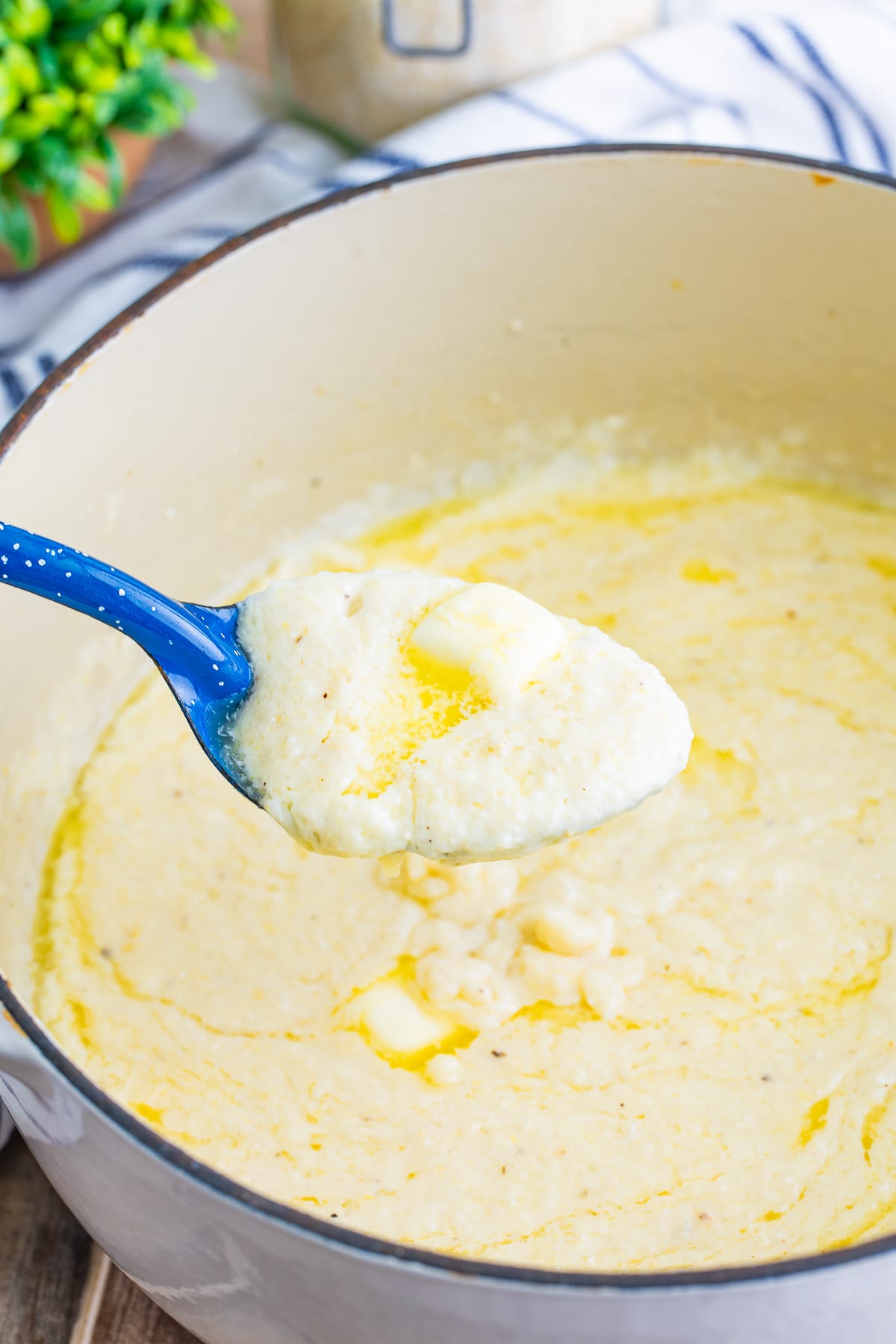
Credit: thissillygirlskitchen.com
Frequently Asked Questions
How Long Does It Take To Cook Grits In A Pressure Cooker?
Cooking grits in a pressure cooker takes about 10 minutes under high pressure. Including natural release, total time is around 20 minutes. This method is faster than stovetop cooking and yields creamy, tender grits.
What Water-to-grits Ratio Is Best For Pressure Cooking?
Use a 4:1 water-to-grits ratio for pressure cooking. For example, 4 cups of water for 1 cup of grits. This ensures the grits cook evenly and achieve a smooth texture without becoming too thick or watery.
Can I Cook Instant Grits In A Pressure Cooker?
Instant grits are not ideal for pressure cooking. They cook very quickly on the stovetop. Using a pressure cooker may overcook them, resulting in a mushy texture. It’s better to use stone-ground or regular grits for pressure cooking.
Is It Safe To Cook Grits In A Pressure Cooker?
Yes, cooking grits in a pressure cooker is safe when following instructions. Avoid overfilling the cooker and use the correct water ratio. Always release pressure naturally to prevent splattering and ensure even cooking.
Conclusion
Cooking grits in a pressure cooker saves time and effort. The process is simple and fast, giving soft and creamy grits. You control the texture by adjusting cooking time easily. This method keeps the flavor rich and fresh. You can add your favorite seasonings while cooking.
Perfect for breakfast or any meal, grits taste great this way. Try this easy method to enjoy warm, tasty grits quickly. Cooking grits has never been so simple and satisfying. Give it a try today and enjoy the results!

I’m Abby Lu, a passionate home cook who loves simplifying everyday meals. At PlugChef.com, I share product reviews and cooking guides to help you find the best tools for your kitchen.
Related posts:
 What Type of Cooking Utensils are Safe: Expert Picks
 What Innovations Could Blenders Make: Unleashing Future Tech
 Smart Strategies to Organize a Small Kitchen: Maximize Space
 How to Organize a Kitchen Cabinet: Expert Tips & Tricks
 How to Organize Kitchen Drawers: Expert Tips and Tricks
 How to Organize a Corner Kitchen Cupboard: Expert Tips