

If you love cooking eggs but struggle with sticking or uneven heat, cooking eggs in cast iron might just change the game for you. Imagine perfectly cooked eggs with a golden edge and a tender center, every single time.
You might think cast iron is tricky to use, but once you know the simple secrets, it becomes your best kitchen tool. You’ll discover how to master cooking eggs in cast iron easily, so your breakfast turns out delicious and hassle-free.
Keep reading, and your mornings will never be the same.

Credit: littlespoonfarm.com
Choosing The Right Cast Iron Pan
Choosing the right cast iron pan is key for perfect eggs every time. The pan impacts heat distribution and cooking ease. A good pan makes cooking eggs smooth and enjoyable. Factors like size, weight, and seasoning type matter.
Size And Weight Considerations
Pick a size that fits your cooking needs. Smaller pans, around 8 inches, suit single servings. Larger pans, like 10 or 12 inches, work for family meals. Heavy pans hold heat well but can be hard to handle. Lighter pans are easier to move but may heat unevenly. Balance size and weight for comfort and control.
Pre-seasoned Vs. Bare Cast Iron
Pre-seasoned pans come ready to use with a non-stick surface. They save time and prevent sticking from the start. Bare cast iron needs seasoning before cooking. Seasoning builds a natural non-stick layer over time. Bare pans offer more control but require care. Choose pre-seasoned for convenience or bare for customization.
Preparing Your Cast Iron For Eggs
Preparing your cast iron skillet for cooking eggs ensures a smooth, non-stick experience. Proper care helps eggs slide off easily and prevents sticking. Before cooking, the skillet needs the right seasoning and cleaning to work well.
Seasoning Techniques
Seasoning creates a natural, non-stick surface on your cast iron. Start by applying a thin layer of oil over the entire skillet. Use oils with high smoke points like flaxseed, vegetable, or canola oil.
Heat the skillet in an oven at 350°F (175°C) for about an hour. Let it cool inside the oven before removing. Repeat this process a few times for a stronger seasoning layer.
Regular use of the skillet also improves its seasoning. Cooking eggs often helps build a smooth surface that resists sticking.
Cleaning Before Cooking
Clean the skillet properly before cooking eggs to keep the seasoning intact. Avoid soap; it can strip away the oil layer. Instead, use hot water and a stiff brush or a sponge.
For stubborn bits, scrub with coarse salt and a little water. Rinse and dry the skillet thoroughly with a towel or on low heat.
Applying a small amount of oil after cleaning protects the seasoning and keeps the skillet ready for use.
Best Oils And Fats For Cooking Eggs
Choosing the right oil or fat for cooking eggs in cast iron can change the texture and flavor dramatically. The fat you use impacts how well the eggs release from the pan and how rich they taste. Understanding the benefits of different fats helps you cook eggs that suit your taste and cooking style.
Butter Vs. Oil
Butter adds a creamy flavor and helps eggs brown beautifully, thanks to its milk solids. It can burn quickly in cast iron if the pan is too hot, so keep the heat moderate. Oil, like vegetable or canola, offers a higher smoke point and makes it easier to cook eggs without sticking.
I’ve found that a combination works best: a small amount of butter for flavor and a splash of oil to prevent burning. This mix gives you the taste of butter with the stability of oil. Have you tried blending fats to get the best of both worlds?
Using Bacon Grease Or Lard
Bacon grease and lard bring a rich, savory flavor that you won’t get from neutral oils. They also create a natural non-stick surface in your cast iron pan, making eggs slide right out. If you save bacon grease after frying, it’s a perfect way to add depth to your breakfast eggs.
Using these fats can be an easy way to add character to your cooking without extra seasoning. However, they are higher in saturated fats, so consider how often you use them. What flavors do you want to highlight in your eggs today?
Temperature Tips For Perfect Eggs
Temperature control is key to cooking perfect eggs in cast iron. Too hot, and the eggs stick or burn. Too low, and they cook unevenly or stay runny. Finding the right heat level helps eggs cook gently and taste better.
Low And Slow Method
Use low heat to cook eggs gently in cast iron. This method avoids burning and sticking. Heat the pan slowly, then add eggs once the pan is warm. Cooking eggs slowly keeps them soft and creamy.
This method works well for scrambled or fried eggs. Stir often for even cooking. Patience makes eggs fluffy and tender.
Avoiding Overheating
Cast iron holds heat very well. Overheating causes eggs to burn quickly. To avoid this, preheat the pan on medium or low heat only.
If the pan smokes, it is too hot. Remove from heat and let it cool slightly before adding eggs. Use a little oil or butter to create a smooth surface.
Cooking Styles In Cast Iron
Cast iron skillets offer a unique way to cook eggs, enhancing flavors and textures with their even heat distribution. Different egg styles respond well to cast iron, allowing you to experiment with your favorite breakfast staples. Let’s look at how fried eggs, scrambled eggs, and omelets or frittatas come to life in cast iron.
Fried Eggs
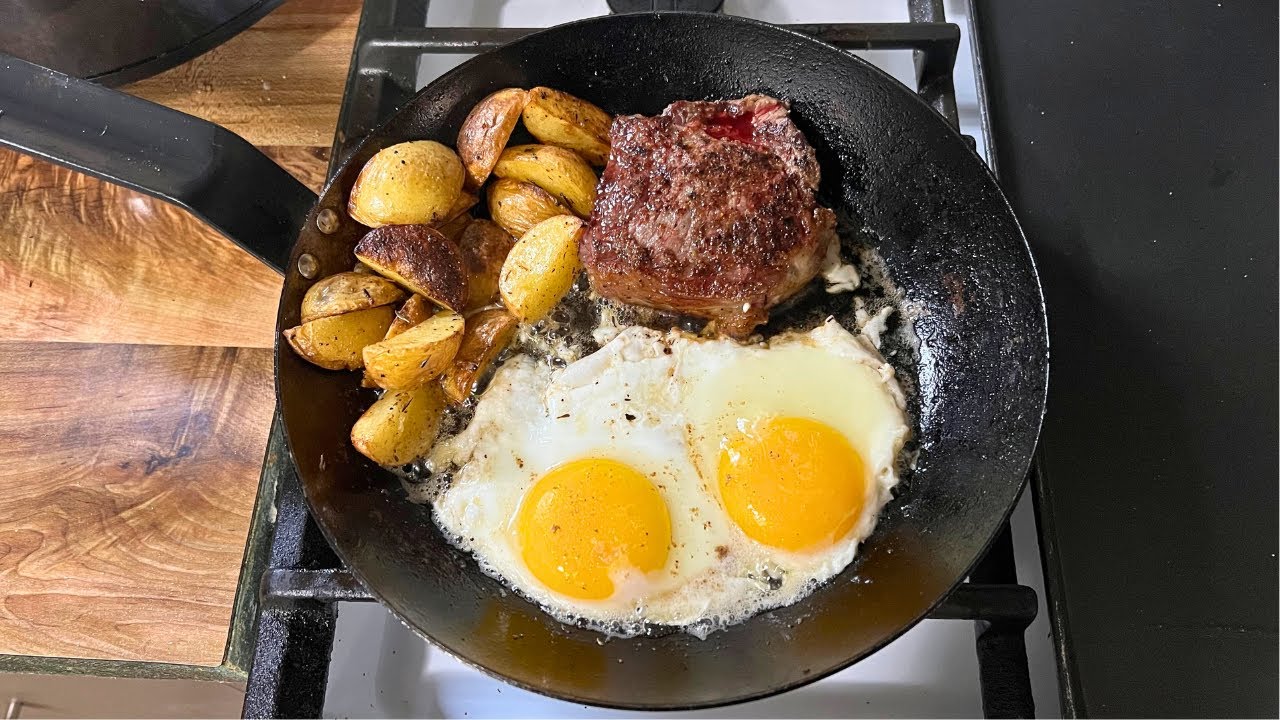
Frying eggs in cast iron creates a beautifully crisp edge while keeping the yolk tender and runny. The key is to preheat the skillet properly and use enough fat, like butter or oil, to prevent sticking.
Have you noticed how your fried eggs get that perfect golden rim in cast iron? That’s because the pan holds steady heat, giving you control over the cooking speed. Try frying eggs at medium-low heat to avoid overcooking the whites while letting the yolk stay soft.
Scrambled Eggs
Scrambled eggs in cast iron develop a creamy texture with slightly browned bits that add a savory crunch. Use gentle heat and stir slowly to avoid sticking or burning.
Adding a small amount of cream or milk before cooking can make your scramble silkier. Cook the eggs just until they begin to set, then remove from heat to finish cooking off the pan. This technique prevents dryness and keeps them moist.
Omelets And Frittatas
Cast iron is perfect for making omelets and frittatas because it distributes heat evenly and can go from stovetop to oven.
Start your omelet on the stove, then finish it in the oven for a fluffy texture without overcooking. For frittatas, cook your fillings first in the skillet, add beaten eggs, and bake until set.
Do you prefer a soft or firm frittata? Adjust your oven time accordingly and watch how cast iron helps you achieve consistent results every time.
Credit: www.youtube.com
Troubleshooting Common Issues
Eggs can stick to cast iron if the pan is not well-seasoned or too hot. Lower the heat and use enough oil to keep eggs from sticking. Cleaning the pan gently after cooking helps maintain its surface for next use.
Cooking eggs in a cast iron pan can be tricky. You might face common issues. Understanding these can improve your cooking experience. Let’s explore some solutions.Eggs Sticking To The Pan
Eggs sticking is a frequent problem. Ensure your pan is well-seasoned. A seasoned pan creates a non-stick surface. Preheat the pan before adding oil or butter. This helps to prevent sticking. Use enough fat to cover the surface. Also, avoid moving the eggs too soon. Let them set before flipping.Uneven Cooking
Uneven cooking can frustrate any cook. Preheat the pan evenly before adding eggs. Use medium heat for consistent results. High heat can cause some parts to cook faster. Stir gently if scrambling. This helps distribute heat evenly. A lid can help trap heat for even cooking.Removing Residue
Residue can linger after cooking. Clean the pan while it’s still warm. Use warm water and a gentle scrubber. Avoid harsh soaps; they strip seasoning. For tough residue, boil water in the pan. This loosens stuck bits. Dry thoroughly to prevent rust. Then apply a thin layer of oil. This maintains the pan’s seasoning.Maintaining Your Cast Iron After Cooking
Maintaining your cast iron after cooking is key to its long life and great performance. Proper care keeps the surface smooth and non-stick. It also prevents rust and damage. A little effort after cooking protects your investment and improves your cooking experience.
Proper Cleaning Methods
Clean your cast iron while it is still warm. Use hot water and a stiff brush to remove food bits. Avoid soap, as it can strip the seasoning. Never soak the pan in water for a long time.
If stuck-on food remains, scrub with coarse salt and a little water. Rinse and dry immediately with a cloth or paper towel. Place the pan on low heat to evaporate any moisture. This step helps stop rust from forming.
Re-seasoning Tips
Re-season your cast iron regularly to maintain its non-stick coating. After cleaning and drying, apply a thin layer of cooking oil. Use oils with a high smoke point, like vegetable or flaxseed oil. Spread the oil evenly over the entire surface, inside and out.
Heat the pan in the oven at 350°F (175°C) for about one hour. Let it cool completely in the oven before storing. This process builds a strong, protective layer that improves with time and use.
Enhancing Flavor With Cast Iron
Cooking eggs in cast iron skillets changes the way they taste. The heavy pan holds heat well and cooks eggs evenly. This even heat helps eggs develop a rich, full flavor. The cast iron also adds a subtle, smoky note that you won’t get with other pans.
Using cast iron lets you explore different flavors. You can easily mix herbs, spices, and other ingredients in the pan. This creates a tasty, aromatic dish. The pan’s seasoning layer adds a unique depth to your eggs. It builds up over time, making every meal better.
Using Aromatics And Spices
Start by heating your cast iron skillet with oil or butter. Add aromatics like garlic, onions, or shallots. Let them cook until soft and fragrant. Sprinkle spices such as black pepper, paprika, or cumin. These ingredients release their flavors into the pan. Then, add your eggs and cook as usual. The eggs absorb the aromatic and spicy notes. This method makes your dish more exciting and flavorful.
Pairing Eggs With Cast Iron Cooked Sides
Cast iron skillets are perfect for cooking sides alongside eggs. Try crispy potatoes, sautéed mushrooms, or caramelized tomatoes. These sides cook well in the same pan and gain extra flavor. The heat and seasoning of the cast iron give a nice crust to your food. Serving eggs with these sides creates a balanced and tasty meal. The flavors blend nicely for a satisfying breakfast or brunch.

Credit: www.reddit.com
Frequently Asked Questions
How Do You Prevent Eggs From Sticking In Cast Iron?
To prevent sticking, always preheat the cast iron pan properly. Use enough oil or butter to coat the surface. Season your cast iron well to maintain its non-stick properties. Avoid cooking on very high heat to protect the seasoning and prevent sticking.
Can You Cook Scrambled Eggs In Cast Iron?
Yes, cast iron is excellent for scrambled eggs. Use medium-low heat and plenty of butter to keep eggs creamy. Stir continuously to avoid sticking or burning. Properly seasoned cast iron ensures easy release and a delicious texture.
Is Cast Iron Safe For Cooking Eggs Daily?
Yes, cast iron is safe for daily egg cooking. It adds a small amount of iron to your diet. Just maintain the seasoning and clean it properly after each use. This ensures durability and prevents rust.
How Long Should Eggs Cook In Cast Iron?
Cooking time varies by style: fried eggs take about 2-3 minutes. Scrambled eggs need 3-5 minutes with constant stirring. Use medium-low heat for even cooking and to protect the seasoning layer.
Conclusion
Cooking eggs in cast iron brings rich flavor and even heat. Cast iron needs proper care to keep eggs from sticking. Use enough oil or butter and keep the pan at medium heat. With practice, your eggs will cook perfectly every time.
Enjoy simple, tasty meals with this classic cookware. Try different seasonings to suit your taste. Cast iron adds a special touch to everyday cooking. Keep your pan clean and well-seasoned for best results. Cooking eggs this way can become a fun kitchen habit.

I’m Abby Lu, a passionate home cook who loves simplifying everyday meals. At PlugChef.com, I share product reviews and cooking guides to help you find the best tools for your kitchen.
Related posts:
 What Type of Cooking Utensils are Safe: Expert Picks
 What Innovations Could Blenders Make: Unleashing Future Tech
 Smart Strategies to Organize a Small Kitchen: Maximize Space
 How to Organize a Kitchen Cabinet: Expert Tips & Tricks
 How to Organize Kitchen Drawers: Expert Tips and Tricks
 How to Organize a Corner Kitchen Cupboard: Expert Tips

