
You want your eggs to come out perfect every time—golden, flavorful, and cooked just the way you like. Cooking eggs in a cast iron skillet might sound tricky, but once you master it, you’ll never go back to a regular pan.
Imagine that satisfying sizzle as your eggs hit the hot surface, cooking evenly with a rich, delicious taste only cast iron can give. You’ll discover simple tips and secrets to make your eggs shine, whether you like them fried, scrambled, or sunny side up.
Ready to upgrade your breakfast game? Let’s dive in.

Credit: jawnsicooked.com
Choosing The Right Skillet
Choosing the right cast iron skillet can make a big difference in how your eggs turn out. The skillet you pick affects everything from heat distribution to ease of cleaning. Knowing what to look for helps you cook eggs just the way you like them, whether fluffy scrambled or perfectly fried.
Seasoned Vs. New Cast Iron
A seasoned skillet already has a natural non-stick coating built up from layers of oil baked into the surface. This means your eggs are less likely to stick, and cleanup is easier. If you’ve ever struggled with eggs clinging to a new pan, a well-seasoned skillet could save you frustration.
New cast iron pans often need a few uses before they develop that smooth, non-stick surface. You’ll need to season them yourself by applying oil and heating the pan multiple times. This process can take a bit of patience, but many cooks enjoy the hands-on care it requires.
Think about your cooking style: Do you want a skillet that’s ready to go right away or are you willing to put in some work to build up seasoning? Your answer will guide your choice.
Size And Weight Considerations
The size of your skillet affects how many eggs you can cook at once and how evenly they heat. A 10-inch skillet is a popular choice because it’s big enough for several eggs but not too bulky.
Weight matters too. Cast iron is heavy, and larger pans can be tough to handle, especially when flipping eggs or transferring the skillet to the table. If you’re new to cast iron, you might prefer a smaller, lighter pan until you get comfortable.
Ask yourself: Do you want a skillet that’s easy to maneuver or one that can cook for a crowd? Balancing size and weight will help you find a pan that fits your kitchen and your cooking habits perfectly.
Credit: www.youtube.com
Preparing The Skillet
Preparing your cast iron skillet is key to cooking perfect eggs. A well-prepped skillet ensures eggs don’t stick and cook evenly. Taking time to clean and heat it properly sets the stage for a great breakfast.
Cleaning And Preheating Tips
Start by wiping your skillet with a paper towel or soft cloth. Avoid soap; it can damage the seasoning. If stuck-on food remains, scrub gently with coarse salt and a little water.
Dry the skillet completely to prevent rust. Place it on medium heat for a few minutes. This warms the pan evenly and helps eggs cook better.
Check the temperature by flicking a few drops of water. If they dance and evaporate quickly, the skillet is ready.
Using Oil And Butter
Choose oil or butter to coat the skillet before cooking. Each adds flavor and helps prevent sticking.
- Use a small amount of oil with a high smoke point, like vegetable or canola oil.
- Butter adds richness but burns faster, so watch the heat closely.
- Spread the oil or butter evenly across the skillet’s surface using a paper towel or brush.
Let the fat heat until it shimmers or melts fully. This creates a smooth, non-stick layer for your eggs.
Cooking Techniques For Eggs
Cooking eggs in a cast iron skillet is a timeless art. This method enhances the flavor and texture of eggs. A few techniques can help achieve perfect results.
Frying Eggs Perfectly
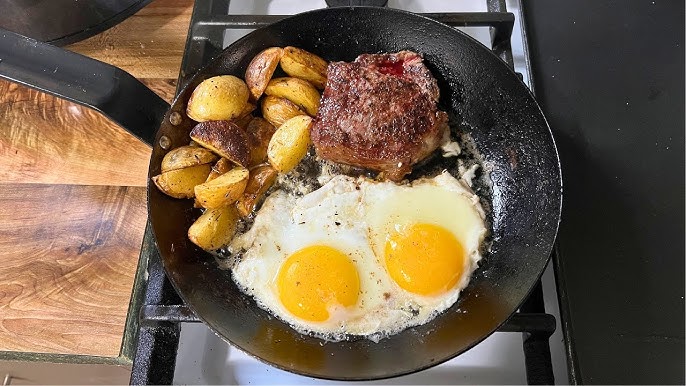
Heat the cast iron skillet on medium heat. Add a small amount of oil. Let it heat until shimmering. Crack the egg gently into the skillet. Cook until the whites are set. For a runny yolk, cook for three minutes. Flip and cook for an extra minute for a firmer yolk.
Scrambled Eggs In Cast Iron
Beat eggs with a pinch of salt. Heat the skillet and add butter. Pour in the eggs. Stir gently with a spatula. Cook on low heat until curds form. Remove while still slightly runny. The eggs will continue to cook off the heat.
Making Omelets
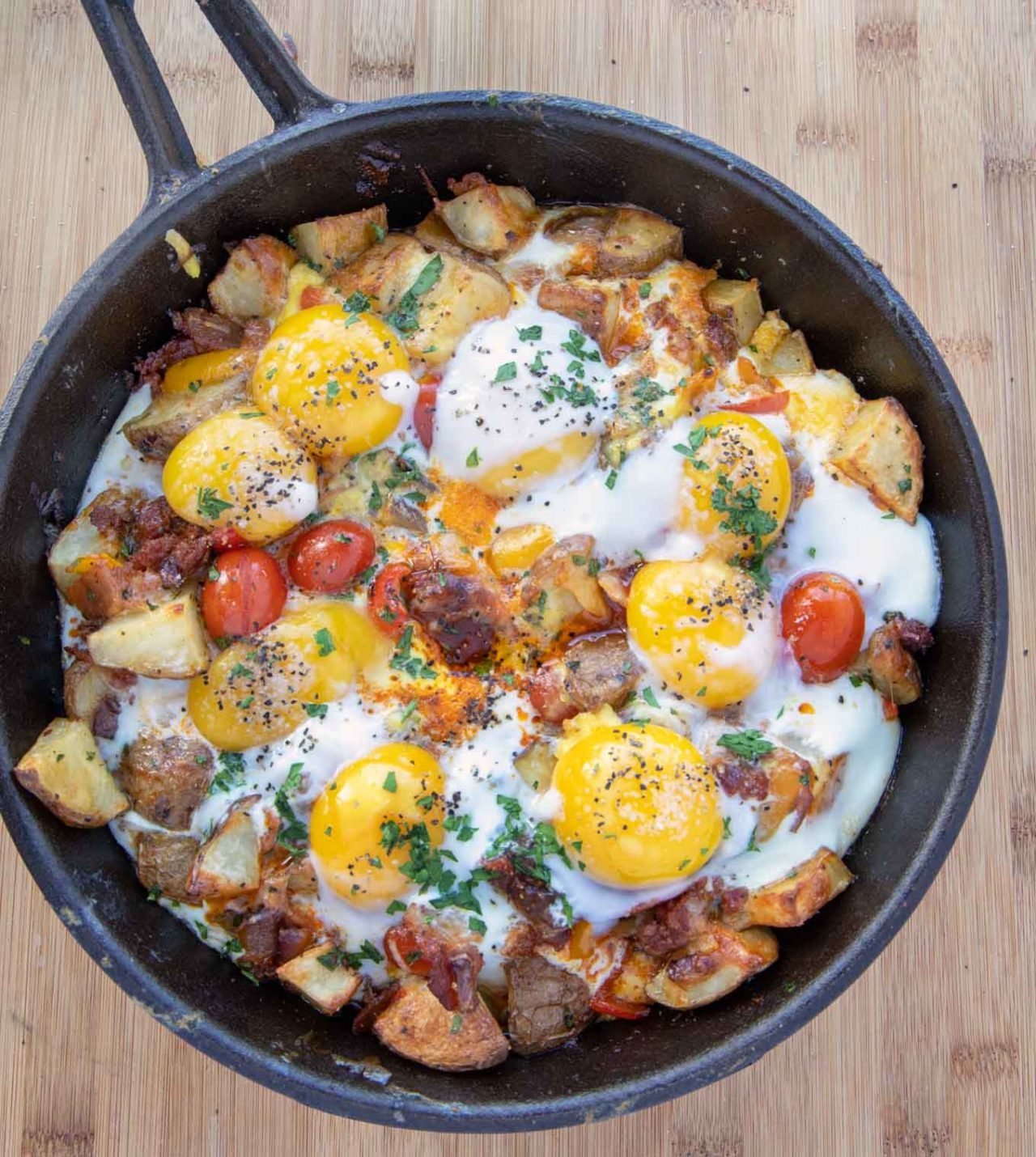
Preheat the skillet and add butter. Beat eggs and pour into the skillet. Swirl the eggs to cover the pan evenly. Add fillings like cheese or vegetables. Fold the omelet in half when the edges are set. Cook briefly until fully set. Serve immediately for best taste.
Temperature Control
Temperature control is crucial when cooking eggs in a cast iron skillet. Too high a heat can cause burning, while too low can lead to uneven cooking. Mastering this balance ensures your eggs come out perfectly every time.
Managing Heat Levels
Start by preheating your cast iron skillet on medium-low heat. Cast iron holds heat well, so it doesn’t need to be very hot to cook eggs effectively.
If you notice your eggs cooking too quickly or the edges browning, lower the heat immediately. Adjusting the heat during cooking helps prevent overcooking and keeps the eggs tender.
Have you ever burned eggs because the skillet was too hot? Try the “hand test”: hold your hand a few inches above the pan. If you can only keep it there for 2–3 seconds before it feels too hot, reduce the heat.
Avoiding Sticking And Burning
Proper temperature prevents eggs from sticking to your cast iron skillet. Use a small amount of oil or butter and allow it to heat until shimmering but not smoking.
Pour your eggs in gently, and avoid moving them too soon. Let the eggs set for a bit before stirring or flipping to create a natural release from the pan.
If you find your eggs sticking or burning, it’s often a sign the skillet is too hot or not well-seasoned. Regularly seasoning your pan and controlling heat are both key to smooth cooking.
Maintaining Your Skillet
Maintaining your cast iron skillet is key to cooking perfect eggs every time. Proper care keeps the surface smooth and non-stick. It also prevents rust and damage. Simple cleaning and regular seasoning help your skillet last for years.
Cleaning After Cooking
Clean the skillet while it is still warm. Use hot water and a soft brush or sponge. Avoid soap or harsh detergents that strip seasoning. For stuck-on food, scrub gently with coarse salt. Rinse well and dry immediately to stop rust. Never soak the skillet or put it in a dishwasher.
Re-seasoning Tips
Season your skillet regularly to maintain its coating. Apply a thin layer of vegetable oil or flaxseed oil. Spread it evenly over the entire surface, inside and out. Heat the skillet upside down in the oven at 350°F (175°C) for one hour. Let it cool completely before storing. This process builds a natural non-stick layer for better cooking.
Troubleshooting Common Issues
Cooking eggs in a cast iron skillet can sometimes bring challenges. Common issues may arise during cooking or cleanup. Knowing how to fix these problems helps keep your cooking smooth and your skillet in great shape.
Eggs Sticking To The Pan
Eggs often stick if the pan is not seasoned well. A well-seasoned skillet creates a natural non-stick surface. Preheat the pan on medium heat before adding oil or butter. Use enough fat to coat the surface evenly. Cook eggs slowly over moderate heat to prevent sticking. Avoid using metal utensils that can damage the seasoning layer.
Uneven Cooking
Uneven cooking happens when the heat is too high or the pan is not hot enough. Cast iron holds heat well but needs time to warm up. Heat the skillet for a few minutes before adding eggs. Cook on medium or medium-low heat for even results. Spread eggs evenly in the pan to ensure consistent cooking. Avoid overcrowding the pan, which can cause uneven heat distribution.
Removing Residue
Residue can build up after cooking eggs, making the pan sticky or dull. Clean the skillet while it is still warm but not hot. Use a soft brush or sponge with hot water. Avoid soap, which can strip seasoning. For stubborn residue, scrub with coarse salt and a little water. Dry the skillet thoroughly and apply a thin layer of oil to protect the surface.
Credit: www.askchefdennis.com
Frequently Asked Questions
How Do You Prevent Eggs From Sticking In Cast Iron?
To prevent sticking, always preheat the skillet and use enough oil or butter. Season your cast iron regularly for a non-stick surface. Cooking eggs on medium-low heat also helps avoid sticking and ensures even cooking.
What Is The Best Oil For Cooking Eggs In Cast Iron?
Use oils with high smoke points like avocado oil, canola oil, or clarified butter. These oils prevent burning and enhance flavor. Avoid using low smoke point oils to maintain the skillet’s seasoning and cook eggs perfectly.
Can You Cook Scrambled Eggs In A Cast Iron Skillet?
Yes, cast iron skillets are excellent for scrambled eggs. Cook on low to medium heat and stir gently. This method ensures creamy texture and prevents overcooking or sticking, giving you fluffy, delicious scrambled eggs every time.
How Long Should Eggs Cook In A Cast Iron Skillet?
Cook eggs for 2 to 3 minutes on medium-low heat. Adjust time based on preferred doneness. Cast iron retains heat well, so watch closely to avoid overcooking or burning your eggs.
Conclusion
Cooking eggs in a cast iron skillet brings great taste and texture. The skillet holds heat well for even cooking. A little oil or butter helps prevent sticking. Keep the pan hot but not too hot. With practice, eggs come out just right every time.
Enjoy simple, delicious eggs with this easy method. Try it today and feel the difference!

Hi, I’m Daniel Brooks—a food lover and kitchen gear enthusiast. I enjoy testing cookware, utensils, and gadgets to see what really works in everyday cooking. At PlugChef.com, I share honest reviews, comparisons, and simple guides to help you choose the best tools for a safer, smarter, and more enjoyable kitchen.
Related posts:
 What Type of Cooking Utensils are Safe: Expert Picks
 What Innovations Could Blenders Make: Unleashing Future Tech
 Smart Strategies to Organize a Small Kitchen: Maximize Space
 How to Organize a Kitchen Cabinet: Expert Tips & Tricks
 How to Organize Kitchen Drawers: Expert Tips and Tricks
 How to Organize a Corner Kitchen Cupboard: Expert Tips