

Imagine facing a minor injury or sudden illness in your dorm room without a proper first aid kit. How prepared are you really?
Having the right college first aid kit essentials can make all the difference between a small problem and a big emergency. This isn’t just about bandages – it’s about your safety, comfort, and peace of mind. Keep reading to discover exactly what you need to stay ready for anything that comes your way.
Your health and well-being depend on it.

Credit: positivelysquaredaway.com
Basic First Aid Supplies
As you embark on your college journey, having a well-equipped first aid kit is essential. It’s not just about being prepared for emergencies; it’s about ensuring you can handle minor health hiccups with ease. Stocking up on basic first aid supplies can make a world of difference when you need them the most. Let’s dive into the essentials that every college first aid kit should include.
Bandages And Dressings
Think about the last time you got a paper cut or scraped your knee. Did you have a bandage handy? Bandages are a must-have. They provide immediate protection for minor cuts and scrapes, preventing infection and promoting healing. Keep a variety of sizes, from small fingertip bandages to larger options for bigger wounds. Dressings are equally important. They cover larger areas and can be used for more serious injuries. Having both in your kit ensures you’re ready for whatever life throws your way.
Antiseptic Solutions And Wipes
Picture this: you’re rushing to class and you fall, scraping your knee. You need antiseptic solutions or wipes to clean the wound. These items are crucial for disinfecting injuries before applying bandages or dressings. They help prevent infections, which can save you from unnecessary trips to the campus health center. Think of antiseptic wipes as your portable hygiene solution, perfect for when soap and water aren’t available. A small bottle of antiseptic liquid is also helpful for larger wounds.
Adhesive Tapes And Gauze
Imagine you’ve sprained your ankle playing basketball. Adhesive tape and gauze are your go-to items. Adhesive tape secures dressings and bandages in place, ensuring they stay put even if you’re active. It’s versatile enough to handle everything from securing gauze to creating makeshift splints. Gauze pads are perfect for covering and protecting wounds or as padding for injuries. They’re absorbent, so they help manage fluids from wounds. Together, these supplies offer flexibility and security for your first aid needs.
Are you prepared to handle minor health issues on your own? A well-stocked first aid kit can give you peace of mind. What items do you think are essential in your college first aid kit? Let your experiences guide you in building the perfect kit to tackle those unexpected moments.
Medications To Include
Building a college first aid kit means thinking beyond just bandages and antiseptics. Medications play a crucial role in managing common health issues quickly, especially when you’re away from home and a pharmacy might not be nearby. Knowing which medicines to keep handy can save you from unnecessary discomfort and stress during your busy college life.
Pain Relievers And Fever Reducers
Everyone experiences headaches, muscle aches, or fever at some point, so having reliable pain relievers is essential. Keep both acetaminophen (Tylenol) and ibuprofen (Advil) on hand—they work differently and can be used for various types of pain and inflammation.
Remember to check the dosage instructions carefully before taking these medications. If you ever find yourself cramming for exams with a pounding headache, having these meds nearby can keep you focused and comfortable.
Allergy And Antihistamine Medications
College life exposes you to new environments, and allergies might hit unexpectedly—whether it’s from dorm dust, pollen, or pet dander in a friend’s apartment. Antihistamines like loratadine (Claritin) or diphenhydramine (Benadryl) can quickly reduce sneezing, itching, and watery eyes.
Ask yourself: do you have known allergies? If yes, adding specific allergy medications or an EpiPen (if prescribed) to your kit is a must. These can be lifesavers in unexpected situations.
Cold And Flu Remedies
Cold and flu symptoms can strike at the worst times, like during finals week or group projects. Stock up on decongestants, cough suppressants, and throat lozenges to ease symptoms and help you rest better.
Don’t forget electrolyte packets or vitamin C supplements to support your immune system. A well-prepared first aid kit means you can bounce back faster without missing important college activities.
Tools And Equipment
Having the right tools and equipment in your college first aid kit makes handling minor injuries easier. These items help you treat wounds, check for fever, and stay safe during first aid. Keeping these essentials handy saves time and prevents small issues from getting worse.
Tweezers And Scissors
Tweezers remove splinters, glass, or dirt from the skin. Choose a pair with a pointed tip for better precision. Scissors cut bandages, tape, or clothing during emergencies. Pick scissors with blunt tips to avoid accidental cuts.
Thermometer
A thermometer helps check body temperature quickly and accurately. Digital thermometers are easy to use and read. Keeping track of fever symptoms guides proper care and when to see a doctor.
Disposable Gloves
Disposable gloves protect you and others from germs. Use gloves before touching wounds or body fluids. They reduce the risk of infection and keep the first aid process clean and safe.
Credit: www.dormco.com
Emergency Items
Every college first aid kit should have key emergency items. These tools help handle sudden injuries or health issues quickly. Being prepared means staying safe and calm in tough moments. Emergency items focus on urgent care before professional help arrives.
Cpr Face Shield
A CPR face shield protects you during rescue breaths. It creates a barrier between you and the injured person. This reduces the risk of germs spreading. The shield is small and easy to carry in your kit. Using it can save a life by making CPR safer.
Instant Cold Packs
Instant cold packs provide quick relief for sprains and bruises. They activate with a simple squeeze or shake. No need for a freezer. Cold packs reduce swelling and numb pain fast. Keep several in your kit for easy access after injuries.
Emergency Contact Information
Having emergency contacts written down is crucial. Include numbers for campus security, local hospitals, and close family. Keep this list in your kit and on your phone. It ensures quick help can be reached in any crisis. Clear contact details save valuable time during emergencies.
Personal Care Additions
Personal care items in your college first aid kit go beyond just treating injuries. They help you maintain comfort and hygiene during busy days on campus. Including a few thoughtful essentials can make a big difference in how you feel, especially when you’re caught off guard by weather changes or long hours in class.
Hand Sanitizer
Keeping hand sanitizer in your kit is a must. You never know when you’ll need to clean your hands quickly—between classes, before eating, or after touching shared surfaces. A small bottle fits easily in your bag and helps reduce the spread of germs without needing water.
Choose one with at least 60% alcohol for effective germ-killing power. If you’ve ever missed washing your hands and felt uncomfortable, you’ll appreciate how handy this simple item can be.
Lip Balm And Sunscreen
Dry, chapped lips and sunburns are common problems for students spending time outdoors between classes. Lip balm keeps your lips moisturized and prevents painful cracking. Sunscreen protects your skin from harmful UV rays, even on cloudy days.
Try to pick a lip balm with SPF and a broad-spectrum sunscreen. These protect your skin and lips without adding extra products to carry. Have you ever underestimated the sun’s effect during a casual walk? These two essentials can help you avoid that mistake.
Eye Drops
Staring at screens and sitting in dry, air-conditioned rooms can leave your eyes feeling irritated and tired. Eye drops provide quick relief by soothing dryness and reducing redness. They’re especially helpful during exam weeks or long study sessions.
Keep a small bottle handy to refresh your eyes whenever needed. If you’ve ever experienced itchy or watery eyes in class, you know how distracting it can be. Eye drops can help you stay focused and comfortable throughout the day.
Storage And Maintenance Tips
Keeping your college first aid kit ready means more than just packing it with the right items. How you store and maintain it can make all the difference when you need it most. A well-organized kit not only saves time but also ensures every essential is in perfect condition.
Choosing A Compact Container
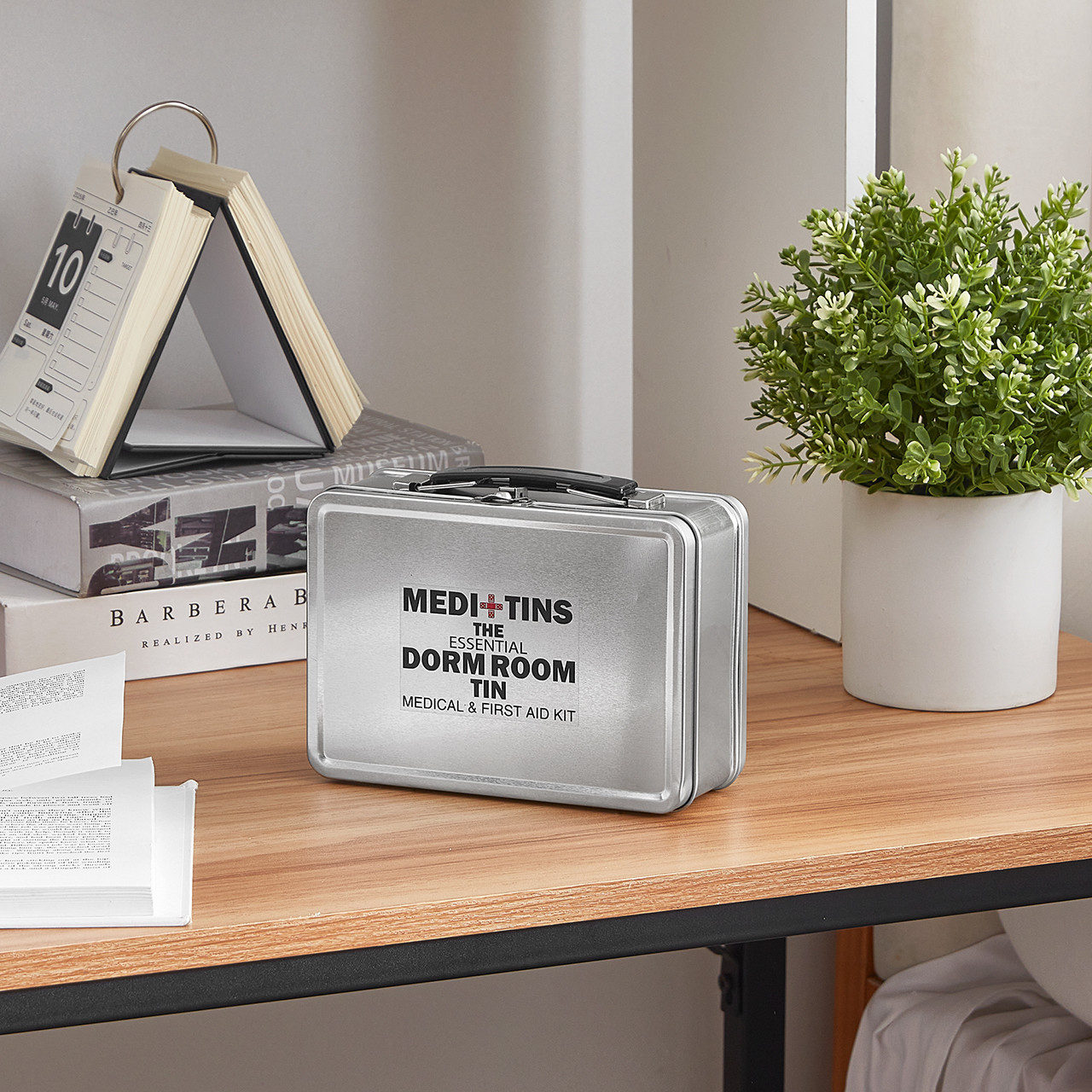
Your first aid kit needs a home that fits your lifestyle. Look for a container that’s small enough to carry in your backpack but big enough to hold all your essentials neatly. Hard cases protect supplies from damage, while soft pouches offer flexibility and easy access.
Think about compartments or dividers inside the container. They help you quickly find what you need during an emergency. Have you ever fumbled through a messy kit? A compact, organized case prevents that stress.
Regularly Checking Expiry Dates
Medicines and ointments lose their effectiveness over time. Checking expiry dates at least once every few months keeps your kit reliable. Mark your calendar or set a reminder on your phone to make this a habit.
Expired items can be harmful or useless, and you don’t want to find out when you’re injured. If you discover expired products, replace them immediately. This small step boosts your kit’s safety and your peace of mind.
Restocking Essentials
After each use, take a moment to restock your kit. Running low on bandages or painkillers can leave you unprepared for the next incident. Keep a checklist taped inside your kit to track what needs replenishing.
Consider adding extras based on your activities, such as allergy medication if you’re prone to reactions. How often do you check your supplies? Making restocking a routine helps you stay ready without last-minute scrambles.

Credit: www.amazon.com
Frequently Asked Questions
What Are The Must-have Items In A College First Aid Kit?
A college first aid kit must include bandages, antiseptic wipes, pain relievers, adhesive tape, and scissors. Also add allergy medication, thermometer, and instant cold packs for common emergencies. These essentials help treat minor injuries quickly and effectively on campus.
How Can A First Aid Kit Prevent College Injuries?
A well-stocked first aid kit allows prompt treatment of cuts, burns, and sprains. It reduces infection risk and manages pain immediately. Quick response with the right supplies prevents minor injuries from becoming serious health issues.
Where Should Students Keep Their First Aid Kits In College?
Students should keep their first aid kits in easily accessible places like dorm rooms, backpacks, or study areas. Having the kit nearby ensures quick access during emergencies and encourages regular use for minor injuries or health needs.
How Often Should College First Aid Kits Be Checked?
First aid kits should be checked monthly for expired or missing items. Regular inspection ensures supplies are fresh and complete. Keeping the kit updated guarantees readiness for any health situation on campus.
Conclusion
A well-stocked first aid kit keeps students safe and prepared. Basic supplies help treat small injuries fast. Having bandages, antiseptic wipes, and pain relievers is smart. It saves time and prevents infections. Everyone should know where their kit is kept.
Being ready for minor accidents gives peace of mind. Keep the kit updated and check it often. Safety matters, especially in busy college life. A simple kit can make a big difference. Stay safe, stay ready.

I’m Abby Lu, a passionate home cook who loves simplifying everyday meals. At PlugChef.com, I share product reviews and cooking guides to help you find the best tools for your kitchen.
Related posts:
 What Type of Cooking Utensils are Safe: Expert Picks
 What Innovations Could Blenders Make: Unleashing Future Tech
 Smart Strategies to Organize a Small Kitchen: Maximize Space
 How to Organize a Kitchen Cabinet: Expert Tips & Tricks
 How to Organize Kitchen Drawers: Expert Tips and Tricks
 How to Organize a Corner Kitchen Cupboard: Expert Tips

