
When it comes to safety, having the right first aid kit can make all the difference. But do you know exactly what your Class B first aid kit needs to include?
Whether you’re stocking a workplace, a vehicle, or a public space, meeting these requirements is crucial to keep you and others protected in an emergency. You’ll discover the essential items your Class B first aid kit must have and why each one matters.
Keep reading to make sure your kit is fully prepared for any situation that comes your way.
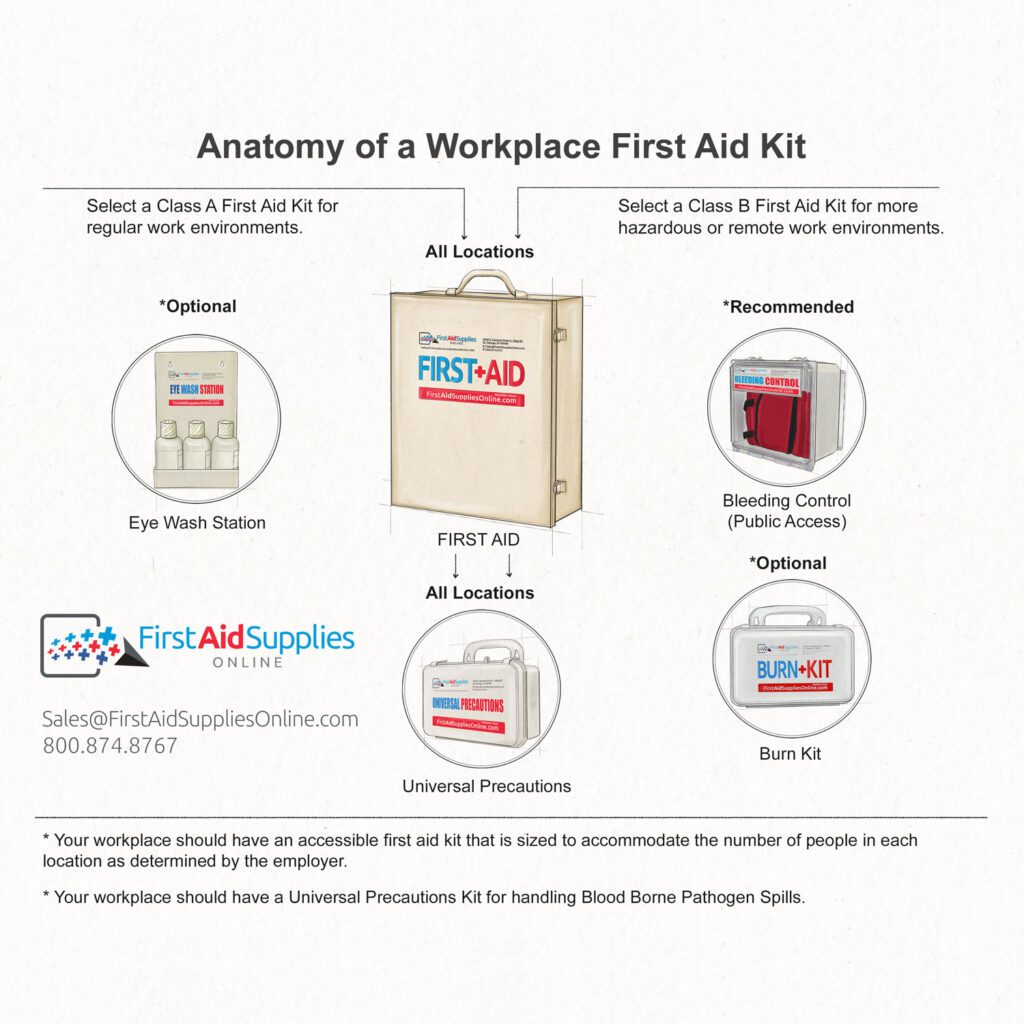
Credit: firstaidsuppliesonline.com
Class B Kit Basics
Understanding the essentials of a Class B First Aid Kit is crucial for anyone responsible for workplace safety. These kits are designed to address a broader range of injuries and illnesses that might occur in work environments with higher risks. Let’s dive into what makes up the core of a Class B Kit and why it’s indispensable for certain workplaces.
Definition And Purpose
A Class B First Aid Kit is a comprehensive collection of medical supplies tailored to environments with more significant hazards. It includes items like trauma pads, triangular bandages, and splints, which are not typically found in a basic first aid kit. The purpose is to ensure that you are prepared to handle more severe injuries promptly and efficiently.
Having a Class B Kit means you’re ready for anything from minor cuts to more serious accidents that require immediate attention. It equips you with the tools to manage the situation until professional medical help arrives. This preparation can make a significant difference in the outcome of workplace incidents.
Who Needs It
Think about your workplace environment. Does it involve heavy machinery, hazardous materials, or activities that increase the risk of injury? If yes, a Class B Kit is not just recommended; it’s necessary.
Industries such as manufacturing, construction, and warehousing typically require Class B Kits due to the nature of their operations. Even if you’re in a smaller business, if there are potential risks, having an appropriate kit ensures employee safety and compliance with safety regulations.
Consider this: Is your workplace equipped to handle emergencies effectively? Ensuring you have a Class B Kit can provide peace of mind and demonstrate a commitment to safety. It’s about taking proactive steps to safeguard your team.
Required Supplies
Having the right supplies in a Class B First Aid Kit can make a big difference during emergencies. These kits are designed for workplaces with moderate hazards, so their contents must cover a variety of injuries and situations. Knowing exactly what supplies are required helps you keep your kit ready and reliable.
Bandages And Dressings
Bandages and dressings are essential for controlling bleeding and protecting wounds. Your kit should include adhesive bandages in multiple sizes to cover small cuts and scrapes.
- Sterile gauze pads and rolls to cover larger wounds
- Elastic bandages for sprains and strains
- Non-stick dressings to prevent pain when changing bandages
Do you keep your supplies organized so you can quickly grab the right size? Quick access can reduce the risk of infection and speed up recovery.
Antiseptics And Ointments
Cleaning wounds properly is crucial to prevent infections. Include antiseptic wipes or solutions that kill bacteria effectively without irritating the skin.
- Antiseptic wipes or pads
- Antibiotic ointments to apply after cleaning wounds
- Burn creams for minor burns
Have you ever realized how skipping wound cleaning can complicate even a small injury? These simple supplies can make a huge difference in healing.
Tools And Equipment
Tools in your Class B First Aid Kit help you handle emergencies with ease and precision. Scissors, tweezers, and gloves are some must-have items.
- Safety scissors to cut bandages and clothing
- Tweezers for removing splinters or debris
- Disposable gloves to maintain hygiene and prevent contamination
- A CPR face shield or mask for safe resuscitation
- A thermometer to check for fever
Have you checked your tools lately? Dull scissors or missing gloves can slow down your response when every second counts.
Regulatory Standards
Regulatory standards set the foundation for what must be included in a Class B First Aid Kit. These standards ensure that kits are properly stocked to handle common workplace injuries effectively. Understanding these requirements helps you keep your workplace safe and compliant.
Osha Requirements
The Occupational Safety and Health Administration (OSHA) sets clear rules for first aid kits in the workplace. OSHA requires that kits be easily accessible and fully stocked to meet the types of injuries that might occur in your work environment. The contents must be appropriate for treating minor cuts, burns, and other common injuries.
OSHA’s guidelines don’t list every single item but refer to the American National Standards Institute (ANSI) for detailed content. For example, a Class B kit typically includes items like adhesive bandages, gauze pads, antiseptic wipes, and scissors. You should also regularly check and replenish your kit to avoid expired or missing supplies.
State And Local Variations
Besides OSHA, state and local regulations can add extra rules for first aid kits. Some states require more specific items depending on the industry or workplace size. It’s crucial to research your local laws to ensure your kit meets all regional requirements.
For instance, a construction site in California might need different supplies than an office in Texas. You might even find that your local health department recommends additional items like eye wash stations or burn dressings. Staying updated on these variations means you won’t be caught off guard during inspections or emergencies.
Credit: certifiedsafetymfg.com
Kit Maintenance
Keeping your Class B First Aid Kit in top shape is crucial for effective emergency response. Maintenance isn’t just about having items in the kit; it’s about ensuring every supply is ready to use when you need it most. Neglecting this can lead to expired products or missing essentials, which could cost valuable time during an emergency.
Inspection Frequency
Regular inspections are the backbone of kit maintenance. You should check your Class B First Aid Kit at least once every three months. This schedule helps catch expired items, damaged packaging, or supplies that have been used and not replaced.
Think about your last emergency—did you find everything you needed right away? If not, this simple routine could prevent that stress. Use a checklist during inspections to stay organized and ensure nothing is overlooked.
Restocking Guidelines
Restocking isn’t just about replacing what’s missing; it’s about ensuring every item meets the required standards. Replace expired medications and sterile supplies immediately. Keep extra gauze, bandages, antiseptics, and gloves on hand to refill the kit quickly after use.
Consider keeping a dedicated storage box for spare items. This makes restocking faster and reduces downtime. Also, check the kit’s contents against the latest Class B requirements regularly, as regulations can change and impact what you need to carry.
Placement And Accessibility
Proper placement and easy access to a Class B First Aid Kit can save precious time during emergencies. The kit must be within reach of all employees and visitors. Clear access helps prevent delays when quick action is needed. The right location ensures everyone knows where to find the kit without confusion.
Ideal Locations
- Near main work areas or production floors
- Close to entrances and exits for quick retrieval
- In common rooms or break areas
- Near high-risk zones like machinery or chemical storage
- Mounted at eye level for easy spotting
Keep the kit away from locked rooms or cluttered spaces. It should be easy to reach without obstacles.
Signage And Visibility
- Use clear, large signs above or near the kit
- Signs should have simple symbols and words
- Bright colors like red or green increase visibility
- Maintain signs regularly to avoid fading or damage
- Inform all staff about the kit’s location during safety training
Good signage guides people instantly to the kit. Visibility matters most during stressful moments.

Credit: www.amazon.com
Training And Usage
Proper training and usage of a Class B First Aid Kit ensure quick and effective response during emergencies. Employees must know how to use the supplies correctly to provide immediate care. Training helps reduce panic and increases confidence in handling injuries.
Clear instructions and hands-on practice improve readiness. Regular refreshers keep skills sharp and knowledge current. Understanding the kit’s contents allows faster access to needed items.
Employee Training Tips
- Explain the purpose of each item in the kit.
- Demonstrate how to use bandages, antiseptics, and tools.
- Practice basic first aid techniques with employees.
- Encourage questions to clear up confusion.
- Schedule regular training sessions to maintain skills.
- Use simple language and visual aids for better understanding.
Emergency Procedures
- Stay calm and assess the situation quickly.
- Call for professional help if needed immediately.
- Use the first aid kit items based on the injury type.
- Follow hygiene rules to avoid infections.
- Keep the injured person comfortable and still.
- Record the incident and treatment provided.
Frequently Asked Questions
What Is Included In A Class B First Aid Kit?
A Class B first aid kit contains supplies for treating moderate injuries. It includes bandages, antiseptics, burn care, eye wash, and gloves. These kits are designed for workplaces with moderate hazards. They ensure quick response to common injuries, promoting safety and compliance with regulations.
Who Needs A Class B First Aid Kit?
Class B first aid kits are required in workplaces with moderate risk of injury. Examples include construction sites, manufacturing plants, and warehouses. Employers must provide these kits to ensure employee safety. They help meet OSHA standards and reduce workplace injury impact.
How Often Should Class B First Aid Kits Be Inspected?
Class B first aid kits should be inspected monthly. Regular checks ensure all supplies are stocked and not expired. Inspections maintain kit readiness for emergencies. Employers must document inspections to comply with safety regulations and keep workers protected.
Can Class B First Aid Kits Treat Serious Injuries?
Class B kits are for moderate injuries, not serious emergencies. They provide basic care like wound cleaning and minor burn treatment. For severe injuries, professional medical help is necessary. These kits support initial response until advanced care arrives.
Conclusion
Class B first aid kits must meet specific rules to keep everyone safe. They include essential items for treating minor injuries quickly. Having the right supplies helps prevent infections and serious harm. Regularly checking and restocking the kit ensures it stays ready for use.
Knowing what a Class B kit requires saves time during emergencies. Stay prepared by understanding these important guidelines. Safety starts with the right first aid tools. Keep your workplace or vehicle equipped and ready at all times.

I’m Abby Lu, a passionate home cook who loves simplifying everyday meals. At PlugChef.com, I share product reviews and cooking guides to help you find the best tools for your kitchen.
Related posts:
 What Type of Cooking Utensils are Safe: Expert Picks
 What Innovations Could Blenders Make: Unleashing Future Tech
 Smart Strategies to Organize a Small Kitchen: Maximize Space
 How to Organize a Kitchen Cabinet: Expert Tips & Tricks
 How to Organize Kitchen Drawers: Expert Tips and Tricks
 How to Organize a Corner Kitchen Cupboard: Expert Tips