

When an emergency strikes, having the right first aid kit can make all the difference. Class A First Aid Kits are designed to help you handle common injuries quickly and effectively.
But how do you know if you have the right supplies for your needs? You’ll discover what makes a Class A First Aid Kit essential, what it includes, and why it should be a part of your home, car, or workplace.
Keep reading to make sure you’re truly prepared when it matters most.
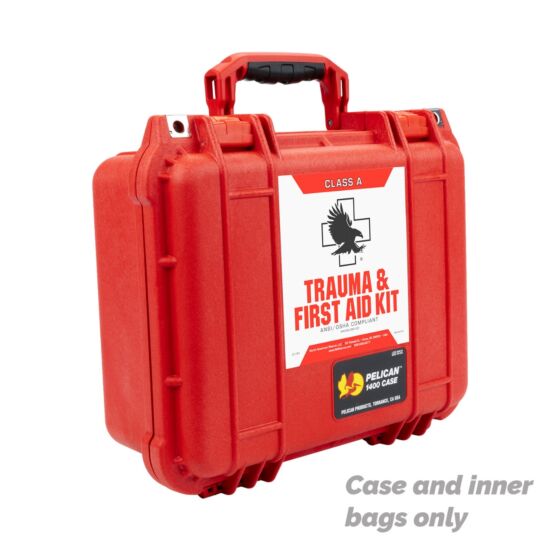
Credit: www.narescue.com
Importance Of First Aid Kits
First aid kits are more than just boxes with bandages. They are vital tools that can make a difference between a minor injury and a serious medical emergency. Having a Class A First Aid Kit ready ensures you can act quickly and confidently when accidents happen.
Workplace Safety Essentials
Your workplace should be a safe environment, but accidents still happen. A well-stocked Class A First Aid Kit provides immediate care for common injuries like cuts, burns, or sprains, reducing the risk of complications.
Think about the last time you saw a minor injury at work. Did someone have quick access to first aid supplies? If not, how could that situation have been handled better?
- Quick response limits injury severity
- Boosts employee confidence and morale
- Prevents minor injuries from turning serious
Legal Requirements And Standards
Many countries require businesses to have first aid kits that meet specific standards. Class A First Aid Kits comply with these regulations, ensuring your workplace stays within the law.
Ignoring these requirements can lead to fines or legal issues. More importantly, it puts people at risk when help is needed most.
| Standard | Requirement | Benefit |
|---|---|---|
| OSHA (USA) | Accessible and stocked first aid kits | Reduces workplace injury impact |
| HSE (UK) | Class A kits for low-risk environments | Ensures readiness for common injuries |
| ANSI/ISEA | Kit contents based on workplace risks | Customized protection for employees |
Are you sure your current first aid kit meets the legal requirements for your work environment? Taking a moment to check can save you from trouble and protect your team.

Credit: www.safetycompany.com
Class A Kits Explained
Class A First Aid Kits are designed to handle common workplace injuries and minor emergencies. They are a practical choice for many businesses and homes because they cover a broad range of everyday accidents. Understanding what makes a Class A kit unique can help you decide if it fits your safety needs.
Components And Contents
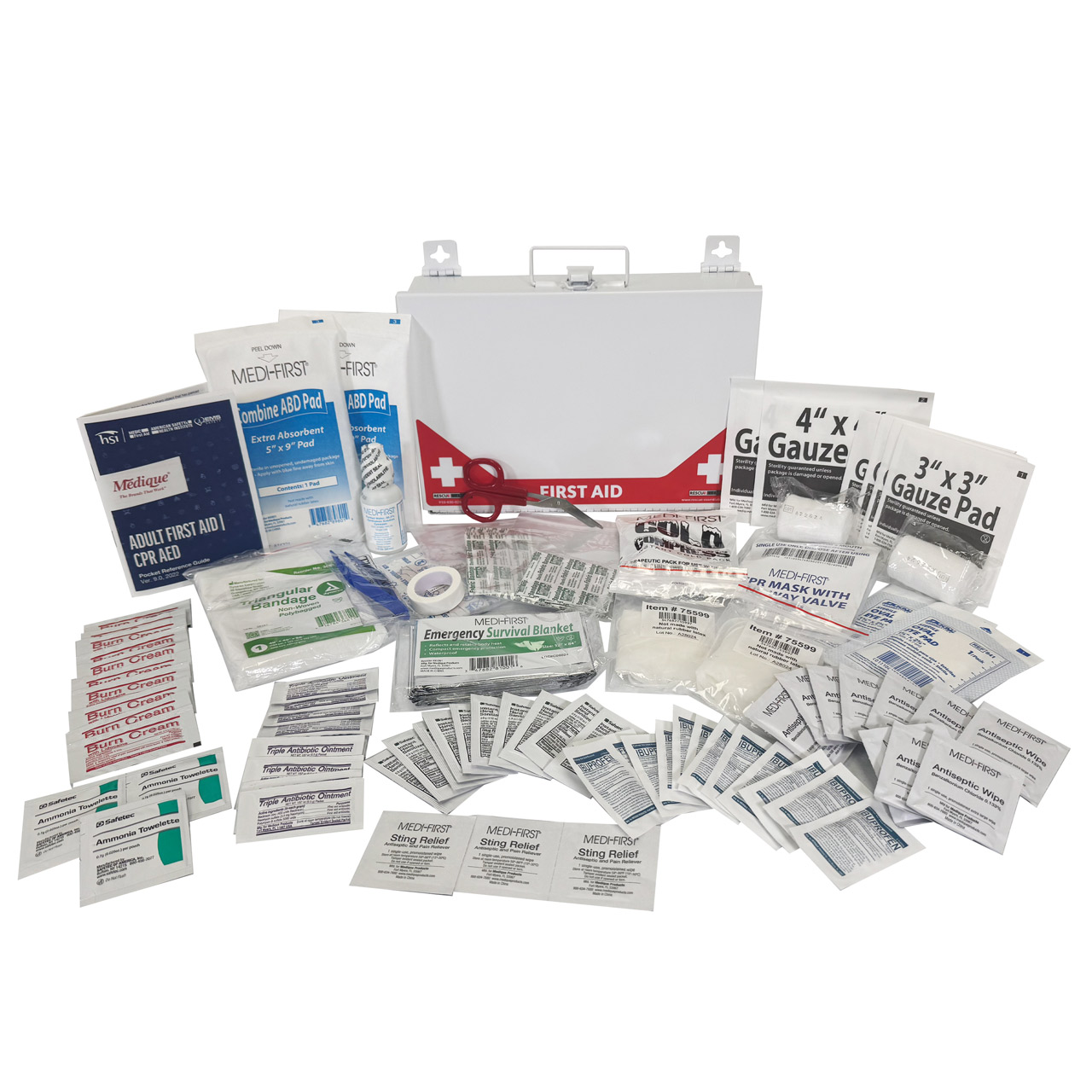
A Class A First Aid Kit includes supplies to treat minor cuts, scrapes, and burns. You’ll typically find:
- Adhesive bandages in various sizes
- Sterile gauze pads and adhesive tape
- Antiseptic wipes and antibiotic ointments
- Scissors, tweezers, and disposable gloves
- Burn cream and cold packs
- A CPR face shield or mask
These items are carefully selected to cover most basic injuries you might face daily. Having these at hand can reduce the time you spend searching for supplies during an emergency.
Differences From Other Classes
Class A kits focus on common, low-risk injuries and are suitable for offices and small businesses. In contrast, Class B kits contain more advanced supplies and are meant for environments with a higher risk of serious injury.
For example, Class B kits might include larger quantities of supplies or items like splints and burn dressings. If you work in a setting with heavy machinery or hazardous materials, a Class B kit may be more appropriate.
Have you considered the types of injuries most likely in your environment? Choosing the right class of kit ensures you’re prepared without overloading your space with unnecessary items.
Choosing The Right Kit
Choosing the right Class A First Aid Kit is more than picking a box with supplies. It’s about matching the kit to your environment and potential emergencies. The right kit can make a real difference when seconds count.
Factors To Consider
Start by looking at the size of your group or household. A kit for a small office won’t be enough for a construction site with dozens of workers.
Think about the types of injuries most likely to happen. Are you in a place where cuts and scrapes are common, or where burns and fractures might occur?
Also, check the kit’s compliance with local safety regulations. This ensures you’re covered legally and practically.
- Quantity of supplies:Enough bandages, antiseptics, and tools for your group size.
- Durability:A water-resistant or rugged case for outdoor or industrial use.
- Expiration dates:Regularly check and replace expired items to keep the kit ready.
Customizing For Specific Needs
Once you have the basics, think about what extra items might be needed. If someone in your group has allergies, adding an epinephrine injector is smart.
Consider the environment too. For example, if you work in a place with chemical risks, include appropriate neutralizers or extra eye wash solutions.
Adding a first aid manual or quick reference guide tailored to your kit’s contents can help anyone act quickly and correctly.
- Include pain relievers or specific medications if allowed and necessary.
- Add extra gloves and masks for hygiene and infection control.
- Think about including emergency contact numbers and instructions for common emergencies.
Have you reviewed your current kit lately? Adding personal touches can transform a basic box into a lifesaver designed just for you.
Maintenance And Accessibility
Keeping your Class A First Aid Kit in top shape and within easy reach is crucial. It’s not enough to just have one; you need to ensure it’s ready when you need it and easy to find. Neglecting maintenance and accessibility can turn a helpful kit into a useless box during emergencies.
Regular Inspections
Check your first aid kit regularly—at least once a month. Look for expired items, damaged packaging, or missing supplies. Replace anything that’s past its date or compromised.
Keep a checklist handy to track your inspections. This simple habit saves time and prevents panic when an injury happens. Have you ever opened a kit only to find key items missing? Avoid that frustration by staying on top of your kit’s condition.
Placement Strategies
Place your Class A First Aid Kit where it’s easy to spot and reach quickly. Common spots include kitchens, workshops, and near high-risk areas. Avoid hidden or locked locations unless everyone knows the access code.
Think about your space and daily routines. Is the kit visible to all family members or coworkers? Do you have multiple kits in different zones? Consider mounting the kit on a wall at eye level or using clear signage to guide people.
Training And Preparedness
Training and preparedness are key to using Class A First Aid Kits effectively. Proper knowledge helps employees act quickly and safely during emergencies. It reduces panic and improves outcomes. This section highlights essential steps to prepare your team.
Educating Employees
Training employees on first aid basics is vital. Teach them how to identify injuries and use the kit items properly. Focus on:
- Recognizing common wounds and burns
- Applying bandages and dressings correctly
- Understanding the kit contents and their uses
- Knowing when to seek professional medical help
Regular training sessions keep skills fresh and boost confidence. Hands-on practice helps employees remember important steps.
Emergency Response Protocols
Clear emergency protocols guide employees during accidents. Create simple, easy-to-follow plans. Include:
- Steps to assess the scene safely
- How to call for emergency services
- Assigning roles to team members
- Using the first aid kit without delay
- Reporting and documenting incidents
Practicing these protocols regularly ensures smooth response. Everyone knows what to do, reducing confusion and delays.
Credit: rescue-essentials.com
Benefits Of Class A Kits
Class A First Aid Kits offer more than just basic medical supplies. They serve as a vital resource in many workplaces, helping to quickly address injuries and prevent minor incidents from becoming major emergencies. Understanding their benefits can help you decide why having one on hand is essential for your safety strategy.
Reducing Workplace Accidents
Class A kits are designed to handle common injuries like cuts, scrapes, and minor burns, which occur frequently in many work environments. Having these kits readily available means you can treat injuries immediately, reducing the chance of complications or infections.
Think about a time when a small cut was treated right away and didn’t turn into a bigger problem. Quick access to the right supplies can prevent accidents from escalating, saving time and reducing lost work hours.
Could having a well-stocked kit be the difference between a minor hiccup and a serious workplace incident?
Enhancing Confidence In Safety
Knowing you have a Class A First Aid Kit nearby gives you and your team peace of mind. This confidence encourages everyone to stay calm and act efficiently during emergencies.
When employees see that safety is a priority, they tend to feel more secure and focused on their tasks. This can lead to a more productive and positive work environment.
Have you noticed how a simple safety measure can boost morale and encourage everyone to take responsibility for their own well-being?
Frequently Asked Questions
What Is Included In A Class A First Aid Kit?
A Class A First Aid Kit contains supplies for common workplace injuries. It typically includes bandages, antiseptic wipes, adhesive tape, gauze pads, scissors, and gloves. These kits focus on treating minor cuts, scrapes, and burns to ensure immediate care and prevent infection.
Where Are Class A First Aid Kits Commonly Used?
Class A First Aid Kits are used in low-risk workplaces like offices, retail stores, and schools. They are designed for environments with minimal hazards, providing essential supplies for minor injuries. These kits help meet basic safety regulations and ensure quick treatment.
How Often Should Class A First Aid Kits Be Checked?
Class A First Aid Kits should be inspected monthly. Regular checks ensure supplies are complete, unexpired, and clean. This practice guarantees readiness during emergencies and compliance with health and safety standards. Replace used or outdated items promptly.
Can A Class A First Aid Kit Treat Serious Injuries?
No, Class A First Aid Kits are for minor injuries only. They lack advanced medical supplies needed for serious wounds or emergencies. For severe injuries, seek professional medical help immediately or use a more comprehensive first aid kit.
Conclusion
Class A first aid kits provide essential tools for basic emergencies. Keep one at home, work, or in your car. These kits help treat minor cuts, burns, and scrapes quickly. Being prepared can reduce pain and prevent infections. Regularly check and refill your kit to stay ready.
Safety starts with small steps like having the right supplies nearby. Everyone benefits from quick access to first aid items. Stay safe and ready for everyday accidents.

I’m Abby Lu, a passionate home cook who loves simplifying everyday meals. At PlugChef.com, I share product reviews and cooking guides to help you find the best tools for your kitchen.
Related posts:
 What Type of Cooking Utensils are Safe: Expert Picks
 What Innovations Could Blenders Make: Unleashing Future Tech
 Smart Strategies to Organize a Small Kitchen: Maximize Space
 How to Organize a Kitchen Cabinet: Expert Tips & Tricks
 How to Organize Kitchen Drawers: Expert Tips and Tricks
 How to Organize a Corner Kitchen Cupboard: Expert Tips

