

Are you tired of your eggs sticking to the pan or cooking unevenly? Imagine flipping your eggs perfectly every time, with a golden, crispy edge and a soft, tender center.
Using a cast iron skillet for eggs can transform your breakfast experience. It’s not just about cooking; it’s about mastering a simple tool that brings out the best in your eggs. Keep reading, and you’ll discover how this kitchen essential can make your mornings easier, tastier, and more satisfying.
Benefits Of Cast Iron Skillets For Eggs
Cast iron skillets offer many benefits for cooking eggs. They help cook eggs evenly and create a great texture. These skillets develop a natural non-stick surface over time. They also last for many years, making them a smart choice in the kitchen.
Even Heat Distribution
Cast iron heats slowly but holds heat well. This helps eggs cook evenly without hot spots. Even heat prevents eggs from burning or sticking in some areas. It also allows gentle cooking, perfect for scrambled or fried eggs.
Natural Non-stick Surface
With use, cast iron skillets develop a smooth, natural coating. This seasoning acts like a non-stick surface without chemicals. Eggs slide easily off the pan, making cooking and cleaning simple. No need for extra oil or butter every time.
Durability And Longevity
Cast iron skillets are tough and built to last. They can handle high heat and rough use without damage. Proper care keeps them in good shape for decades. This long lifespan makes them a good investment for any kitchen.
Choosing The Right Cast Iron Skillet
Choosing the right cast iron skillet for eggs can change your cooking experience. The right skillet heats evenly and lasts a lifetime. It should fit your kitchen needs and be easy to use every day.
Ideal Size And Weight
Skillets come in many sizes. For eggs, a 8 to 10-inch skillet works best. It is big enough for several eggs but not too large to handle.
Weight matters too. A heavy skillet holds heat well but may be hard to lift. Choose a skillet that feels comfortable to hold and move.
Pre-seasoned Vs. Unseasoned
Pre-seasoned skillets are ready to use. They have a protective coating that prevents sticking. This saves time and effort.
Unseasoned skillets need seasoning before first use. This process builds a natural non-stick surface. It requires patience but offers more control over seasoning.
Handle And Maintenance Features
Check the handle design. A long handle helps with control and safety. Some skillets have helper handles for better grip.
Maintenance is simple with smooth surfaces. Avoid skillets with rough casting that traps food. Easy cleaning encourages regular use and keeps your skillet in good shape.
Preparing Your Skillet For Perfect Eggs
Heat the cast iron skillet slowly to avoid sticking. Lightly oil the surface before cracking eggs. This helps cook eggs evenly and keeps them from breaking.
Preparing your cast iron skillet for cooking eggs is a game-changer in the kitchen. A perfectly prepared skillet can elevate your egg-cooking experience from mundane to exceptional. Let’s dive into some essential tips to ensure your eggs come out flawless every time.Proper Seasoning Techniques
Seasoning your cast iron skillet is crucial for creating a non-stick surface and enhancing the flavor of your dishes. Start by thoroughly cleaning the skillet with warm water and a gentle scrub. Dry it completely, then apply a thin layer of vegetable oil or melted shortening across the entire surface. Place the skillet upside down in a preheated oven at 375°F (190°C) for about an hour. This process allows the oil to polymerize, forming a natural non-stick layer. Repeat this process periodically to maintain the seasoning.Preheating Tips
Preheating your skillet is a step you should never skip. A hot skillet ensures even cooking and prevents eggs from sticking. Place your cast iron skillet on the stove over medium heat for about five minutes. To test if it’s ready, sprinkle a few drops of water on the surface. If they sizzle and evaporate quickly, you’re good to go. A well-preheated skillet is your secret weapon for perfectly cooked eggs.Using The Right Oils And Fats
Choosing the right oil or fat can make all the difference in achieving that perfect egg. Opt for oils with high smoke points like avocado oil, grapeseed oil, or clarified butter. These oils withstand high heat without breaking down, ensuring your eggs cook evenly. Add just enough to coat the bottom of the skillet lightly. Too much oil can lead to greasy eggs, while too little might cause them to stick. Experiment with different fats to discover your favorite flavor combination.
Credit: food52.com
Cooking Crispy Eggs In A Cast Iron Skillet
Cooking eggs in a cast iron skillet offers a unique chance to achieve that perfect crispy edge while keeping the yolk tender. The skillet’s ability to hold and distribute heat evenly makes it ideal for this task. However, mastering crispy eggs requires attention to temperature, technique, and care to prevent sticking.
Temperature Control
Getting the temperature right is key to crispy eggs in your cast iron skillet. Too hot, and the eggs burn quickly; too low, and they turn rubbery without crispiness. Aim for medium-low heat to allow the skillet to heat evenly and slowly build that golden crust.
A tip I learned the hard way is to preheat the skillet for a few minutes and then reduce the heat slightly before adding eggs. This avoids sudden temperature spikes that can overcook the edges.
Techniques For Crispy Edges
To achieve those coveted crispy edges, add a generous amount of oil or butter before cracking the eggs. The fat helps create a barrier and promotes even browning.
- Use enough fat to coat the skillet surface well.
- Don’t rush to flip; let the edges set and brown naturally.
- Consider gently tilting the pan to pool the fat around the edges.
Have you noticed how eggs cooked slowly develop more flavor and texture? That slow crisping is what turns ordinary eggs into a breakfast highlight.
Avoiding Sticking
Sticking is the biggest frustration when cooking eggs in cast iron. Proper seasoning of your skillet plays a huge role here. A well-seasoned pan creates a natural non-stick surface that improves with use.
Before cooking, always heat the skillet fully and add enough fat. Avoid moving the eggs too soon; let them form a crust first. If they resist lifting, give them a little more time.
Have you tried wiping the skillet with a paper towel dipped in oil after each use? It helps maintain the seasoning and prevents future sticking problems.
Making Fluffy Scrambled Eggs
Making fluffy scrambled eggs in a cast iron skillet is simple and rewarding. The skillet’s even heat helps cook eggs gently, preventing dryness. Soft, creamy eggs come from careful preparation and cooking.
Beating And Mixing Tips
Beat eggs until the yolks and whites blend completely. This adds air, making eggs light and fluffy. Use a fork or whisk with quick, circular motions.
Mix in a pinch of salt before cooking. Salt breaks down egg proteins, improving texture. Avoid overmixing; just enough to combine ingredients well.
Low And Slow Cooking Method
Heat the cast iron skillet on low to medium-low heat. Pour in beaten eggs and let them sit briefly. Stir gently and slowly with a spatula to form soft curds.
Cook eggs slowly to keep moisture inside. Patience prevents tough or rubbery eggs. Remove from heat just before fully set.
Adding Creamy Ingredients
Add a splash of milk, cream, or sour cream to the eggs before cooking. These ingredients make eggs richer and creamier. Use about one tablespoon per two eggs.
Stir in cheese or butter for extra smoothness. These fats enhance flavor and add silkiness to scrambled eggs.
Credit: www.youtube.com
Cleaning And Caring For Your Skillet
Caring for your cast iron skillet properly ensures it stays in great shape and keeps cooking eggs perfectly every time. Cleaning and maintenance might seem tricky, but with the right steps, your skillet can last for decades. Let’s look at how to clean it safely, re-season it when needed, and store it to avoid rust.
Safe Cleaning Practices
After cooking eggs, avoid using soap or harsh detergents—they can strip away the skillet’s seasoning. Instead, rinse your skillet with hot water while it’s still warm and use a non-metal brush or sponge to remove stuck-on bits.
If food is really stuck, sprinkle coarse salt inside and scrub gently; this acts like a natural abrasive without damaging the surface. Dry your skillet thoroughly with a towel or by warming it on the stove to prevent moisture buildup.
Re-seasoning After Use
Seasoning creates a natural non-stick surface and protects your skillet from rust. If you notice food sticking or dull spots, it’s time to re-season your pan.
Simply apply a thin layer of cooking oil (like vegetable or flaxseed oil) all over the skillet, inside and out. Heat it in the oven at 375°F (190°C) for about an hour, then let it cool completely before storing.
Storage Tips To Prevent Rust
Rust is the enemy of cast iron, but easy to prevent with proper storage. Always make sure your skillet is completely dry before putting it away.
- Store it in a dry place, away from moisture and humidity.
- Place a paper towel inside the skillet to absorb any lingering moisture.
- Keep the lid off or slightly ajar to allow air circulation.
Have you noticed rust forming despite careful cleaning? It’s a sign to pay closer attention to drying and storage habits. Your skillet’s longevity depends on these simple daily actions.
Recipe Ideas Using Cast Iron Skillet Eggs
Using a cast iron skillet to cook eggs opens up a world of delicious possibilities. The even heat distribution and natural non-stick qualities of cast iron make your eggs cook perfectly every time. Whether you want a simple breakfast or a flavorful dish, your skillet can handle it all with ease.
Classic Fried Eggs
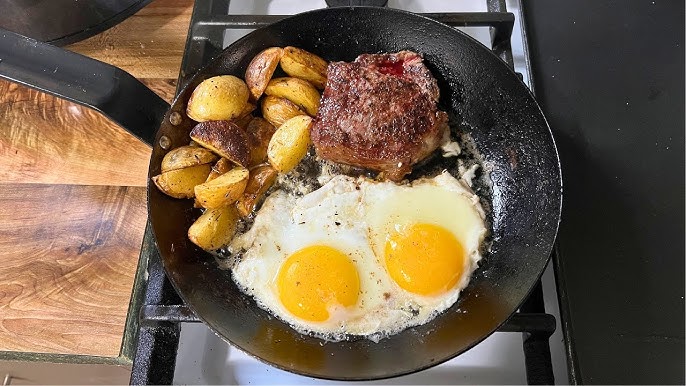
Fried eggs in a cast iron skillet come out beautifully crisp on the edges and tender in the yolk. Heat your skillet on medium-low, add a bit of butter or oil, and crack the eggs gently. Cooking slowly helps you get that perfect runny yolk without burning the whites.
Have you tried seasoning your skillet with a touch of garlic or herbs before frying? It adds a subtle aroma that makes your breakfast stand out. Plus, cleaning up is easier since the eggs won’t stick.
Skillet Omelets
A cast iron skillet is ideal for making fluffy, evenly cooked omelets. You can sauté vegetables, cheese, and meats right in the skillet before pouring in the beaten eggs. The heat retention allows you to fold your omelet without worrying about uneven cooking.
Want to impress your family? Try adding fresh herbs or a sprinkle of smoked paprika for a twist. It’s a simple way to boost flavor without extra effort. Your skillet helps create a meal that’s both nutritious and satisfying.
Shakshuka And More
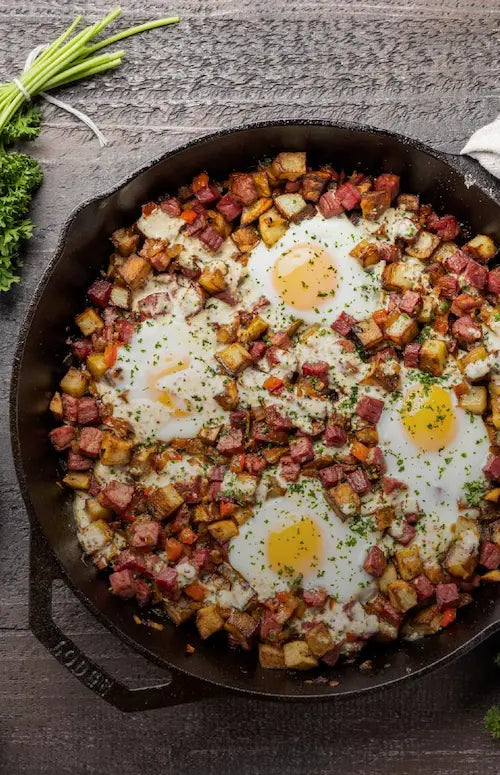
Shakshuka, a dish of eggs poached in a spiced tomato sauce, shines when made in a cast iron skillet. The pan holds heat well, so the sauce simmers gently and the eggs cook perfectly on top. You can add peppers, onions, and spices to customize the dish to your taste.
Why stop at shakshuka? Use your skillet to make baked eggs with spinach and cheese, or even a hearty breakfast casserole. The versatility of cast iron lets you experiment with recipes that bring new flavors to your table every morning.
Credit: www.lodgecastiron.com
Frequently Asked Questions
How Do You Cook Eggs In A Cast Iron Skillet?
Preheat the cast iron skillet on medium heat. Add oil or butter to prevent sticking. Crack eggs and cook until whites set and yolks reach desired consistency.
Why Use Cast Iron Skillets For Eggs?
Cast iron skillets provide even heat distribution, preventing hot spots. They develop a natural non-stick surface when properly seasoned, enhancing egg cooking and flavor.
How To Prevent Eggs From Sticking To Cast Iron?
Ensure the skillet is well-seasoned and preheated. Use enough oil or butter before adding eggs. Cook eggs on medium-low heat for best results.
Can I Cook Scrambled Eggs In Cast Iron Skillets?
Yes, cast iron skillets are perfect for scrambled eggs. Use low to medium heat and stir gently to avoid sticking and ensure creamy texture.
Conclusion
Cast iron skillets cook eggs evenly and hold heat well. They add a nice flavor and crisp texture. With proper care, they last for many years. Cleaning is simple with gentle scrubbing and oiling. Using a cast iron skillet can make breakfast more enjoyable.
Try it for your next egg dish. You might like the difference it brings to your cooking. Easy to use, easy to clean, and very durable. A good choice for anyone who loves eggs.

I’m Abby Lu, a passionate home cook who loves simplifying everyday meals. At PlugChef.com, I share product reviews and cooking guides to help you find the best tools for your kitchen.
Related posts:
 What Type of Cooking Utensils are Safe: Expert Picks
 What Innovations Could Blenders Make: Unleashing Future Tech
 Smart Strategies to Organize a Small Kitchen: Maximize Space
 How to Organize a Kitchen Cabinet: Expert Tips & Tricks
 How to Organize Kitchen Drawers: Expert Tips and Tricks
 How to Organize a Corner Kitchen Cupboard: Expert Tips

