

Have you ever made a delicious batch of homemade gravy and wondered if you could save some for later? Freezing your homemade gravy might seem tricky, but it can actually be a great way to cut down on cooking time and reduce food waste.
If you’re curious about how to freeze gravy properly without losing its rich flavor or smooth texture, you’re in the right place. Keep reading to discover simple tips that will help you enjoy your gravy again and again, straight from the freezer to your plate.
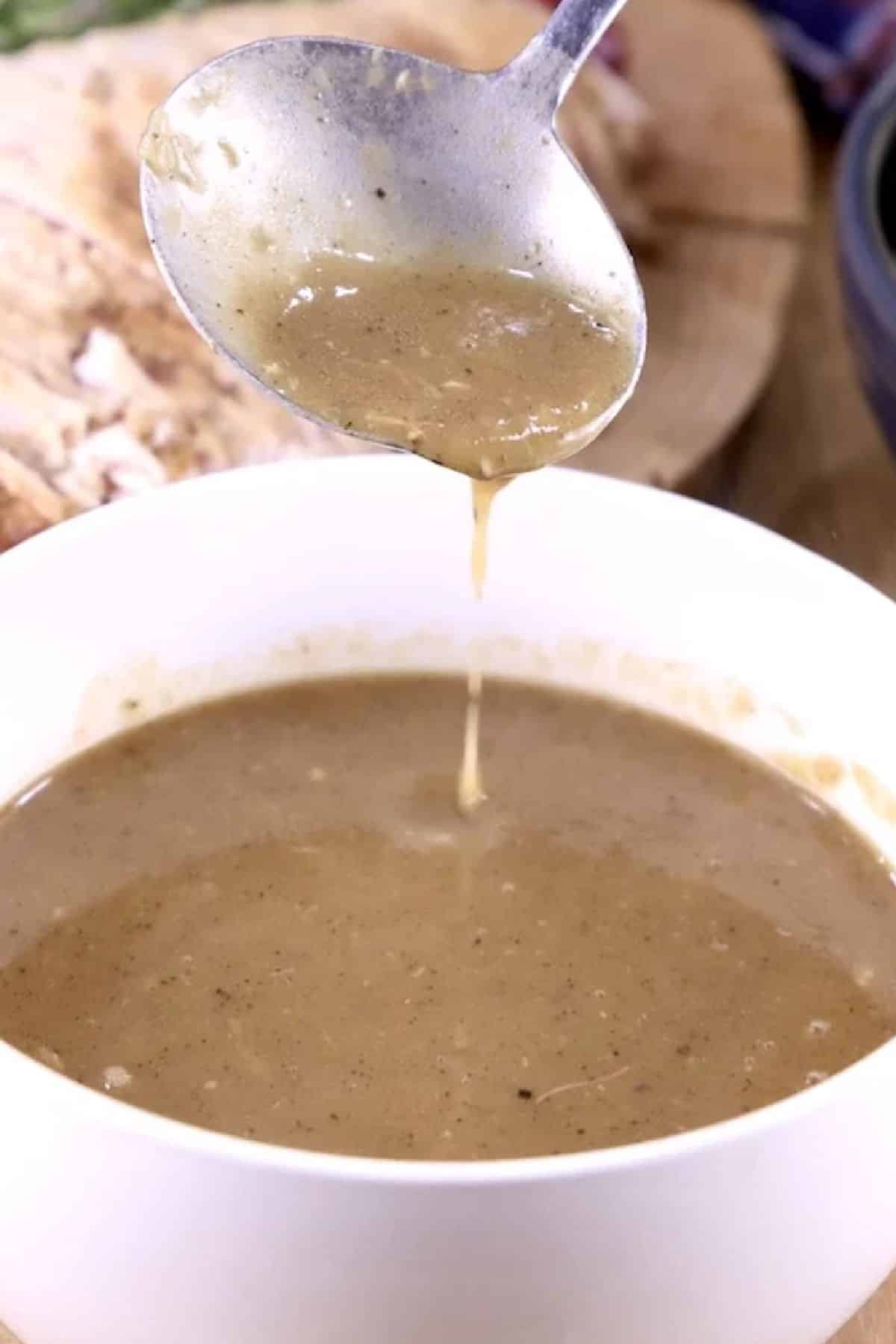
Credit: www.missinthekitchen.com
Freezing Basics For Gravy
Freezing homemade gravy is a great way to save time and reduce food waste. But not all gravies freeze equally well, and how you store them matters a lot. Understanding the basics of freezing gravy can help you enjoy your favorite sauces without sacrificing flavor or texture.
Types Of Gravy Suitable For Freezing
Gravies made from meat drippings, like turkey or beef gravy, usually freeze well because their fat content helps preserve texture. Cream-based gravies can be tricky since they might separate or become grainy after freezing. However, gravies thickened with flour or cornstarch tend to hold up better in the freezer.
Have you noticed a difference in texture when thawing cream-based sauces? Try adding a splash of fresh cream or milk during reheating to bring back the smoothness.
Ideal Containers For Freezing
Choosing the right container prevents freezer burn and keeps your gravy tasting fresh. Use airtight containers or heavy-duty freezer bags for best results. If using bags, squeeze out as much air as possible before sealing to avoid ice crystals.
Label your containers with the date and type of gravy to keep track easily. Small portions freeze better and thaw faster, so consider dividing large batches into single-use sizes.
Freezing Duration And Safety
Gravy typically stays good in the freezer for up to 3 months without losing quality. Beyond that, flavor and texture may decline, although it usually remains safe to eat. Always cool your gravy completely before freezing to prevent bacterial growth.
When reheating, bring the gravy to a rolling boil to ensure safety and revive its original consistency. Have you ever skipped this step and ended up with a bland or uneven sauce? Heating thoroughly is key to a delicious result.
Steps To Freeze Homemade Gravy
Freezing homemade gravy keeps it fresh and ready for future meals. Proper freezing preserves taste and texture. Follow simple steps to freeze your gravy safely and easily.
Cooling Gravy Before Freezing
Allow the gravy to cool at room temperature. Stir occasionally to help it cool faster. Avoid leaving it out longer than two hours. Hot gravy can raise freezer temperature and affect other foods.
Portioning And Packaging Tips
Divide the gravy into small, usable portions. Use airtight containers or freezer-safe bags. Leave space for gravy to expand as it freezes. Flatten bags to save freezer space and speed up thawing.
Labeling For Easy Identification
Write the date and type of gravy on each package. Use a permanent marker or printable labels. Clear labeling helps track freshness and avoids confusion. Keep labels visible for quick access.
Thawing Frozen Gravy
Freezing homemade gravy is easy and keeps it fresh for later use. Thaw frozen gravy slowly in the fridge overnight for best results. Reheat gently on the stove, stirring often to restore smooth texture.
Thawing frozen gravy can be simple with the right techniques. Proper thawing ensures the gravy remains tasty and smooth. It’s crucial to maintain texture and flavor. Let’s explore the best methods for thawing frozen gravy.Best Methods To Thaw
There are several ways to thaw gravy safely.- Refrigerator: Place the frozen gravy in the fridge overnight. This slow method keeps the texture intact.
- Cold Water Bath: Submerge the sealed gravy bag in cold water. Change the water every 30 minutes.
- Microwave: Use the defrost setting. Stir frequently to distribute heat evenly.
Avoiding Texture Changes
Preserve the original texture while thawing.- Stir gently as the gravy thaws. This prevents lump formation.
- Avoid rapid heating. It can cause separation or curdling.
- Do not thaw on the countertop. This can lead to uneven texture.
Reheating Tips
Reheating thawed gravy requires care.- Heat on low in a saucepan. Stir constantly to avoid sticking.
- Add a splash of broth if the gravy is too thick.
- Use a whisk to blend back any separated ingredients.

Credit: www.youtube.com
Maintaining Flavor And Texture
Freezing homemade gravy is a smart way to save time and reduce waste. However, keeping its flavor and texture intact after freezing can be tricky. The key lies in understanding which ingredients handle freezing well and how to adjust the gravy once thawed.
Ingredients That Freeze Well
Gravy made primarily with broth or stock freezes better than those thickened with flour or cornstarch alone. Ingredients like roasted meat drippings, herbs, and basic seasonings hold up nicely in the freezer. Avoid adding dairy like cream or milk before freezing, as these can separate and change texture when thawed.
- Use broth-based gravies for better freeze-thaw results.
- Fresh herbs might lose potency; consider adding fresh herbs after thawing.
- Avoid freezing gravies with dairy; add cream or milk after reheating.
Adjustments After Thawing
After thawing, your gravy might look thinner or separate slightly. Whisk it vigorously over low heat to bring it back together. If it’s too thin, you can thicken it by mixing a small amount of flour or cornstarch with cold water and stirring it in gradually.
Do you notice a dull flavor after thawing? Try brightening it with a splash of soy sauce, Worcestershire sauce, or fresh herbs. This simple step can revive the taste and make your gravy feel freshly made again.
Common Mistakes To Avoid
- Freezing gravy too hot—always cool it completely before freezing to avoid texture issues.
- Not storing it in airtight containers, which leads to freezer burn and off-flavors.
- Re-freezing thawed gravy, which can cause further breakdown of texture.
- Adding thickening agents before freezing instead of after thawing.
Have you ever frozen gravy only to find it watery and bland later? Avoid these mistakes to keep your homemade gravy tasting just as good as when you first made it.
Alternative Preservation Methods
Preserving homemade gravy without freezing is a smart move if you want to maintain its fresh taste and texture. Freezing can sometimes change the consistency, but alternative methods let you enjoy your gravy with minimal effort and maximum flavor retention. Let’s look at some practical ways to keep your gravy fresh and ready to serve.
Refrigeration Tips
Store your homemade gravy in an airtight container to prevent it from absorbing other fridge odors. Keep it in the coldest part of your refrigerator, usually the back shelf, to slow bacterial growth. Use the gravy within 3 to 4 days to enjoy the best flavor and avoid spoilage.
When reheating, do it gently on the stove or in short bursts in the microwave to prevent it from separating. Stir often to keep the texture smooth. Have you noticed how some gravies thicken or thin out after sitting? Proper refrigeration helps minimize that.
Vacuum Sealing Benefits
Vacuum sealing removes air, which slows down oxidation and bacterial growth. This method extends the gravy’s shelf life in the fridge beyond typical refrigeration times. It also locks in the rich aroma and taste, so your gravy stays as close to freshly made as possible.
If you have a vacuum sealer, try sealing small portions. This way, you open only what you need without exposing the rest to air. Ever opened a container and found your gravy tasted off? Vacuum sealing can help avoid that problem entirely.
Using Ice Cube Trays For Portions
Pour your gravy into ice cube trays for easy, single-use portions. Once frozen, transfer the cubes to a freezer bag or container for quick access. This method makes it simple to thaw just the right amount without waste.
Need a quick gravy boost for a meal? Pop a few cubes into a pan and warm them up slowly. Have you tried this trick with other sauces? It’s a game changer for meal prep and portion control.
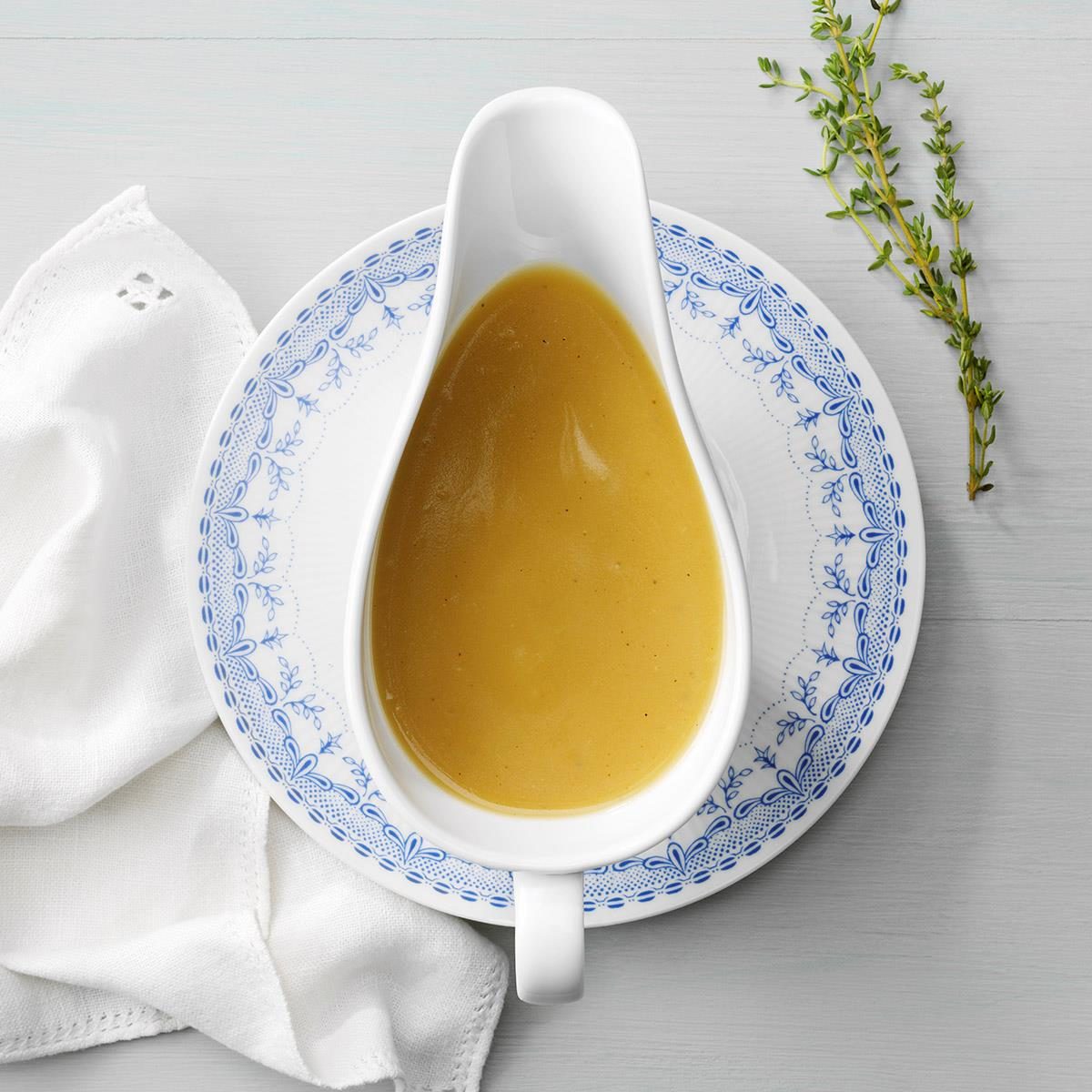
Credit: www.tasteofhome.com
Frequently Asked Questions
Can Homemade Gravy Be Frozen Safely?
Yes, homemade gravy can be frozen safely. Cool it completely, store in airtight containers, and freeze up to 3 months. Thaw in the fridge before reheating for best results.
How Do I Freeze Homemade Gravy Properly?
To freeze gravy, cool it fully, pour into freezer-safe containers, and leave space for expansion. Seal tightly and label with the date. Freeze for up to 3 months.
Will Freezing Change The Texture Of Homemade Gravy?
Freezing may slightly change gravy texture, causing separation or graininess. Whisk or blend after reheating to restore smoothness. Proper storage minimizes texture changes.
How Long Can Homemade Gravy Stay Frozen?
Homemade gravy stays good in the freezer for about 3 months. Beyond this, flavor and texture may degrade. Always label containers with freezing date.
Conclusion
Freezing homemade gravy works well if done right. Cool the gravy completely before freezing. Use airtight containers or freezer bags to keep it fresh. Thaw the gravy slowly in the fridge. Reheat gently and stir often to avoid lumps. Homemade gravy keeps its taste and texture when frozen properly.
This saves time and reduces food waste. Keep these tips in mind for delicious gravy anytime. Simple, easy, and convenient.

I’m Abby Lu, a passionate home cook who loves simplifying everyday meals. At PlugChef.com, I share product reviews and cooking guides to help you find the best tools for your kitchen.
Related posts:
 What Type of Cooking Utensils are Safe: Expert Picks
 What Innovations Could Blenders Make: Unleashing Future Tech
 Smart Strategies to Organize a Small Kitchen: Maximize Space
 How to Organize a Kitchen Cabinet: Expert Tips & Tricks
 How to Organize Kitchen Drawers: Expert Tips and Tricks
 How to Organize a Corner Kitchen Cupboard: Expert Tips

