
Have you ever made a big batch of brown gravy and wondered if you could save some for later? Freezing brown gravy might seem tricky, but it can actually be a great way to cut down on cooking time and reduce food waste.
If you’re unsure whether your delicious gravy will hold up in the freezer or if it will lose its flavor and texture, you’re not alone. Keep reading, and you’ll discover simple tips to freeze your brown gravy perfectly and enjoy it anytime without compromising taste.
Your next meal just got a whole lot easier!
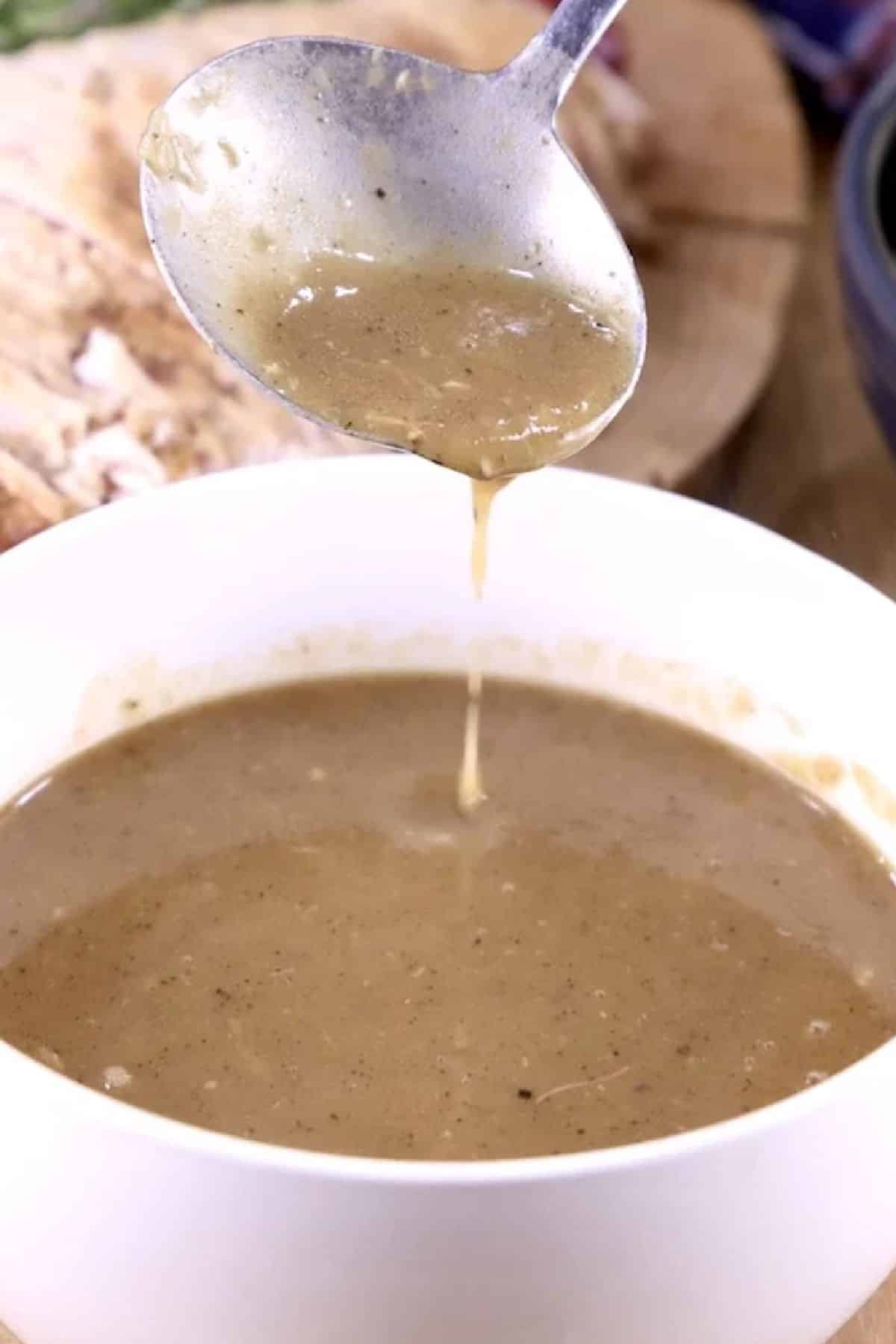
Credit: www.missinthekitchen.com
Freezing Brown Gravy Safely
Freezing brown gravy can be a real time-saver, especially when you want to enjoy homemade flavors without the hassle of making it fresh every time. However, freezing it safely ensures that the taste and texture stay just right. Let’s look at how you can prepare your brown gravy for the freezer with simple yet effective steps.
Best Containers For Freezing
Choosing the right container is key to preserving the quality of your brown gravy. Use airtight containers or heavy-duty freezer bags to prevent freezer burn and keep out unwanted odors.
- Glass jars with tight lids work well but leave some space for expansion.
- Plastic containers with snap-on lids are lightweight and stack easily.
- Freezer bags save space and allow you to flatten the gravy for quicker thawing.
Have you ever had gravy that tasted off after freezing? The wrong container might be the culprit.
Cooling Before Freezing
Never freeze brown gravy while it’s still hot. Hot gravy can raise the freezer’s temperature, risking other food’s safety and causing uneven freezing.
Let your gravy cool to room temperature first. You can speed this up by placing the pot in an ice bath or dividing the gravy into smaller bowls.
Think about how much time you save by avoiding freezer mishaps caused by warm containers.
Portion Sizes To Freeze
Freezing gravy in portion sizes that suit your needs makes reheating easier and reduces waste. Consider how much gravy you typically use in one meal.
- Small containers or bags holding ½ to 1 cup work well for individual servings.
- Larger portions can be frozen if you’re planning for family-sized meals.
Freezing in meal-sized portions helps you reheat only what you need, keeping the rest fresh for later. How much gravy do you usually pour on your plate?
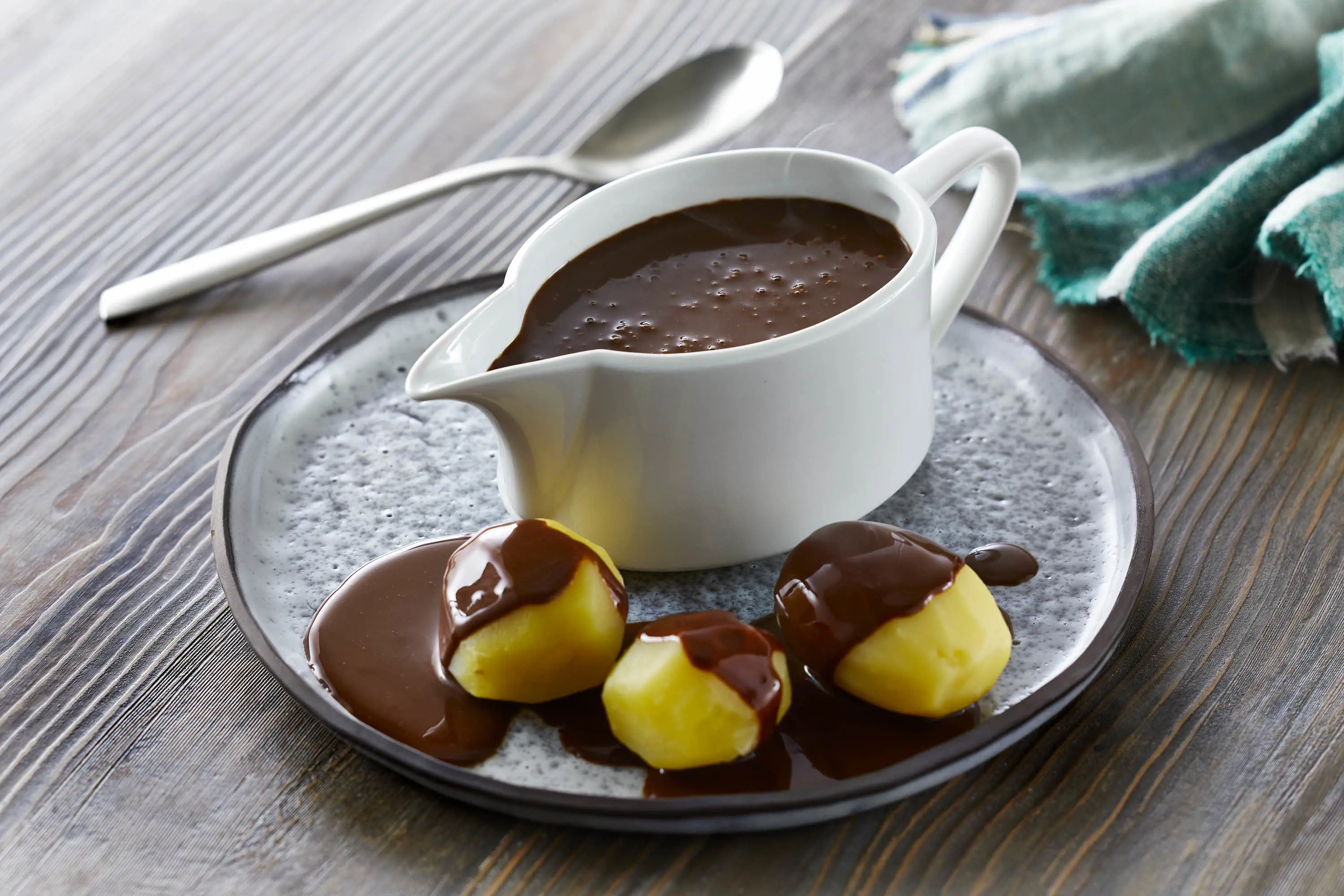
Credit: www.arlafoods.co.uk
Thawing Frozen Brown Gravy
Thawing frozen brown gravy properly can make all the difference in taste and texture. If you rush the process or use the wrong technique, your gravy might separate or become grainy. Knowing how to thaw it the right way ensures your gravy stays smooth and flavorful, just like fresh.
Slow Thawing Methods
Slow thawing is the safest way to preserve the texture of brown gravy. The best approach is to transfer your frozen gravy from the freezer to the refrigerator and let it thaw overnight. This gentle thawing keeps the gravy’s consistency intact and prevents sudden temperature changes that cause separation.
If you plan ahead, slow thawing is ideal. It requires minimal effort and keeps your gravy ready to reheat without losing its rich flavor. Have you ever noticed how a slow defrosted soup tastes better? The same principle applies here.
Quick Thawing Tips
Sometimes, you need your gravy ready fast. Placing the frozen gravy container in a bowl of cold water can speed up thawing without overheating. Change the water every 20-30 minutes to keep it cold and safe.
Another quick method is microwaving on a low power setting. Stir the gravy every 30 seconds to distribute heat evenly. This prevents hot spots that can cause curdling or uneven texture. Just be careful not to overheat it, or you might end up with a lumpy mess.
Avoiding Texture Changes
Texture changes like graininess or separation happen when gravy thaws too quickly or heats unevenly. To avoid this, always stir your gravy gently while reheating. Adding a little bit of broth or water during reheating can help bring back its creamy consistency.
Have you ever stirred cold gravy and watched it break apart? That’s why slow and steady reheating is key. Avoid high heat and rapid temperature swings to keep your gravy luscious and smooth every time you thaw and serve it.
Reheating Tips For Best Flavor
Brown gravy freezes well and keeps its flavor if stored properly. Reheat gently on low heat to avoid burning or separating. Stir often to maintain smooth texture and rich taste.
Reheating Tips for Best Flavor Freezing brown gravy is a great way to save leftovers. Reheating it right ensures it tastes fresh and delicious. Follow these simple tips to bring your gravy back to life.Stove Top Reheating
Reheat gravy on the stove for a rich taste. Use a small saucepan for even heating. Set the burner to medium-low heat. Stir the gravy constantly to avoid lumps. Cook until hot but not boiling. This preserves the flavor and texture.Microwave Techniques
Microwaving is quick and convenient. Use a microwave-safe bowl for safety. Cover it with a microwave lid or plastic wrap. Heat the gravy in short bursts, around 30 seconds each. Stir between intervals for even warmth. Check that it’s heated through before serving.Adjusting Consistency After Reheating
Gravy can thicken in the fridge. Thin it with a splash of broth or water. Stir well to incorporate the liquid. If too thin, simmer it on the stove to thicken. Adjust the seasoning to enhance the flavor. Taste and add salt or pepper if needed.Common Mistakes To Avoid
Freezing brown gravy can save time and reduce waste. Still, some common mistakes can spoil its texture and taste. Avoid these errors to keep your gravy fresh and delicious after freezing.
Freezing While Hot
Putting hot gravy directly into the freezer causes uneven cooling. This can make ice crystals form, ruining the smooth texture. Let the gravy cool to room temperature before freezing. Cooling prevents freezer burn and keeps the flavor intact.
Using Improper Containers
Using containers that are not airtight lets air enter. Air causes freezer burn and changes the gravy’s taste. Choose containers made for freezing. Use plastic or glass containers with tight lids. Avoid thin plastic bags that can tear easily.
Refreezing Thawed Gravy
Refreezing gravy after it thaws breaks down its quality. The texture becomes watery or grainy. The flavor weakens too. Only freeze gravy once. Store leftovers in the fridge and use them within a few days.
Shelf Life Of Frozen Brown Gravy
Freezing brown gravy is a smart way to save leftovers and reduce waste. Knowing its shelf life in the freezer helps keep it safe and tasty. Proper storage extends the gravy’s usability and preserves its flavor.
How Long To Store
Brown gravy stays good in the freezer for about 3 to 4 months. Storing it longer can affect taste and texture. Use airtight containers or freezer bags to prevent freezer burn. Label the container with the freezing date for easy tracking.
Signs Of Spoilage
Look for changes in color or texture. If the gravy has an off smell, discard it immediately. Ice crystals or freezer burn spots can mean quality loss. A sour or strange taste is a clear sign to throw it away.
Enhancing Flavor After Freezing
Freezing brown gravy can dull its flavor and texture slightly. Enhancing the taste after thawing brings it back to life. Simple steps can refresh the gravy and make it taste freshly made again.
Adding Fresh Herbs
Fresh herbs add bright, natural flavors to thawed gravy. Parsley, thyme, or rosemary work well. Chop the herbs finely and stir them in after reheating. This adds a fresh aroma and a burst of flavor that frozen gravy often lacks.
Adjusting Seasonings
Seasonings may weaken during freezing. Taste the gravy and adjust salt and pepper as needed. A pinch of garlic powder or onion powder can improve flavor. Small changes help restore the rich, savory taste of the gravy.
Using Broth For Thinning
Gravy can thicken or separate after freezing. Use broth to thin it gently while reheating. Chicken, beef, or vegetable broth works best. Add a little at a time and stir until the desired texture returns.

Credit: easydinnerideas.com
Frequently Asked Questions
Can You Freeze Homemade Brown Gravy Safely?
Yes, you can freeze homemade brown gravy safely. Cool it completely before storing. Use airtight containers or freezer bags to prevent freezer burn. Freeze for up to 3 months and thaw in the fridge before reheating.
How Long Does Brown Gravy Last In The Freezer?
Brown gravy lasts up to 3 months in the freezer. After that, its quality may decline. Always label containers with the freezing date for best results.
Does Freezing Brown Gravy Change Its Texture?
Freezing brown gravy can slightly change its texture. It may become grainy or separate. Whisk well while reheating to restore smoothness and consistency.
Can You Freeze Store-bought Brown Gravy?
Yes, store-bought brown gravy can be frozen. Transfer it to an airtight container before freezing. Thaw in the refrigerator and reheat gently to maintain flavor.
Conclusion
Freezing brown gravy is a smart way to save leftovers. It keeps well and stays tasty if stored properly. Use airtight containers to avoid freezer burn. Thaw it slowly in the fridge for best results. Stir well before reheating to bring back smooth texture.
This simple step helps you enjoy gravy anytime. No need to waste extra sauce or make it fresh each time. Freezing brown gravy saves time and reduces food waste. Try it and see how easy meal prep can be.

I’m Abby Lu, a passionate home cook who loves simplifying everyday meals. At PlugChef.com, I share product reviews and cooking guides to help you find the best tools for your kitchen.
Related posts:
 What Type of Cooking Utensils are Safe: Expert Picks
 What Innovations Could Blenders Make: Unleashing Future Tech
 Smart Strategies to Organize a Small Kitchen: Maximize Space
 How to Organize a Kitchen Cabinet: Expert Tips & Tricks
 How to Organize Kitchen Drawers: Expert Tips and Tricks
 How to Organize a Corner Kitchen Cupboard: Expert Tips