

Imagine preparing a delicious meal for your loved ones. You carefully choose the freshest ingredients, but then pause as you reach for your cutting board.
Can you cut raw meat on a wooden cutting board? This question might have crossed your mind, leaving you uncertain about the safety and suitability of using wood for handling raw meat. It’s a common concern, and understanding the answer could transform your cooking routine.
Wooden cutting boards have been a kitchen staple for generations, cherished for their durability and aesthetic appeal. Yet, when it comes to raw meat, doubts about hygiene and bacteria can make you hesitate. What if you could confidently use your wooden cutting board without worrying about contamination? This article uncovers the truth behind the myths, equipping you with the knowledge to make informed choices. Read on to discover how you can ensure your cutting board remains a safe ally in your culinary adventures.
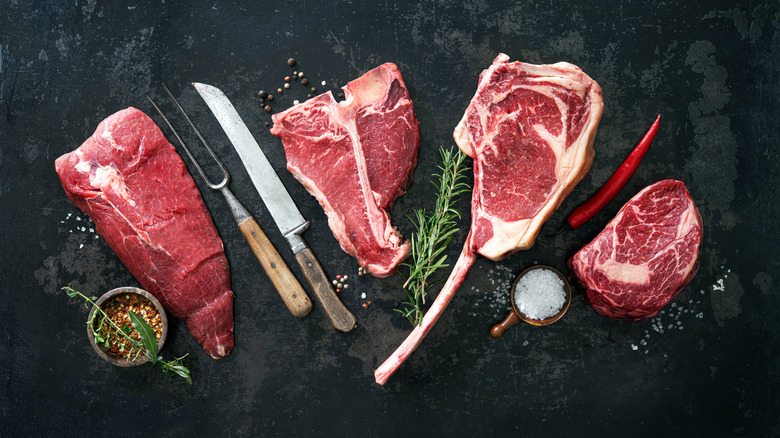
Credit: www.mashed.com
Safety Concerns
When it comes to preparing meals, using a wooden cutting board for raw meat can raise safety concerns. You might wonder if it’s the right choice for your kitchen. Let’s dive into these concerns to keep your food preparation safe and hygienic.
Bacteria Risks
Raw meat is a magnet for bacteria like salmonella and E. coli. These bacteria can hide in the grooves and cuts of wooden boards. Unlike plastic, wood is porous, making it easier for bacteria to settle in.
Picture this: you’re chopping chicken for dinner and notice juice seeping into the board. This is where bacteria can thrive if not cleaned properly. You need to clean thoroughly and promptly to keep your meals safe.
Are you confident in your cleaning routine? Consider scrubbing with hot water and soap, and occasionally sanitizing with a vinegar solution. This helps to reduce bacteria risks significantly.
Cross-contamination
Cross-contamination is another concern when using wooden boards for raw meat. Imagine cutting vegetables right after meat without washing the board. The bacteria can easily transfer to other foods, leading to potential health issues.
Using separate boards for meat and other foods can prevent this. It’s a simple step but makes a big difference in keeping your meals safe. Have you ever thought about color-coding your cutting boards to avoid mix-ups?
Additionally, always wash your hands between tasks. This small action can prevent cross-contamination and keep your kitchen safe. Are you mindful of how often you wash your hands while cooking?
Making informed choices in your kitchen can protect you and your loved ones from foodborne illnesses. How do you plan to tackle these safety concerns in your cooking routine?
Wood Vs. Plastic Boards
Choosing the right cutting board is essential for food safety. Many people debate between wood and plastic boards. Each has unique features that influence your decision. Understanding these can guide you to a safer kitchen.
Material Properties
Wooden boards are made from natural materials. They often include maple, walnut, or bamboo. These materials are soft yet firm, providing a stable surface. Wood has natural antibacterial properties. This can reduce bacteria growth after cleaning.
Plastic boards are synthetic. They are often made from polyethylene. Plastic is non-porous, preventing liquid absorption. This can help maintain hygiene. It is easier to clean and sanitize. This makes plastic boards popular in professional kitchens.
Durability Factors
Wooden boards are sturdy. They resist knife cuts better than plastic. This helps them last longer with proper care. Regular oiling can prevent wood from drying and cracking.
Plastic boards can wear out faster. Repeated knife cuts create grooves. These can harbor bacteria if not cleaned well. Replacing plastic boards might be necessary over time. Their durability depends on thickness and quality.
Proper Cleaning Methods
Wooden cutting boards are popular for their durability and natural appearance. When used for cutting raw meat, proper cleaning methods are essential. Cleaning prevents bacteria growth and keeps your board safe for food preparation. Explore effective cleaning techniques below to ensure your wooden cutting board remains hygienic.
Soap And Water Technique
Start by rinsing the board with warm water. Use a gentle dish soap and a sponge to scrub the surface thoroughly. Focus on any grooves or cuts where bacteria can hide. Rinse again with warm water to remove soap residues. Pat the board dry with a clean towel. Allow it to air dry completely before storing.
Vinegar And Lemon Use
Vinegar is a natural disinfectant. Mix equal parts of vinegar and water. Use a clean cloth to wipe the board with this solution. For a fresh scent, rub half a lemon over the surface. The acid in lemon helps break down bacteria. Let the board sit for a few minutes. Rinse with warm water and dry completely.

Credit: www.tiktok.com
Maintenance Tips
Maintaining a wooden cutting board ensures its longevity and safety. Proper care keeps it sanitary, especially when cutting raw meat. Here are some essential maintenance tips.
Oil Treatment
Regularly oil your wooden cutting board to keep it in top condition. Use food-grade mineral oil for this task. It helps prevent the board from drying and cracking. Apply a generous amount of oil to the surface. Let it soak for several hours or overnight. Wipe off any excess oil with a clean cloth. This routine maintains a smooth, moisture-resistant surface.
Regular Inspection
Inspect your cutting board for any signs of wear or damage. Look for cracks or deep grooves where bacteria can hide. Address these issues immediately to ensure safety. Sand the surface lightly if needed to smooth out rough areas. Regular inspection prolongs the life of your cutting board.
Choosing The Right Wood
Choosing the right wood for your cutting board is crucial. It ensures durability and hygiene. A well-chosen board can make meal preparation smoother. Different woods offer varied benefits. Some woods are more suited for raw meat than others. Understanding these differences can help you make an informed choice.
Types Of Wood
Maple is a popular choice. It’s hard and dense. This makes it resistant to knife marks. Maple also has a fine grain. It helps prevent bacteria buildup. Cherry wood is another option. It has a rich color and smooth texture. Cherry is slightly softer than maple. It still offers good durability. Walnut is favored for its dark color and elegance. It’s also dense and durable. Bamboo is a sustainable choice. It’s harder than many hardwoods. Bamboo is lightweight and easy to clean.
Porosity Considerations
Porosity affects how wood absorbs moisture. Highly porous woods can trap bacteria. This can lead to contamination. Maple has low porosity. It’s a safe choice for raw meat. Oak is porous and less ideal. It can retain odors and stains. Cherry has moderate porosity. It’s still a viable option. Walnut’s low porosity makes it suitable for frequent use. Bamboo is also low in porosity. This helps keep the board hygienic.
:max_bytes(150000):strip_icc()/GettyImages-1222849910-2000-a9a8f3a80d2d4ac9a5952d43d0a0b2ca.jpg)
Credit: www.southernliving.com
Expert Opinions
Many people question the safety of using wooden cutting boards for raw meat. Experts have weighed in with their insights and findings. Their opinions help guide safe kitchen practices.
Chef Insights
Many chefs prefer wooden cutting boards. They say wood is gentle on knives. This ensures longer-lasting sharpness. Some chefs believe wood has natural antibacterial properties. They argue that wood can be safer than plastic. Experienced chefs recommend cleaning and oiling boards regularly. This helps maintain their condition and hygiene.
Scientific Studies
Scientific studies have explored wooden cutting boards and bacteria. Research shows wood can absorb bacteria into its fibers. Bacteria trapped inside do not multiply easily. This reduces the risk of contamination. Studies found wood is often as safe as plastic. Proper cleaning and drying are essential. This prevents bacteria buildup on the surface.
Alternative Solutions
When cutting raw meat, wooden cutting boards raise questions. Are there alternatives? Yes, there are practical solutions. They ensure safety and hygiene in your kitchen. Let’s explore them.
Separate Boards
Using separate boards for meat and vegetables is wise. It reduces cross-contamination. You can use a plastic board for raw meat. Wooden boards can be reserved for fruits and veggies. This approach keeps your kitchen cleaner. It also protects your health.
Disposable Options
Consider disposable cutting surfaces. They are convenient and safe. Use them once and discard. This minimizes bacteria spread. It’s a simple solution for busy kitchens. They are affordable and easy to find. A great choice for temporary needs.
Frequently Asked Questions
Is It Safe To Cut Raw Meat On A Wood Cutting Board?
Yes, it’s safe to cut raw meat on a wood cutting board. Ensure it is clean and sanitized properly. Wood’s porous surface can trap bacteria, but regular cleaning reduces risks. Use separate boards for meat and vegetables to prevent cross-contamination.
Always dry the board completely after washing.
What Should You Not Cut On A Wood Cutting Board?
Avoid cutting raw meat, poultry, or seafood on a wood cutting board. These can harbor bacteria. Use a plastic board instead for these items to ensure hygiene and prevent cross-contamination. Also, acidic foods like lemons can damage the wood surface over time.
How To Sanitize Wood Cutting Board After Raw Meat?
To sanitize wood cutting boards after raw meat, scrub with hot soapy water. Rinse thoroughly and dry completely. Apply a mixture of one tablespoon bleach per gallon of water. Let it sit for a few minutes, then rinse and dry.
Regularly apply mineral oil to maintain the board’s condition.
What Kind Of Cutting Board Can You Cut Raw Meat On?
Use a plastic or bamboo cutting board for raw meat. They’re easy to clean and reduce cross-contamination. Choose dishwasher-safe boards to ensure thorough cleaning. Avoid wooden boards for raw meat as they can absorb juices and harbor bacteria. Regularly sanitize your cutting board to maintain hygiene.
Conclusion
Using a wooden cutting board for raw meat is safe with care. Clean it well after each use. Dry it completely to prevent bacteria. Wood has natural antibacterial properties. Regular maintenance helps keep it hygienic. Consider oiling the board. This keeps it in good condition.
Choose hardwood cutting boards for durability. Always use separate boards for meat and vegetables. This avoids cross-contamination. With proper care, wooden boards are reliable. They offer a warm touch to any kitchen. Enjoy cooking with confidence and safety in mind.

I’m Abby Lu, a passionate home cook who loves simplifying everyday meals. At PlugChef.com, I share product reviews and cooking guides to help you find the best tools for your kitchen.
Related posts:
 What Type of Cooking Utensils are Safe: Expert Picks
 What Innovations Could Blenders Make: Unleashing Future Tech
 Smart Strategies to Organize a Small Kitchen: Maximize Space
 How to Organize a Kitchen Cabinet: Expert Tips & Tricks
 How to Organize Kitchen Drawers: Expert Tips and Tricks
 How to Organize a Corner Kitchen Cupboard: Expert Tips

