
Imagine you’re in your kitchen, preparing a delicious meal. You reach for your trusty wood cutting board, but a question pops into your mind: “Can you cut raw meat on a wood cutting board?”
It’s a common conundrum that sparks curiosity and concern. You want to ensure your food is safe and your tools are up to the task. This article will dive into the facts, dispel myths, and offer practical advice so you can cook with confidence.
By the end, you’ll know exactly what to do when you’re slicing and dicing in your culinary adventures. Get ready to uncover the secrets of using wood cutting boards with raw meat, and transform your kitchen game!
Benefits Of Wood Cutting Boards
Wood cutting boards are safe for raw meat, providing a sturdy surface and natural antibacterial properties. They’re easy to clean and maintain, making them a practical choice for kitchens. Their durability ensures long-lasting use, while preserving knife sharpness during meat preparation.
When deciding on a cutting board for your kitchen, you might wonder if a wood option is suitable for raw meat. The truth is, wood cutting boards offer several benefits that make them a great choice for various kitchen tasks, including handling raw meat. They bring a blend of functionality, durability, and even some unexpected advantages that might surprise you.Natural Antimicrobial Properties
Wood cutting boards have natural antimicrobial properties. Certain types of wood, like maple and oak, contain compounds that help kill bacteria. This means your cutting board can naturally combat harmful germs, providing an extra layer of safety in your food preparation process. Imagine prepping a meal and knowing your cutting board is actively working to reduce bacteria. Isn’t that a comforting thought? It’s like having a silent partner in your culinary adventures.Durability And Longevity
Wood cutting boards are incredibly durable. Unlike plastic boards that can easily warp or crack, a well-maintained wood board can last for years. They withstand regular use and still maintain their integrity, making them a long-term investment for your kitchen. I once inherited a wooden cutting board from my grandmother, and despite decades of use, it still holds strong. This longevity is a testament to the resilience of wood, especially when treated with care.Gentle On Knives
Using a wood cutting board is kinder to your knives compared to other materials. Wood has a natural give that prevents excessive dulling of your knife edges. This means less frequent sharpening and longer-lasting knives. If you’ve ever had a knife go dull mid-recipe, you know how frustrating it can be. With a wood cutting board, your knives stay sharper longer, ensuring you can slice through ingredients with ease and precision. Isn’t it worth considering a cutting board that takes care of your tools while you focus on creating delicious meals? So, what do you think? Could a wood cutting board be the right addition to your kitchen?
Credit: www.tiktok.com
Risks Of Using Wood For Raw Meat
Cutting raw meat on a wood board poses contamination risks. Bacteria can hide in wood’s porous surface. Regular sanitization helps minimize health hazards.
When it comes to preparing food, the type of cutting board you use can make a big difference, especially with raw meat. Many people love the classic charm of a wooden cutting board, but using it for raw meat can come with risks. Understanding these risks can help you decide how to keep your kitchen safe and your meals healthy.Bacterial Contamination Concerns
Raw meat is a common source of bacteria like salmonella and E. coli. These bacteria can thrive on surfaces that are not cleaned properly. Wood, with its organic nature, can absorb these harmful bacteria if not maintained correctly. Imagine you’re cutting chicken on a wooden board. The juices seep into the tiny cracks and crevices. Without proper cleaning, these areas can become a breeding ground for bacteria. This can pose a health risk for your family.Porous Surface Challenges
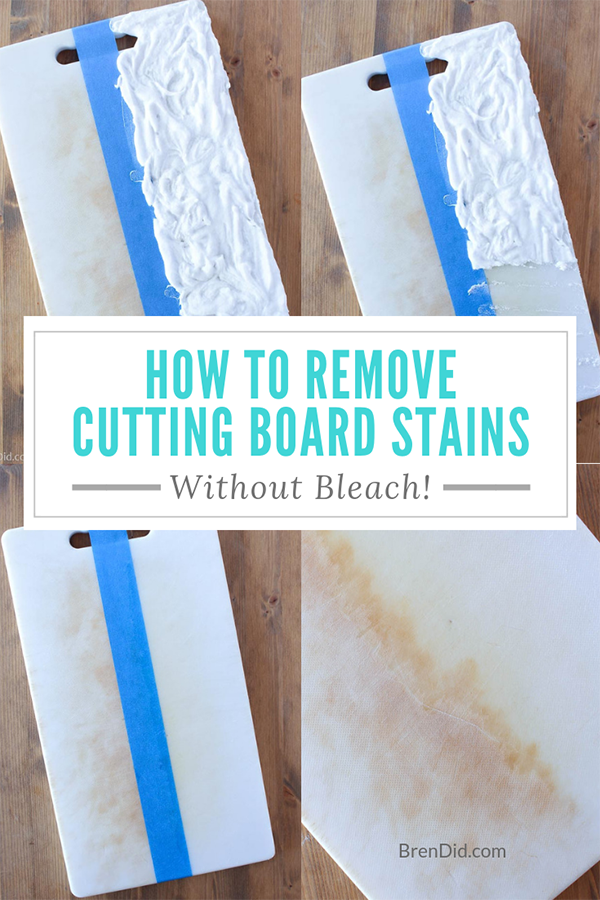
Wooden boards are porous by nature. This means they have tiny openings that can trap moisture and bacteria. Unlike plastic or glass, wood can hold onto meat juices, making thorough cleaning more challenging. Consider how often you wash your cutting board. Do you feel confident that a simple rinse is enough? The porous nature of wood requires more than just a quick wash to ensure it’s free of bacteria. Using hot, soapy water and a good scrub is essential. Have you ever noticed your wooden board retaining smells or stains? This is a sign that particles have seeped into the surface. Regular maintenance, like oiling and sanding, can help keep your board in good condition, but it might not be enough for raw meat preparation. Is it worth the risk to use wood for raw meat when safer alternatives are available? Perhaps keeping a separate board for meat can help reduce any potential contamination. The choice is yours, but being informed can help you make the best decision for your kitchen’s safety.Proper Cleaning Techniques
Cutting raw meat on a wood cutting board is safe with proper cleaning. Use hot, soapy water to wash the board. Dry it thoroughly to prevent bacteria growth.
Ensuring your wood cutting board is clean after cutting raw meat is crucial. Proper cleaning techniques help maintain hygiene and extend the board’s lifespan. Let’s explore some simple methods to keep your wood cutting board safe and sanitary.Hand Washing Best Practices
Wash your wood cutting board immediately after use. Use hot, soapy water to clean the surface thoroughly. Scrub the board gently with a soft brush or sponge. Rinse the board well to remove all soap residue.Disinfecting With Vinegar Or Bleach
Vinegar can naturally disinfect your cutting board. Spray white vinegar directly onto the board. Let it sit for five minutes, then rinse with water. Alternatively, use a mild bleach solution. Mix one tablespoon of bleach with one gallon of water. Wipe the board with this solution, then rinse well.Drying And Storage Tips
Dry your cutting board completely after washing. Stand it upright to allow air circulation. Avoid storing it in damp areas to prevent mold growth. Store in a cool, dry place for longevity and safety.Preventing Cross-contamination
Preventing cross-contamination in your kitchen is crucial for maintaining food safety. With raw meat potentially harboring harmful bacteria, cutting it on a wood cutting board requires careful attention. You might wonder if using wood is safe, but with the right precautions, it can be. Let’s explore some practical strategies to keep your meals safe and delicious.
Using Separate Boards For Meat And Vegetables
Imagine preparing a vibrant salad alongside a juicy steak. The last thing you want is to mix the raw meat juices with your fresh vegetables. Using separate cutting boards for meat and vegetables is a simple yet effective solution. It minimizes the risk of cross-contamination and keeps your food safe.
Have you ever wondered why chefs often use different colored boards? It’s not just for aesthetics. Color coding helps you quickly identify which board to use for meats and which for veggies. You might choose a red board for meat and a green one for vegetables. This visual cue is a quick reminder that can save you time and keep your kitchen organized.
Labeling And Organization Strategies
Keeping your kitchen organized is more than just tidiness; it’s about safety too. Labeling your cutting boards can be an effective strategy. A simple label like “Meat Only” or “Veggies Only” can prevent accidental mix-ups. It’s a small step that makes a big impact on food safety.
Consider storing your cutting boards in different locations. You could keep your meat board near the refrigerator where you store your meats and your vegetable board closer to your prep area. This physical separation is another layer of protection that helps keep your cooking process streamlined and safe.
Have you ever thought about how these strategies impact your cooking routine? They not only enhance safety but also improve efficiency. By knowing where everything is and having clear labels, you spend less time second-guessing and more time enjoying the culinary experience.
What’s your approach to preventing cross-contamination? Implementing these strategies can transform your kitchen into a safer space. By using separate boards and employing labeling techniques, you reduce risks and bring peace of mind to your cooking adventures. Let these tips guide you toward a healthier kitchen environment.
Alternatives To Wood Cutting Boards
When it comes to preparing meals, choosing the right cutting board is crucial. While wood cutting boards are a classic choice, they may not be suitable for everyone, especially when dealing with raw meat. If you’re considering alternatives, there are several options that offer unique benefits. Let’s explore some of these alternatives and see how they might fit into your kitchen routine.
Plastic Cutting Boards
Plastic cutting boards are a popular choice due to their affordability and ease of maintenance. They are lightweight and often dishwasher safe, making them convenient for busy households. Plastic boards come in a variety of colors, which can help prevent cross-contamination by using different colors for different food types. They also tend to be gentler on knives compared to harder materials.
However, plastic boards can show knife marks over time, creating grooves where bacteria might hide. Regular replacement is key to maintaining hygiene. Consider asking yourself: Are you willing to replace your cutting board more frequently for the sake of convenience?
Bamboo Options
Bamboo cutting boards offer a sustainable alternative to traditional wood. They are harder than most woods, which helps resist knife marks and makes them durable. Bamboo has natural antibacterial properties, making it a safer choice for cutting raw meat. Plus, they add an aesthetically pleasing touch to your kitchen.
But bamboo boards can be prone to cracking if not properly cared for. Regular oiling helps maintain their condition. Think about whether you have the time and commitment to maintain this type of cutting board. Would a little extra care be worth it for a more eco-friendly choice?
Glass And Stainless Steel Choices
Glass and stainless steel cutting boards offer unique advantages. Glass boards are non-porous, making them highly sanitary. They are easy to clean and can double as serving trays due to their sleek appearance. Stainless steel boards are extremely durable and won’t harbor bacteria, making them ideal for raw meat.
However, both glass and stainless steel can be harsh on knife blades, potentially dulling them faster. Glass can also be slippery, posing a risk if you’re chopping quickly. Consider if their hygienic benefits outweigh the potential wear on your knives. Would you trade a bit of knife longevity for peace of mind regarding cleanliness?
Choosing the right cutting board for your kitchen ultimately comes down to balancing convenience, hygiene, and durability. Whether you opt for plastic, bamboo, glass, or stainless steel, each option brings unique benefits and challenges. Which one aligns best with your cooking style and kitchen needs?
Expert Opinions And Studies
Experts agree that wood cutting boards are safe for raw meat. Studies show proper cleaning prevents bacteria growth. Use hot soapy water.
In the debate over using wood cutting boards for raw meat, expert opinions and scientific studies offer valuable insights. Many of us have wondered if our trusty wooden board is safe for raw meat preparation. Let’s explore what the experts have to say and what research reveals about bacteria on different surfaces.Research On Bacteria In Wood Vs. Plastic
Studies show intriguing results when comparing bacteria on wood and plastic cutting boards. Researchers have found that bacteria often die off more quickly on wood than on plastic. This may surprise you, as wood is porous and might seem less sanitary. One study by the University of California-Davis demonstrated that wood has natural antibacterial properties. Unlike plastic, wood surfaces often harbor fewer bacteria after being cleaned. This could mean your wooden board might be safer than you think.Insights From Food Safety Experts
Food safety experts offer some practical advice on using wood for raw meat. They emphasize proper cleaning techniques, as it’s crucial to scrub your board with hot, soapy water after each use. You might also consider using a separate board for meat to prevent cross-contamination. Experts suggest allowing the board to dry completely, as moisture can encourage bacterial growth. Some even recommend occasionally treating your board with vinegar or diluted bleach for added safety. Is this advice enough to make you feel comfortable using wood for raw meat? It’s worth considering how these insights can apply to your kitchen habits. Have you tried any of these cleaning methods yourself?Tips For Safe Meat Preparation
Preparing meat safely on a wood cutting board is crucial. It keeps your kitchen clean and prevents foodborne illnesses. Follow these tips for a safe and smooth process. Stay informed and protect your family.
Choosing The Right Board Material
Wood is a popular choice for cutting boards. It offers natural antibacterial properties. Choose hardwoods like maple or walnut. They resist cuts and last longer. Softwoods can harbor bacteria. Avoid them for raw meat preparation.
Routine Maintenance Habits
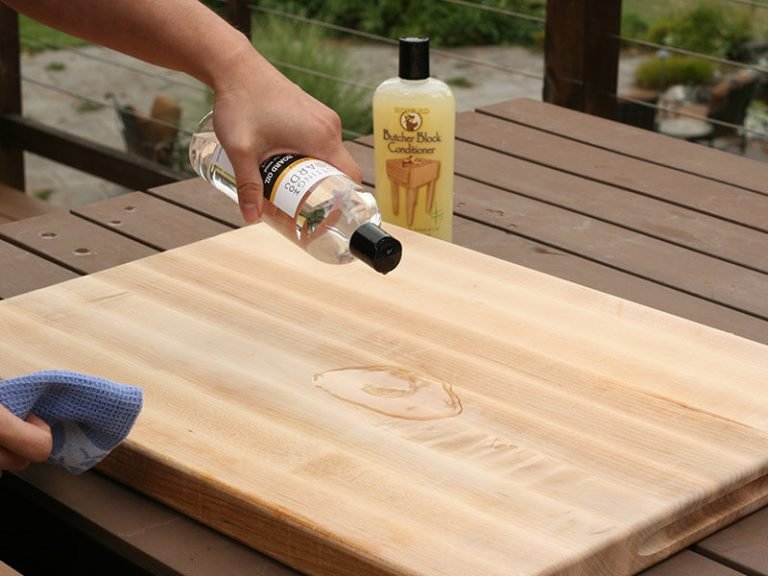
Clean your wood cutting board after each use. Use hot, soapy water and a scrub brush. Rinse thoroughly and dry with a towel. Avoid soaking the board to prevent warping. Regularly oil the board with food-safe oil. This keeps it in good condition and prevents cracking.
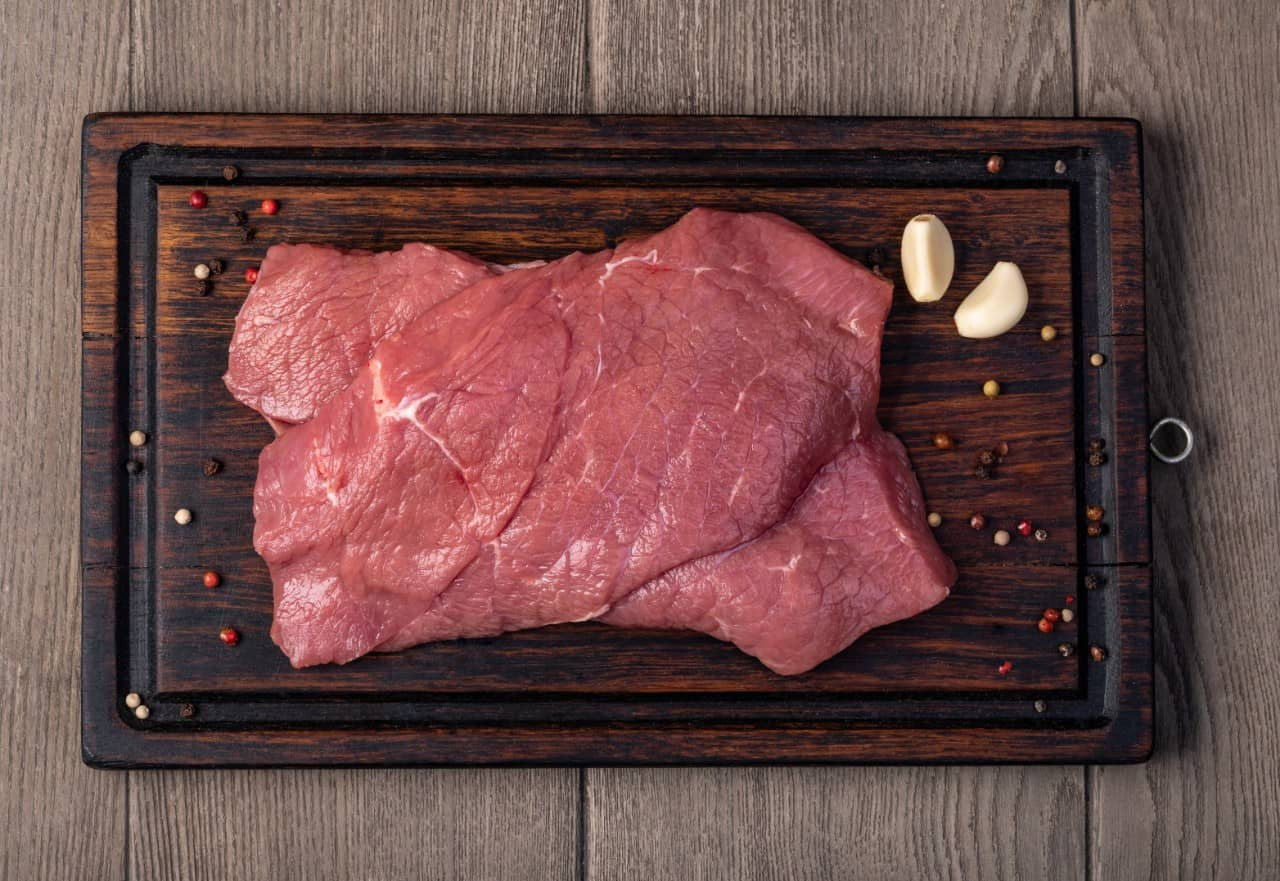
Credit: butchermagazine.com
:max_bytes(150000):strip_icc()/GettyImages-1222849910-2000-a9a8f3a80d2d4ac9a5952d43d0a0b2ca.jpg)
Credit: www.southernliving.com
Frequently Asked Questions
What Should Not Be Cut On A Wooden Cutting Board?
Avoid cutting raw meat, poultry, and fish on a wooden cutting board. These can harbor bacteria. Use a plastic board for such items to maintain hygiene. Staining foods like beets can also discolor the wood.
How To Disinfect A Wooden Cutting Board After Cutting Raw Meat?
Clean the wooden cutting board with hot soapy water. Scrub thoroughly to remove meat residues. Rinse well and pat dry. Disinfect using a solution of one tablespoon of bleach in a gallon of water. Apply the solution, let it sit for a minute, then rinse and dry completely.
Should I Cut Meat On A Wood Or Plastic Cutting Board?
Use a plastic cutting board for meat. It’s easier to clean and less likely to harbor bacteria. Wood boards can be porous, making them harder to sanitize after cutting raw meat. Always wash thoroughly after use to maintain hygiene.
Why Is It Important To Avoid Using A Wooden Cutting Board For Raw Meat?
Wooden cutting boards can absorb juices from raw meat, promoting bacterial growth. This makes them harder to sanitize. Use non-porous materials like plastic or glass to reduce contamination risk. Regular cleaning and maintenance are crucial for hygiene, ensuring safe food preparation in your kitchen.
Conclusion
Choosing the right cutting board is crucial for kitchen safety. Wood boards can handle raw meat with proper care. Clean them thoroughly after each use. Dry them well to prevent bacteria growth. Use separate boards for meats and veggies. This keeps flavors from mixing.
Proper maintenance extends the board’s life. Wood boards are durable and long-lasting. They add a natural touch to your kitchen. Always prioritize hygiene to ensure safe food preparation. With these tips, you can confidently use wood boards for raw meat.
Enjoy cooking with peace of mind!

Hi, I’m Daniel Brooks—a food lover and kitchen gear enthusiast. I enjoy testing cookware, utensils, and gadgets to see what really works in everyday cooking. At PlugChef.com, I share honest reviews, comparisons, and simple guides to help you choose the best tools for a safer, smarter, and more enjoyable kitchen.
Related posts:
 What Type of Cooking Utensils are Safe: Expert Picks
 What Innovations Could Blenders Make: Unleashing Future Tech
 Smart Strategies to Organize a Small Kitchen: Maximize Space
 How to Organize a Kitchen Cabinet: Expert Tips & Tricks
 How to Organize Kitchen Drawers: Expert Tips and Tricks
 How to Organize a Corner Kitchen Cupboard: Expert Tips