
Have you ever wondered if you can safely bake with Pyrex glass? If you’ve got a Pyrex dish sitting in your kitchen cabinet, you might be curious about whether it can handle the heat of your oven.
You want to avoid surprises like cracks or shattered glass while making your favorite recipes. This article will give you clear, simple answers about baking with Pyrex, so you can cook with confidence and keep your kitchen safe. Keep reading to discover what you need to know before you put that Pyrex dish in the oven.
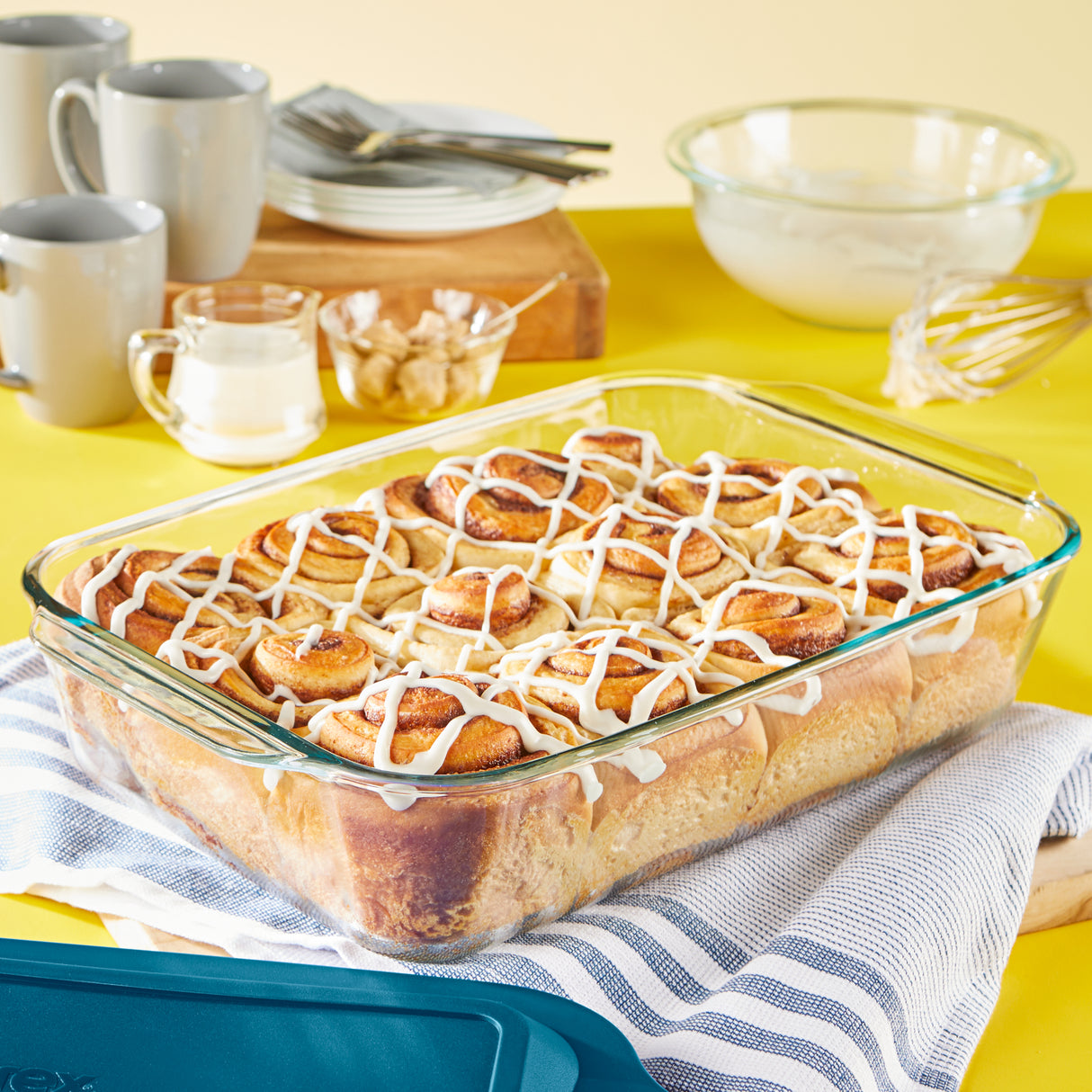
Credit: pyrexhome.com
Pyrex Glass In The Kitchen
Pyrex glass is a staple in many kitchens, known for its durability and versatility. But can you safely bake with Pyrex glass? Understanding its qualities and uses can help you make the most of this popular kitchen tool without risking damage or accidents.
History And Composition
Pyrex was originally developed in 1915 by Corning Glass Works as a heat-resistant glass for laboratory use. Its ability to withstand high temperatures comes from borosilicate glass, which contains boron trioxide.
However, modern Pyrex made in the US and some other countries uses tempered soda-lime glass instead. This type of glass handles temperature changes well but is more prone to breaking under sudden thermal shock than the original borosilicate version.
Common Uses
In your kitchen, Pyrex glass is commonly found as baking dishes, measuring cups, and storage containers. Its transparency lets you monitor cooking progress without opening the oven.
You can bake casseroles, roast vegetables, or prepare desserts in Pyrex safely, as long as you avoid rapid temperature changes. For example, never move a hot Pyrex dish directly onto a cold surface or into cold water—this can cause cracking.
Have you ever wondered why your Pyrex dish cracked after baking? It might be due to thermal shock, not the heat itself. Knowing how to use Pyrex correctly can save you from these common mishaps.
Heat Resistance Of Pyrex
Pyrex glass is popular for baking and cooking because it handles heat well. Understanding its heat resistance helps prevent accidents in the kitchen. Not all Pyrex glass is the same. Knowing the types and their temperature limits keeps your cooking safe.
Types Of Pyrex Glass
Pyrex comes in two main types: borosilicate glass and soda-lime glass. Borosilicate glass resists heat better. It expands less when heated, so it handles sudden temperature changes well. Soda-lime glass is more common in the U.S. It is less resistant to thermal shock but still safe for most baking.
Temperature Limits
Each Pyrex type has its own temperature range. Borosilicate glass can handle up to about 500°F (260°C) safely. Soda-lime glass is usually safe up to 425°F (218°C). Exceeding these limits can cause the glass to crack or shatter. Avoid sudden temperature changes, like putting hot Pyrex on a cold surface.
Safe Baking Practices
Pyrex glass can be safely baked if used correctly. Avoid sudden temperature changes to prevent cracking. Always check the manufacturer’s instructions before use.
Baking with Pyrex glass can be a delightful experience if done safely. Understanding how to handle Pyrex is key to ensuring your baked goods come out perfectly without any mishaps. Let’s delve into some safe baking practices that will keep your Pyrex in top shape and your kitchen accident-free.Preheating Tips
Always preheat your oven before placing Pyrex inside. This helps ensure even cooking and prevents sudden temperature changes. Imagine expecting a perfectly baked lasagna and ending up with a cracked dish instead! Place your Pyrex dish in the oven only when it reaches the desired temperature. Avoid placing it in a preheating oven as this can lead to uneven heating.Avoiding Thermal Shock
Thermal shock is the enemy of Pyrex glass. Sudden temperature changes can cause the glass to shatter. Avoid moving Pyrex from the freezer directly to a hot oven. Instead, let it sit at room temperature for a few minutes before baking. Are you guilty of placing cold Pyrex on a hot stove or broiler? That’s a recipe for disaster you definitely want to avoid.Proper Handling
Handle your Pyrex with care to prevent accidental drops or bumps. Use oven mitts or potholders to protect your hands from burns. When removing Pyrex from the oven, place it on a dry, heat-resistant surface. A wet or cold surface can create a temperature contrast, risking breakage. Consider your kitchen habits. Are you setting yourself up for success with these simple yet effective safety tips? Taking a few extra precautions can make your baking endeavors both safe and satisfying.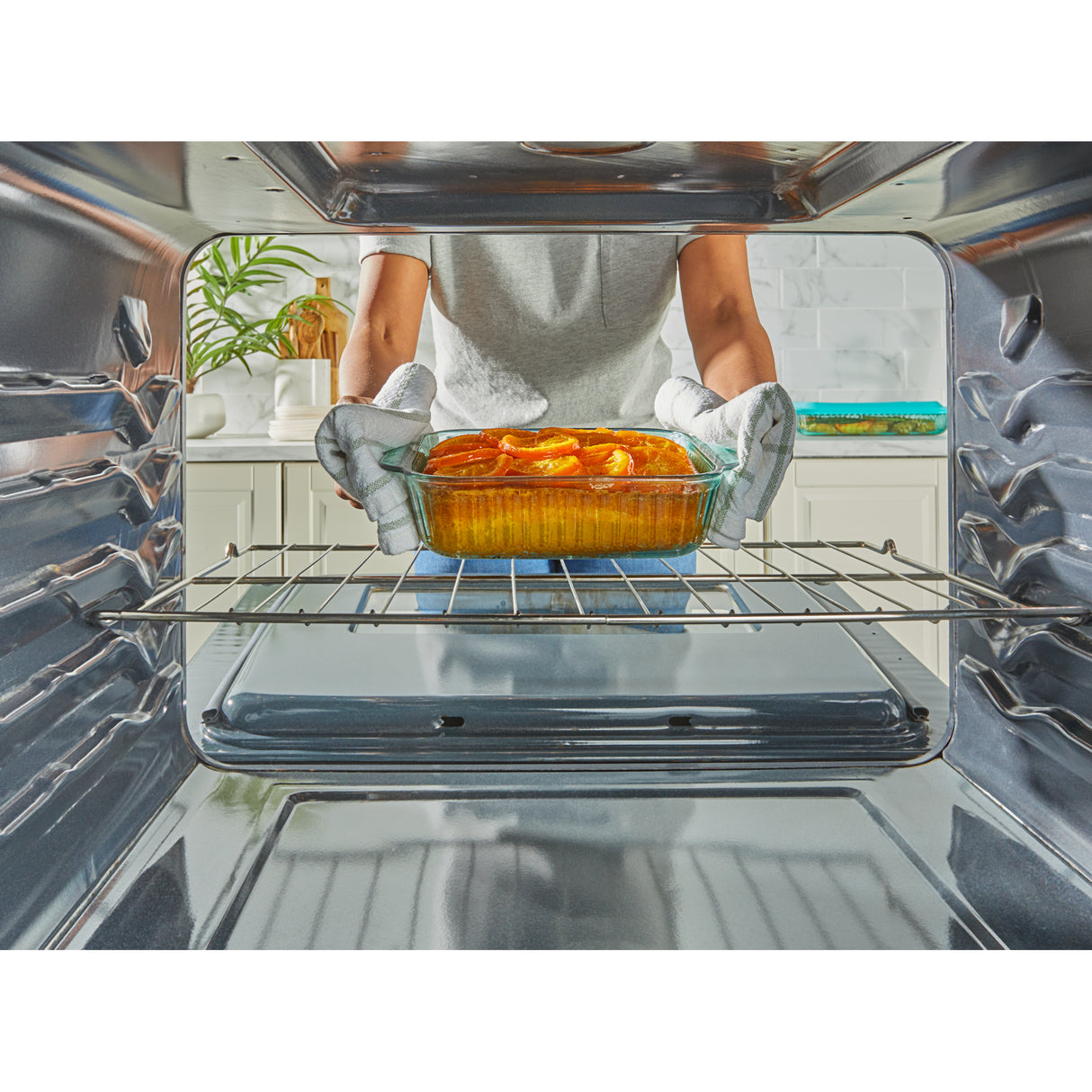
Credit: pyrexhome.com
Common Mistakes To Avoid
Baking with Pyrex glass is convenient and safe when done correctly, but there are common mistakes that can lead to shattered dishes or ruined meals. Understanding what to avoid will protect your investment and keep your cooking hassle-free. Let’s look at some pitfalls that many overlook.
Sudden Temperature Changes
Pyrex glass is designed to handle heat, but it doesn’t tolerate quick shifts in temperature well. Placing a cold Pyrex dish straight from the fridge into a hot oven can cause it to crack or even explode.
Have you ever taken a dish out of the oven and immediately set it on a cold countertop? This sudden drop can cause thermal shock. Always let your Pyrex dish warm up gradually or use a trivet to protect it from cold surfaces.
Using Damaged Pyrex
Cracks, chips, or deep scratches weaken the structure of your Pyrex dish. Baking with damaged glass is risky because the imperfections can expand under heat, leading to breakage.
Before baking, inspect your Pyrex carefully. If you find any damage, it’s safer to replace the dish rather than risk a kitchen accident. Your safety and food integrity depend on using intact cookware.
Improper Cleaning Methods
Harsh cleaning techniques can also weaken Pyrex over time. Using abrasive scrubbers or metal utensils may cause scratches that compromise the glass.
Instead, clean your Pyrex with soft sponges and mild detergents. Avoid sudden temperature changes during washing, like rinsing a hot dish with cold water. These simple steps extend the lifespan of your glassware.
Alternatives To Pyrex For Baking
If you’re thinking about baking but don’t have Pyrex on hand, don’t worry. There are plenty of alternatives that can handle the heat and deliver great results. Knowing these options can save your recipe and maybe even introduce you to new textures and flavors.
Other Glassware Options
Not all glassware is created equal, but some brands are just as reliable as Pyrex for baking. Look for tempered or borosilicate glass baking dishes, which resist thermal shock better than regular glass.
Brands like Anchor Hocking or Simax offer sturdy glassware that can go from oven to table without breaking. Just remember to avoid sudden temperature changes—like putting a hot glass dish on a cold surface—to prevent cracking.
Have you tried using glass pie dishes or casserole dishes for your recipes? They often work well, especially for even cooking and browning.
Metal And Ceramic Choices
Metal pans, particularly aluminum and stainless steel, are excellent for baking. They heat up quickly and provide a nice crust on baked goods.
Ceramic dishes are another fantastic choice. They hold heat longer, which keeps your food warm after it’s out of the oven.
Both metal and ceramic come in various shapes and sizes, so you can pick what fits your recipe best.
- Metal pans:Great for cookies, muffins, and roasting vegetables.
- Ceramic dishes:Perfect for casseroles, gratins, and slow-baked desserts.
Have you ever noticed how a cheesecake bakes differently in a ceramic dish versus a metal one? Trying different materials could change how your recipe turns out, so experiment to find your favorite.
Troubleshooting Baking Issues
Baking with Pyrex glass can be a smooth experience, but sometimes issues like cracks or uneven cooking can spoil your efforts. Understanding why these problems happen helps you prevent them and keep your dishes perfect every time. Let’s look at some common baking troubles and how you can fix them.
Cracks And Breakage
Have you ever taken your Pyrex dish out of the oven only to find it cracked or shattered? Sudden temperature changes are often the culprit. Avoid placing a cold Pyrex dish directly into a hot oven or moving a hot dish onto a cold surface.
To protect your glassware:
- Preheat the oven before putting in your Pyrex dish.
- Use oven mitts and place hot dishes on wooden or cloth surfaces instead of metal or stone.
- Never pour cold liquids into a hot Pyrex dish.
Remember, even minor scratches can weaken the glass. Inspect your dishes regularly, and retire any with visible damage.
Uneven Cooking
Is your casserole browning on one side but still raw on the other? Uneven heat distribution can cause this problem when using Pyrex. Glass heats slower than metal and retains heat differently, which affects how your food cooks.
To ensure even cooking:
- Place your Pyrex dish in the center of the oven rack.
- Avoid overcrowding the oven, which blocks air circulation.
- Consider rotating your dish halfway through baking for more uniform results.
Have you noticed that some recipes require longer baking times with Pyrex? That’s because it doesn’t conduct heat as efficiently as metal pans. Adjust your timing, and check your food’s progress regularly to avoid undercooking.

Credit: www.amazon.com
Frequently Asked Questions
Can You Bake Pyrex Glass In A Conventional Oven?
Yes, Pyrex glass is safe for conventional oven baking. It withstands typical oven temperatures up to 450°F without breaking. Always avoid sudden temperature changes to prevent thermal shock and damage.
Is Pyrex Glass Safe For High-temperature Baking?
Pyrex glass can handle high temperatures up to 450°F. It is designed to resist thermal stress during baking. Avoid exceeding recommended temperatures to maintain safety and durability.
How To Prevent Pyrex Glass From Breaking In The Oven?
To prevent breakage, avoid sudden temperature changes. Preheat the oven before placing Pyrex inside. Do not place hot Pyrex on cold surfaces or vice versa.
Can Pyrex Glass Go From Freezer To Oven?
Pyrex glass is not safe for direct freezer-to-oven use. Sudden temperature changes can cause thermal shock and breakage. Let Pyrex reach room temperature before baking after freezing.
Conclusion
Pyrex glass is safe for baking when used correctly. Always check the product’s instructions before heating. Avoid sudden temperature changes to prevent cracking. Use it in a preheated oven for best results. Pyrex holds heat well and cooks food evenly.
Treat it gently to keep it lasting longer. Baking with Pyrex can make cooking easier and cleaner. Remember, proper care helps avoid accidents in the kitchen. Enjoy your baking with confidence and safety.

Hi, I’m Daniel Brooks—a food lover and kitchen gear enthusiast. I enjoy testing cookware, utensils, and gadgets to see what really works in everyday cooking. At PlugChef.com, I share honest reviews, comparisons, and simple guides to help you choose the best tools for a safer, smarter, and more enjoyable kitchen.
Related posts:
 What Type of Cooking Utensils are Safe: Expert Picks
 What Innovations Could Blenders Make: Unleashing Future Tech
 Smart Strategies to Organize a Small Kitchen: Maximize Space
 How to Organize a Kitchen Cabinet: Expert Tips & Tricks
 How to Organize Kitchen Drawers: Expert Tips and Tricks
 How to Organize a Corner Kitchen Cupboard: Expert Tips