

Have you ever wondered if you can bake Pyrex bowls safely? You probably have a favorite recipe that calls for mixing ingredients in your trusty Pyrex bowl and then popping it into the oven.
But is that actually safe to do? Using Pyrex bowls in the oven can save you time and reduce cleanup, but only if you know the right way to do it. You’ll discover the facts about baking with Pyrex, what to watch out for, and simple tips to keep your kitchen safe.
Keep reading to make sure your next bake turns out perfectly without any surprises.

Credit: www.amazon.com
Pyrex Bowls And Oven Safety
Pyrex bowls are popular kitchen tools, especially for baking and cooking. Understanding their oven safety is key to using them properly. Not all Pyrex bowls can handle the same heat levels. Knowing what they are made of and their limits helps prevent accidents and damage.
Material Composition
Pyrex bowls are made from tempered glass or borosilicate glass. Tempered glass is treated with heat and chemicals to make it stronger. Borosilicate glass has a special mix that resists heat well. This material choice affects how much heat the bowl can handle safely.
Heat Resistance Limits
Most Pyrex bowls can withstand oven temperatures up to 425°F (220°C). Exceeding this limit risks cracking or breaking the glass. Sudden temperature changes, like moving a cold bowl into a hot oven, may cause damage. Always warm the bowl gradually and avoid high broiler heat.
Common Misconceptions
- Pyrex can shatter easily—true only if exposed to sudden temperature changes.
- All Pyrex is oven-safe—some pieces, like decorative or plastic lids, are not.
- Microwave-safe means oven-safe—these are different heat conditions.
- Scratches or chips don’t affect safety—damaged bowls should not be used in the oven.
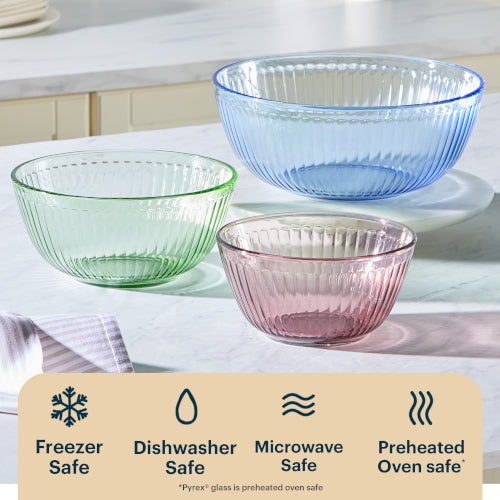
Credit: pyrexhome.com
Choosing The Right Pyrex Bowl
Pyrex bowls made from tempered glass are safe for baking in the oven. Avoid sudden temperature changes to prevent cracking. Always check the manufacturer’s instructions before use.
Choosing the Right Pyrex Bowl can make all the difference between a successful baking experience and a kitchen mishap. Selecting the right Pyrex bowl is crucial for ensuring safety and achieving the perfect bake. Not all Pyrex bowls are created equal, and understanding the nuances can save you from potential kitchen disasters.Identifying Oven-safe Markings
Before placing your Pyrex bowl in the oven, check for oven-safe markings. These are typically etched at the bottom and indicate the bowl’s suitability for high temperatures. If you can’t find any markings, it’s better to err on the side of caution and avoid using it for baking.Avoiding Old Or Damaged Bowls
Older or damaged Pyrex bowls may not withstand oven heat as reliably. Even small chips or scratches can compromise their integrity, leading to breakage under high temperatures. Always inspect your bowls for any damage before use; a quick glance could prevent a messy and potentially dangerous situation.Differences Between Glass Types
Pyrex bowls are generally made from either soda-lime or borosilicate glass. Borosilicate is known for its superior heat resistance, making it ideal for baking. If you’re uncertain about the glass type, consider checking the product details or consulting the manufacturer for clarity. By paying attention to these details, you ensure your Pyrex bowl is not only suitable for baking but also safe to use. So next time you’re ready to bake that delicious casserole or cake, you’ll know exactly what to look for. Have you ever had a Pyrex mishap in the kitchen?Preparing Pyrex Bowls For Baking
Preparing Pyrex bowls for baking ensures safe use and better cooking results. Pyrex glass is sturdy but requires careful handling to avoid cracks or breaks. Following simple steps can protect your bowls and keep your food safe.
Avoiding Sudden Temperature Changes
Pyrex glass can crack if exposed to quick temperature shifts. Avoid moving bowls directly from the freezer to a hot oven. Let the bowl reach room temperature before baking. Do not place hot bowls on cold surfaces or in cold water. Gradual temperature changes keep the glass intact and safe.
Proper Cleaning Before Use
Clean the Pyrex bowl thoroughly before baking. Use warm water and mild dish soap. Remove all grease and food residues. Rinse well to avoid soap taste in your food. Dry the bowl completely to prevent water spots or steam during baking.
Using Oven Mitts And Safety Gear
Always use oven mitts when handling hot Pyrex bowls. The glass can get very hot and cause burns. Use sturdy, heat-resistant mitts for better grip. Place the bowl on a heat-safe surface after removing it from the oven. Wearing safety gear helps prevent accidents in the kitchen.
Safe Oven Practices With Pyrex
Using Pyrex bowls in the oven can be a real time-saver and a great way to prepare meals, but safety should always come first. Knowing how to handle your Pyrex correctly can prevent accidents and keep your cookware in perfect condition. Let’s focus on some key oven practices that will help you bake with confidence and care.
Recommended Temperature Ranges
Pyrex is designed to withstand oven heat, but it has its limits. Typically, Pyrex bowls are safe up to around 425°F (220°C). Going beyond this temperature risks cracking or shattering the glass.
Check the manufacturer’s instructions for your specific Pyrex piece, as some older or specialty bowls might have lower heat tolerances. Have you ever heated Pyrex too high and regretted it? Staying within safe temperatures protects your bowls and your kitchen.
Placing Bowls Correctly In The Oven
Position your Pyrex bowl on the center rack for even heat distribution. Avoid placing it too close to the oven walls or heating elements, which can cause uneven heating.
Make sure the bowl is on a stable, flat surface to prevent tipping when you put food in or take it out. Have you noticed how a slight tilt can make you nervous when lifting a heavy, hot bowl? Stability matters more than you might think.
Avoiding Direct Heat Exposure
Never place Pyrex directly on stovetop burners or under a broiler. Direct heat can cause sudden temperature changes that lead to cracking.
Also, avoid putting a cold Pyrex bowl straight into a hot oven. Let it come to room temperature first or warm it gradually. Sudden heat shocks are the main reason for Pyrex breakage, so managing temperature changes carefully is key.
Common Mistakes To Avoid
Baking with Pyrex bowls is common, but mistakes can ruin your dish or damage the bowl. Avoiding these errors helps keep your cookware safe and your food perfect. Understanding what not to do is as important as knowing how to use Pyrex correctly.
Using Pyrex On Stovetops Or Broilers
Pyrex bowls are made for ovens, not direct heat sources. Do not place them on stovetops or under broilers. The sudden, intense heat can cause the glass to crack or shatter. Use Pyrex only in conventional ovens or microwaves as instructed.
Placing Cold Bowls In Hot Ovens
Never put a cold Pyrex bowl directly into a hot oven. The rapid temperature change stresses the glass. This can lead to cracks or breakage. Always warm the bowl to room temperature first, or place it in the oven as it heats up.
Rapid Cooling After Baking
Avoid cooling Pyrex bowls quickly after baking. Removing them from a hot oven and placing them on cold surfaces or in cold water risks thermal shock. Let the bowl cool down gradually on a dry, heat-resistant surface before washing or storing.
Troubleshooting And Handling Cracks
Handling cracks in your Pyrex bowls requires careful attention to avoid accidents and ensure safe baking. Cracks can develop over time due to sudden temperature changes or minor impacts. Recognizing and addressing these issues early can save your kitchen from unexpected mishaps.
Signs Of Damage To Watch For
Look closely at your Pyrex bowl before each use. Check for spiderweb cracks, chips along the rim, or any discoloration around the damaged area. Even tiny hairline cracks can worsen quickly when exposed to heat.
If you notice any unusual texture or feel a rough edge where the glass should be smooth, it’s a red flag. These signs often indicate that the structural integrity is compromised.
Steps To Take After Cracking
If your bowl cracks during use, stop immediately and remove it from the oven safely. Avoid using the damaged bowl for cooking, as heat can cause the crack to expand or the glass to shatter.
Clean the bowl gently if you plan to keep it for non-cooking purposes, but don’t expose it to drastic temperature changes. You might want to repurpose it as a container for dry goods or craft storage instead.
When To Replace Your Bowl
Deciding when to replace your Pyrex bowl depends on the severity of the damage. If the crack is visible and runs deep, it’s time to replace the bowl to avoid injury or food contamination.
Sometimes, minor chips can be tolerated if they are away from heat contact, but this is risky. Ask yourself—would you trust this bowl with a hot casserole? If there’s any doubt, swapping it out is the safest choice.
Alternative Bakeware Options
Choosing the right bakeware affects your cooking results and kitchen safety. Some materials handle heat better than others. Exploring options helps find the best fit for your baking style. Alternatives to Pyrex bowls offer various benefits and drawbacks. Consider ceramic, metal, and silicone as good choices for baking.
Ceramic And Stoneware Benefits
Ceramic and stoneware bakeware looks beautiful on the table. They hold heat evenly, helping food cook through without burning. These materials are great for casseroles, pies, and baked desserts. They often come in various colors and shapes.
Ceramic and stoneware are non-reactive. They do not change the taste of your food. Cleaning is usually easy, but avoid sudden temperature changes to prevent cracking. These options can go from oven to table, saving you extra dishes.
Metal Bakeware Pros And Cons
Metal bakeware heats up quickly and offers excellent heat conduction. It is ideal for roasting and baking items that need a crispy crust. Aluminum and stainless steel are the most common metals used.
Metal pans are durable and usually less expensive than ceramic. They can warp under very high heat or heavy use. Some types may react with acidic foods, changing flavor or color. Non-stick coatings help with cleanup but can wear off over time.
Silicone And Other Innovative Materials
Silicone bakeware is flexible and lightweight. It does not stick to food easily, making cleanup simple. Silicone can handle moderate oven temperatures well and is safe for microwave use.
These materials are great for muffins, cupcakes, and small baked goods. They do not brown food as much as metal or ceramic. Silicone bakeware is easy to store because it bends or folds.
Credit: pyrexhome.com
Frequently Asked Questions
Can You Bake Pyrex Bowls In A Conventional Oven?
Yes, Pyrex bowls are safe for conventional oven baking. They are designed to withstand high temperatures without breaking or cracking.
What Temperature Is Safe For Baking Pyrex Bowls?
Pyrex bowls can safely handle oven temperatures up to 450°F (232°C). Avoid sudden temperature changes to prevent thermal shock.
Can Pyrex Bowls Go From Freezer To Oven?
No, avoid placing Pyrex bowls directly from the freezer into a hot oven. This sudden change can cause the glass to shatter.
Are All Pyrex Bowls Oven-safe?
Most modern Pyrex bowls are oven-safe, but always check the manufacturer’s label. Older or decorative Pyrex may not be heat-resistant.
Conclusion
Pyrex bowls are safe to bake if labeled oven-safe. Avoid sudden temperature changes to prevent cracks or breaks. Always check the manufacturer’s instructions before use. Using Pyrex in the oven can save time and cleanup. Remember, not all glass bowls handle heat well.
Treat your Pyrex with care for best results. Baking with Pyrex bowls offers convenience and durability. Try it carefully and enjoy your cooking.

Hi, I’m Daniel Brooks—a food lover and kitchen gear enthusiast. I enjoy testing cookware, utensils, and gadgets to see what really works in everyday cooking. At PlugChef.com, I share honest reviews, comparisons, and simple guides to help you choose the best tools for a safer, smarter, and more enjoyable kitchen.
Related posts:
 What Type of Cooking Utensils are Safe: Expert Picks
 What Innovations Could Blenders Make: Unleashing Future Tech
 Smart Strategies to Organize a Small Kitchen: Maximize Space
 How to Organize a Kitchen Cabinet: Expert Tips & Tricks
 How to Organize Kitchen Drawers: Expert Tips and Tricks
 How to Organize a Corner Kitchen Cupboard: Expert Tips

