

Are you staring at your recipe and wondering if sour cream can replace yogurt? It’s a common question that can save you a last-minute trip to the store or help you use what’s already in your fridge.
But before you swap one for the other, it’s important to know how they differ and what changes to expect in your dish. Keep reading, and you’ll discover when sour cream can be a perfect stand-in—and when it might just change the whole flavor and texture of your meal.
This simple switch could make all the difference in your cooking success.
Credit: www.tasteofhome.com
Differences Between Sour Cream And Yogurt
Sour cream and yogurt often appear similar but have key differences. These differences affect taste, texture, and health benefits. Understanding these points helps decide if sour cream can replace yogurt in recipes.
Texture And Flavor Profiles
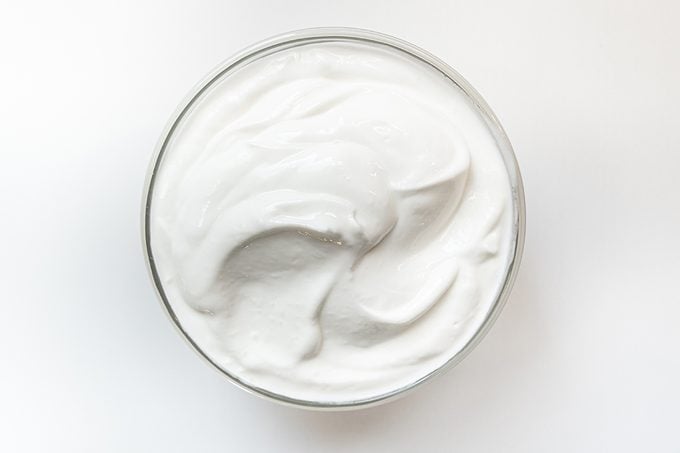
Sour cream has a thick and creamy texture. It feels smooth and rich on the tongue. The flavor is tangy with a mild sourness.
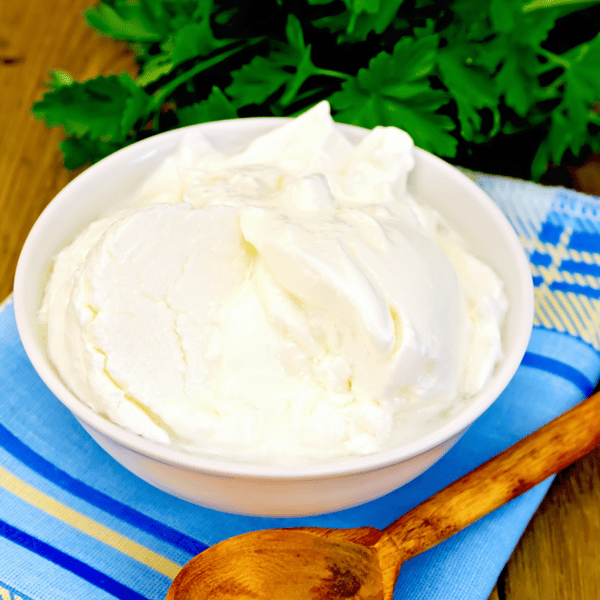
Yogurt’s texture varies from creamy to slightly runny. It has a fresher, sharper tang than sour cream. Greek yogurt is thicker, closer to sour cream.
Sour cream is richer due to higher fat content. Yogurt can taste lighter and more acidic.
Nutritional Comparisons
| Nutrition | Sour Cream (per 2 tbsp) | Yogurt (plain, per 2 tbsp) |
|---|---|---|
| Calories | 60 | 20-30 |
| Fat | 5g | 0-2g |
| Protein | 1g | 2-3g |
| Calcium | 2% DV | 6% DV |
Sour cream has more fat and calories. Yogurt contains more protein and calcium. Yogurt is often a healthier choice for diets.
Cultures And Fermentation
Sour cream uses specific bacteria like Lactococcus lactis for fermentation. These bacteria create lactic acid, giving sour cream its tang.
Yogurt uses live cultures such as Lactobacillus bulgaricus and Streptococcus thermophilus. These improve digestion and boost gut health.
Yogurt cultures are often more diverse. This can add probiotic benefits not found in sour cream.
When Sour Cream Works As A Yogurt Substitute
Sour cream can often step in for yogurt, but knowing when it works best can save your recipe from going off track. Both bring creaminess and tang, but their textures and fat contents differ. Understanding these nuances helps you decide if sour cream fits your dish without compromising taste or texture.
Baking Applications
Sour cream adds moisture and richness to baked goods, much like yogurt. It works well in muffins, cakes, and quick breads, lending a tender crumb and slight tanginess. If your recipe calls for yogurt to keep the batter moist and light, sour cream can usually do the job—just watch for a slightly denser texture.
Have you noticed how sour cream can make pancakes fluffier? That’s because its fat content is higher, which adds richness. When baking, try swapping yogurt for sour cream in equal amounts and observe how it changes the final product’s softness and flavor.
Sauces And Dressings
Sour cream’s thick and creamy texture makes it a great stand-in for yogurt in sauces and dressings. It blends smoothly, offering a rich mouthfeel and a mild tang that complements fresh herbs and spices. If you want a sauce that holds up well without becoming watery, sour cream can be your go-to.
Think about a creamy dill sauce or a zesty chipotle dressing—sour cream can elevate these with its luxurious texture. Just remember to taste as you go; sour cream is richer and less tart than yogurt, so you might want to adjust acidity by adding lemon juice or vinegar.
Marinades And Dips
Both sour cream and yogurt tenderize meat, but sour cream’s higher fat content provides a richer coating. It works well in marinades for chicken or pork, helping flavors penetrate while keeping the meat juicy. Plus, sour cream-based dips hold up nicely at parties without thinning out quickly.
Imagine a cool cucumber dip or a spicy chipotle marinade—sour cream adds body and flavor depth. When you swap yogurt for sour cream, consider balancing the tang with a splash of lime or extra spices to keep the taste lively.
Limitations Of Using Sour Cream Instead Of Yogurt
Sour cream has a thicker texture and richer taste than yogurt. It lacks the same tangy flavor and probiotics found in yogurt. This difference can change the taste and health benefits of your recipe.
Using sour cream as a substitute for yogurt can be tempting, especially when you’re in the middle of a recipe and realize you’re out of yogurt. But before you make the swap, it’s crucial to understand the limitations. While sour cream can offer a similar creamy texture, it doesn’t always replicate the full benefits and qualities of yogurt.Impact On Probiotic Benefits
One of the primary benefits of yogurt is its probiotic content. These beneficial bacteria are great for your gut health. Unfortunately, sour cream doesn’t provide the same probiotic punch. Many sour cream brands are pasteurized, which kills off any live cultures. So, if you’re replacing yogurt with sour cream, you might be missing out on those gut-healthy probiotics.Effect On Taste And Consistency
Swapping yogurt for sour cream can alter the taste of your dish. Sour cream is, as the name suggests, tangier and richer than yogurt. This change can be delightful in some recipes, but it might overpower others. The consistency also differs. Sour cream is thicker, which can affect the texture of your dish. Have you ever tried using sour cream in a smoothie? It can make the drink overly thick and less refreshing.Suitability For Cold Dishes
While sour cream can work well in some recipes, it’s not always suitable for cold dishes. Yogurt’s mild flavor and thinner consistency are perfect for cold soups and desserts. If you’re preparing a tzatziki or a yogurt-based salad dressing, sour cream might not give you the desired result. It can weigh down the dish and alter its intended flavor profile. Before you make the switch, consider what you’re looking to achieve with your dish. Are you willing to compromise on probiotics, taste, or texture? Understanding these limitations can help you make a more informed choice.
Credit: lightorangebean.com
Kitchen Hacks To Mimic Yogurt With Sour Cream
Sour cream can serve as a good substitute for yogurt in many recipes. Its creamy texture and mild tang make it a versatile ingredient. To better mimic yogurt’s taste and consistency, simple kitchen hacks come in handy. These tricks help sour cream blend smoothly into dishes that usually call for yogurt.
Adjusting sour cream’s texture and flavor can bring it closer to yogurt. Adding acidity and thinning the cream improves the overall experience. Mixing it with other liquids can also balance thickness and taste. Below are easy ways to make sour cream behave like yogurt in your cooking.
Adding Lemon Juice For Tanginess
Lemon juice adds the sharpness yogurt usually has. Stir a small amount into sour cream to boost its tangy flavor. Start with one teaspoon per half cup of sour cream. Mix well and taste. Adjust the amount to your liking. The acidity brightens the flavor and makes it more refreshing.
Thinning Sour Cream For Smoothness
Sour cream is thicker than yogurt. Thin it down for a better texture in recipes. Use a spoon to whisk sour cream until smooth. Gradually add a little liquid to loosen it. This creates a consistency closer to yogurt, especially for dressings and dips. Avoid adding too much liquid to keep the creaminess.
Combining With Milk Or Water
Milk or water can help achieve the right thickness. Add a tablespoon of milk or water to sour cream. Stir gently until smooth and creamy. This makes sour cream easier to mix into sauces or baked goods. Use cold milk for a fresher taste. Adjust the liquid quantity to match yogurt’s flow.
Alternative Substitutes For Yogurt
Yogurt has a unique tangy taste and creamy texture. Sometimes, recipes call for yogurt but you may not have it on hand. Several other dairy and non-dairy products can serve as good substitutes. These alternatives vary in flavor, thickness, and nutritional content.
Choosing the right substitute depends on the dish and your taste preference. Below are some popular options to consider.
Buttermilk And Kefir
Buttermilk is thinner than yogurt but offers a similar tangy flavor. It works well in baking and dressings. Kefir is a fermented milk drink with a tart taste and probiotic benefits. It is slightly more liquid but can replace yogurt in smoothies and sauces.
Plant-based Options
Plant-based yogurts made from soy, almond, or coconut milk provide dairy-free alternatives. They often have added cultures for tanginess. These options vary in creaminess and work well in vegan recipes or for those with lactose intolerance.
Cream Cheese And Cottage Cheese
Cream cheese offers a thick and creamy texture but is less tangy than yogurt. It suits dips and spreads. Cottage cheese has a mild flavor and a lumpy texture. Blending it smooth can mimic yogurt’s consistency in savory dishes.
Credit: www.thechoppingblock.com
Tips For Choosing The Right Dairy Substitute
Choosing the right dairy substitute requires careful thought. The choice depends on what the recipe needs and personal preferences. A good substitute keeps the dish tasty and balanced. Knowing these tips helps make the best choice for your cooking.
Considering Recipe Requirements
Some recipes need thick dairy like sour cream for texture. Others call for the tangy taste of yogurt. Match the substitute to the role dairy plays in your dish. Consider moisture, creaminess, and cooking time. A wrong choice can change the texture or flavor too much.
Health And Dietary Needs
Check fat content and calories in the substitute. Sour cream often has more fat than yogurt. Yogurt may offer probiotics for digestion. Think about lactose intolerance or allergies. Choose options that fit your health goals and needs.
Flavor Compatibility
Yogurt has a mild tanginess, sour cream is richer and creamier. Think about the dish’s flavor profile. Sour cream suits savory meals well. Yogurt works in both sweet and savory dishes. The flavor should blend, not overpower the dish.
Frequently Asked Questions
Can Sour Cream Be Used Instead Of Yogurt In Recipes?
Yes, sour cream can replace yogurt in many recipes. It offers a similar creamy texture but has a tangier taste. Adjust quantity slightly to maintain consistency and flavor balance when substituting.
Is Sour Cream Healthier Than Yogurt?
Sour cream is generally higher in fat and calories than yogurt. Yogurt contains more protein and probiotics, which benefit digestion. Choose based on your dietary needs and recipe requirements.
How Does Sour Cream Affect Yogurt-based Dishes?
Sour cream adds richness and a tangy flavor to yogurt-based dishes. It can make the dish creamier but may alter the original taste slightly. Use it when you want a deeper, thicker texture.
Can Sour Cream Replace Yogurt In Baking?
Yes, sour cream works well as a yogurt substitute in baking. It helps keep baked goods moist and tender while adding a mild tang. Use equal amounts for best results.
Conclusion
Sour cream can sometimes replace yogurt in recipes. They have different tastes and textures. Sour cream is thicker and richer. Yogurt is tangier and lighter. Choose based on what your dish needs. Both add creaminess and flavor. Try small amounts first to see what works.
Cooking or baking changes their taste. Use sour cream for a mild, creamy touch. Use yogurt for a fresh, slightly sour note. Experiment to find your favorite option. Both have a place in the kitchen.

I’m Abby Lu, a passionate home cook who loves simplifying everyday meals. At PlugChef.com, I share product reviews and cooking guides to help you find the best tools for your kitchen.
Related posts:
 What Type of Cooking Utensils are Safe: Expert Picks
 What Innovations Could Blenders Make: Unleashing Future Tech
 Smart Strategies to Organize a Small Kitchen: Maximize Space
 How to Organize a Kitchen Cabinet: Expert Tips & Tricks
 How to Organize Kitchen Drawers: Expert Tips and Tricks
 How to Organize a Corner Kitchen Cupboard: Expert Tips

