

Have you ever made a big batch of oatmeal and wondered if you could save some for later? Freezing cooked oatmeal might seem tricky, but it’s actually a smart way to enjoy your breakfast without wasting time or food.
If you’ve ever asked yourself, “Can I freeze cooked oatmeal? ” you’re in the right place. Keep reading, and you’ll discover simple tips to freeze, store, and reheat your oatmeal perfectly—making your mornings easier and tastier.
Freezing Cooked Oatmeal
Freezing cooked oatmeal is a smart way to save time and reduce food waste. It allows you to prepare a nutritious breakfast in advance, ready to reheat on busy mornings. But to keep your oatmeal tasting fresh and delicious, you need to freeze it properly.
Best Containers To Use
Choosing the right container makes a big difference in preserving the texture and flavor of your oatmeal. Airtight containers or freezer-safe glass jars work great because they prevent freezer burn and keep moisture out.
Plastic freezer bags are another good option, especially if you’re short on space. Just make sure to squeeze out as much air as possible before sealing.
Think about how you’ll reheat your oatmeal. Containers that go from freezer to microwave or stove are the most convenient.
Portion Sizes For Freezing
Freezing oatmeal in single-serving portions saves you from thawing more than you need. It also speeds up the defrosting process.
Use small containers or portion out oatmeal into silicone muffin cups before freezing. This makes it easy to grab just the right amount.
Are you preparing meals for one or several? Adjust portion sizes to fit your lifestyle and avoid waste.
Cooling Before Freezing
Never freeze hot oatmeal straight from the stove. Let it cool completely to prevent condensation, which can cause ice crystals and affect texture.
Spread the oatmeal in a shallow dish to cool faster, or stir it occasionally to release heat.
Patience here pays off—cool oatmeal freezes better and tastes much better once reheated.

Credit: aredspatula.com
Thawing Methods
Thaw cooked oatmeal in the refrigerator overnight for a slow, safe thaw. For quicker results, microwave on low power, stirring occasionally. Avoid leaving oatmeal out at room temperature to prevent bacteria growth.
Freezing cooked oatmeal is a smart way to save time. But knowing how to thaw it is key to enjoying it later. Let’s explore simple methods to thaw your frozen oatmeal for a delicious breakfast.Refrigerator Thawing
Place your frozen oatmeal in the fridge overnight. This slow method keeps the texture perfect. It also helps retain the oatmeal’s natural flavors. In the morning, your oatmeal is ready to heat and eat.Microwave Thawing
Need oatmeal fast? Use the microwave. Place the frozen oatmeal in a microwave-safe bowl. Cover it loosely to prevent splatters. Heat on medium for one to two minutes. Stir halfway to ensure even thawing. Once thawed, heat for another minute to enjoy warm oatmeal.Stovetop Thawing
The stovetop method is another quick option. Place the frozen oatmeal in a pot. Add a splash of milk or water to prevent sticking. Heat over low, stirring occasionally. This ensures even heating and a creamy texture. In minutes, your oatmeal is ready to serve.Maintaining Fresh Flavor
Freezing cooked oatmeal is a smart way to save time. Preserving its fresh flavor matters most. Proper steps keep the taste and texture close to fresh. Small details make a big difference in enjoyment. Follow simple tips to keep oatmeal delicious after freezing.
Adding Fresh Toppings
Fresh toppings bring oatmeal back to life. Add fruits like berries, sliced bananas, or apples after reheating. Nuts and seeds add crunch and nutrition. A drizzle of honey or maple syrup enhances sweetness. Avoid freezing toppings to keep them fresh and tasty.
Reheating Tips
Reheat oatmeal gently for best flavor. Use a microwave or stovetop on low heat. Stir frequently to heat evenly and prevent burning. Add a splash of milk or water to loosen the oatmeal. Avoid overheating to keep the creamy texture intact.
Avoiding Sogginess
Prevent sogginess by controlling moisture before freezing. Cool oatmeal completely before packing it. Use airtight containers or freezer bags to limit ice crystals. Freeze in single portions for quick thawing. Thaw slowly in the fridge or reheat directly without thawing.

Credit: food52.com
Shelf Life And Safety
Freezing cooked oatmeal is a smart way to save time and reduce waste. Knowing its shelf life and how to keep it safe is essential. Proper freezing helps maintain taste and texture while preventing foodborne illness. Understanding how long you can freeze oatmeal and spotting signs of spoilage keeps your meals fresh and healthy.
How Long To Freeze
Cooked oatmeal can stay good in the freezer for up to 3 months. Storing it longer may reduce flavor and texture quality. Use airtight containers or freezer bags to avoid freezer burn. Label the container with the freezing date to track freshness.
Signs Of Spoilage
Check oatmeal carefully before eating after freezing. Look for these signs:
- Off or sour smell
- Unusual color changes
- Mold spots
- Slimy or watery texture
If any signs appear, discard the oatmeal immediately. Eating spoiled food can cause stomach upset or illness.
Recipe Ideas For Frozen Oatmeal
Frozen cooked oatmeal isn’t just a convenient breakfast option—it’s a versatile ingredient that can transform your morning routine. Once thawed, you can turn it into a variety of delicious meals that save time and keep your taste buds interested. Ready to see how frozen oatmeal can work in different recipes?
Overnight Oats Variations
Thawed frozen oatmeal makes an excellent base for overnight oats, cutting down your prep time. Simply mix the oatmeal with milk or yogurt and add your favorite toppings. Think fresh berries, chia seeds, or a drizzle of honey to balance the flavors.
Want a twist? Try adding a spoonful of peanut butter or a sprinkle of cinnamon for extra richness. You can even stir in some chopped nuts or dried fruits to add texture and variety. The beauty is in how you customize it to suit your morning mood.
Baked Oatmeal Recipes
Frozen oatmeal also shines in baked oatmeal recipes, offering a moist and hearty texture. Combine it with eggs, a bit of baking powder, and your choice of fruits like apples or bananas. Bake until golden, and you have a grab-and-go breakfast that feels indulgent but is actually healthy.
Have you tried adding spices like nutmeg or vanilla extract? They elevate the flavor without extra effort. Plus, baked oatmeal freezes well, so you can double the batch and save portions for later.
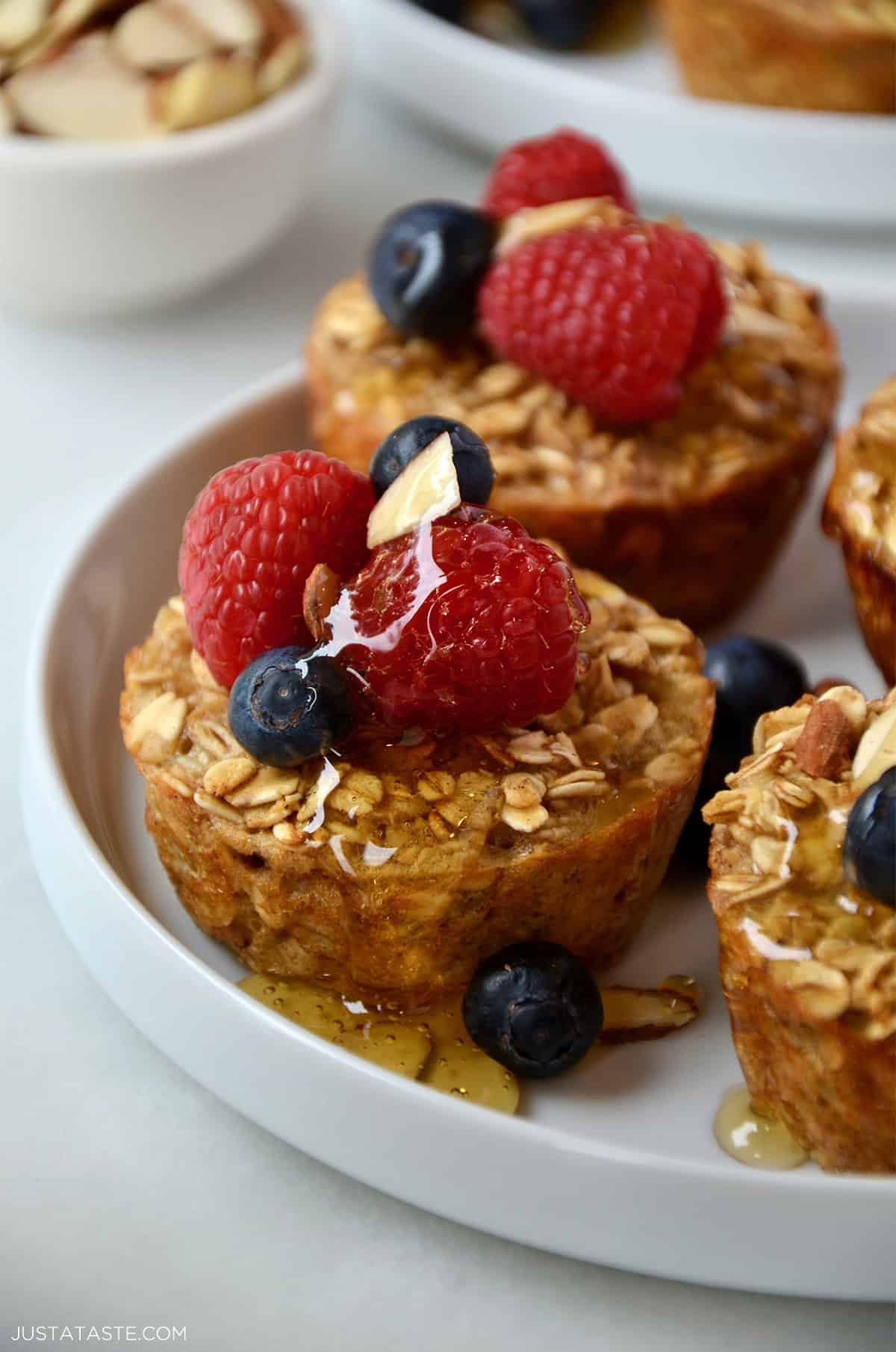
Credit: www.justataste.com
Frequently Asked Questions
Can Cooked Oatmeal Be Safely Frozen?
Yes, cooked oatmeal can be safely frozen. Store it in airtight containers or freezer bags. Freeze for up to 3 months for best quality.
How Do I Reheat Frozen Cooked Oatmeal?
Reheat frozen oatmeal in the microwave or on the stove. Add a splash of milk or water to loosen the texture before heating.
Will Freezing Affect Oatmeal’s Texture Or Taste?
Freezing may slightly change oatmeal’s texture, making it a bit softer. The taste remains largely unchanged if stored properly.
Can I Freeze Oatmeal With Toppings Added?
It’s best to freeze plain oatmeal. Add fresh toppings like fruit or nuts after reheating for better texture and flavor.
Conclusion
Freezing cooked oatmeal saves time and reduces food waste. It stays fresh for up to three months in the freezer. Reheat it easily by microwaving or warming on the stove. Texture may change slightly but taste remains good. Store oatmeal in airtight containers or freezer bags to avoid freezer burn.
This method helps busy people enjoy quick, healthy breakfasts. Try freezing your cooked oatmeal and see how simple it is. A practical way to keep your mornings easy and nutritious.

Hi, I’m Daniel Brooks—a food lover and kitchen gear enthusiast. I enjoy testing cookware, utensils, and gadgets to see what really works in everyday cooking. At PlugChef.com, I share honest reviews, comparisons, and simple guides to help you choose the best tools for a safer, smarter, and more enjoyable kitchen.
Related posts:
 What Type of Cooking Utensils are Safe: Expert Picks
 What Innovations Could Blenders Make: Unleashing Future Tech
 Smart Strategies to Organize a Small Kitchen: Maximize Space
 How to Organize a Kitchen Cabinet: Expert Tips & Tricks
 How to Organize Kitchen Drawers: Expert Tips and Tricks
 How to Organize a Corner Kitchen Cupboard: Expert Tips

