
Have you ever made a big batch of homemade gravy and wondered if you could save some for later? Freezing your gravy might seem tricky, but it can actually save you time and reduce food waste.
Imagine having rich, flavorful gravy ready whenever you want, without starting from scratch. You’ll discover the simple steps to freeze your homemade gravy properly and how to reheat it so it tastes just as delicious as fresh. Keep reading to learn how to make your meals easier and more delicious with this handy kitchen tip!
Freezing Basics For Gravy
Freezing homemade gravy is a smart way to save time and reduce waste. But to keep it tasting fresh and smooth after thawing, you need to handle it right before freezing. Understanding the basics of freezing gravy can help you enjoy that rich flavor anytime without hassle.
Best Containers For Freezing
Choosing the right container makes a big difference in preserving your gravy’s flavor and texture. Use airtight containers or freezer-safe bags to prevent freezer burn and avoid absorbing other odors.
- Glass jars with tight lids work well but leave space for expansion.
- Plastic containers labeled freezer-safe are lightweight and convenient.
- Freezer bags can be flattened for easy stacking and quicker thawing.
Have you tried using silicone molds to freeze individual gravy portions? They’re great for grabbing just the amount you need without thawing the whole batch.
Cooling Gravy Before Freezing
Never freeze gravy while it’s still hot. Hot gravy can raise the freezer temperature and cause other foods to partially thaw.
Let your gravy cool at room temperature for about 30 minutes. Then, transfer it to the fridge until fully chilled before freezing.
This step helps maintain the gravy’s thick consistency and prevents ice crystals from forming, which can ruin the texture.
Portioning Tips
Portioning gravy before freezing saves you from thawing more than you need. Think about your typical meal sizes and freeze in those amounts.
- Use ice cube trays for small portions perfect for a quick side dish.
- Freeze in half-cup or one-cup containers for family dinners.
- Label each portion with the date and amount for easy identification.
How often do you find yourself thawing too much gravy and then wasting the leftovers? Portioning can solve that problem and keep your meals stress-free.

Credit: www.julieseatsandtreats.com
Preserving Flavor And Texture
Freezing homemade gravy is a smart way to save time and reduce waste, but preserving its original flavor and texture can be tricky. If you want your gravy to taste just as rich and smooth after thawing, you need to pay attention to how it’s frozen and reheated. Small adjustments before freezing can make a big difference in the final result.
Avoiding Separation
Gravy often separates when frozen because the fat and liquid components split apart. To prevent this, cool your gravy completely before freezing and stir it well to distribute the fat evenly. Using airtight containers or freezer bags helps minimize exposure to air, which can cause separation and freezer burn.
When reheating, heat the gravy gently over low heat and whisk constantly. This helps the fat recombine with the liquid, restoring its smooth texture. Have you noticed some gravies become oily or grainy after freezing? This simple step can stop that from happening.
Using Thickeners Effectively
Thickeners like flour or cornstarch can behave differently after freezing. Cornstarch-thickened gravies often become thinner once thawed, while flour tends to hold up better. To keep the perfect consistency, consider slightly increasing the amount of thickener before freezing.
If your gravy feels too thin after thawing, whisk in a small slurry of cornstarch and water while reheating. This quick fix brings back the right thickness without changing the flavor. Have you tried thickening gravy after thawing? It’s easier than you think and saves you from watery disappointment.
Adding Fresh Herbs After Thawing
Fresh herbs add vibrant flavor to gravy but can lose their punch when frozen. Instead of freezing herbs with your gravy, add them fresh after thawing. This keeps their flavor bright and your gravy tasting homemade.
Try stirring in chopped parsley, thyme, or rosemary just before serving. This simple step can transform leftover gravy into a fresh-tasting highlight of your meal. What herbs do you think would give your gravy that extra wow factor?
Thawing And Reheating Methods
Freezing homemade gravy is a great way to save time and reduce waste. Proper thawing and reheating keep the taste fresh and texture smooth. It is important to follow safe thawing and reheating steps to enjoy your gravy just like it was freshly made.
Safe Thawing Practices
Thaw frozen gravy in the refrigerator. This keeps it at a safe temperature. Avoid thawing gravy on the counter to prevent bacteria growth. For quicker thawing, place the sealed container in cold water. Change the water every 30 minutes. Microwave thawing is also possible but use low power and short intervals. Stir often to heat evenly.
Reheating Without Losing Flavor
Heat gravy gently on the stove. Use low to medium heat and stir frequently. Avoid boiling, as it can change the flavor and texture. Use a double boiler for even heating without burning. Reheat only the amount you need to keep the rest fresh. Taste and adjust seasoning if needed before serving.
Adjusting Consistency Post-thaw
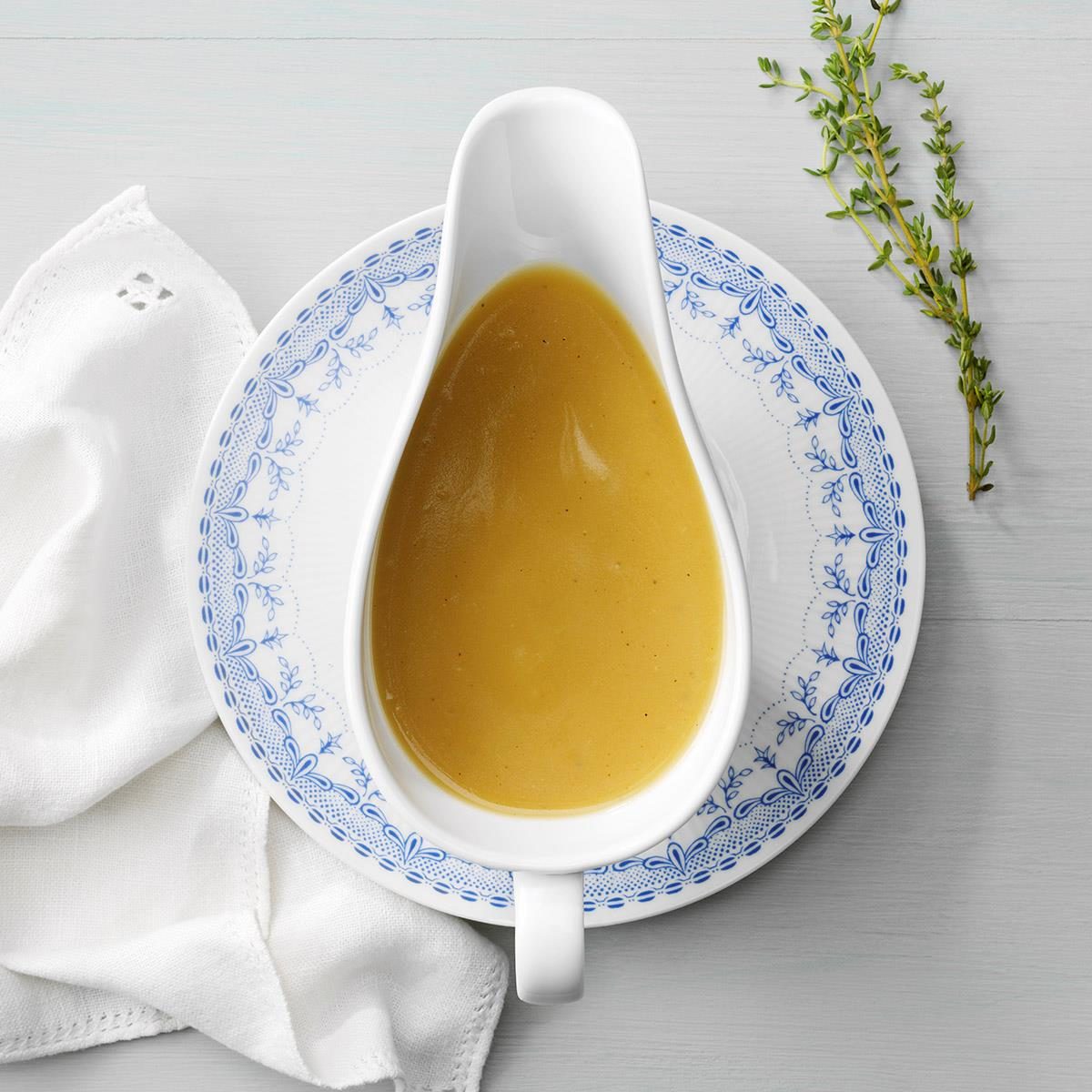
Gravy may thicken or separate after freezing. Whisk it well to combine ingredients again. Add a little broth, water, or milk to loosen thick gravy. Heat slowly while stirring to reach the right texture. For thin gravy, mix in a small amount of cornstarch dissolved in cold water. This helps thicken it without lumps.
Credit: www.tasteofhome.com
Common Mistakes To Avoid
Freezing homemade gravy seems straightforward, but many people make avoidable mistakes that affect the taste and texture. Knowing what to watch out for can save you from a disappointing thaw. Let’s look at some common pitfalls so your gravy stays delicious even after freezing.
Freezing Hot Gravy
Putting hot gravy directly into the freezer is a big mistake. It raises the freezer temperature and can cause uneven freezing, which affects texture and safety.
Always let your gravy cool to room temperature before freezing. You can speed this up by placing the pot in an ice bath or dividing the gravy into smaller containers.
Have you noticed a grainy texture after thawing? That often happens because hot gravy was frozen too quickly without proper cooling first.
Over-thickening Before Freezing
Thick gravy might seem perfect before freezing, but it can become gluey when thawed. Avoid making it too thick by undercooking the roux or sauce slightly.
Remember, gravy tends to thicken further after freezing and reheating. If you’re unsure, keep the consistency a bit thinner than you want.
Next time you prepare gravy for freezing, ask yourself: “Am I making this too thick right now? Will it hold up after thawing?”
Ignoring Storage Time Limits
Gravy doesn’t last forever in the freezer. Ignoring storage times can lead to a loss of flavor and even spoilage.
Label your containers with the freezing date and aim to use the gravy within 3 months. Beyond that, it can develop off-flavors or a stale taste.
Keeping track of storage times can be tedious, but it’s worth it to avoid wasting your hard work and ingredients.
Creative Uses For Frozen Gravy
Homemade gravy freezes well and stays tasty for later use. Frozen gravy can be thawed and used as a sauce or added to soups and casseroles. It saves time and reduces food waste in the kitchen.
Homemade gravy can be a versatile addition to your culinary toolkit, especially when you’ve frozen it for future use. By harnessing the potential of frozen gravy, you can elevate your meals with minimal effort. Whether you’re looking to enhance a quick dinner, reinvent leftovers, or plan ahead with freezer-friendly recipes, frozen gravy can be your secret weapon in the kitchen.Quick Meal Enhancements
Imagine coming home after a long day and wanting a comforting meal without the fuss. Frozen gravy can be your quick fix. Simply thaw and drizzle over mashed potatoes or roasted veggies for an instant flavor boost. If pasta is your go-to, use frozen gravy as a sauce base. Toss it with your favorite pasta and a sprinkle of cheese for a creamy delight. Or how about making a quick sandwich extraordinary? Heat some gravy, dip your sandwich, and experience a burst of flavors.Transforming Leftovers
Leftovers don’t have to be boring. Have some dry turkey or chicken from last night? Reheat it with frozen gravy for a juicy, savory twist. You can also turn leftover rice into a delicious fried rice by adding gravy for a rich taste. Even a simple vegetable stir-fry can be uplifted with a spoonful of gravy, giving it a hearty essence that satisfies.Freezer-friendly Recipes
Planning meals ahead can be a lifesaver. Consider making casseroles or pot pies where frozen gravy acts as a perfect binder. Prepare soups and stews in advance; just add frozen gravy during cooking for a thicker texture and enhanced flavor. Why not try gravy cubes? Pour gravy into ice cube trays before freezing. This way, you can pop out a cube or two to enrich any dish without defrosting the whole batch. Have you ever thought of using gravy in ways you hadn’t considered before? Embrace the versatility of frozen gravy and transform your everyday meals into something extraordinary.
Credit: www.thekitchn.com
Frequently Asked Questions
Can Homemade Gravy Be Frozen Safely?
Yes, homemade gravy can be frozen safely. Cool it completely before freezing. Use airtight containers or freezer bags to preserve freshness and prevent freezer burn.
How Long Does Homemade Gravy Last In The Freezer?
Homemade gravy lasts up to 3 months in the freezer. For best quality, consume it within this time. Label containers with freezing dates for easy tracking.
How Do You Thaw Frozen Homemade Gravy?
Thaw frozen gravy overnight in the refrigerator. Reheat gently on the stove, stirring occasionally. Avoid microwaving on high to prevent texture changes.
Does Freezing Affect Homemade Gravy Texture?
Freezing may slightly change the gravy’s texture. Stir well when reheating to restore smoothness. Adding a little water or broth can improve consistency.
Conclusion
Homemade gravy freezes well and keeps its flavor. Cool it before freezing in a tight container. Thaw gravy slowly in the fridge for best results. Reheat gently on low heat while stirring often. Avoid freezing gravy with cream or thickener added.
Freezing saves time and reduces food waste. Always check gravy smell and texture after thawing. Enjoy your homemade gravy anytime with easy freezing steps. Simple, convenient, and tasty every time.

Hi, I’m Daniel Brooks—a food lover and kitchen gear enthusiast. I enjoy testing cookware, utensils, and gadgets to see what really works in everyday cooking. At PlugChef.com, I share honest reviews, comparisons, and simple guides to help you choose the best tools for a safer, smarter, and more enjoyable kitchen.
Related posts:
 What Type of Cooking Utensils are Safe: Expert Picks
 What Innovations Could Blenders Make: Unleashing Future Tech
 Smart Strategies to Organize a Small Kitchen: Maximize Space
 How to Organize a Kitchen Cabinet: Expert Tips & Tricks
 How to Organize Kitchen Drawers: Expert Tips and Tricks
 How to Organize a Corner Kitchen Cupboard: Expert Tips