
Have you ever reached for cornstarch while cooking, only to find none in your pantry? You might wonder if cornmeal can step in as a substitute.
It’s a common question that can save you time and frustration in the kitchen. But is cornmeal really a good stand-in for cornstarch? Keep reading to discover the surprising differences and find out when—and how—you can use cornmeal instead. This simple tip could change the way you cook and help you avoid last-minute grocery runs.
Differences Between Cornmeal And Cornstarch
Cornmeal and cornstarch come from corn but serve very different purposes in the kitchen. Understanding their differences helps decide if one can replace the other. They differ in texture, uses, and nutrition. Knowing these details makes cooking easier and results better.
Texture And Composition
Cornmeal is ground dried corn kernels. It has a coarse, gritty texture. Cornstarch is a fine, white powder. It is made from the starchy part of the corn kernel only. Cornmeal contains fiber and bits of the corn’s outer shell. Cornstarch is almost pure starch with no fiber.
Common Uses In Cooking
Cornmeal is often used in baking bread, muffins, and pancakes. It adds crunch and a slightly grainy texture. Cornstarch is a thickening agent for sauces, soups, and gravies. It creates a smooth, glossy finish. Cornmeal cannot thicken liquids the same way cornstarch does.
Nutritional Profiles
| Component | Cornmeal | Cornstarch |
|---|---|---|
| Calories (per 100g) | 370 | 381 |
| Carbohydrates | 79g | 91g |
| Fiber | 7g | 0g |
| Protein | 8g | 0g |
| Fat | 4g | 0g |
Cornmeal offers more fiber and protein. Cornstarch is mostly carbohydrates. These differences affect health and digestion.

Credit: www.glutenfreealchemist.com
How Cornstarch Works In Recipes
Understanding how cornstarch functions in recipes can elevate your cooking. Cornstarch is a versatile ingredient that enhances the texture of many dishes. It serves as an essential thickening agent, creating the desired consistency in soups, sauces, and desserts. Below, we explore its thickening properties, ideal dishes for its use, and its limitations.
Thickening Properties
Cornstarch thickens liquids by absorbing moisture. When heated, it forms a gel-like consistency. This process is called gelatinization. It occurs when cornstarch is mixed with water and heated. The heat causes the starch molecules to swell and absorb water. This results in a thicker liquid.
Ideal Dishes For Cornstarch
Cornstarch works best in clear, glossy sauces. It’s perfect for gravies and clear soups. It is also used in puddings and pie fillings. Its neutral flavor doesn’t alter the taste of dishes. This makes it a popular choice in delicate recipes.
Limitations And Considerations
Cornstarch loses its thickening ability if overcooked. It can break down under prolonged heat. This results in a thinner consistency. Also, it is not suitable for acidic or dairy-based sauces. Cornstarch can clump if not mixed well. Always dissolve in cold water before adding to hot liquids.
Cornmeal As A Substitute
If you find yourself out of cornstarch, you might wonder if cornmeal can step in as a substitute. Both come from corn but serve very different purposes in the kitchen. Understanding how cornmeal works as a thickener will help you decide whether it fits your recipe needs.
Suitability For Thickening
Cornmeal can thicken sauces and soups, but it behaves differently than cornstarch. Its coarse texture means it won’t dissolve completely, leaving a grainy feel if not cooked long enough. You’ll need to simmer dishes longer to soften the cornmeal and achieve some thickening.
Think about dishes like chili or stews where a bit of texture is welcome. Cornmeal can add body while thickening, but it won’t create the smooth, glossy finish cornstarch provides. If smoothness is your goal, cornmeal might not be the best choice.
Impact On Texture And Flavor
Cornmeal adds a noticeable texture and a slightly nutty, earthy flavor. This can enhance rustic dishes but might clash with delicate or creamy recipes. Have you ever added cornmeal to a sauce only to find it gritty? That’s the texture difference at work.
Remember, the flavor impact can be an advantage or a drawback depending on your dish. Cornstarch is neutral, while cornmeal contributes its own personality. Use this to your benefit when making dishes like cornbread stuffing or hearty casseroles.
When To Avoid Using Cornmeal
Steer clear of cornmeal if you want a clear, smooth sauce or glaze. It won’t dissolve like cornstarch and can make liquids cloudy or lumpy. Also, avoid it in desserts where a fine, silky texture is critical, such as custards or puddings.
If your recipe calls for quick thickening without changing taste or texture, cornmeal won’t meet those needs. Instead, consider other substitutes like arrowroot or potato starch. Have you tested cornmeal in a delicate sauce? Your experience might reveal its limits firsthand.
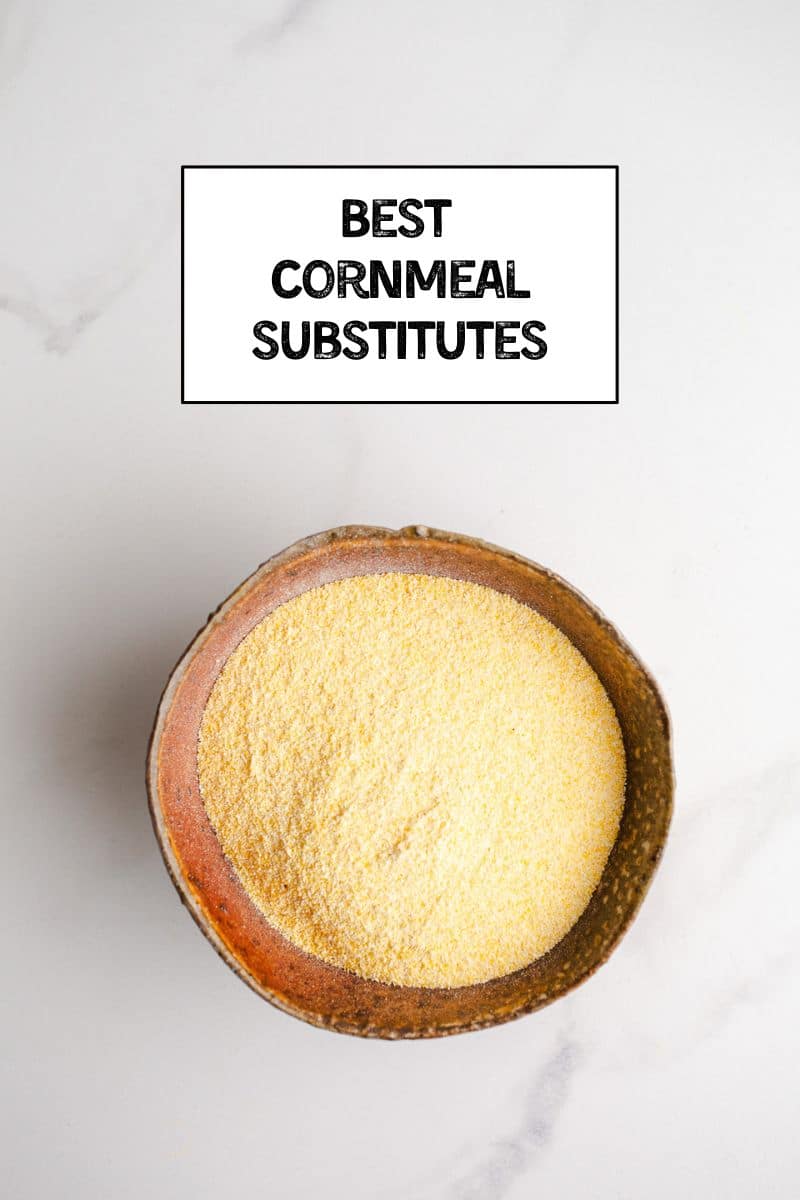
Credit: saltedplains.com
Alternative Substitutes To Cornstarch
Finding the right substitute for cornstarch can feel tricky, especially when your recipe depends on that perfect thickening texture. Luckily, there are several alternatives that can step in without compromising your dish. Understanding these options helps you choose what fits your pantry and your cooking style best.
Flour Options
Flour is a common and accessible substitute for cornstarch. It thickens sauces and soups well, though it may require a bit more quantity—usually about twice as much as cornstarch.
Using all-purpose flour gives a slightly cloudier finish compared to cornstarch’s clear appearance. You can toast the flour lightly before adding it to enhance the flavor and reduce any raw taste.
Other Starch Choices
If you want a closer texture to cornstarch, try potato starch or tapioca starch. Both offer excellent thickening power and create a glossy finish that looks appealing in gravies and desserts.
Arrowroot is another great option, especially for acidic dishes or recipes you plan to freeze. It thickens at lower temperatures and remains stable when reheated, unlike some starches that can break down.
Natural Thickening Agents
Natural options like ground flaxseeds or chia seeds can work as thickeners, bringing added nutrition to your meals. When mixed with water, they form a gel-like consistency that helps thicken smoothies or puddings.
Gelatin and agar-agar are ideal if you want a firmer texture, like in jellies or panna cotta. These agents set your dish rather than just thickening it, so think about the final texture you want to achieve.
Tips For Successful Substitution
Substituting cornmeal for cornstarch requires care to get the best results. Each ingredient behaves differently in recipes. Cornmeal is coarser and adds texture, while cornstarch is fine and smooth. To use cornmeal as a substitute, focus on how much you use, how you cook it, and testing the final texture.
Adjusting Quantities
Cornmeal is heavier and less powerful at thickening. Use about twice the amount of cornmeal as cornstarch. For example, replace 1 tablespoon of cornstarch with 2 tablespoons of cornmeal. Using too much cornmeal can make dishes gritty. Start with less and add more if needed.
Cooking Techniques
Cook cornmeal longer to soften its texture. Add it slowly to hot liquids to avoid lumps. Stir constantly while cooking. Cornmeal works better in slow-cooked recipes. Avoid using it in clear sauces or soups where smoothness matters.
Testing Consistency
Check the thickness during cooking. Cornmeal thickens slowly, so be patient. If the mixture feels too thick, add a little water or broth. If it is too thin, cook longer or add a small pinch more cornmeal. Taste to ensure the texture is pleasant.

Credit: www.glutenfreealchemist.com
Frequently Asked Questions
Can Cornmeal Replace Cornstarch In Recipes?
Cornmeal cannot directly replace cornstarch due to texture differences. Cornmeal is coarse, while cornstarch is fine and smooth. Cornstarch thickens sauces without changing texture; cornmeal adds graininess and density, making it unsuitable for thickening liquids.
What Happens If I Use Cornmeal Instead Of Cornstarch?
Using cornmeal instead of cornstarch results in a gritty texture. Cornmeal does not dissolve well in liquids. It won’t create the smooth, glossy finish cornstarch provides. The dish may become dense and grainy rather than silky and thick.
Is Cornmeal A Good Thickening Agent Like Cornstarch?
Cornmeal is not an ideal thickener like cornstarch. Cornstarch thickens quickly and smoothly. Cornmeal’s coarse texture makes it better for baking and breading, not thickening sauces or soups. Use cornstarch for clear, smooth thickening results.
Can Cornmeal Affect The Taste Of Dishes?
Yes, cornmeal adds a distinct, slightly nutty flavor to dishes. Cornstarch is flavorless and doesn’t alter taste. Using cornmeal instead of cornstarch may change the flavor profile, especially in delicate sauces or desserts.
Conclusion
Cornmeal and cornstarch are different ingredients with unique uses. Cornstarch works well as a thickener for sauces and soups. Cornmeal has a coarser texture and cannot always replace cornstarch. Using cornmeal instead may change the texture and appearance of your dish.
Choose the right ingredient based on your recipe’s needs. Understanding these differences helps you cook better meals. Experiment carefully to find what works best in your kitchen. Simple swaps do not always give the same results. Keep this in mind when you cook or bake next time.

Hi, I’m Daniel Brooks—a food lover and kitchen gear enthusiast. I enjoy testing cookware, utensils, and gadgets to see what really works in everyday cooking. At PlugChef.com, I share honest reviews, comparisons, and simple guides to help you choose the best tools for a safer, smarter, and more enjoyable kitchen.
Related posts:
 What Type of Cooking Utensils are Safe: Expert Picks
 What Innovations Could Blenders Make: Unleashing Future Tech
 Smart Strategies to Organize a Small Kitchen: Maximize Space
 How to Organize a Kitchen Cabinet: Expert Tips & Tricks
 How to Organize Kitchen Drawers: Expert Tips and Tricks
 How to Organize a Corner Kitchen Cupboard: Expert Tips