
Have you ever opened a bottle of water, taken a sip, and then wondered if it’s still safe to drink days later? You’re not alone.
Many people have pondered this question, often without knowing the full story. You might think that water, being a natural and pure substance, can’t go bad. But what happens once you’ve cracked that seal? The answer might surprise you. Imagine this: you’re reaching for that half-empty bottle sitting on your desk or in your car.
You hesitate, suddenly worried about bacteria, taste changes, and the possibility of contamination. Can bottled water really go bad after opening, or is it just a myth? Understanding the science behind this common dilemma can save you from making a risky choice—and it can also offer peace of mind. We’ll dive into the factors that affect bottled water once it’s opened, unraveling the myths and truths. You’ll learn how to store it safely, recognize signs of spoilage, and make informed decisions about what’s best for your health. So, before you take another sip, let’s explore whether your trusty bottle of water might be hiding secrets you need to know.
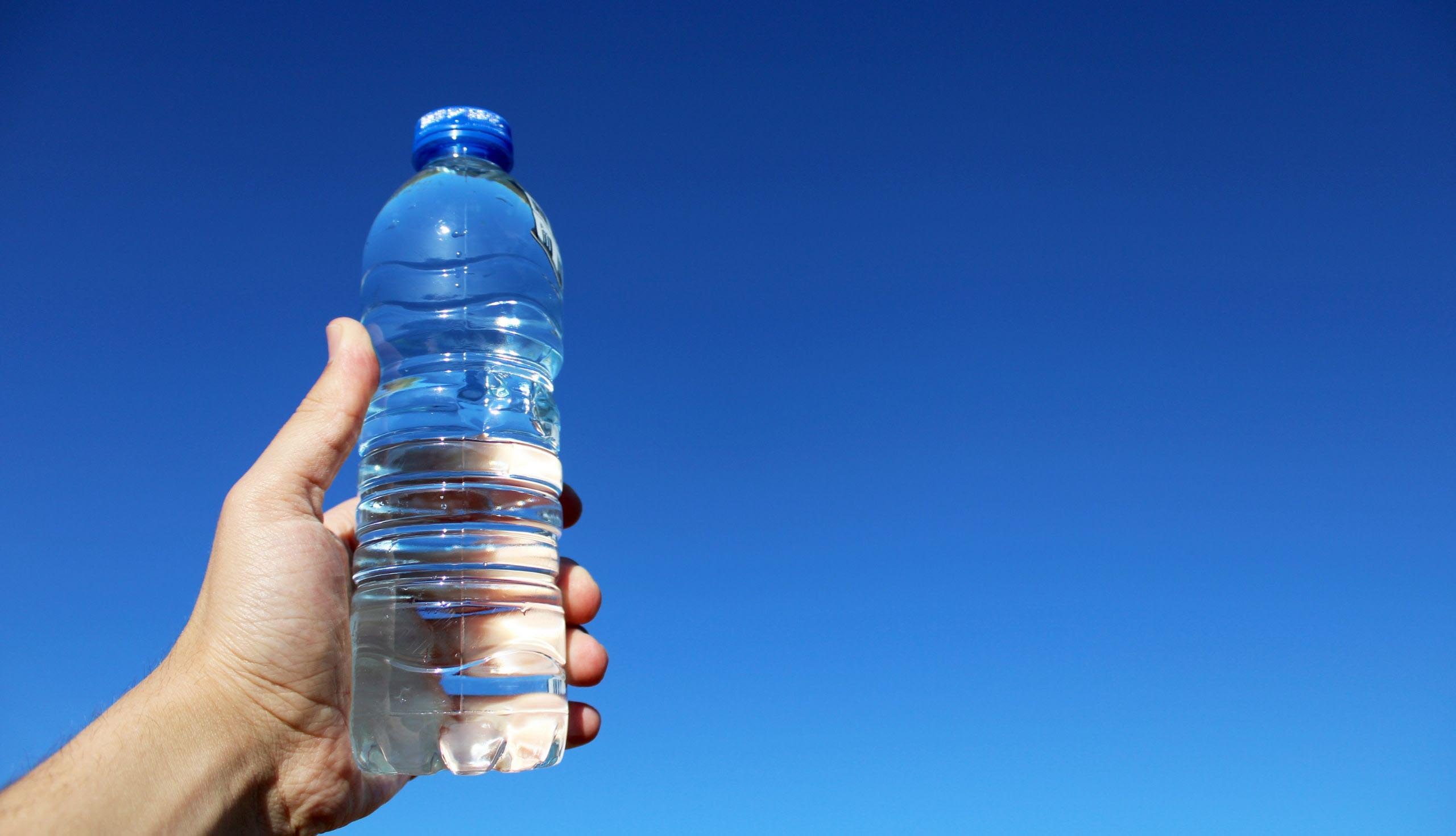
Credit: quench.culligan.com
Shelf Life Of Bottled Water
Have you ever grabbed a bottle of water, taken a sip, and wondered how long it’s safe to drink? You’re not alone. Many people are unsure about the shelf life of bottled water after it’s been opened. While the expiration date on the bottle gives you a rough idea, there’s more to consider once you’ve twisted off the cap. Understanding how long your bottled water stays fresh can help you make smarter choices and avoid wasting those half-empty bottles left sitting on your kitchen counter.
Understanding The Expiration Date
Most bottled waters come with an expiration date printed on the label. But what does it really mean? It’s not the water itself that expires, but the bottle. The plastic can leach chemicals into the water over time. After opening, this process accelerates, affecting taste and safety. So, paying attention to that date helps, but isn’t the full story.
Impact Of Storage Conditions
Where you store your opened bottled water matters. Leaving it in direct sunlight can speed up the breakdown of plastic, altering the taste. Keeping it in a cool, dark place helps maintain freshness longer. Think of it like storing milk: the right environment keeps it drinkable for more days.
Signs Your Water Has Gone Bad
How can you tell if your water has gone bad? Check for unusual tastes or smells. If your water tastes like plastic or has an off odor, it’s time to toss it. Also, if the water seems cloudy or has particles floating, it’s better not to take chances. Your senses are your best guides here.
Practical Tips For Prolonging Shelf Life
Want your bottled water to last longer after opening? Always seal it tightly after each use. Consider transferring it to a glass container for better preservation. Avoid drinking directly from the bottle to minimize bacteria introduction. These simple actions can extend the life of your water significantly.
What happens when you forget your half-empty bottle in the car for a week? It’s usually best to throw it away. While it’s tempting to keep sipping, safety should be your priority. Remember, questioning and observing can save you from potential risks. How do you handle your opened bottled water? Share your tips with us!
Factors Affecting Freshness
Opening bottled water can affect its freshness. Exposure to air, bacteria, and heat may cause changes in taste. Proper storage helps maintain quality and safety.
When you crack open a bottle of water, do you ever wonder how long it will stay fresh? The freshness of bottled water after opening is influenced by various factors that can either preserve or compromise its quality. Let’s dive into these factors, so next time you sip, you’ll know just how to keep your water tasting its best.Exposure To Air
Once you open a bottle of water, it gets exposed to air. This exposure can lead to changes in taste and quality. When air enters the bottle, it can introduce bacteria and other impurities, making the water less fresh over time. Ever notice how water left in a glass starts to taste different after a while? That’s because air has had a chance to interact with it. Make sure to keep the bottle cap tightly closed when not in use to minimize air exposure.Temperature Fluctuations
Temperature plays a critical role in maintaining water’s freshness. If you’ve ever left a bottle of water in a hot car, you know it can taste rather stale afterward. Heat can speed up bacterial growth and chemical reactions, affecting the water’s quality. Store your bottled water in a cool place. A refrigerator can be ideal for keeping water fresh. Ask yourself, does your water taste different when it’s warm versus when it’s chilled?Light Exposure
Light, particularly sunlight, can impact the freshness of bottled water. UV rays can cause chemical reactions in the water, potentially altering its taste and safety. Keep your bottled water away from direct sunlight. Perhaps you’ve noticed how water stored in a clear bottle on a sunny windowsill doesn’t taste as good after a day or two. Protect your water by storing it in a shaded area or in opaque containers. Think about your daily habits. Are you unknowingly affecting your bottled water’s freshness? Adjusting how you store and handle your water can make a big difference in its taste and quality. Next time you grab a bottle, remember these factors to enjoy every sip at its freshest.Signs Of Spoilage
Bottled water can spoil after opening. Signs include a strange taste or smell. Cloudy water or particles are also indicators.
Opening a bottle of water may seem simple, but keeping it fresh can be a little tricky. While bottled water doesn’t spoil like food, it can still go bad after opening. Recognizing the signs of spoilage can help you decide whether to drink it or toss it.Odor And Taste Changes
Have you ever taken a sip of water that just tasted off? A change in odor or taste is a clear sign that something is not right. Water should be tasteless and odorless. If your water has a strange smell or a funny taste, it’s time to part ways with it. Think about the last time you left a bottle open overnight. Did it taste different the next day? That’s because exposure to air can alter its flavor.Presence Of Particles
Spotting particles floating in your water is an immediate red flag. Pure water should be crystal clear. If you see any particles, it could indicate contamination. Maybe you accidentally dropped something in the bottle, or perhaps the water has been sitting open for too long. Either way, drinking it is not worth the risk. It’s better to err on the side of caution.Bottle Material Degradation
The bottle itself can give you clues about the water’s quality. Some plastics degrade over time, especially when exposed to heat or sunlight. Have you ever left a plastic bottle in a hot car and noticed it felt different? The material might have started breaking down, which can leach chemicals into the water. Check for any changes in the bottle’s texture or appearance. If it looks worn out, it’s best to get a new one. Spotting these signs early can save you from an unpleasant drinking experience. Have you noticed any of these signs before? How did it affect your decision to drink the water? Share your thoughts in the comments below!
Credit: sustainability-success.com
Health Risks
Opened bottled water can develop bacteria and an unpleasant taste over time. Ensure freshness by sealing tightly and storing in the fridge. Drinking promptly reduces potential health risks.
Opening a bottle of water might seem harmless, but have you ever wondered about the potential health risks if you don’t finish it right away? Once opened, bottled water can be a breeding ground for various health issues. Understanding these risks is crucial for making informed decisions about your hydration choices.Bacterial Contamination
Bacteria thrive in moist environments, and your opened bottled water is no exception. Once you break the seal, airborne bacteria can find their way into the bottle. Drinking from the bottle can introduce bacteria from your mouth, causing the water to become unsafe over time. Have you ever noticed a funky taste in water left out too long? That’s a warning sign of bacterial growth.Chemical Leaching
Plastic bottles can release chemicals into the water, especially when exposed to heat. Substances like BPA and phthalates are known culprits. These chemicals can seep into the water, posing potential health risks. Storing opened bottles in your car on a sunny day can accelerate this process. Are you inadvertently turning your water into a chemical cocktail?Impact On Immunocompromised Individuals
For individuals with weakened immune systems, the stakes are even higher. A small amount of bacteria or chemicals might be harmless to most, but it can lead to serious health complications in immunocompromised individuals. If you or someone you know has a compromised immune system, it’s wise to be extra cautious with opened bottled water. If you’ve ever thought twice about finishing a bottle later, you’re not alone. Your health is worth considering. What steps will you take to ensure your water is safe?Proper Storage Tips
Bottled water can lose freshness and taste after opening. Store it in a cool, dark place to prevent spoilage. Seal tightly to keep contaminants out and consume within a few days for best quality.
Storing opened bottled water might seem straightforward, but there are specific tips to ensure it remains fresh and safe for consumption. You might have experienced that slightly off taste after sipping from a bottle that sat on the counter for days. Proper storage can prevent this and keep your water tasting fresh. Below are some essential tips to maintain the quality of your bottled water.Ideal Storage Conditions
Store your opened bottle in a cool, dark place. Avoid direct sunlight as it can alter the taste and temperature of the water. A refrigerator is an excellent option for keeping your water chilled and safe. Make sure the cap is tightly sealed. This prevents contaminants from entering and maintains freshness. If you’re at a picnic or outdoor event, consider using an insulated bag to keep the water cool.Duration For Safe Consumption
Once opened, aim to consume the bottled water within a few days. This prevents any potential bacterial growth. While water doesn’t spoil like food, its quality can degrade if left open too long. Check the label for manufacturer recommendations on consumption times. Some brands provide specific guidance for opened bottles, which can help you make informed decisions.Alternative Storage Solutions
If you don’t have fridge space, consider using a cooler with ice packs. This keeps the water cold and fresh even outside the home. For travel, use reusable water bottles with tight-sealing lids. These bottles are designed to keep water fresh longer, and you can refill them as needed. Have you ever wondered why some water tastes better than others after opening? Storage is often the key. By following these simple tips, you ensure every sip remains as refreshing as the first.Environmental Considerations
Opening a bottle of water has more than just health implications. The environment pays a price too. Each plastic bottle contributes to a growing waste problem. Understanding these impacts helps in making informed choices. Let’s explore the environmental effects of bottled water.
Plastic Waste Impact
Plastic bottles don’t disappear after use. They linger in landfills for hundreds of years. Each bottle contributes to the plastic waste crisis. This waste often ends up in oceans and harms marine life. Animals mistake plastic for food. This can lead to their death. The production of plastic bottles also consumes fossil fuels. This increases carbon emissions and environmental degradation. Reducing plastic use can help lessen these impacts.
Sustainable Alternatives
Eco-friendly options are available for those who want to make a change. Reusable water bottles are a great alternative. Made from stainless steel or glass, they reduce waste. These bottles are durable and can last for years. Filtered tap water is another sustainable choice. It provides clean water without the plastic waste. Many communities now offer water refill stations. This encourages the use of reusable bottles. Making small changes can lead to a big difference.

Credit: sustainability-success.com
Frequently Asked Questions
How Long Is Bottled Water Safe After Opening?
Bottled water remains safe for up to two weeks after opening. Store it in a cool, dry place and keep the lid tightly closed to maintain freshness. Always check for any unusual taste or odor before consuming.
How To Tell If Bottled Water Is Bad?
Check for an unusual smell, taste, or color. Inspect the seal for damage or tampering. Look for cloudiness or particles. Verify expiration date. Store in a cool, dark place to prevent spoilage.
Can Bacteria Grow In An Opened Water Bottle?
Yes, bacteria can grow in an opened water bottle. Exposure to air and contact with hands introduce bacteria. Store bottles in a cool place and consume quickly to minimize risk. Regular cleaning helps prevent bacterial growth and ensures safe drinking water.
What Happens When Bottled Water Goes Bad?
Bottled water can develop an off taste or odor when it goes bad. Plastic may leach chemicals, contaminating the water. Bacteria or algae growth can also occur. Always check expiration dates and store bottles in cool, dark places to ensure freshness.
Dispose of any water with unusual taste or smell.
Conclusion
Bottled water can change after opening. Time and exposure affect its taste. Drinking it quickly is best. Check for signs of spoilage. Odd smell? Off taste? It’s probably time to toss it. Store it properly to extend freshness. Cool, dark places work well.
Seal tightly to prevent contamination. Always prioritize health and safety. Awareness helps you enjoy water safely. Remember, freshness matters for quality hydration. Make informed choices for your daily water needs. Enjoy refreshing sips with confidence. Stay hydrated and make smart water decisions.
Keep an eye on bottled water changes.

I’m Abby Lu, a passionate home cook who loves simplifying everyday meals. At PlugChef.com, I share product reviews and cooking guides to help you find the best tools for your kitchen.
Related posts:
 What Type of Cooking Utensils are Safe: Expert Picks
 What Innovations Could Blenders Make: Unleashing Future Tech
 Smart Strategies to Organize a Small Kitchen: Maximize Space
 How to Organize a Kitchen Cabinet: Expert Tips & Tricks
 How to Organize Kitchen Drawers: Expert Tips and Tricks
 How to Organize a Corner Kitchen Cupboard: Expert Tips