
Picture this: you’ve just uncorked a bottle of your favorite wine, savoring the first sip as it dances across your palate. But then, life gets busy.
A few days or weeks pass, and that once delightful bottle still sits on your counter, half-full and lonely. You find yourself wondering, “Can an opened bottle of wine go bad? ” It’s a question that nags at the back of your mind, especially when you consider the taste and quality you enjoyed initially.
You’re not alone in this dilemma. Many wine lovers face the same uncertainty. After all, wine is more than just a beverage; it’s an experience, a moment captured in a glass. The fear of losing that experience can be unsettling. You don’t want to waste a good bottle, nor do you want to ruin the anticipation of the next sip. Understanding what happens to wine once it’s opened can save you from disappointment. It can also help you make the most of your wine-drinking experience. So, if you’re eager to learn how to keep your wine fresh, avoid spoilage, and ensure every glass is as delightful as the first, read on. This article will guide you through everything you need to know to keep your wine tasting its best, no matter when you decide to pour that next glass.
The Shelf Life Of Opened Wine
Ever found an opened bottle of wine lingering in your fridge and wondered if it’s still good? You’re not alone. The shelf life of opened wine is a common concern for many wine lovers. Understanding how long your wine can last once opened can save you from disappointment and help you enjoy your wine at its best.
The Impact Of Air Exposure
Once you pop that cork, air becomes your wine’s new companion. Oxygen starts the process of oxidation, which can transform your delicious wine into a sour experience. While red wines can handle air exposure for a few days, white wines tend to degrade faster. Have you ever noticed how a wine’s flavor changes overnight? It’s a fascinating phenomenon.
Storage Conditions Matter
How you store your opened bottle plays a huge role in its lifespan. Refrigeration slows down oxidation, preserving the wine’s taste. If you’ve ever stored a bottle on your kitchen counter, you might have noticed it didn’t taste as great the next day. Keep your opened bottles in the fridge, even reds.
Wine Type Differences
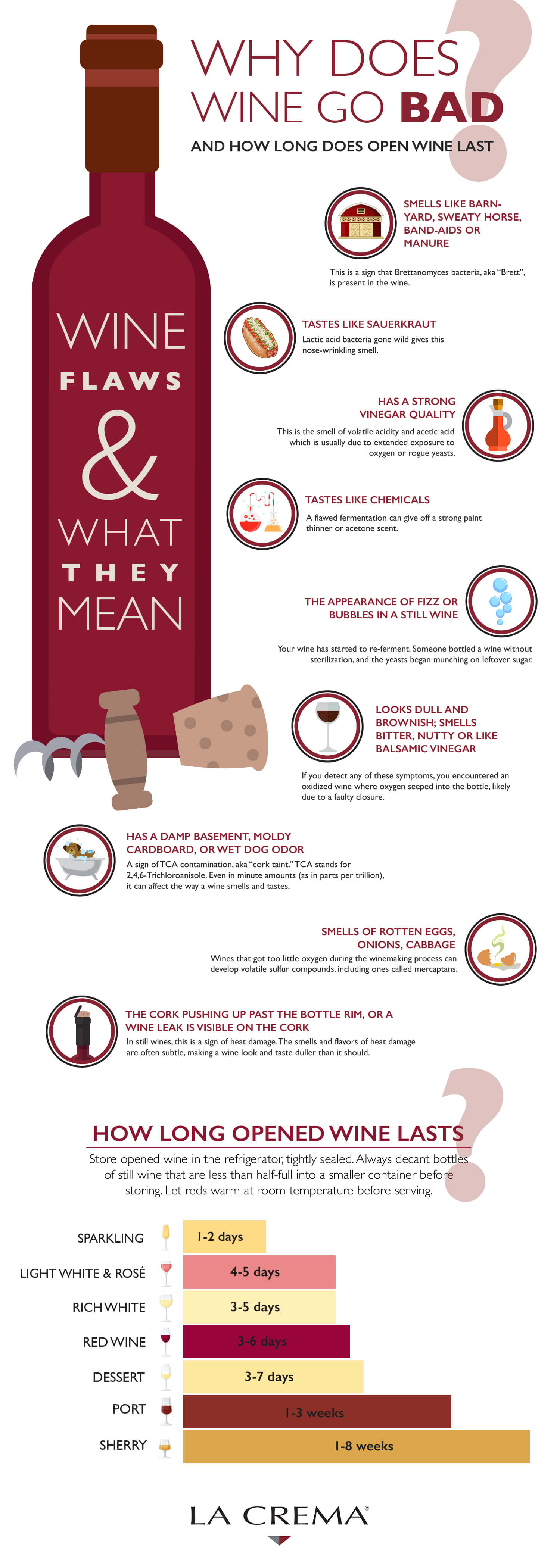
Not all wines are created equal. Sparkling wines lose fizz after opening, quickly becoming flat. Fortified wines, like Port, last longer due to higher alcohol content. Next time you’re sipping, consider the type. Isn’t it interesting how these differences affect shelf life?
Using Wine Preservation Tools
Investing in preservation tools can be a game-changer. Vacuum pumps and gas systems help extend wine’s life by minimizing air exposure. Have you tried these before? They can make your wine last days longer. These tools are handy if you often find yourself with leftover wine.
Personal Experience: The Surprise Of Aging Wine
I once forgot a bottle of Merlot in the fridge for a week. Expecting vinegar, I was surprised to find it still drinkable. This got me thinking about how unpredictable wine aging can be. It’s intriguing how some wines develop unique flavors over time, isn’t it?
So, next time you open a bottle, consider these factors. How will you store it? What tools will you use? Let your wine experience be guided by knowledge, and savor every sip. Have you had any unexpected wine experiences yourself?
Credit: www.lacrema.com
Factors Affecting Wine Longevity
Wine lovers often wonder how long their opened bottle will last. Several factors affect the longevity of wine. By understanding these, you can ensure your wine stays fresh longer. Let’s explore key elements that can impact an opened bottle of wine.
Exposure To Oxygen
Oxygen can be both a friend and enemy to wine. Once a bottle is opened, oxygen starts interacting with the wine. This changes its taste over time. While some air can enhance flavor, too much can spoil it. Use airtight stoppers to limit oxygen exposure.
Temperature Fluctuations
Temperature plays a significant role in wine’s lifespan. Extreme temperatures can damage wine quality. A steady, cool environment is ideal. Avoid storing wine near heat sources or in direct sunlight. Refrigerators can help maintain a stable temperature.
Light Exposure
Light, especially UV rays, can affect wine negatively. Prolonged exposure can lead to unpleasant flavors. Keep wine bottles in dark places. Cabinets or wine cellars offer good protection. Ensure your wine storage area is shielded from light.
Signs Of Spoiled Wine
Ever wondered if your opened bottle of wine has gone bad? Recognizing the signs of spoiled wine is crucial. Bad wine can ruin your dinner or special occasion. Learn to spot the changes that indicate spoilage. Read on to discover these signs and keep your wine fresh.
Changes In Color
Wine color can tell a lot. Spoiled wine often shows visible changes in hue. Red wine may turn brownish. White wine might appear more yellow. These changes signal oxidation. Oxidized wine loses its freshness and taste.
Off Odors
Trust your nose. Spoiled wine emits unpleasant smells. You might notice vinegar-like scents. Wet cardboard or moldy aromas are common. These odors mean the wine has gone bad. A fresh wine has a pleasant, fruity aroma.
Unpleasant Taste
Taste is key. Spoiled wine tastes harsh or sour. It may have a bitter or metallic aftertaste. The flavors are often flat, lacking the usual vibrancy. If the wine tastes off, it’s likely spoiled. Fresh wine offers a balanced and enjoyable taste.
Proper Wine Storage Techniques
An opened bottle of wine can spoil if not stored correctly. Keep it sealed with a cork or stopper. Store in a cool, dark place and consume within a few days. Proper storage helps maintain the wine’s flavor and aroma.
Proper wine storage is crucial to maintaining the taste and quality of your favorite bottle. You’ve probably experienced the disappointment of opening a bottle of wine, savoring a glass, and then wondering how long the rest will last. Understanding effective storage techniques can help prolong the life of your opened wine, ensuring your next sip is as enjoyable as the first.Refrigeration Tips
Refrigeration is your wine’s best friend after opening. Placing your opened bottle in the fridge can slow down the oxidation process. Whether it’s red or white, keeping it cool can preserve its flavors for a few extra days. But have you ever wondered why sometimes, despite refrigeration, wine tastes off? It could be due to temperature fluctuations. Ensure your fridge maintains a consistent temperature to avoid this issue.Using Wine Stoppers
Wine stoppers are an essential tool in preserving your opened wine. They create a seal that minimizes exposure to air. This helps in maintaining the wine’s aroma and taste. However, not all stoppers are created equal. Silicone stoppers are widely recommended because they are easy to use and provide a tight seal. Think of them as a small investment for a better wine experience.The Role Of Vacuum Pumps
Vacuum pumps are another effective method to extend the life of your wine. These handy tools remove air from the bottle, slowing oxidation. This can help keep your wine fresh for up to a week. I once used a vacuum pump during a dinner party, and it saved the last half of a bottle for another night. Have you ever tried using one? If not, it might be worth considering for those special wines you want to savor over time. Storing wine properly is not just for the connoisseurs. With these simple techniques, you can ensure that your opened bottle remains enjoyable, glass after glass. Which method will you try next time you pop open a bottle?Extending Wine’s Freshness
Wine is a delightful addition to any meal or celebration. However, once opened, its freshness can fade. Extending the life of an opened bottle is crucial for wine lovers. Many methods can help keep your wine tasting good longer. Understanding these techniques can prevent waste and enhance your enjoyment.
Creative Uses For Leftover Wine
Leftover wine can be a versatile ingredient. It adds depth to sauces and stews. You can also use it in marinades for meats. Freeze wine in ice cube trays for easy use later. Wine cubes are perfect for soups and risottos. Baking with wine can enhance flavors. Consider using it in cakes or pastries.
Preservation Products On The Market
Many products help preserve wine’s freshness. Vacuum pumps remove air from the bottle. This reduces oxidation, keeping wine fresh longer. Wine stoppers with airtight seals are effective too. Some stoppers come with built-in vacuum technology. Gas preservation systems also exist. These products replace oxygen with inert gas. This minimizes spoilage and maintains flavor.
Credit: www.firstleaf.com
Common Myths About Wine Spoilage
Many people enjoy a good bottle of wine. But confusion exists about how long an opened bottle can last. Some myths circulate about wine spoilage that need debunking. Understanding these myths helps you savor your wine at its best.
The Myth Of Unlimited Shelf Life
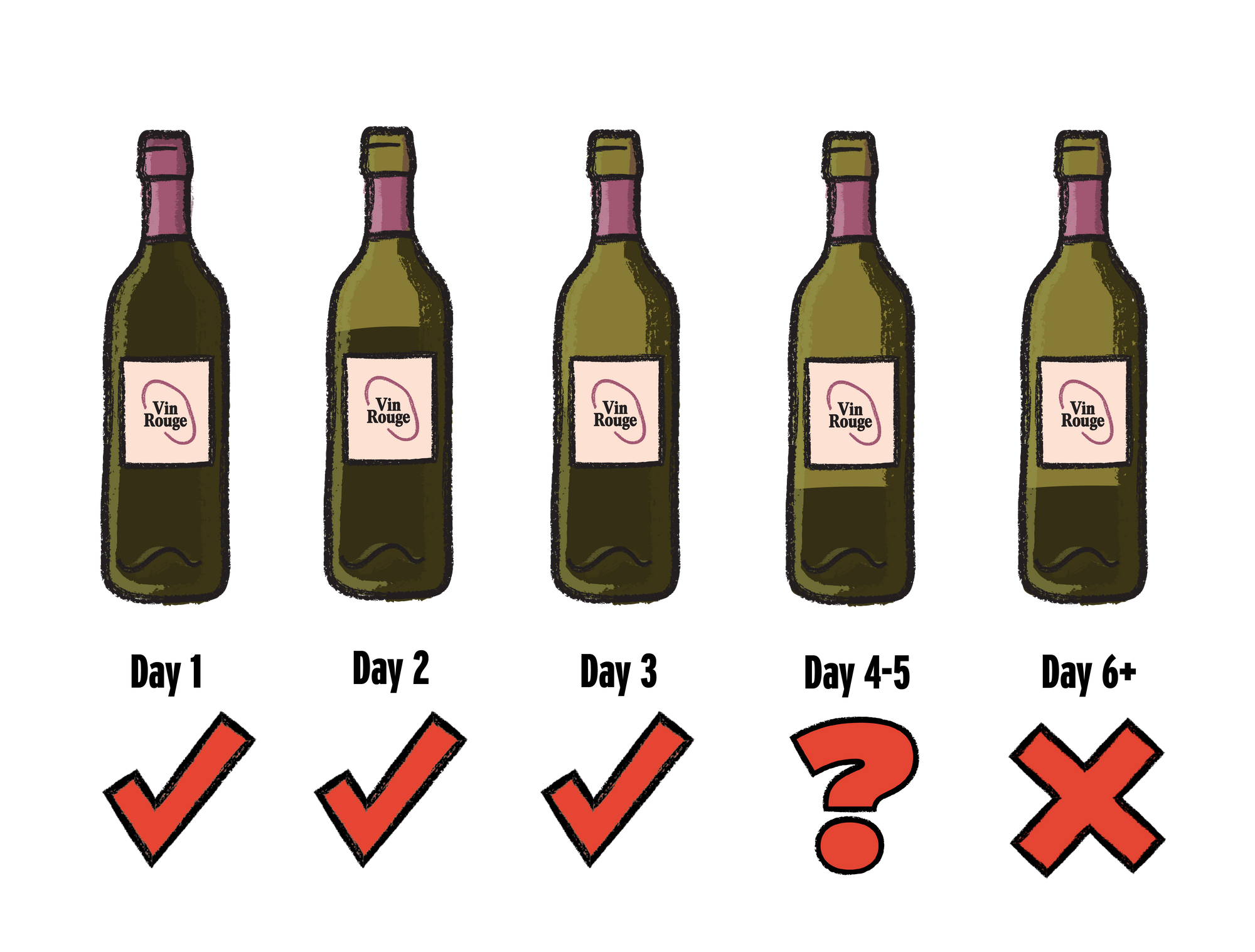
Some believe wine lasts forever once opened. This is not true. Wine starts to change once the bottle is uncorked. Oxygen exposure affects its taste and aroma. Most wines stay good for a few days only. Red wines can last three to five days. Whites usually last a bit longer. Sparkling wines lose their fizz quickly. Always recork and store in the fridge to extend freshness.
Misconceptions About Wine Quality
People often think older wine is better. That is only partially true. While some wines improve with age, most do not. Most wines are meant to be enjoyed young. An opened bottle ages faster than a sealed one. An opened wine can become sour and lose its flavor. If wine smells off or tastes bad, it is likely spoiled. A good wine can turn unpleasant if left open too long.
Credit: www.goodpairdays.com
Frequently Asked Questions
Can I Drink Opened Wine After 2 Weeks?
Opened wine can be consumed after 2 weeks but may lose flavor and freshness. Refrigerate to extend its life.
Is It Bad To Drink Old Opened Wine?
Drinking old opened wine can lead to an unpleasant taste and potential spoilage. Wine oxidizes, losing flavor and aroma over time. It’s best to consume opened wine within a few days to ensure quality. If it smells or tastes off, it’s safer to discard it.
How Long Can You Keep An Opened Wine Bottle?
An opened wine bottle lasts 3-5 days in the fridge with a cork. Red wines last longer than whites. Use a vacuum pump to extend freshness. Check for sour smell or taste before consuming. Proper storage maximizes wine quality and enjoyment.
How Can You Tell If Opened Wine Has Gone Bad?
Check for sour or vinegar-like smell, cloudy appearance, or changed taste. Look for unusual color changes. A spoiled wine might taste sharp or flat. If you notice any off-putting aromas or flavors, the wine has likely gone bad. Always trust your senses when evaluating wine quality.
Conclusion
Wine can lose its charm over time. Open bottles spoil faster. Proper storage helps preserve flavor. Keep wine sealed and cool. Fridge or wine cooler works best. Use within a few days. Check for changes in taste or smell. Off flavors mean it’s gone bad.
Fresh wine enhances enjoyment. Enjoy responsibly, savor every drop. Remember, wine is best when fresh. Share with friends and make memories. It’s about the experience. Treat your wine well for full flavor. Enjoy the journey, not just the destination. Cheers to good wine and good times!

I’m Abby Lu, a passionate home cook who loves simplifying everyday meals. At PlugChef.com, I share product reviews and cooking guides to help you find the best tools for your kitchen.
Related posts:
 What Type of Cooking Utensils are Safe: Expert Picks
 What Innovations Could Blenders Make: Unleashing Future Tech
 Smart Strategies to Organize a Small Kitchen: Maximize Space
 How to Organize a Kitchen Cabinet: Expert Tips & Tricks
 How to Organize Kitchen Drawers: Expert Tips and Tricks
 How to Organize a Corner Kitchen Cupboard: Expert Tips