
When every second counts, having the right tools at your fingertips can make all the difference. A bullet wound first aid kit isn’t just another medical bag—it’s your lifeline in a crisis.
You might never think you’ll need it, but when the unexpected happens, being prepared can save your life or someone else’s. You’ll discover exactly what your bullet wound first aid kit should include, why each item matters, and how to use them effectively.
Don’t wait for an emergency to find out you’re unprepared—read on and take control of your safety today.
Components Of A Bullet Wound First Aid Kit
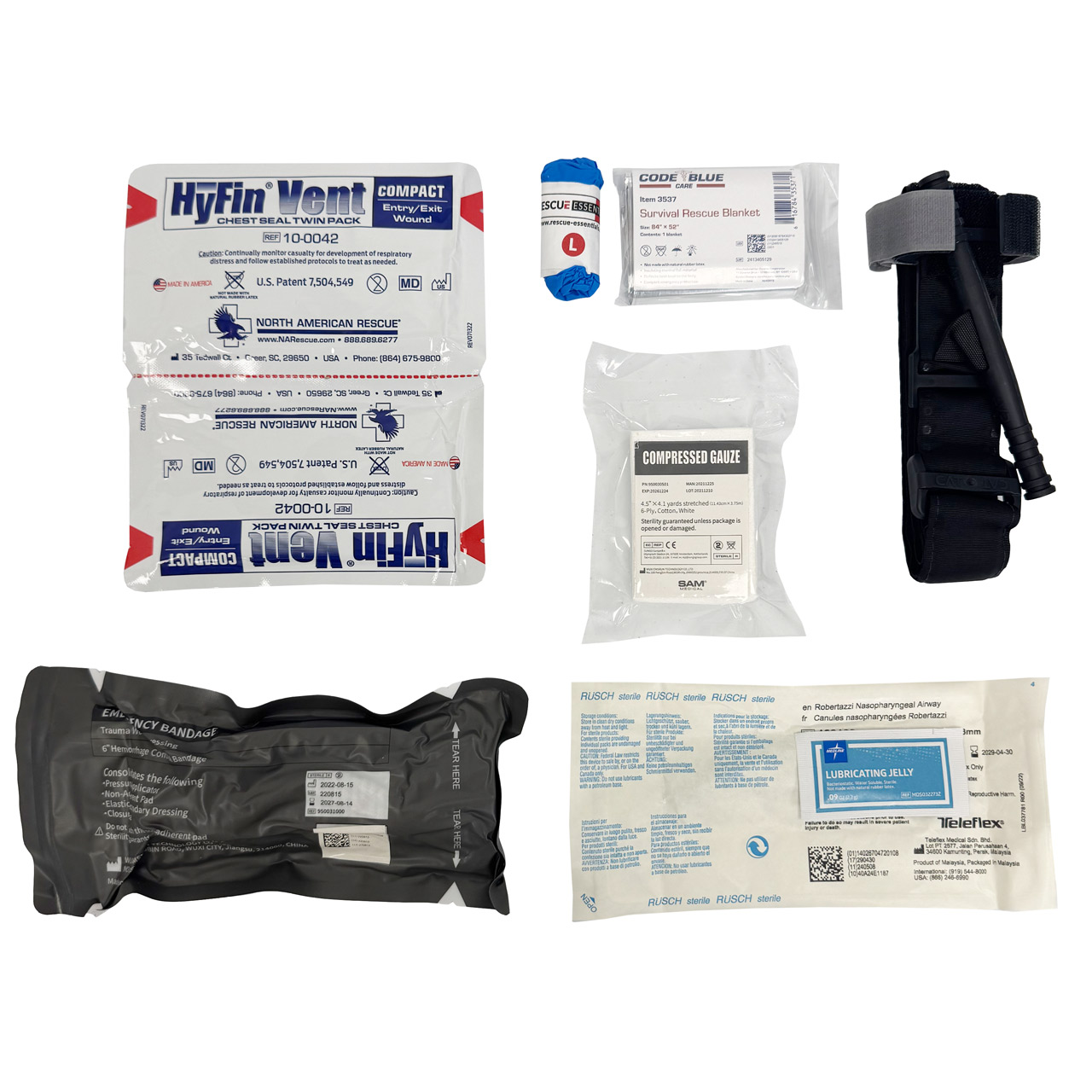
A bullet wound first aid kit must have specific items. These tools help control bleeding and prevent infection. Each component plays a vital role in emergency care. Understanding these parts improves readiness and response.
Bandages And Dressings
Bandages and dressings cover wounds to protect them from dirt. They help stop bleeding and keep wounds clean. Sterile gauze pads absorb blood and fluids. Elastic bandages secure dressings firmly in place. Adhesive strips hold small cuts closed.
Hemostatic Agents
Hemostatic agents speed up blood clotting to stop heavy bleeding. They come as powders, gauze, or sponges. These agents help control severe bleeding fast. They are essential for deep bullet wounds where blood flow is strong.
Tourniquets
Tourniquets stop blood flow to limbs with serious wounds. They are vital for life-threatening bleeding below the injury site. Proper use can save a life by preventing blood loss. Tourniquets must be applied tightly above the wound.
Chest Seals
Chest seals treat gunshot wounds to the chest. They prevent air from entering the chest cavity. This reduces the risk of lung collapse. Seals usually have a sticky surface and a valve for air release. Quick application is crucial for chest injuries.

Credit: rescue-essentials.com
Importance Of Quick Response
Quick response is vital during a bullet wound emergency. Every second counts to improve the victim’s chance of survival. Acting fast reduces the risk of severe complications and permanent damage. Proper first aid can control bleeding and stabilize the injured person before professional help arrives.
Time-sensitive Interventions
Bullet wounds can cause rapid blood loss and tissue damage. Immediate actions can stop further harm. Applying pressure and using a first aid kit quickly can prevent shock. Delays in care increase the chance of life-threatening problems. Fast response helps keep the victim stable until medical teams take over.
Preventing Blood Loss
Stopping blood loss is the top priority in bullet wound care. Blood loss can lead to unconsciousness and death within minutes. A well-stocked first aid kit has items to control bleeding effectively.
- Pressure bandages to close wounds
- Tourniquets for severe bleeding
- Clean dressings to prevent infection
Using these tools quickly minimizes blood loss and improves survival chances. Every moment matters in keeping blood flowing properly.
Steps To Manage A Bullet Wound
Managing a bullet wound requires quick thinking and calm action. Your ability to respond effectively can save a life before professional help arrives. Understanding the key steps helps you stay focused and act confidently during such emergencies.
Assessing The Situation
First, ensure the area is safe for you and the victim. Check for ongoing threats like active shooters or hazards around.
Look at the victim’s level of consciousness and breathing. Are they responsive? Can they talk or move?
Evaluate the wound without touching it too much to avoid causing more harm. Is the bleeding severe? Are there multiple injuries?
Controlling Bleeding
Stopping the bleeding is crucial. Use a clean cloth or gauze to apply firm pressure directly on the wound.
If possible, wear gloves to protect yourself. Keep pressing without lifting to check the wound frequently.
In severe cases, use a tourniquet above the wound if you know how. This can be a lifesaver if bleeding won’t stop.
Stabilizing The Victim
Help the victim lie down and keep them calm. Elevate their legs slightly unless it causes pain or injury.
Cover them with a blanket to maintain body heat. Shock can set in quickly, and warmth helps prevent it.
Keep monitoring their breathing and consciousness until emergency responders arrive. Your steady presence can make a big difference.
Training For Effective Use
Training is vital for the proper use of a bullet wound first aid kit. Knowing how to act fast can save lives. This training helps build confidence and skills to handle emergencies. It focuses on clear, simple actions anyone can perform. Practice and repetition make the response more effective during real situations.
Basic First Aid Skills
Start with basic first aid skills before moving to advanced care. Learn how to stop bleeding using pressure and bandages. Understand how to check breathing and pulse. Know how to keep the injured person calm and still. These skills create a strong foundation for emergency care. They help control the situation until professional help arrives.
Specialized Trauma Care
Specialized trauma care training covers severe injuries like bullet wounds. Learn how to use tourniquets properly to stop heavy bleeding. Practice wound packing techniques to control deep bleeding inside wounds. Understand the signs of shock and how to manage it. This training also teaches safe handling and removal of clothing around the wound. These skills improve survival chances in critical moments.
Choosing The Right Kit
Choosing the right bullet wound first aid kit is vital for effective emergency care. The right kit can save lives by providing the necessary tools quickly. Several factors influence the best choice for your needs.
Size And Portability
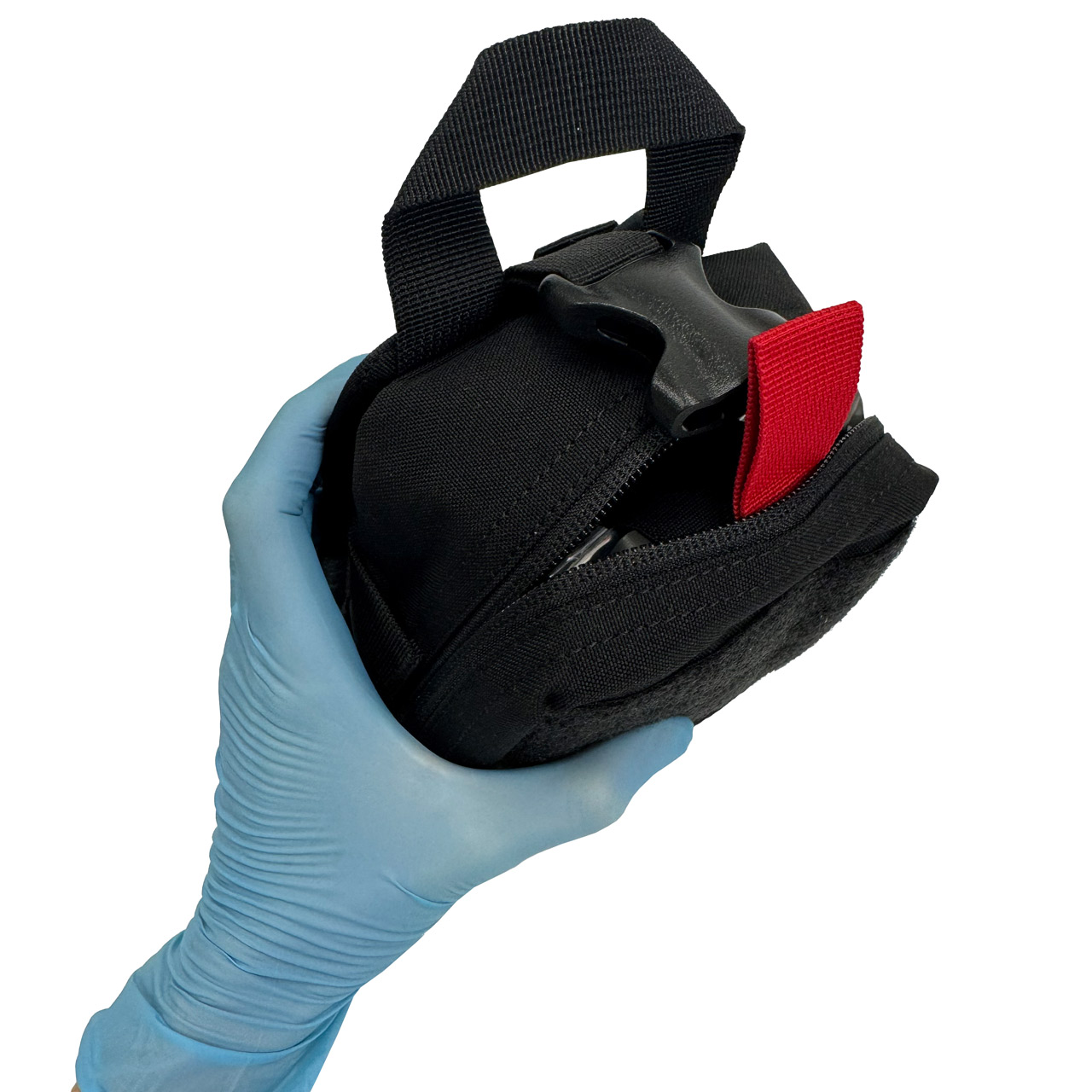
The kit should be compact and easy to carry. Bulky kits can be hard to bring along in urgent situations. A lightweight kit fits well in backpacks or glove compartments. Portability ensures immediate access during emergencies. Consider kits that are small but still have essential supplies.
Quality Of Supplies
High-quality supplies improve the chances of proper wound care. Look for kits with durable bandages, reliable tourniquets, and strong gloves. Sterility is crucial to prevent infection. Check for well-sealed packaging and trusted brands. Quality items boost confidence in handling bullet wounds safely.
Credit: rescue-essentials.com
Legal And Ethical Considerations
Handling a bullet wound first aid kit isn’t just about knowing what supplies to use. It involves understanding the legal and ethical boundaries that come with providing aid. Knowing your rights and duties helps protect both you and the injured person.
Consent And Liability
Before you start giving aid, you must consider consent. If the injured person is conscious and able, always ask for permission. Providing help without consent can lead to legal trouble, even if your intentions are good.
In emergencies where the victim is unconscious or unable to respond, the law often assumes implied consent. This means you can provide necessary aid without explicit permission. Still, it’s important to act within the limits of your training to avoid liability.
Understanding Good Samaritan laws can give you peace of mind. These laws protect people who offer help in emergencies from being sued, as long as they act reasonably and without gross negligence. Have you checked if your state or country has such protections?
Responsibilities Of A First Responder
As a first responder, your primary responsibility is to ensure the safety of both yourself and the victim. Avoid moving the injured unless absolutely necessary, as this can worsen injuries. Your focus should be on stopping bleeding and preventing shock.
Documenting what you do can be crucial later. Note the time you arrived, the aid you provided, and the victim’s condition. This record can protect you legally and help medical professionals continue appropriate care.
Remember, your role is to stabilize, not to diagnose or treat beyond your skill level. Have you prepared yourself with proper training and knowledge about your legal responsibilities before using a bullet wound first aid kit?
Maintenance And Regular Checks
Maintaining a bullet wound first aid kit is crucial for its effectiveness. Regular checks keep the supplies ready for emergencies. Neglecting maintenance can lead to expired or missing items during critical moments. A well-maintained kit ensures quick and proper response to injuries.
Replacing Expired Items
Check expiration dates on all medical supplies often. Expired items lose their effectiveness and may cause harm. Replace expired bandages, antiseptics, and medications promptly. Keep a list of expiration dates for easy tracking. Dispose of old items safely according to local guidelines.
Updating Medical Supplies
Review the contents of the kit regularly to ensure completeness. Add new items based on the latest first aid recommendations. Remove damaged or used supplies immediately. Customize the kit to fit specific needs or changes in environment. Keep the kit organized for quick access during emergencies.
Credit: rescue-essentials.com
Frequently Asked Questions
What Essential Items Are In A Bullet Wound First Aid Kit?
A bullet wound first aid kit includes tourniquets, pressure dressings, gloves, gauze, antiseptics, and shears. These items help control bleeding and prevent infection quickly.
How Do You Use A Tourniquet In Bullet Wound First Aid?
Apply the tourniquet above the wound, tighten it until bleeding stops, and secure it firmly. Note the application time for medical responders.
Can A Bullet Wound First Aid Kit Prevent Infection?
Yes, kits contain antiseptic wipes and sterile dressings to clean wounds and reduce infection risk. Proper use is critical for effectiveness.
When Should You Call Emergency Services After A Bullet Wound?
Call emergency services immediately if there is heavy bleeding, difficulty breathing, or loss of consciousness. Quick professional help is vital.
Conclusion
A bullet wound first aid kit saves lives in emergencies. It helps stop bleeding and reduce pain quickly. Knowing what to include is very important. Keep your kit ready and check it often. Practice how to use the supplies well.
Quick action can make a big difference. Stay calm and use your kit with care. Being prepared means protecting yourself and others. Simple steps can prevent serious harm. Safety starts with having the right tools nearby.

I’m Abby Lu, a passionate home cook who loves simplifying everyday meals. At PlugChef.com, I share product reviews and cooking guides to help you find the best tools for your kitchen.
Related posts:
 What Type of Cooking Utensils are Safe: Expert Picks
 What Innovations Could Blenders Make: Unleashing Future Tech
 Smart Strategies to Organize a Small Kitchen: Maximize Space
 How to Organize a Kitchen Cabinet: Expert Tips & Tricks
 How to Organize Kitchen Drawers: Expert Tips and Tricks
 How to Organize a Corner Kitchen Cupboard: Expert Tips