

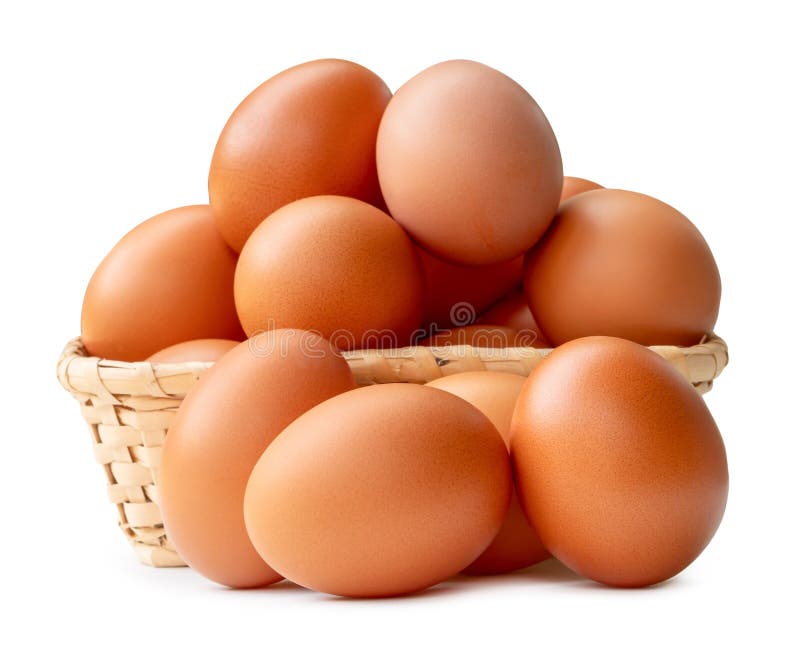
Have you ever wondered why brown eggs in a basket feel so special? There’s something about their warm color and natural look that catches your eye and makes you pause.
Maybe it’s the simple charm they bring to your kitchen or the story they tell about wholesome, farm-fresh goodness. If you want to discover why brown eggs deserve a spot in your basket and how they can change the way you think about eggs forever, keep reading.
This isn’t just about eggs—it’s about making your everyday moments richer and more meaningful.
Credit: www.dreamstime.com
Farm Origins Of Brown Eggs
Understanding where brown eggs come from adds a new layer of appreciation to your breakfast plate. The color of an egg is more than just a visual trait; it’s a clue about the hen’s breed and the farm’s care. Knowing the origins helps you make informed choices about the eggs you buy and eat.
Breed Differences
Different hen breeds lay different colored eggs. Brown eggs usually come from breeds like Rhode Island Reds, Plymouth Rocks, and Sussex. These hens have a genetic trait that causes them to produce brown shells.
Have you noticed how some eggs in the store are almost reddish-brown while others are light tan? This variation depends on the specific breed and even individual hens within the breed. Your choice of eggs can reflect the breed’s natural diversity.
Natural Egg Color
Brown eggs get their color from pigments deposited during egg formation. These pigments, mainly protoporphyrin, come from the breakdown of hemoglobin in the hen’s blood. The darker the pigment, the deeper the brown shade of the eggshell.
Interestingly, the color does not affect the egg’s taste or nutritional value. It’s purely a cosmetic difference. So, when you pick brown eggs, you’re choosing based on the hen’s natural biology rather than quality.
Farm Practices
The way farmers raise their hens impacts the eggs you find in your basket. Farms that focus on free-range or organic practices often promote healthier hens and better living conditions. This can influence the freshness and shell quality of brown eggs.
Consider visiting a local farm or farmers market to see how the hens are cared for. The environment, feed, and handling all affect the eggs’ overall quality. Your eggs tell a story, and farm practices write the chapters.
Nutritional Benefits
Brown eggs in a basket offer more than just a tasty meal. They provide important nutrients that support health. Eating these eggs adds vitamins, minerals, and protein to your diet. Understanding their benefits helps you make smart food choices.
Vitamin And Mineral Content
Brown eggs contain key vitamins like vitamin A, D, and B12. These vitamins help with vision, bone health, and energy. Minerals such as iron, selenium, and zinc are also present. They support the immune system and improve metabolism. These nutrients make brown eggs a healthy addition to meals.
Protein Quality
Protein in brown eggs is complete and easy to digest. It contains all essential amino acids needed by the body. This helps in muscle repair and growth. The protein amount in brown eggs is similar to white eggs. It makes them a good choice for balanced nutrition.
Comparing Brown And White Eggs
Brown and white eggs have similar nutrition. The main difference is the shell color, not the content. Both types provide equal amounts of protein, vitamins, and minerals. The diet of hens may slightly affect taste and yolk color. Nutritionally, brown eggs do not have an advantage over white eggs.
Freshness Factors
When you open a basket of brown eggs, the first thing you might think about is their freshness. Freshness is key to enjoying the full taste and nutritional benefits that eggs offer. Understanding what influences the freshness of your eggs can help you make informed decisions.
Shelf Life
The shelf life of brown eggs can vary, but they generally last between three to five weeks. This is assuming they are stored properly. Always check the expiration date on the carton, and use your senses—look for cracks, feel for any unusual texture, and smell for any off odors.
Storage Tips
Storing your brown eggs correctly can significantly extend their freshness. Keep them in the refrigerator at a consistent temperature. Use the main body of the fridge rather than the door, where temperatures fluctuate more.
- Keep eggs in their original carton to protect them from absorbing strong odors.
- Place them with the larger end up to help maintain the yolk’s centered position.
- Avoid washing eggs until you’re ready to use them, as this can remove their protective coating.
Farm-to-table Journey
Have you ever thought about the journey your brown eggs take from farm to table? It’s a fascinating process that involves careful handling and swift transportation to ensure freshness. Many farms prioritize rapid delivery, often getting eggs from hen to store in less than 48 hours.
Next time you enjoy a fresh brown egg, consider its journey and the care taken to ensure you get the best quality. Isn’t it interesting how a simple basket of eggs can tell such a detailed story?

Credit: www.shutterstock.com
Cooking With Brown Eggs
Cooking with brown eggs offers a unique experience that goes beyond just their color. They can bring subtle differences to your dishes, enhancing both taste and appearance. Understanding these nuances can help you make the most out of your meals.
Flavor Profile
Brown eggs often have a richer, slightly deeper flavor compared to white eggs. This is partly due to the hens’ diet and breed, which influences the yolk’s intensity.
You might notice a creamier texture that holds up well in recipes requiring a robust egg presence. Ever wondered why some omelets taste more satisfying? Brown eggs could be the answer.
Recipe Ideas
- Try making a classic eggs in a basket with brown eggs to enjoy their fuller flavor paired with toasted bread.
- Use brown eggs in quiches or frittatas where their taste can shine through the other ingredients.
- Whip up a batch of custard or homemade mayonnaise to appreciate the color and richness they add.
Have you experimented with swapping white eggs for brown in your favorite recipes? The subtle flavor shift might surprise you.
Visual Appeal In Dishes
Brown eggs add a warm, rustic look to your dishes. The darker yolks create a vivid contrast, making food more appetizing at first glance.
When you crack a brown egg into your pan, the golden yolk stands out beautifully against the white, enhancing presentation.
Consider how this visual boost can make simple meals like scrambled eggs or breakfast bowls more inviting for your family or guests.
Sustainable Farming And Ethics
Sustainable farming and ethics play a crucial role in how brown eggs reach your basket. The way hens are raised impacts not only the quality of the eggs but also the environment and the local communities involved. Understanding these factors helps you make choices that align with your values and health.
Free-range Practices
Free-range hens have access to outdoor spaces, allowing them to move around freely and engage in natural behaviors. This practice improves their well-being and often results in eggs with richer flavors and better nutrition.
Have you noticed the difference in taste when you buy eggs labeled as free-range? That’s because these hens eat a more varied diet and experience less stress.
Environmental Impact
Farming methods affect the planet in many ways. Sustainable farms minimize pollution, reduce waste, and conserve water and soil health.
Choosing eggs from farms that prioritize eco-friendly practices means you support efforts to lower carbon footprints and protect ecosystems. What kind of world do you want your food to come from?
Supporting Local Farmers
Buying brown eggs from local farmers helps sustain small businesses and strengthens community economies. It also often means fresher eggs with fewer transportation emissions.
When you purchase directly from local sources, you can ask about their farming practices and see firsthand how the hens are treated. Wouldn’t you feel better knowing exactly where your food comes from?
Buying And Selecting Tips
Buying and selecting brown eggs for your basket can feel straightforward, but a few smart choices make all the difference in taste and quality. Knowing what to look for helps you avoid disappointment and ensures your meals are fresh and delicious every time. Let’s look at how to pick the best eggs without second-guessing your decision.
Identifying Fresh Eggs
Freshness is key when selecting brown eggs. One simple trick is the water test: place an egg in a bowl of cold water. If it sinks and lies flat, it’s fresh. If it stands upright or floats, it’s older and may not be as tasty.
Also, examine the shell closely. Fresh eggs have a dull, slightly rough surface. A shiny shell often means the egg is older or was washed aggressively, which can reduce its shelf life.
Reading Labels
Labels can tell you a lot about the eggs you buy. Look for terms like “organic,” “free-range,” or “pasture-raised” to understand the hens’ living conditions. These factors affect not only the flavor but also the nutritional quality of the eggs.
Check the packing date or “best by” date to gauge freshness. This information helps you avoid eggs that have been sitting on shelves too long. Don’t hesitate to ask store staff if you’re unsure about label meanings.
Choosing Quality Sources
Where you buy eggs matters. Local farms often provide fresher eggs compared to large supermarkets. Visiting a farmer’s market or joining a community-supported agriculture (CSA) group can connect you with quality egg producers.
If you rely on stores, look for brands that highlight their farming practices. You might even discover varieties like omega-3 enriched brown eggs, which offer added health benefits. Have you ever noticed a distinct taste difference when switching brands? Your choice of source could be why.

Credit: www.freepik.com
Frequently Asked Questions
Why Are Brown Eggs Placed In A Basket?
Brown eggs in a basket signify freshness and natural quality. The basket protects eggs during transport and storage. It also adds a rustic, aesthetic appeal to the presentation, enhancing the overall experience.
Are Brown Eggs Healthier Than White Eggs?
Brown eggs are nutritionally similar to white eggs. The color difference comes from the hen’s breed, not nutrition. Both contain equal proteins, vitamins, and minerals, making them equally healthy choices.
How Should Brown Eggs Be Stored In A Basket?
Store brown eggs in a cool, dry place inside the basket. Avoid direct sunlight or humidity to keep them fresh. Refrigeration is recommended for longer shelf life and safety.
What Is The Significance Of Brown Eggs In Cooking?
Brown eggs have a richer taste, often preferred in baking. Their thicker shells can protect the contents better during cooking. They add visual appeal to dishes, enhancing presentation and flavor perception.
Conclusion
Brown eggs in a basket offer a simple, natural charm. They bring warmth and comfort to any table. Choosing brown eggs can connect you with nature’s beauty. Their taste and freshness often surprise many. Enjoy the wholesome feel they add to meals.
A basket of brown eggs invites calm and joy. Try them and see the difference yourself. Simple pleasures make everyday moments special.

I’m Abby Lu, a passionate home cook who loves simplifying everyday meals. At PlugChef.com, I share product reviews and cooking guides to help you find the best tools for your kitchen.
Related posts:
 What Type of Cooking Utensils are Safe: Expert Picks
 What Innovations Could Blenders Make: Unleashing Future Tech
 Smart Strategies to Organize a Small Kitchen: Maximize Space
 How to Organize a Kitchen Cabinet: Expert Tips & Tricks
 How to Organize Kitchen Drawers: Expert Tips and Tricks
 How to Organize a Corner Kitchen Cupboard: Expert Tips