

Craving a healthy, delicious dinner but don’t have time to thaw your salmon? You’re in luck.
Baked salmon fillets from frozen are a game-changer for quick meals that don’t skimp on taste or nutrition. Imagine putting a perfectly seasoned fillet straight from the freezer into the oven and getting juicy, flaky salmon every time. You’ll discover simple steps and expert tips to make this effortless dish your new favorite.
Ready to impress yourself with an easy, mouthwatering meal? Let’s dive in!
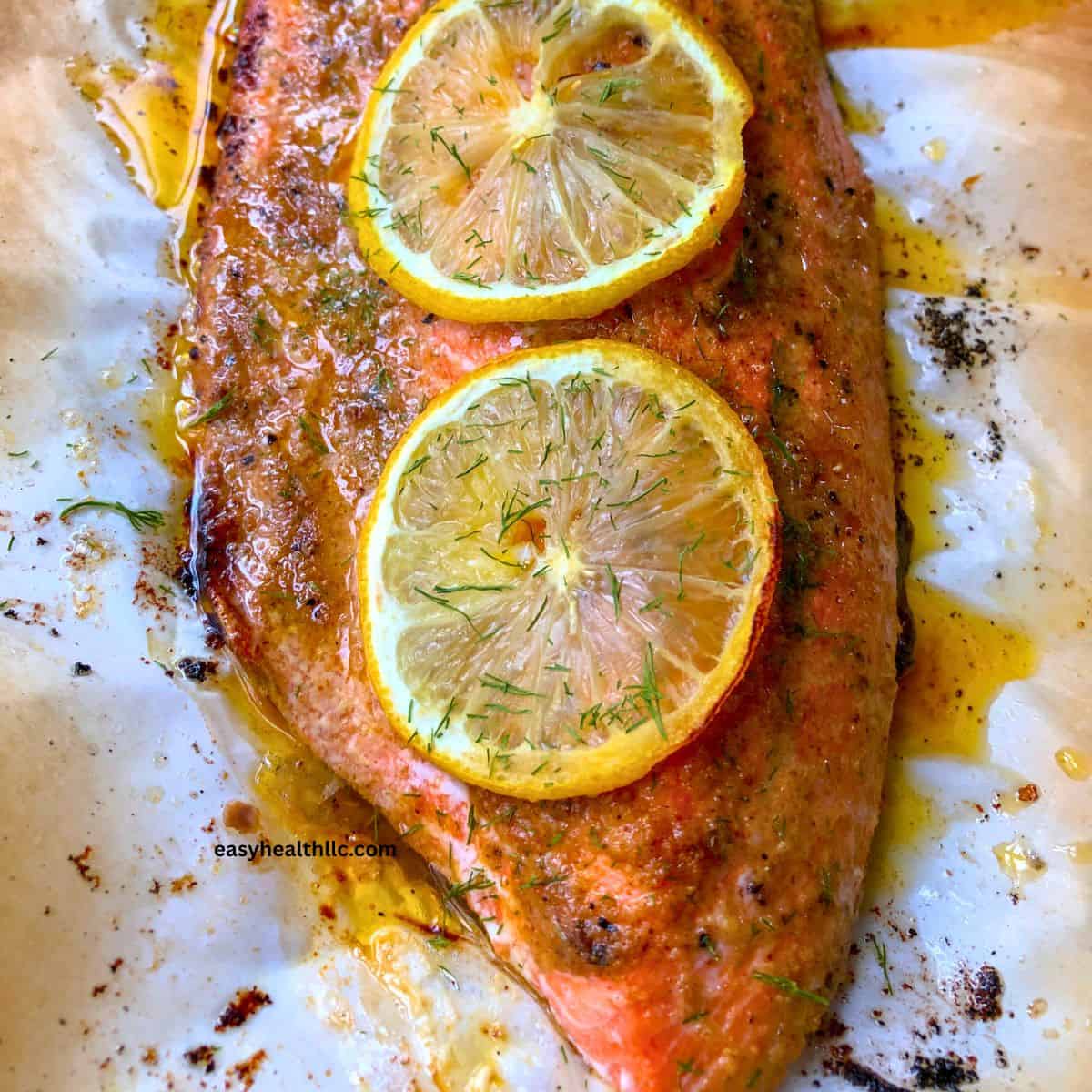
Credit: easyhealthllc.com
Benefits Of Baking Salmon From Frozen
Baking salmon fillets from frozen offers several benefits that suit busy lifestyles and simple cooking routines. This method saves time without sacrificing taste or nutrition. It also helps keep the salmon fresh and flavorful. Many people enjoy this easy way to prepare a healthy meal fast.
Time-saving Advantages
Baking salmon from frozen skips the thawing step. This cuts down meal prep by minutes. You can place frozen fillets directly in the oven. It reduces cooking stress on busy days. The process is straightforward and quick. Perfect for quick dinners or last-minute meals.
Maintaining Freshness And Flavor
Freezing locks in the salmon’s natural taste and texture. Baking from frozen keeps these qualities intact. The fish stays moist and tender during cooking. It avoids the risk of spoilage from thawing too long. You enjoy salmon that tastes fresh and rich.
Nutritional Benefits
Salmon frozen soon after catching retains most nutrients. Baking from frozen helps preserve omega-3 fatty acids. Protein and vitamins stay strong throughout cooking. This method supports a healthy diet easily. Each serving delivers essential nutrients for your body.
Choosing The Right Salmon Fillets
Choosing the right salmon fillets is key to a delicious meal. The type of salmon affects flavor, texture, and cooking time. Picking the best fillet ensures a tasty, healthy dish every time.
Wild Vs. Farmed Salmon
Wild salmon swims freely in oceans and rivers. It has a richer taste and firmer texture. Farmed salmon grows in controlled environments. It is usually milder and fattier. Both types offer good nutrition but differ in flavor and price.
Skin-on Or Skinless Options
Skin-on fillets protect the flesh during cooking. They add crispiness when baked properly. Skinless fillets cook faster and are easier to eat. Choose based on your cooking method and personal preference.
Quality Indicators
- Look for bright, firm flesh without discoloration.
- The fillet should smell fresh, not fishy.
- Check for moist but not slimy texture.
- Frozen fillets should be solid with no ice crystals.
Preparing Frozen Salmon For Baking
Preparing frozen salmon for baking is simple and satisfying. It ensures a delicious meal with minimal effort. Whether cooking for family or friends, following these steps will enhance the salmon’s flavor and texture.
Proper Thawing Techniques
Thawing frozen salmon properly is crucial. Place the salmon in the fridge overnight. This gradual thawing keeps the texture intact. If you’re short on time, use a cold water bath. Seal the salmon in a plastic bag. Submerge it in cold water, changing the water every 30 minutes. This method is faster, taking about an hour for small fillets.
Seasoning And Marinades
Seasoning enhances the salmon’s natural flavors. Lightly coat with olive oil to start. Sprinkle with salt and pepper. For a zestier taste, consider a marinade. Mix lemon juice, garlic, and dill for a fresh flavor. Let the salmon absorb the marinade for 20 minutes. This step adds depth to every bite.
Using Foil And Baking Dishes
Baking salmon in foil preserves moisture. Place the salmon on a large piece of foil. Fold the edges to create a sealed packet. This traps steam and enhances tenderness. Alternatively, use a baking dish. Arrange the salmon fillets in a single layer. Cover with foil to prevent dryness. Bake in a preheated oven at 375°F until cooked through.
Easy Baked Salmon Recipes
Baked salmon is a simple, healthy meal that fits any schedule. Using frozen fillets saves time on shopping and prep. These easy baked salmon recipes use common ingredients and quick steps. Perfect for weeknight dinners or weekend meals.
The recipes focus on bold flavors that complement the natural taste of salmon. Each recipe requires minimal effort but delivers great results. Just bake the salmon straight from frozen and enjoy a tasty dish.
Lemon Garlic Salmon
This recipe brightens salmon with fresh lemon and garlic. The lemon adds a zesty flavor while garlic brings warmth. Mix lemon juice, minced garlic, olive oil, salt, and pepper. Spread the mixture over frozen fillets. Bake until the salmon flakes easily with a fork. Serve with steamed vegetables or rice for a simple meal.
Honey Mustard Glazed Salmon
This glaze combines honey’s sweetness with mustard’s tang. Stir honey, Dijon mustard, a little soy sauce, and garlic powder. Brush the glaze on frozen salmon fillets before baking. The glaze caramelizes in the oven, creating a shiny, flavorful coating. Pair with roasted potatoes or a fresh salad to balance the flavors.
Herb-crusted Salmon
Herbs add fresh, earthy flavors to the salmon. Mix chopped parsley, dill, thyme, salt, and pepper with olive oil. Press the herb mix onto the frozen salmon fillets. Bake until the crust is fragrant and the fish is cooked through. This recipe works well with steamed green beans or quinoa for a healthy plate.
Tips For Perfectly Baked Salmon
Baking salmon fillets from frozen can be simple and tasty. A few key tips help get the best results every time. These tips focus on oven settings, knowing when the fish is done, and keeping it juicy.
Optimal Oven Temperatures
Set your oven between 375°F and 400°F (190°C to 205°C). This range cooks the salmon evenly without drying it out. Too low, and the fish cooks slowly, losing flavor. Too high, and the outside cooks too fast, leaving the inside raw.
Checking Doneness
Check salmon by its color and texture. The flesh should look opaque and flake easily with a fork. Avoid cutting too early to prevent moisture loss. Use a food thermometer if unsure. The safe internal temperature is 145°F (63°C).
Avoiding Overcooking
Remove salmon from the oven as soon as it reaches the right temperature. Salmon continues cooking after it is out of the oven. Let it rest for a few minutes on the plate. This keeps the fish moist and tender for a perfect bite.
Serving Suggestions And Side Dishes
Serving your baked salmon fillets straight from frozen opens up a world of easy, delicious meal ideas. Choosing the right sides can transform this simple dish into a satisfying and balanced dinner. Let’s look at some practical suggestions to complement your salmon perfectly.
Healthy Vegetable Pairings
Vegetables add color, crunch, and essential nutrients to your plate. Roasted asparagus with a squeeze of lemon brightens the dish and adds a fresh taste. Steamed broccoli or green beans provide a nice contrast in texture and are quick to prepare.
If you like something warm and comforting, sautéed spinach with garlic works well and cooks in just minutes. You can also try a mix of roasted root vegetables like carrots and parsnips for a sweeter, earthy flavor that pairs nicely with salmon’s richness.
Grain And Salad Options
Grains help round out your meal and keep you full longer. Quinoa offers a nutty flavor and is packed with protein, making it a great match for salmon. Brown rice or couscous are simple options that soak up any extra sauce or dressing you add.
For a lighter touch, serve your fillets with a crisp green salad. A mix of arugula, cherry tomatoes, and cucumber tossed in a lemon vinaigrette adds freshness and a slight tang. Would you try a Mediterranean-style salad with olives and feta to add some bold flavor?
Sauces And Garnishes
The right sauce can elevate your baked salmon to a restaurant-quality dish. A dollop of dill yogurt sauce adds creaminess without overpowering the fish. Alternatively, a drizzle of honey mustard glaze brings a perfect balance of sweet and tangy notes.
Don’t forget simple garnishes like chopped fresh herbs—dill, parsley, or chives brighten the plate and add a pop of color. A wedge of lemon on the side is always a good idea; a quick squeeze just before eating enhances flavor and freshness.
Storing And Reheating Leftovers
Leftover baked salmon fillets can be a real time-saver for busy days. But how you store and reheat them makes a big difference in taste and texture. If you’ve ever reheated salmon only to find it dry and tough, you’re not alone. Let’s talk about keeping those fillets fresh and tasty for your next meal.
Proper Storage Methods
Start by letting the salmon cool completely before storing. Warm fish can create moisture that makes leftovers soggy or spoil faster.
Use airtight containers or wrap each fillet tightly in plastic wrap and then foil. This double layer locks in moisture and prevents odors from spreading in your fridge.
Store leftovers in the refrigerator and aim to eat them within 2 days. If you want to keep salmon longer, freeze it in a sealed bag with as much air removed as possible.
Reheating Without Drying
Reheating salmon takes a gentle touch. High heat can dry it out quickly, leaving you with a rubbery texture.
Try reheating in a low oven (around 275°F or 135°C) for 10-15 minutes. Cover the fillets with foil to trap moisture and keep the fish tender.
If you’re using a microwave, place a damp paper towel over the salmon. Heat in short bursts and check often to avoid overcooking.
Creative Leftover Recipes
Don’t let your leftovers become boring. Salmon flakes beautifully into salads, wraps, or mixed with rice for a quick bowl meal.
- Add chopped salmon to scrambled eggs or an omelet for a protein-packed breakfast.
- Mix salmon with cream cheese, dill, and lemon zest for a tasty spread on crackers or toast.
- Use leftover salmon in pasta dishes, tossing it with olive oil, garlic, and fresh vegetables.
Have you ever tried turning leftover salmon into a fresh dish that surprises your taste buds? What’s your favorite way to reinvent those fillets?

Credit: downshiftology.com

Credit: www.aspicyperspective.com
Frequently Asked Questions
How Do You Bake Salmon Fillets From Frozen?
Place frozen salmon fillets on a baking sheet. Season as desired. Bake at 425°F (220°C) for 20-25 minutes. Cooking times vary by fillet thickness. Ensure the internal temperature reaches 145°F (63°C) before serving.
Can You Season Salmon Before Baking From Frozen?
Yes, you can season salmon while frozen. Use olive oil, salt, pepper, and herbs. Seasoning enhances flavor and helps form a crispy crust. Apply seasoning evenly on the fillets before baking.
Is It Safe To Bake Salmon Directly From Frozen?
Yes, baking salmon from frozen is safe. Cooking at the right temperature kills harmful bacteria. Ensure the salmon reaches an internal temperature of 145°F (63°C). Use a food thermometer for accuracy.
How Long Does It Take To Bake Frozen Salmon Fillets?
Bake frozen salmon fillets for 20-25 minutes at 425°F (220°C). Thicker fillets may require up to 30 minutes. Check for doneness by ensuring the flesh flakes easily with a fork.
Conclusion
Baking salmon fillets from frozen saves time and effort. It keeps the fish moist and tasty. You do not need to thaw the fish first. Just season and bake for a simple meal. This method suits busy days or quick dinners.
Salmon cooks evenly and stays juicy this way. Try it for a healthy, easy dinner option. Fresh taste with less hassle. Enjoy your meal!

I’m Abby Lu, a passionate home cook who loves simplifying everyday meals. At PlugChef.com, I share product reviews and cooking guides to help you find the best tools for your kitchen.
Related posts:
 What Type of Cooking Utensils are Safe: Expert Picks
 What Innovations Could Blenders Make: Unleashing Future Tech
 Smart Strategies to Organize a Small Kitchen: Maximize Space
 How to Organize a Kitchen Cabinet: Expert Tips & Tricks
 How to Organize Kitchen Drawers: Expert Tips and Tricks
 How to Organize a Corner Kitchen Cupboard: Expert Tips

