

When it comes to staying prepared for emergencies, having the right bag for your first aid kit makes all the difference. You want something that keeps your supplies organized, easy to find, and ready to use when every second counts.
Choosing the perfect bag isn’t just about looks—it’s about your safety and peace of mind. You’ll discover exactly what to look for in a first aid kit bag and how to pick one that fits your needs perfectly. Keep reading to make sure you’re always ready for whatever comes your way.
Choosing The Right Bag
Choosing a bag for a first aid kit means picking one that is durable and easy to carry. It should have enough space to hold all essentials and keep them organized. A compact, lightweight bag works best for quick access during emergencies.
Choosing the right bag for a first aid kit is crucial. It ensures accessibility and organization in emergencies. A well-chosen bag keeps supplies safe and ready to use.Size And Capacity
The bag’s size should accommodate essential supplies. Consider the number of items you need. A compact bag suits travel or home use. Larger bags fit comprehensive kits with extra items. Choose a bag that balances size with accessibility.Material Durability
Durable materials ensure the bag lasts longer. Look for bags made of nylon or polyester. These materials resist wear and tear. Waterproof fabrics protect supplies from moisture. Sturdy zippers and seams add to durability.Portability Features
Portability is vital for a first aid kit bag. Handles and straps make it easy to carry. Some bags include shoulder straps for hands-free transport. Lightweight designs enhance mobility. Compact bags fit well in backpacks or cars.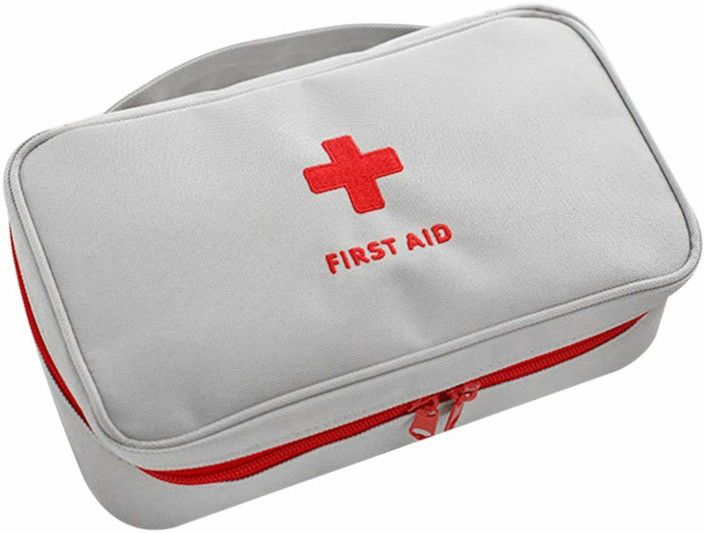
Credit: www.flipkart.com
Organizing Your Supplies
Organizing your first aid kit supplies improves efficiency during emergencies. A well-arranged bag saves time and reduces stress. It helps you find what you need quickly and keeps supplies safe and clean. Proper organization also ensures you carry all essential items without clutter.
Compartmentalization
Divide your first aid bag into sections for different items. Use small pouches or ziplock bags to separate bandages, medications, and tools. Group similar items together. This prevents mixing and makes it easier to spot what you need fast. Clear compartments help you see supplies at a glance.
Labeling Essentials
Label each compartment or pouch clearly. Use simple words like “Bandages,” “Antiseptics,” or “Pain Relief.” Labels guide you during a stressful moment. They also help others use the kit correctly. Consider waterproof labels for durability and easy cleaning.
Accessibility Tips
Place frequently used items in the most accessible spots. Keep critical supplies, like scissors and gloves, near the top. Avoid overpacking to prevent digging through clutter. Choose a bag with easy-to-open zippers or flaps. Practice opening your kit quickly to improve readiness.
Essential Contents To Include
Filling your first aid kit bag with the right items can make a huge difference during an emergency. It’s not just about having supplies, but having the right supplies that fit your needs and situation. Think about what you might face daily or on trips, and pack accordingly.
Basic Medical Supplies
Start with the essentials that address common injuries and ailments. These include:
- Adhesive bandages of various sizes for cuts and scrapes
- Sterile gauze pads and adhesive tape to cover larger wounds
- Antiseptic wipes and ointments to prevent infection
- Disposable gloves to keep things clean and safe
- Scissors and tweezers for removing splinters or cutting tape
- Pain relievers like ibuprofen or acetaminophen
These basics are your go-to items for most minor injuries. Have you ever struggled to find a bandage when you needed it most? Keeping these organized and visible in your kit solves that problem.
Specialized Equipment
Depending on your lifestyle, add items that serve specific needs. If you have allergies, pack an epinephrine auto-injector. For outdoor enthusiasts, a thermal blanket and a CPR mask can be lifesavers.
Also consider:
- Blood pressure monitor for those with heart issues
- Instant cold packs to reduce swelling
- A digital thermometer to check for fever
- Splints for immobilizing fractures or sprains
Ask yourself what special conditions might affect you or your family. Tailoring your kit this way ensures you are ready for less common but serious emergencies.
Personal Items
Don’t forget the small but crucial personal items. Include any prescription medications with clear instructions. Add extra contact lenses or glasses if needed.
Other useful personal items are:
- Medical ID cards or allergy information
- Emergency phone numbers written down
- A small notebook and pen to record symptoms or treatments
What personal details could be vital in an emergency? Having these ready can speed up proper care and reduce stress during critical moments.

Credit: www.amazon.com
Maintenance And Updates
Keeping your first aid kit bag in good shape is vital. It ensures you can react fast during emergencies. Regular care and updates keep everything ready and safe. This section explains how to maintain your kit well.
Regular Checks
Check your first aid kit bag often. Look for damage on the bag itself. Make sure zippers and compartments work well. Clean the bag to remove dust and dirt. Keep the bag dry to avoid mold and bad smells. A tidy bag helps find items quickly.
Replacing Expired Items
Expired supplies lose their power and may harm you. Mark the expiration dates on all items inside the bag. Take out any expired or nearly expired items. Replace them with fresh supplies of the same type. Keep a list of all items to track expiration easily.
Seasonal Adjustments
Change your first aid kit based on the season. Add sunscreen and insect repellent in summer. Include extra bandages and warm packs in winter. Adjust items depending on your activities or location. Seasonal updates keep your kit useful all year.
Storage And Accessibility
Storage and accessibility are crucial when choosing a bag for your first aid kit. You want to ensure that your supplies are organized and easy to reach in moments of urgency. The right placement and design can make all the difference in how quickly you can respond to an emergency.
Home Placement
Pick a spot in your home that everyone knows and can easily access. Common areas like the kitchen or near the main entrance work well because people naturally gather there. Avoid hiding it in hard-to-reach places—think about where you’d go if you suddenly needed a bandage or antiseptic.
Consider mounting the bag on a wall or placing it on a shelf at eye level. This visibility helps remind you to check and restock supplies regularly. Have you thought about how many family members know exactly where your kit is?
Travel Considerations
Your first aid kit bag should be compact yet roomy enough to hold essentials during trips. Look for bags with multiple compartments to keep items sorted and easy to find. When traveling, prioritize bags that are lightweight and water-resistant to protect your supplies.
Think about how quickly you can grab your kit in a busy airport or during a road trip. Does your current bag fit snugly in your vehicle or backpack? Accessibility on the go can prevent small injuries from becoming bigger problems.
Emergency Access Points
Plan where you will keep the bag in every environment—home, car, office, or outdoors. Mark these spots clearly if possible, so even visitors can find the kit when needed. Emergency access points should allow for quick retrieval without obstacles or locks.
Imagine a situation where seconds count—would you be able to reach your first aid supplies immediately? Have you tested how easy it is to open your bag with one hand or under stress? These small details can save crucial time.
Customizing For Different Needs
Customizing your first aid kit bag to suit specific needs makes all the difference in an emergency. A one-size-fits-all approach often leaves you unprepared for unique situations. Tailoring the contents and organization ensures quick access and effective treatment exactly when you need it.
Family Kits
When packing a first aid kit for your family, think about the ages and health conditions of each member. Include items like child-friendly bandages, allergy medications, and any prescription medicines your family uses regularly.
Organize the kit so you can grab what you need fast—separate compartments for kids’ items and adults’ items work well. Have you checked the kit lately to replace expired items or add new essentials after a recent health change?
Outdoor And Adventure Kits
Your first aid bag for hiking, camping, or other outdoor activities should be rugged and compact. Add supplies to treat insect bites, blisters, and minor cuts—think antiseptic wipes, tweezers, and blister pads.
Don’t forget tools like a whistle or emergency blanket, which can be lifesavers far from help. How prepared are you for common outdoor injuries? Customizing your kit to your adventure type can mean the difference between a minor inconvenience and a serious problem.
Workplace Kits
A first aid kit for the workplace needs to address the specific hazards of your job environment. Office settings might require basic wound care and CPR masks, while construction sites call for burn creams, heavy-duty gloves, and eye wash solutions.
Make sure the bag is easy to spot and quick to open during an emergency. Have you involved your coworkers in updating the kit? Their input can highlight risks you might overlook and improve overall readiness.

Credit: www.yakattack.us
Frequently Asked Questions
What Features Make A Good First Aid Kit Bag?
A good first aid kit bag is durable, lightweight, and waterproof. It should have multiple compartments for organized storage. Easy access and portability are essential for emergencies. Reflective strips and a clear layout improve usability in low light.
How Big Should A First Aid Kit Bag Be?
The size depends on the intended use. For personal or family use, a medium-sized bag is ideal. It should fit essential supplies without being bulky. For professional or outdoor use, larger bags with more compartments work better.
What Materials Are Best For A First Aid Kit Bag?
Nylon and polyester are popular for their durability and water resistance. These materials protect contents from moisture and wear. Look for reinforced stitching and strong zippers. Lightweight materials enhance portability and ease of carrying.
Can A First Aid Kit Bag Be Customized?
Yes, many bags offer customizable compartments and labels. Customization helps organize supplies based on personal needs. Some bags allow adding extra pouches or attaching tools externally. This flexibility improves efficiency during emergencies.
Conclusion
Choosing the right bag for your first aid kit keeps supplies safe and ready. A good bag is easy to carry and organize. It helps find items quickly in emergencies. Sturdy materials protect against damage and moisture. Simple design makes packing and unpacking faster.
Always check your kit and bag regularly. Preparedness saves time and can save lives. Keep your first aid kit handy and well-packed. Peace of mind comes with smart choices. Safety starts with a reliable first aid bag.

I’m Abby Lu, a passionate home cook who loves simplifying everyday meals. At PlugChef.com, I share product reviews and cooking guides to help you find the best tools for your kitchen.
Related posts:
 What Type of Cooking Utensils are Safe: Expert Picks
 What Innovations Could Blenders Make: Unleashing Future Tech
 Smart Strategies to Organize a Small Kitchen: Maximize Space
 How to Organize a Kitchen Cabinet: Expert Tips & Tricks
 How to Organize Kitchen Drawers: Expert Tips and Tricks
 How to Organize a Corner Kitchen Cupboard: Expert Tips

