

When you’re out in the backcountry, far from help, having the right first aid kit can make all the difference. You never know when an injury might happen, and being prepared means you can act fast and stay safe.
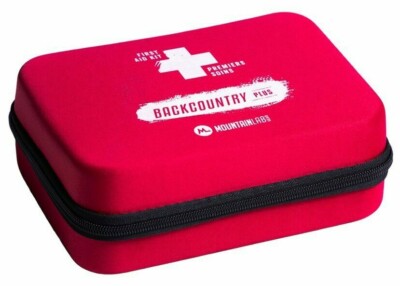
This isn’t just any first aid kit—it’s one designed specifically for the unique challenges of backcountry skiing. If you want to protect yourself and your group, keep reading. You’ll discover exactly what to pack and why each item matters when you’re deep in the wilderness.
Don’t leave your safety to chance—your backcountry ski trip depends on it.
Essential Components
Your backcountry skiing first aid kit must have the right essentials to handle injuries quickly and effectively. Without these, even minor wounds can turn serious in remote, snowy terrain. Let’s look at the core components that keep you prepared for common emergencies on the slopes.
Bandages And Dressings
Bandages and dressings are your first line of defense against cuts, scrapes, and wounds. Include a variety of sizes, like adhesive strips for small cuts and larger sterile pads for deeper injuries. Don’t forget elastic bandages—they stabilize sprains and control swelling, which is crucial when you’re far from help.
I once had a friend twist his ankle during a backcountry trip, and having an elastic bandage saved the day by reducing pain and preventing further damage while we made our way back.
Antiseptic Solutions
Cleaning wounds properly can prevent infections, which are especially risky in cold environments. Pack antiseptic wipes, iodine swabs, or a small bottle of antiseptic solution to disinfect cuts and scrapes quickly. These items help you avoid complications that can turn a simple injury into a serious issue.
Think about how a small infection could slow you down or force a risky evacuation. Wouldn’t you want to stop it before it starts?
Pain Relievers
Pain relievers are essential to manage discomfort from injuries or altitude sickness. Include over-the-counter options like ibuprofen or acetaminophen to reduce pain and inflammation. These can keep you comfortable and alert, helping you make better decisions in difficult situations.
Remember, pain isn’t just unpleasant—it can cloud your judgment. Having pain relievers handy ensures you stay focused on staying safe and getting help if needed.

Credit: wildsnow.com
Emergency Tools
Emergency tools are vital in a backcountry skiing first aid kit. They help you manage unexpected situations and stay safe. These tools are compact, easy to use, and designed for outdoor survival. Each item serves a specific purpose in emergencies. Carrying them increases your chances of handling accidents effectively.
Multi-tool
A multi-tool combines several functions into one small device. It usually includes pliers, knives, screwdrivers, and scissors. This tool helps fix gear, cut bandages, or perform small repairs. Its compact size fits easily in your pocket or pack. A multi-tool is a versatile and essential item for backcountry skiing.
Emergency Blanket
An emergency blanket traps body heat to prevent hypothermia. It is lightweight, thin, and takes little space in your kit. This blanket reflects up to 90% of your body heat. Use it to stay warm after injury or exposure to cold. Carry one to protect yourself or others in sudden cold conditions.
Signal Mirror
A signal mirror helps attract attention from rescuers. It reflects sunlight to create bright, visible flashes. This tool works even from long distances. Its lightweight design fits well in any first aid kit. A signal mirror can be lifesaving when you need to call for help quickly.
Mobility Support
Mobility support is essential in your backcountry skiing first aid kit. Injuries like sprains, fractures, or muscle strains can happen far from help. Having the right tools to stabilize and protect injured limbs can prevent further damage and ease pain while you seek help.
Splints
Splints keep broken or sprained limbs from moving, which reduces pain and prevents worsening the injury. You can use commercial splints or improvise with sturdy sticks and clothing. Always secure the splint firmly but avoid cutting off circulation—check fingers or toes for warmth and color regularly.
Think about the last time you twisted an ankle. How much worse would it have felt without something to hold it steady? Carrying a lightweight, compact splint in your kit could make a big difference in those critical moments.
Elastic Bandages
Elastic bandages provide compression and support to injured muscles or joints. They help reduce swelling and stabilize the area so you can move with less pain. Make sure you carry different sizes to wrap wrists, knees, or ankles comfortably.
When wrapping, avoid making the bandage too tight. Ask yourself: can the person wiggle their fingers or toes? Maintaining circulation is crucial while giving support.
Cold Packs
Cold packs are vital for controlling swelling and numbing pain after an injury. Instant cold packs are compact and activate with a simple squeeze, perfect for your backcountry kit. Apply the cold pack wrapped in cloth to avoid frostbite and keep it on for 15-20 minutes at a time.
Have you ever tried skiing with a swollen knee? The relief from cold therapy is immediate and noticeable. Don’t underestimate how a cold pack can speed up recovery and keep you moving safely.
Credit: www.ebay.com
Personal Safety Items
Personal safety items are essential in a backcountry skiing first aid kit. These tools help you signal for help, see in the dark, and start a fire if needed. Carrying them increases your chances of staying safe during emergencies. Each item serves a simple but important role. They are lightweight and easy to pack. Always check these items before heading out to ensure they work properly.
Whistle
A whistle is a loud, clear way to call for help. It uses less energy than shouting. It can be heard from far away. Choose a whistle with a piercing sound. Attach it to your jacket or backpack for quick access. Use short blasts to get attention. Three blasts signal distress in many outdoor safety systems.
Headlamp
A headlamp frees your hands and lights your path at night. It helps you see hazards and perform tasks. Choose a headlamp with bright LED lights and long battery life. Carry extra batteries in your first aid kit. Use red light mode to keep night vision and avoid disturbing wildlife. Wearing a headlamp improves safety and comfort in dark conditions.
Fire Starter
A fire starter lets you create warmth and light quickly. It is vital if you get stuck in cold weather. Carry waterproof matches, a lighter, or a magnesium fire starter. Practice using your fire starter before your trip. Keep it in a dry, accessible place. Fire can signal rescuers and prevent hypothermia in emergencies.
Environmental Considerations
Backcountry skiing takes you far from help and comfort. Your first aid kit must match the environment’s challenges. Different weather and high altitudes affect your health and safety. Preparing for these factors can save lives and prevent serious issues.
Weather Adaptations
Cold, wind, and snow create unique risks. Frostbite and hypothermia happen quickly in freezing weather. Your first aid kit should include:
- Thermal blankets to retain body heat
- Hand warmers for quick heat
- Waterproof bandages to stay dry
- Extra gloves and socks for warmth
Keep medications in insulated containers to avoid freezing. Regularly check weather reports. Adapt your kit based on changing conditions and length of your trip.
Altitude Sickness Remedies
High altitudes reduce oxygen levels, causing headaches, nausea, and dizziness. Include these items for altitude sickness:
- Pain relievers like ibuprofen for headaches
- Anti-nausea medication
- Oxygen tablets or portable oxygen if possible
- Electrolyte powders to maintain hydration
Acclimate slowly to avoid severe symptoms. Know signs of altitude sickness and act quickly. Your first aid kit is your safety net in thin air.
Health And Hygiene
Maintaining health and hygiene is vital during backcountry skiing trips. Harsh weather and limited resources can increase infection risks. A well-prepared first aid kit supports cleanliness and prevents illness. Staying clean also boosts comfort and morale in cold, remote areas.
Sanitation Supplies
Sanitation supplies keep wounds clean and reduce infection chances. Include antiseptic wipes, alcohol pads, and antibiotic ointments. Carry disposable gloves to protect hands and avoid contamination. Pack small garbage bags for safe waste disposal. Toilet paper and hand sanitizer are essential for personal hygiene in the wild.
Hydration Solutions
Hydration is crucial for energy and body function in cold conditions. Carry water bottles or hydration bladders with insulated covers. Use water purification tablets or filters to ensure safe drinking water. Electrolyte powders help replace lost minerals and keep you balanced. Regular hydration prevents headaches, fatigue, and frostbite risks.
Communication And Navigation
Effective communication and reliable navigation are vital when you’re deep in the backcountry. They can mean the difference between a smooth rescue and a dangerous delay. Carrying the right tools helps you stay connected and find your way, even when conditions turn unpredictable.
Gps Device
A GPS device is your best friend for pinpointing your exact location. Unlike a smartphone, dedicated GPS units work well in remote areas with weak or no cell signal.
Look for devices that offer:
- Topographic maps for terrain details
- Waypoints to mark safe spots or hazards
- Long battery life to last your entire trip
I once relied on a handheld GPS during a whiteout, and it guided me back when visual cues disappeared. Would you trust your navigation solely to memory or a phone in such conditions?
Two-way Radio
Two-way radios keep your group connected without needing a cellular network. They’re perfect for short-range communication on the trail or during emergencies.
Choose radios that have:
- Clear audio quality to cut through wind and snow noise
- Multiple channels for private conversations
- Durable, waterproof designs suited for harsh weather
During a recent trip, our radios helped coordinate a quick evacuation after an injury. Without them, delays could have worsened the situation. How would you communicate if your phone battery died or lost signal?

Credit: tahoemountainsports.com
Frequently Asked Questions
What Essential Items Should Be In A Backcountry Skiing First Aid Kit?
A backcountry skiing first aid kit should include bandages, antiseptic wipes, pain relievers, blister treatments, and a CPR mask. Also, pack a thermal blanket, tweezers, and a multi-tool. These essentials help manage injuries and emergencies effectively in remote areas.
How Do I Choose A Compact First Aid Kit For Skiing?
Choose a kit that is lightweight, waterproof, and compact. It must fit easily in your backpack without adding bulk. Look for kits with organized compartments and essential supplies tailored for cold weather injuries and mountain emergencies.
Why Is A First Aid Kit Critical For Backcountry Skiing?
A first aid kit is crucial because help can be hours away in backcountry terrain. It allows you to treat injuries promptly, prevent infections, and manage emergencies. Carrying one increases your safety and preparedness during skiing trips in remote locations.
How Often Should I Check And Update My Skiing First Aid Kit?
Check your first aid kit before every backcountry trip. Replace expired medications, used items, and damaged supplies regularly. Keeping the kit updated ensures you have effective tools and medicines when you need them most.
Conclusion
A well-packed backcountry skiing first aid kit saves lives. It prepares you for injuries and emergencies outdoors. Choose items that fit your trip length and group size. Regularly check and update your kit for freshness and usefulness. Practice using the supplies before heading out.
Safety depends on being ready and aware. Carry your kit always, no matter the weather. Stay safe and enjoy your adventure with confidence.

I’m Abby Lu, a passionate home cook who loves simplifying everyday meals. At PlugChef.com, I share product reviews and cooking guides to help you find the best tools for your kitchen.
Related posts:
 What Type of Cooking Utensils are Safe: Expert Picks
 What Innovations Could Blenders Make: Unleashing Future Tech
 Smart Strategies to Organize a Small Kitchen: Maximize Space
 How to Organize a Kitchen Cabinet: Expert Tips & Tricks
 How to Organize Kitchen Drawers: Expert Tips and Tricks
 How to Organize a Corner Kitchen Cupboard: Expert Tips

