

Are veggie straws healthy? You’ve probably seen them on the shelves, their colorful packaging calling out to you.
You might even have tossed a bag into your cart, thinking they’re a guilt-free snack option. But are they really as nutritious as they seem? Understanding the health impact of what you eat is crucial. After all, your food choices can directly influence your energy levels, mood, and overall well-being.
This article uncovers the truth behind veggie straws. It’s designed to give you the facts you need to make informed decisions about your snack habits. Get ready to dive into the world of veggie straws and discover if they truly fit into a healthy lifestyle. Keep reading to find out how these crunchy snacks stack up against your nutritional expectations.
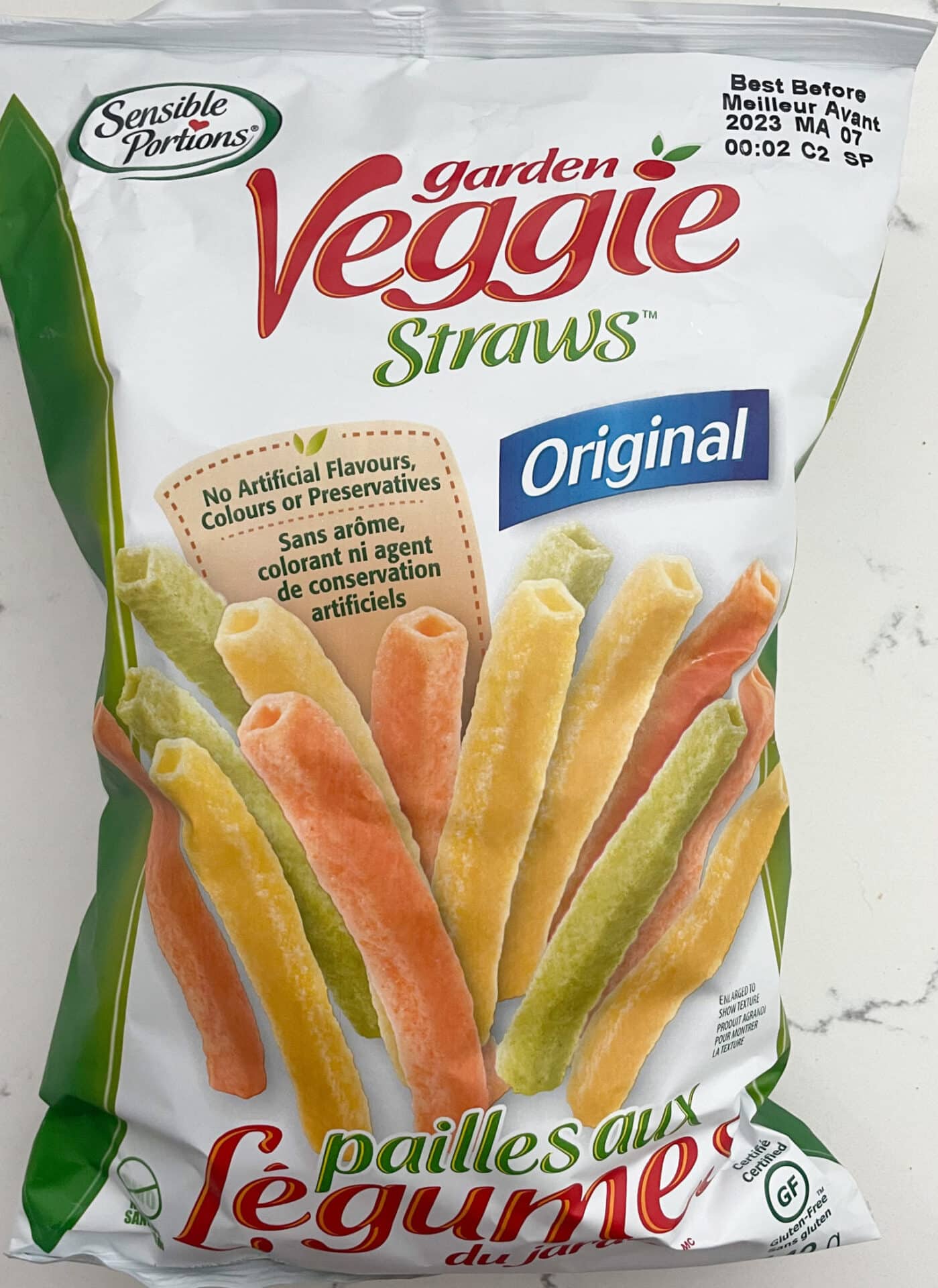
Credit: www.realgoodeats.ca
Nutritional Content
Veggie straws are often considered a healthier snack, but they lack essential nutrients. Their main ingredients include potato starch and corn starch, with little fiber or protein. They may satisfy a salty craving but don’t offer the vitamins and minerals found in fresh vegetables.
When it comes to snacking, veggie straws often seem like a healthier choice. But how healthy are they really? Let’s explore the nutritional content of veggie straws to see what you’re actually getting when you munch on these colorful snacks. Understanding what’s inside those crispy bites will help you make informed decisions about including them in your diet.Ingredients Breakdown
Veggie straws are typically made from potato starch, potato flour, and a variety of vegetable powders. Common vegetables used include spinach, tomato, and beetroot, which give them their vibrant colors. However, these powders often contribute little to the nutritional value, as they are used in small quantities. Most veggie straws also contain oil and salt, which are added for flavor and texture. You might be surprised to know that these ingredients can sometimes outweigh the benefits of the vegetable content. Always check the packaging to see what specific ingredients are listed to understand what you’re really eating.Caloric Value
A typical serving of veggie straws, around 1 ounce, contains about 130 calories. This is similar to many traditional snack options like potato chips. However, veggie straws may feel lighter, leading you to eat more than intended. Portion control is key when enjoying veggie straws. It’s easy to grab a handful and lose track of how much you’ve eaten. Consider pre-portioning them into small bags to avoid mindless munching.Vitamins And Minerals
You might expect veggie straws to be a good source of vitamins and minerals due to their vegetable content. Unfortunately, the amount of actual vegetables is minimal, meaning these snacks offer little in the way of nutrients. The processing also strips away much of the original vitamin content found in whole vegetables. If you’re looking to boost your vitamin intake, whole veggies are still your best bet. Think about how often you choose convenience over nutrition. Could adding more fresh vegetables to your meals be a simple yet effective change? In your quest for healthier snacks, it’s crucial to look beyond the marketing and colorful packaging. Understanding the nutritional content of veggie straws can help you snack smarter and maintain a balanced diet.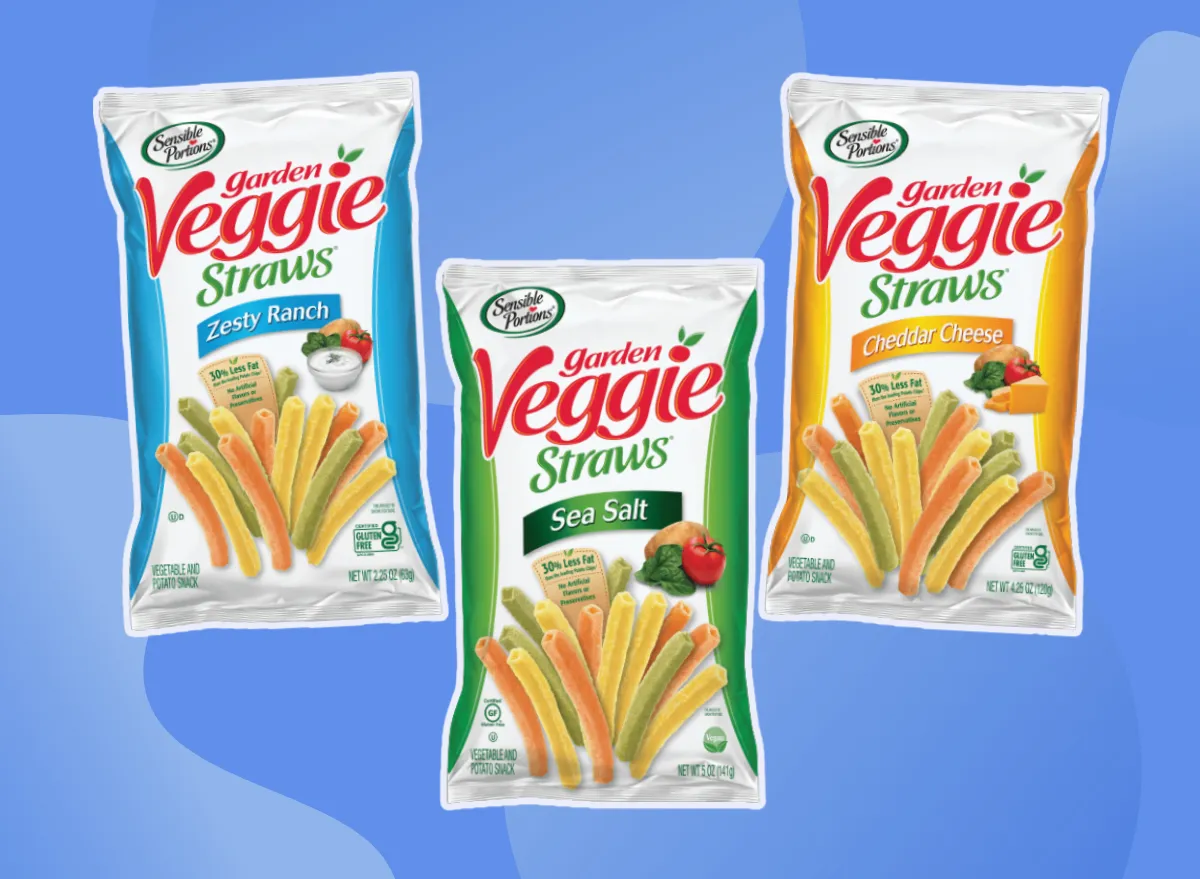
Credit: www.eatthis.com
Comparison With Other Snacks
Veggie straws offer a healthier alternative to traditional chips, with lower fat and calorie content. While not as nutrient-rich as fresh vegetables, they provide a satisfying crunch without the guilt. Perfect for those seeking a lighter snack option.
Veggie straws offer a unique snack option. They are often marketed as healthier. But how do they really compare to other popular snacks? Let’s explore how veggie straws stack up against potato chips, pretzels, and popcorn.Potato Chips
Potato chips are a classic favorite. They are known for their crispy texture. Yet, they often contain high levels of fat. This is due to their frying process. Veggie straws, on the other hand, are usually baked. This means they typically have less fat. They might also offer fewer calories per serving. Still, veggie straws can be high in sodium. This is similar to many potato chips.Pretzels
Pretzels are another common snack. They are low in fat. Yet, they are often high in sodium. Veggie straws can be a middle ground. They have slightly more fat than pretzels. But they may contain fewer carbs. Veggie straws might offer some vegetable content. This makes them unique compared to plain pretzels.Popcorn
Popcorn is a whole-grain snack. It is often considered healthy. Especially when air-popped. It contains fiber. Veggie straws do not offer much fiber. They might be lower in calories than buttered popcorn. But they lack the whole-grain benefits. Popcorn can be a more filling option. This makes it a good choice for satiety. Each snack has its pros and cons. Veggie straws stand out for their unique texture and flavor. They might not always be the healthiest. But they can offer variety in moderation.Health Claims And Reality
Veggie Straws often appear healthier than traditional chips. Made from potato and vegetable powders, they contain fewer calories. Yet, they offer minimal nutritional value. Their vibrant colors can be misleading, as they lack essential vitamins and minerals. Always check labels to understand their true health benefits.
Are veggie straws as healthy as they claim to be? With colorful packaging and eye-catching labels, these snacks often present themselves as a guilt-free alternative to traditional potato chips. But is that really the case? Let’s dive into the health claims and the reality behind veggie straws.Marketing Strategies
Veggie straws often feature vibrant packaging and phrases like “made with real vegetables” or “low fat”. These phrases can easily sway you into believing they’re a healthier choice. Brands capitalize on the perception of veggies as inherently healthy, even when processed. Have you ever grabbed a bag thinking you’re making a smart snack choice? You’re not alone. It’s crucial to remember that marketing doesn’t always match reality. Companies might highlight a single benefit while ignoring less favorable aspects.Scientific Evidence
What does science say about veggie straws? While they’re made from vegetable powders, much of the nutritional value is lost during processing. Most veggie straws have similar calorie and fat content to regular chips. They might be lower in fat, but often contain more sodium. Consider the ingredient list. Often, they start with potato starch or corn starch, not vegetables. Real vegetables are often minimal, reducing any potential health benefits. Are you surprised by these findings? It’s a reminder to always check labels and not just rely on health claims. Next time you reach for a snack, ask yourself: are you choosing it for its health benefits or its marketing appeal?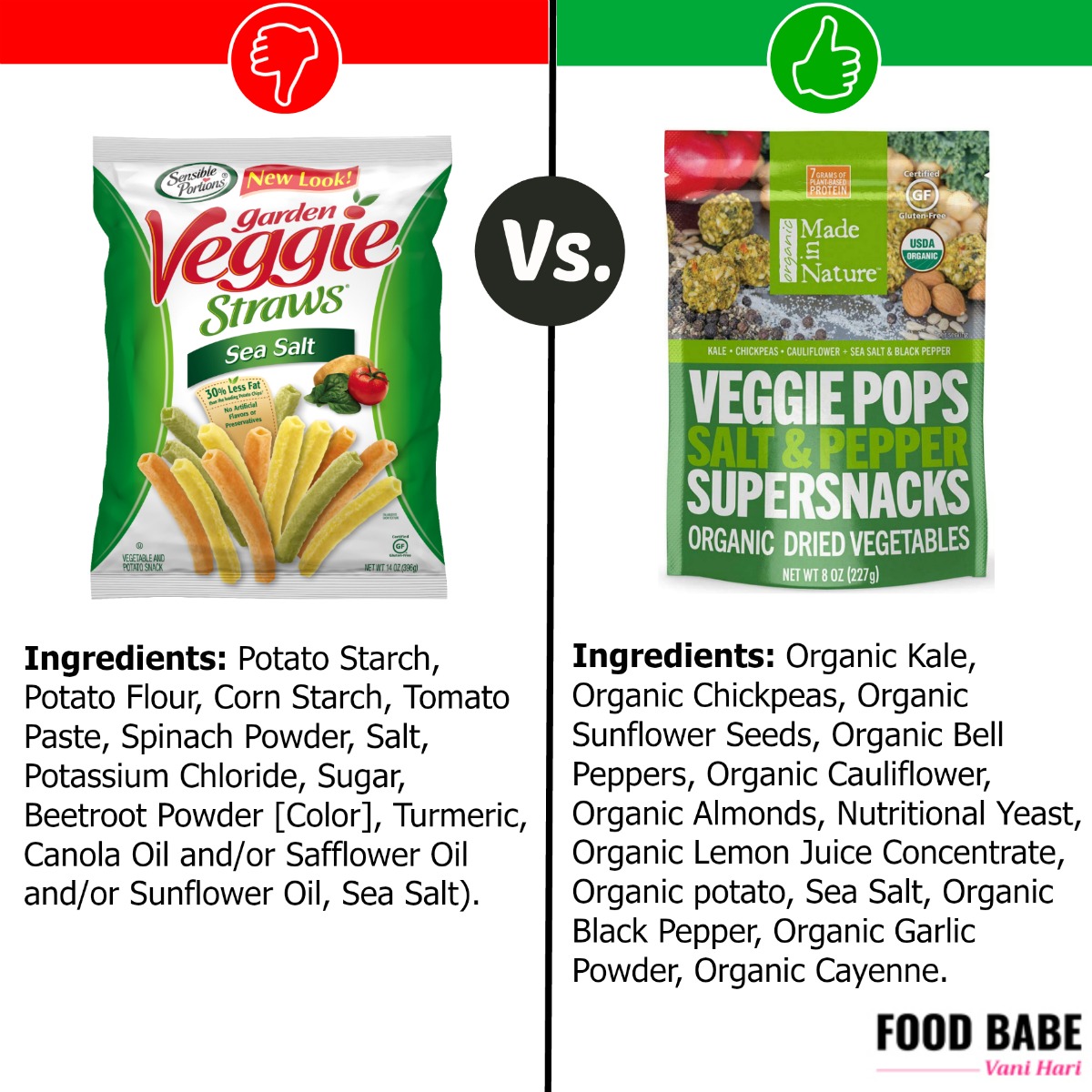
Credit: www.facebook.com
Dietary Considerations
Veggie straws may seem like a healthy snack, but they often lack essential nutrients. Mostly made from potato starch and corn flour, they contain minimal real vegetables. Despite being lower in fat than regular chips, their nutritional value remains questionable for a balanced diet.
When considering the health aspects of veggie straws, it’s important to look at various dietary needs and preferences. You might be wondering if these snacks can fit into your specific dietary lifestyle. Whether you’re avoiding gluten, following a vegan or vegetarian diet, or simply trying to make healthier snack choices, understanding what veggie straws offer can help you make an informed decision.Gluten-free Options
If you’re on a gluten-free diet, you know the challenge of finding snacks that are both tasty and safe. Veggie straws often come as a pleasant surprise. Many brands are gluten-free, making them an ideal choice if you’re sensitive to gluten or have celiac disease. However, always check the packaging for certification. Not all brands are created equal, and cross-contamination can occur. This simple step can ensure your snack time is worry-free.Vegan And Vegetarian Suitability
Veggie straws may sound perfect for vegans and vegetarians, but are they truly suitable? Most veggie straws are made from potato and vegetable starches, which are plant-based. This makes them generally safe for those following vegan or vegetarian diets. Yet, some brands may include ingredients like cheese powder or milk derivatives. Always read the ingredient list carefully. It might seem tedious, but it ensures your snack aligns with your values. Have you ever had a snack that seemed perfect only to find it didn’t meet your dietary needs? It’s a common frustration, but with a little vigilance, you can enjoy your veggie straws with confidence.Pros And Cons
Veggie straws offer a crunchy snack with fewer calories than traditional chips. Yet, they often lack essential nutrients and can be high in sodium. Choosing veggie straws as a treat is fine, but don’t rely on them for nutrition.
Veggie straws have become a popular snack choice, often marketed as a healthier alternative to traditional potato chips. But are they truly beneficial for your health? Let’s dive into the pros and cons of veggie straws to help you make an informed decision.Advantages
Veggie straws are often praised for being lower in fat compared to regular potato chips. This can be a relief for those trying to cut down on unhealthy fats. They are also typically gluten-free, making them suitable for people with gluten sensitivities. If you’re watching your gluten intake, veggie straws can be an enjoyable snack option. Some veggie straws come in colorful varieties, hinting at the inclusion of vegetables like spinach or tomatoes. This can be appealing if you’re trying to add more veggies into your diet. But do these colors really mean more nutrients?Disadvantages
Despite their vibrant appearance, veggie straws often lack substantial amounts of actual vegetables. Check the ingredients list, and you’ll see they might not offer the nutritional benefits you expect. Another downside is the sodium content. Veggie straws can be quite salty, which might not be ideal if you’re trying to cut back on salt for heart health reasons. How often do you check the sodium levels of your snacks? Additionally, veggie straws can be misleading when it comes to caloric content. You might think you’re eating something light, but it’s easy to consume more calories than intended, especially when munching mindlessly. In the end, while veggie straws offer some benefits, they may not be the health powerhouse you’re hoping for. Consider these factors carefully and think about what you truly want from your snacks. Is it taste, nutrition, or a combination of both?Alternatives To Veggie Straws
Veggie straws might seem healthy, but they often lack real nutrients. Consider alternatives like kale chips or carrot sticks. These options provide more vitamins and fiber, making them better snacks.
If you’re questioning whether veggie straws are the best snack choice, you’re not alone. They might seem like a healthy alternative, but there are often better options. Let’s explore some alternatives that are not only nutritious but also just as satisfying.Whole Vegetables
Nothing beats the simplicity and nutrition of whole vegetables. They are packed with fiber, vitamins, and minerals. Next time you feel the urge to snack, grab a handful of baby carrots or some cucumber slices. They’re crunchy, refreshing, and don’t have the added preservatives or sodium that processed snacks do. Consider adding a dip like hummus or guacamole for added flavor. This can make eating raw veggies more appealing and provide healthy fats and proteins.Homemade Veggie Chips
If you’re craving something crunchy and chip-like, homemade veggie chips can be a great alternative. Making your own allows you to control the ingredients and avoid unnecessary additives. Try slicing sweet potatoes, kale, or zucchini thinly and baking them in the oven. A light sprinkle of olive oil and your favorite seasoning can transform these veggies into a delicious snack. The process is simple and can be a fun activity. Plus, you can experiment with different spices to find your perfect flavor. Have you tried paprika or a dash of garlic powder for an added kick? By opting for these alternatives, you not only enhance your diet but also enjoy the process of creating nutritious snacks. Which alternative will you try first?Frequently Asked Questions
Are Veggie Straws Actually Good For You?
Veggie straws are not as healthy as fresh vegetables. They are processed snacks with added starches and oils. They provide minimal nutritional value and contain more sodium and fat. For better health, choose whole vegetables or snacks with higher nutritional content.
What Is A Healthier Alternative To Veggie Straws?
Opt for baked kale chips or roasted chickpeas as healthier alternatives. They offer more nutrients and fewer additives. These options provide fiber, protein, and essential vitamins, making them a nutritious snack choice.
Are Veggie Chips Junk Food?
Veggie chips can be considered junk food due to high salt and fat content. They often lack essential nutrients. Some brands offer healthier options, but many are similar to regular chips. Always check labels for nutrition details to make informed choices.
Moderation is key for maintaining a balanced diet.
Are Doritos Healthier Than Veggie Straws?
Doritos contain more calories and fat than veggie straws. Veggie straws typically have less sodium and fewer artificial ingredients. Veggie straws may be a slightly healthier option, but both should be consumed in moderation for a balanced diet. Always check nutritional labels for specific information.
Conclusion
Veggie Straws can be a tasty snack choice. They offer a crunchy texture and come in fun shapes. But are they healthy? Not entirely. They contain fewer nutrients than real vegetables. They also have added salt and oil. For a balanced diet, fresh veggies are better.
Eating Veggie Straws occasionally is fine. Just don’t rely on them for nutrients. Be mindful of portion sizes. Enjoy them as a treat, not a staple. Remember, a varied diet is key to health. Make informed snack choices for a healthier lifestyle.

I’m Abby Lu, a passionate home cook who loves simplifying everyday meals. At PlugChef.com, I share product reviews and cooking guides to help you find the best tools for your kitchen.
Related posts:
 What Type of Cooking Utensils are Safe: Expert Picks
 What Innovations Could Blenders Make: Unleashing Future Tech
 Smart Strategies to Organize a Small Kitchen: Maximize Space
 How to Organize a Kitchen Cabinet: Expert Tips & Tricks
 How to Organize Kitchen Drawers: Expert Tips and Tricks
 How to Organize a Corner Kitchen Cupboard: Expert Tips

