
Have you ever wondered if silicone utensils are safe to cook with? As you stand in your kitchen, surrounded by colorful spatulas and sleek silicone spoons, it’s natural to question their safety.
Silicone utensils have become increasingly popular, boasting flexibility and heat resistance. But what does that mean for your health? Are these tools truly safe for your cooking adventures, or is there something you should know before you toss them into your sizzling pans?
We’ll uncover the truth about silicone utensils. You’ll discover surprising facts that might change the way you think about your kitchen gear. We’ll delve into the science behind silicone and how it interacts with heat and food. By the end, you’ll have a clear understanding of whether these trendy tools are the right choice for your culinary creations. So, grab your favorite silicone spatula and read on to find out what you need to know to keep your kitchen safe and your meals delicious.
:strip_icc()/bhg-silicone-kithcen-tools-GettyImages-1413104337-cc08807ed7294b5486b164213f9816da.jpg)
Credit: www.bhg.com
Silicone Utensils: What Are They?
Silicone utensils have become a staple in modern kitchens, but what exactly are they? You might have spotted them with their vibrant colors and sleek designs. Silicone, a synthetic rubber-like material, is known for its flexibility and heat resistance, making it ideal for kitchen utensils. From spatulas to baking mats, silicone is used in various cooking tools that you might already have at home.
Silicone utensils are made from a combination of silicon, oxygen, and other elements. These materials are molded into various shapes, creating utensils that are both durable and non-stick. This unique composition means they can withstand high temperatures without melting or deforming.
Have you ever noticed how easy it is to scrape out the last bit of batter from a bowl using a silicone spatula? Their flexibility allows for better control, saving time and reducing waste. Plus, their non-stick nature means less food residue is left behind, making cleaning a breeze.
Another great feature of silicone utensils is their safety. Unlike metal tools, silicone won’t scratch your pots and pans. This keeps your cookware in great condition, prolonging its lifespan. Imagine cooking without those annoying scratches and dents!
But what does this mean for your cooking? How does silicone benefit you in the kitchen? Think about the ease of mixing ingredients without worrying about damaging your bowls or pans. Silicone’s soft texture also prevents burns on your hands when handling hot items.
Many people wonder if silicone is really safe for cooking. Questions about chemicals leaching into food are common. But rest assured, silicone is considered food-safe by health authorities. As long as you use high-quality, food-grade silicone, you can cook with confidence.
So, next time you’re in the kitchen, consider giving silicone utensils a try. They might just become your new favorite tool, offering convenience and safety without compromising on style. What’s your favorite silicone utensil and why? Share your thoughts in the comments!
Benefits Of Silicone Utensils
Silicone utensils are increasingly popular in kitchens. They offer numerous benefits. Their flexibility and safety make them a favorite choice for many cooks. Understanding the advantages can help you decide if they’re right for your kitchen.
Heat Resistance
Silicone utensils can withstand high temperatures. They don’t melt easily. This makes them ideal for cooking hot dishes. You can use them without worrying about damage. They are perfect for frying or sautéing. You can even use them for baking.
Non-stick Properties
Silicone utensils don’t stick to food. This makes cooking easier. You can flip pancakes or omelets smoothly. Cleaning them is simple. Food residue washes off quickly. They are great for delicate dishes. You can use them with non-stick pans without scratching.
Durability
Silicone utensils last a long time. They are sturdy and flexible. They don’t break easily. You can bend them without damage. They are resistant to stains and odors. This keeps them looking new. They don’t wear out quickly, saving you money.
Potential Health Concerns
Silicone utensils are generally safe for cooking, but some concerns exist. High temperatures might cause chemical leaching. Regular checks ensure their safety and durability in the kitchen.
Potential Health Concerns Cooking with silicone utensils is a popular choice due to their flexibility and heat resistance. However, you might wonder about their potential health concerns. Are they as safe as they seem? Let’s dive into the details.Chemical Composition
Silicone is made from silicon and oxygen, which are naturally occurring elements. The material is prized for its stability at high temperatures. But is it entirely free from harmful chemicals? Some silicone products may contain fillers or additives. These can be problematic, especially if they leach into your food during cooking. So, how can you ensure your silicone utensils are safe? Look for high-quality, food-grade silicone. It’s less likely to contain unwanted additives that can compromise your health.Food Safety Standards
When purchasing silicone utensils, consider their compliance with food safety standards. Are they approved by recognized health organizations? This can be a good indicator of their safety. In the US, the FDA regulates materials used in cooking utensils. Make sure your silicone products are FDA-approved. This means they’ve been tested for safety and effectiveness. Are you aware of international standards? In Europe, the LFGB standard is similar to the FDA’s. Ensure your utensils meet these benchmarks. This guarantees they are safe to use in your kitchen. Remember, not all silicone products are created equal. Do your research and choose wisely. Your health is worth it. Have you ever had concerns about cooking with silicone? Share your experiences or questions. Let’s discuss and ensure we’re all cooking safely.Comparing Silicone With Other Materials
When deciding on utensils, consider safety, durability, and convenience. Silicone utensils are popular in many kitchens. They are flexible, heat-resistant, and easy to clean. But how do they compare to other materials?
Silicone Vs. Plastic
Silicone and plastic utensils may look similar at first. But they have key differences. Silicone is more heat-resistant than plastic. This means it won’t melt easily when used in cooking. Plastic can release harmful chemicals when heated. Silicone is generally considered safer. It is also more durable and resistant to wear and tear.
Silicone Vs. Metal
Metal utensils are strong and long-lasting. They are often used for heavy-duty cooking tasks. But metal can scratch non-stick cookware surfaces. Silicone is gentle and won’t damage pans. It is also quieter when stirring or serving food. Metal conducts heat, so handles can become hot. Silicone stays cool to the touch, offering a safer option.
Silicone Vs. Wood
Wood utensils have a traditional appeal. They are often used for mixing and serving. But wood can absorb flavors and odors over time. It may also crack or split with frequent use. Silicone does not absorb smells or stains. It remains flexible and intact with heavy use. While wood is natural, silicone is easier to clean and maintain.
Safety Tips For Using Silicone Utensils
Silicone utensils are popular in kitchens. They are flexible and heat-resistant. Many people wonder about their safety. Proper usage and care are essential. Follow these tips for safe cooking.
Proper Usage
Use silicone utensils for cooking below high temperatures. They work best under 428°F (220°C). Avoid direct contact with open flames. Use them for stirring, flipping, or mixing. Do not use them as cutting tools. Sharp objects can damage silicone.
Cleaning And Maintenance
Clean silicone utensils after each use. Use mild soap and warm water. Avoid abrasive cleaners or scrubbers. They can scratch the surface. Rinse thoroughly to remove soap residue. Dry them completely before storing.
Inspect silicone utensils regularly. Look for any cracks or discoloration. Replace them if damaged. Store them in a cool, dry place. Keep them away from direct sunlight. It can weaken the material.
Expert Opinions
Silicone utensils are gaining popularity in modern kitchens. Many people wonder about their safety. Expert opinions can shed light on this topic. Health professionals and culinary experts have valuable insights. Their perspectives help consumers make informed choices.
Health Professionals
Health professionals often discuss the safety of kitchen utensils. Silicone utensils are a common subject. Many doctors and researchers agree on their safety. They highlight that silicone does not react with food. This makes it a stable choice for cooking. Furthermore, silicone is resistant to heat. It can withstand high temperatures without melting. This reduces the risk of harmful substances leaching into food.
Nutritionists also share positive views. They appreciate that silicone does not add flavor or odor. This keeps food’s natural taste intact. Silicone’s non-stick nature also means less oil is needed. This contributes to healthier cooking habits.
Culinary Experts
Chefs and culinary experts often use silicone utensils. They value their versatility and durability. Silicone spatulas and spoons are gentle on cookware. This prevents scratches on non-stick pans. Experts also praise silicone for its easy cleaning. The material is dishwasher safe, saving time in the kitchen.
Many chefs appreciate silicone’s flexibility. It helps in precise cooking techniques. For example, folding delicate ingredients is easier with silicone. This makes it a favorite tool among pastry chefs. Culinary experts also note silicone’s vibrant colors. They add a touch of fun to cooking and meal prep.
Consumer Experiences
Silicone utensils are popular for their non-stick and heat-resistant properties. They are generally safe for cooking, but ensure they are food-grade quality. This reduces risks associated with low-quality silicone products.
Cooking with silicone utensils has become increasingly popular due to their flexibility and heat resistance. But what do real users think about them? Consumer experiences can provide valuable insights into the safety and practicality of these kitchen tools. Let’s dive into what people are saying about silicone utensils and the common issues they face.User Reviews
Many home cooks rave about silicone utensils for their ease of use and durability. Some users appreciate that silicone spatulas don’t scratch non-stick pans, extending the life of their cookware. Others enjoy the bright colors and modern designs, which add a fun touch to their kitchen decor. One user mentioned how silicone tongs have transformed her cooking routine by providing a secure grip on food without causing damage. However, a few reviews highlight concerns about lingering odors after repeated use. Have you ever wondered if silicone utensils might retain flavors or smells from past cooking adventures?Common Issues
Despite the overall positive feedback, some common issues do arise with silicone utensils. A frequent complaint is that some low-quality silicone can melt or warp at high temperatures. This raises questions about the safety of using them with extremely hot dishes. Another issue is the potential for staining, especially with utensils exposed to tomato-based sauces or curry. Do you find that your silicone spatula is less vibrant after a hearty spaghetti dinner? Storage can also be a concern, as some users find silicone utensils to be bulkier than their metal or wooden counterparts. Have you struggled to fit all your kitchen tools into a small drawer? Understanding these consumer experiences can help you make informed decisions about using silicone utensils in your own kitchen. Would the benefits outweigh the potential drawbacks for you?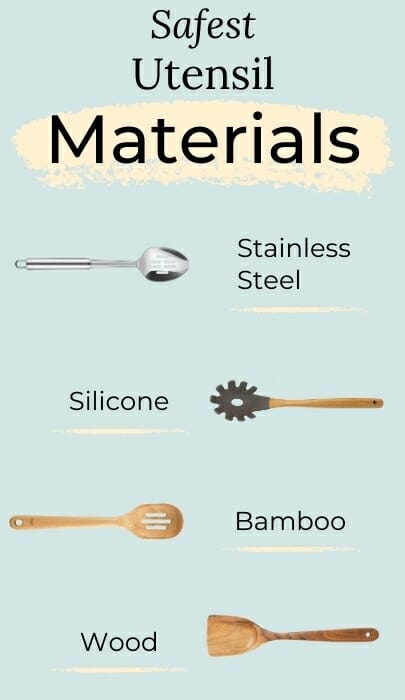
Credit: thegoodlifedesigns.com
Market Trends In Silicone Utensils
Silicone kitchen utensils are gaining popularity, and you might be wondering why. It’s all about their unique qualities that make cooking easier and more enjoyable. As more people discover these advantages, the market continues to evolve with exciting trends.
Popular Brands
Brands like OXO and KitchenAid are leading the way in silicone utensils. They offer a wide range of products that cater to various cooking needs. Have you noticed how these brands combine style with functionality? It’s no surprise they’re topping the charts. Their vibrant colors and ergonomic designs make cooking not just a chore, but a fun activity.
Have you tried utensils from brands like Tovolo or StarPack? They might not be as well-known, but they’re making waves with their innovative designs. These brands focus on durability and ease of use, ensuring you get the best out of your cooking experience. Imagine flipping pancakes with a spatula that won’t scratch your non-stick pan. That’s the beauty of silicone.
Innovations
Silicone utensils are not just about vibrant colors. They’re about smart innovations that enhance your cooking experience. Some brands are now adding heat-resistant handles to their products. It’s a game-changer for those long cooking sessions where you need a reliable grip.
Recently, adjustable measuring cups and spoons made from silicone have hit the market. Have you tried them yet? They’re perfect for those precise measurements, ensuring your recipes turn out just right. Their flexibility allows you to store them easily, saving space in your kitchen.
Think about this: What if your utensils could resist stains and odors? Some brands are working on this very feature. It’s a thoughtful innovation that could make cleaning up after a big meal much simpler. Wouldn’t you love a kitchen where you spend less time scrubbing and more time enjoying your food?
Silicone utensils are shaping up to be the future of cooking. As the market grows, expect to see even more exciting changes. What features would make your kitchen experience better? Share your thoughts and join the conversation on the evolving trends in silicone kitchenware.

Credit: www.reddit.com
Frequently Asked Questions
Is Silicone Toxic For Cooking Utensils?
Silicone cooking utensils are generally considered safe and non-toxic. They withstand high temperatures without releasing harmful chemicals. Ensure you use food-grade silicone for safety. Always check product labels for certifications like FDA approval to guarantee quality and safety. Proper use and care can prevent any potential risks.
Is It Better To Cook With Silicone Or Plastic Utensils?
Silicone utensils are better for cooking. They withstand high temperatures and don’t leach chemicals. Plastic can melt and release toxins. Silicone is also more durable and safe for non-stick cookware. Always choose high-quality silicone for safety and performance.
Do Silicone Cooking Utensils Give Off Microplastics?
Silicone cooking utensils generally do not release microplastics. They are durable and withstand high temperatures. Quality silicone is non-toxic and safe for cooking. Choose food-grade silicone utensils to minimize any risks. Always check for any damage or wear, as this could potentially lead to contamination.
Does Silicone Give Off Chemicals When Heated?
Silicone typically does not release harmful chemicals when heated. It’s stable and resistant to high temperatures. Ensure it’s food-grade to avoid contamination. Always follow manufacturer’s guidelines for safe use.
Conclusion
Silicone utensils are a safe choice for cooking. They resist high heat. You can trust their durability and flexibility. They don’t react with food. Silicone is easy to clean and maintain. It’s non-toxic and free from harmful chemicals. These utensils are gentle on cookware surfaces.
They don’t scratch or damage pots and pans. Choosing silicone means a safe, smart kitchen decision. Feel confident using them in daily cooking. Keep your meals safe and enjoy peace of mind. Silicone utensils offer comfort and reliability for every chef.

Hi, I’m Daniel Brooks—a food lover and kitchen gear enthusiast. I enjoy testing cookware, utensils, and gadgets to see what really works in everyday cooking. At PlugChef.com, I share honest reviews, comparisons, and simple guides to help you choose the best tools for a safer, smarter, and more enjoyable kitchen.
Related posts:
 What Type of Cooking Utensils are Safe: Expert Picks
 What Innovations Could Blenders Make: Unleashing Future Tech
 Smart Strategies to Organize a Small Kitchen: Maximize Space
 How to Organize a Kitchen Cabinet: Expert Tips & Tricks
 How to Organize Kitchen Drawers: Expert Tips and Tricks
 How to Organize a Corner Kitchen Cupboard: Expert Tips