

Have you ever stood in your kitchen, wondering if your silicone utensils are truly safe for cooking? As you prepare meals for your loved ones, ensuring the safety of your cooking tools is paramount.
Silicone utensils are popular for their flexibility and durability, but doubts may linger about their safety when exposed to high temperatures. Imagine the peace of mind you could have, knowing that your kitchen tools are not only convenient but also safe to use.
This article dives into the facts, dispelling myths and offering you clear insights. Discover what makes silicone a trusted choice, and learn how you can confidently continue using these utensils in your daily cooking routine. Stick around, because the answers you seek are just a few scrolls away.

Credit: www.reddit.com
What Are Silicone Utensils?
Silicone utensils are popular in modern kitchens for their flexibility and non-stick properties. Made from food-grade silicone, they withstand high temperatures without releasing harmful chemicals. Their safety for cooking is well-regarded, offering a reliable option for everyday culinary tasks.
What Are Silicone Utensils? Silicone utensils have become a staple in modern kitchens. They are versatile, colorful, and often more affordable than their metal or wooden counterparts. But what exactly are these tools made of, and why are they so popular?Material Composition
Silicone is a synthetic rubber made from bonding silicon, oxygen, and other elements like carbon and hydrogen. This unique composition gives silicone utensils their flexibility and heat resistance. Silicone can withstand temperatures from -76°F to 446°F, making it perfect for cooking. It doesn’t leach chemicals, providing a safe option for your kitchen tasks. Have you ever noticed how some spatulas bend effortlessly but return to their original shape? That’s the magic of silicone’s elasticity at work!Common Uses In Kitchens
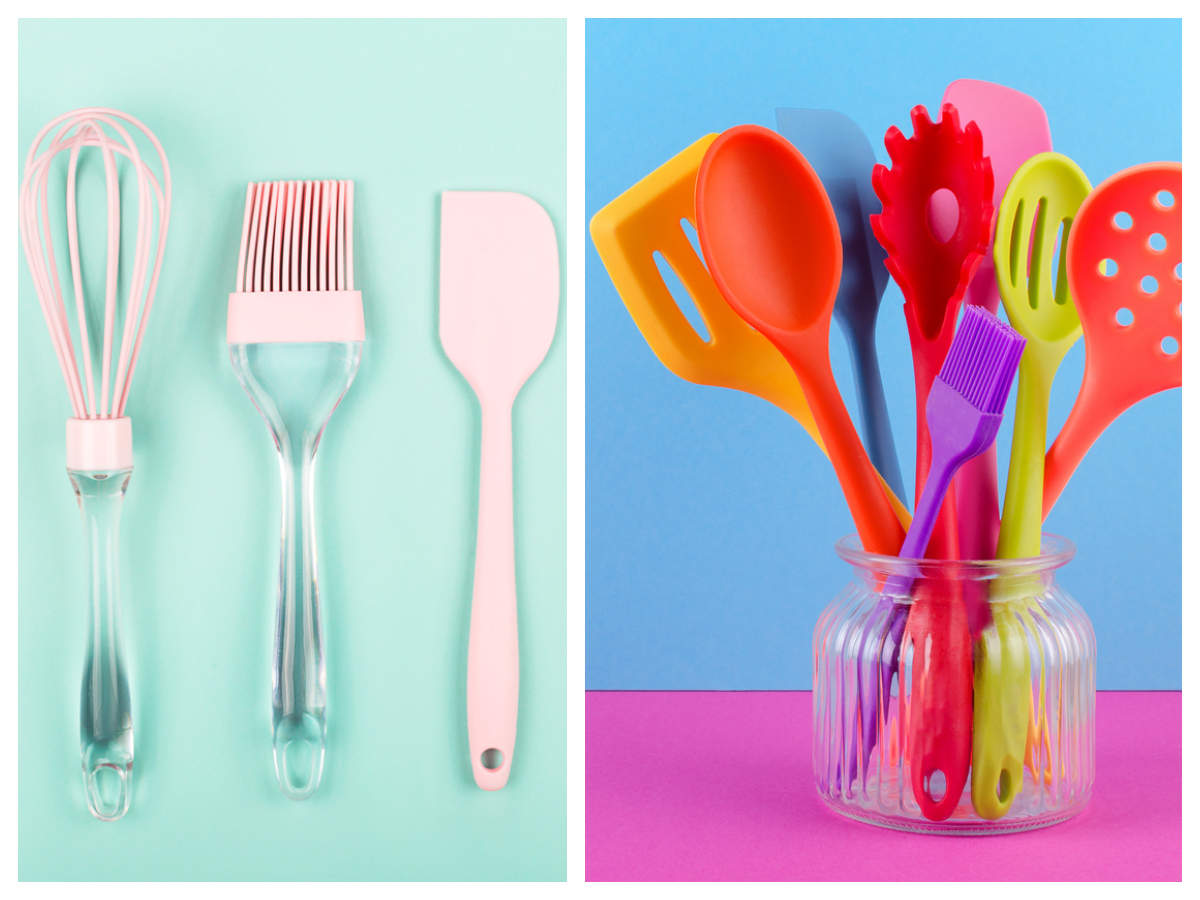
Silicone utensils are incredibly versatile. They include spatulas, whisks, baking mats, and even molds for cupcakes and ice cubes. One of the best things about silicone is its non-stick nature. This makes it a fantastic choice for baking and flipping foods without leaving a sticky residue. Think about your last baking session. Did you use a silicone spatula to scrape every last bit of batter from the bowl? If so, you experienced firsthand how these tools improve kitchen efficiency.Silicone utensils offer practical benefits beyond their colorful appeal. Have you ever wondered how a material so soft and flexible can endure the rigors of daily cooking? The answer lies in its unique composition and design, which makes it a kitchen essential. Would you consider replacing some of your old utensils with silicone ones? Their safety, practicality, and convenience might just surprise you.
:strip_icc()/bhg-silicone-kithcen-tools-GettyImages-1413104337-cc08807ed7294b5486b164213f9816da.jpg)
Credit: www.bhg.com
Benefits Of Silicone Utensils
Silicone utensils have taken the culinary world by storm, and for good reason. They offer a range of benefits that make cooking safer and more enjoyable. Whether you’re whipping up a quick breakfast or preparing a gourmet dinner, these versatile tools can enhance your kitchen experience. But what exactly makes silicone utensils so appealing?
Heat Resistance
Silicone utensils can withstand high temperatures, making them ideal for cooking. Unlike plastic, which can melt and warp, silicone remains intact even when exposed to the heat of frying pans or ovens. Have you ever accidentally left a spatula on a hot pan? With silicone, you don’t have to worry about it melting or releasing harmful chemicals. It’s reassuring to know your utensils are safe, even when things get heated.
Non-stick Properties
One of the most annoying kitchen challenges is dealing with food that sticks to your utensils. Silicone’s non-stick properties mean less frustration and cleaner cooking. Imagine flipping pancakes without the usual struggle or scraping off sticky batter. Silicone utensils glide smoothly, making cooking a more pleasant experience. Plus, they are easy to clean, saving you precious time.
Durability And Longevity
Silicone utensils are built to last. Their flexibility means they can withstand bending and twisting, unlike metal or wood that might snap or warp. Have you ever broken a wooden spoon while stirring a thick batter? Silicone utensils offer resilience and longevity, ensuring they remain a staple in your kitchen for years. Investing in silicone means you’re choosing long-lasting quality.
Have you considered how a simple change in utensils can impact your cooking routine? With silicone, you gain more than just a tool; you gain confidence and efficiency in your culinary adventures.
Safety Of Silicone In Cooking
Silicone utensils have become a staple in many kitchens, but how safe are they for cooking? This question often pops up when you’re standing in the kitchen, holding a bright spatula and wondering about its impact on your food. Are you compromising safety for convenience? Let’s dive into the different aspects that make silicone utensils safe for cooking.
Food-grade Standards
Silicone utensils are typically made from food-grade silicone, ensuring they meet certain health and safety standards. These standards mean that the silicone used doesn’t contain harmful chemicals or toxins that could leach into your food. As a home cook, you can rely on these utensils to be as safe as using a stainless-steel spoon.
Do you ever feel like you’re playing a guessing game with kitchen tools? With silicone’s adherence to food-grade standards, you can cook with confidence, knowing your meals are free from unwanted substances. Keep an eye out for labels and certifications when purchasing to ensure you’re getting quality products.
High-temperature Tolerance
One of the impressive features of silicone utensils is their high-temperature tolerance. Unlike plastic, silicone can withstand temperatures up to 500°F, making it suitable for various cooking methods like frying or baking. This heat resistance ensures that your utensils won’t melt or warp, which could lead to contamination.
Imagine flipping pancakes with a spatula that starts to deform under heat—frustrating, right? With silicone, you won’t face this problem. You can safely use these utensils for all your hot culinary endeavors without worrying about them altering the taste or quality of your dishes.
So, are silicone utensils safe for cooking? With their compliance with food-grade standards and high-temperature tolerance, they certainly offer a reliable option. Next time you’re stirring a pot of soup or flipping a piece of fish, you’ll know your silicone tools have got your back.
Potential Concerns
Silicone utensils raise concerns due to potential chemical leaching at high temperatures. Some people worry about food safety. Ensuring utensils are of high quality can reduce these risks.
When considering the use of silicone utensils in your kitchen, it’s important to weigh the potential concerns. While they are lauded for their flexibility and heat resistance, some aspects may give you pause. Understanding these concerns can help you make an informed decision about what you use in your cooking.Chemical Leaching
One worry is chemical leaching, especially at high temperatures. Some people question whether silicone can release harmful substances when exposed to heat. Although many experts claim that high-quality silicone is stable, not all products are created equal. Are you confident about the quality of your silicone utensils? I remember switching to silicone spatulas and feeling uneasy after reading about potential chemical leaks. I did my research and found that sticking to reputable brands eased my worries. You might find peace of mind by doing the same.Quality Variability
The quality of silicone utensils can vary widely. Some products are made with fillers that might compromise their safety and performance. Have you ever noticed a strange smell when using your silicone spatula? This might be an indicator of lower quality. To ensure you’re getting a high-quality product, look for certifications or reviews that vouch for safety standards. Investing in a reliable brand might cost a bit more upfront, but it’s worth it for peace of mind and longevity.Comparing Silicone With Other Materials
When choosing the right utensils for your kitchen, safety is always a top priority. Many people wonder about the safety of silicone utensils compared to other materials like plastic and metal. Each material has its pros and cons, and understanding these can help you make a more informed decision. Let’s dive into a comparison of silicone with plastic and metal utensils.
Silicone Vs. Plastic
Silicone utensils are often favored over plastic for their durability and heat resistance. Unlike plastic, silicone can withstand high temperatures without melting or releasing harmful chemicals. This makes it safer for cooking, especially when you’re dealing with hot foods or boiling liquids.
Have you ever noticed that plastic utensils can warp or discolor over time? Silicone retains its shape and color, providing longevity. Additionally, silicone is non-toxic and doesn’t leach into your food, which is a significant advantage over some plastics that can degrade and release toxins.
As someone who has switched from plastic to silicone, the change is palpable. You might find your cooking experience becomes more worry-free, knowing your utensils are safer and more reliable.
Silicone Vs. Metal
Metal utensils are known for their sturdiness and efficiency in tasks like flipping, stirring, and whisking. However, they can scratch non-stick surfaces, which could lead to ingestion of harmful chemicals from the coating. Silicone offers the same flexibility without the risk of damaging your cookware.
Moreover, silicone is quieter to use. Have you ever cringed at the clatter of metal utensils on pots and pans? Silicone reduces noise, making cooking a more pleasant experience. Additionally, silicone utensils are more ergonomic; they often have a softer grip, which is beneficial during long cooking sessions.
While metal is undeniably strong, silicone provides a safer and more versatile option for everyday cooking. Consider your cooking habits and kitchen setup. Could silicone utensils make a noticeable difference in your culinary adventures?
Choosing the right material for your kitchen utensils could be more impactful than you think. Explore the options, and find what truly enhances your cooking experience.
Tips For Choosing Safe Silicone Utensils
Selecting safe silicone utensils for cooking involves checking for food-grade certification. Prioritize BPA-free options to ensure health safety. Heat-resistant silicone remains stable during cooking, avoiding the release of harmful chemicals.
When it comes to choosing the right tools for your kitchen, safety should be your top priority. Silicone utensils are popular because they are flexible, heat-resistant, and easy to clean. However, not all silicone products are created equal. How do you make sure that the utensils you’re using are safe for cooking? Here are some practical tips to help you pick the best silicone utensils for your kitchen.Checking For Quality Marks
When buying silicone utensils, check for quality marks like FDA or LFGB certification. These marks ensure that the product meets safety standards for food contact. You can usually find these marks on the packaging or directly on the product. Don’t hesitate to ask store staff if the utensils have been tested for safety. Some brands might not display these certifications prominently. Your health is worth the extra inquiry.Care And Maintenance
Proper care can extend the life of your silicone utensils and keep them safe for use. Always wash them thoroughly before the first use to remove any manufacturing residues. Regular cleaning with mild soap and warm water is usually sufficient. Avoid using sharp objects on silicone as they can damage the surface, leading to degradation. If a utensil shows signs of wear, like splits or discoloration, it might be time to replace it. Keeping your utensils in good condition ensures that they remain safe and effective. Have you considered how you store your silicone utensils? Keeping them in a drawer where they can get squished or damaged may reduce their lifespan. Opt for hanging them or placing them in a utensil holder to maintain their shape and integrity. By following these actionable tips, you can confidently choose silicone utensils that are safe and durable for your cooking needs.Real-life User Experiences
Silicone utensils have gained popularity in many kitchens worldwide. People often wonder about their safety for cooking. Real-life user experiences provide valuable insights into this topic. Many home cooks share their thoughts and experiences with these utensils.
Common Feedback
Users often mention the durability of silicone utensils. They appreciate that silicone does not scratch non-stick cookware. Many find silicone utensils easy to clean and maintain. Some users notice a slight smell when first using them. Yet, this usually fades after a few washes.
Heat resistance is a common topic in reviews. Users often highlight silicone’s ability to withstand high temperatures. They feel confident using these utensils with hot pans and pots. Many users also appreciate the flexibility of silicone. They find it helpful for scraping bowls and pans.
Lessons From Users
Users often advise against using sharp tools with silicone. It can damage the utensils. They recommend storing silicone utensils properly to avoid bending. Some users suggest checking the quality before buying. They advise looking for utensils made from 100% food-grade silicone.
Many users share the importance of reading care instructions. This helps ensure the longevity of silicone utensils. Some mention occasional discoloration after extended use. They suggest using baking soda to clean them. Users also highlight the importance of buying from reputable brands.
Credit: timesofindia.indiatimes.com
Frequently Asked Questions
What Is The Safest Material For Cooking Utensils?
Silicone, stainless steel, and wood are considered safe materials for cooking utensils. They are non-toxic and durable. These materials resist high temperatures and don’t leach chemicals into food, ensuring a safer cooking experience. Always choose high-quality options to ensure safety in your kitchen.
Do Silicone Cooking Utensils Give Off Microplastics?
Silicone cooking utensils generally do not release microplastics. They are made from silica, a natural compound. High-quality silicone is stable and safe for cooking, resisting heat without degrading. Choose reputable brands to ensure quality and safety. Regular inspection can help identify any wear or damage over time.
Is It Better To Cook With Silicone Or Plastic Utensils?
Silicone utensils are generally safer and more heat-resistant than plastic. They don’t release harmful chemicals. Silicone is flexible, durable, and won’t scratch cookware. Plastic utensils can melt at high temperatures and may leach chemicals. Choose silicone for a safer cooking experience.
Does Silicone Give Off Chemicals When Heated?
Silicone is generally stable and safe when heated, not releasing harmful chemicals. It’s widely used in cookware. Ensure the silicone is food-grade and used within recommended temperature limits for safety.
Conclusion
Silicone utensils prove safe for cooking when used correctly. They resist heat and are durable. Easy to clean too. Most are BPA-free, reducing health concerns. Always check product labels. This ensures you choose high-quality options. Though generally safe, avoid using them on direct heat.
Silicone may melt. Use them for mixing, serving, or baking instead. They come in various colors and styles. A great addition to any kitchen. Consider them for your next cooking tool. With proper care, they last long. Enjoy cooking with silicone utensils.
Keep your meals safe and tasty.

Hi, I’m Daniel Brooks—a food lover and kitchen gear enthusiast. I enjoy testing cookware, utensils, and gadgets to see what really works in everyday cooking. At PlugChef.com, I share honest reviews, comparisons, and simple guides to help you choose the best tools for a safer, smarter, and more enjoyable kitchen.
Related posts:
 What Type of Cooking Utensils are Safe: Expert Picks
 What Innovations Could Blenders Make: Unleashing Future Tech
 Smart Strategies to Organize a Small Kitchen: Maximize Space
 How to Organize a Kitchen Cabinet: Expert Tips & Tricks
 How to Organize Kitchen Drawers: Expert Tips and Tricks
 How to Organize a Corner Kitchen Cupboard: Expert Tips

