
Are you wondering if silicone cooking utensils are safe for your kitchen? With so many options available, choosing the right tools can feel overwhelming.
You want to make sure that what you’re using is not only effective but also safe for you and your family. Silicone has become a popular choice because of its flexibility and heat resistance, but questions about its safety remain.
Are these colorful, non-stick tools really the best option for your cooking needs? Let’s dive into what you need to know about silicone utensils and whether they should earn a place in your kitchen. Keep reading to uncover the truth and make informed decisions that ensure your culinary adventures are both delightful and safe.
Credit: vegnews.com
Benefits Of Silicone Utensils
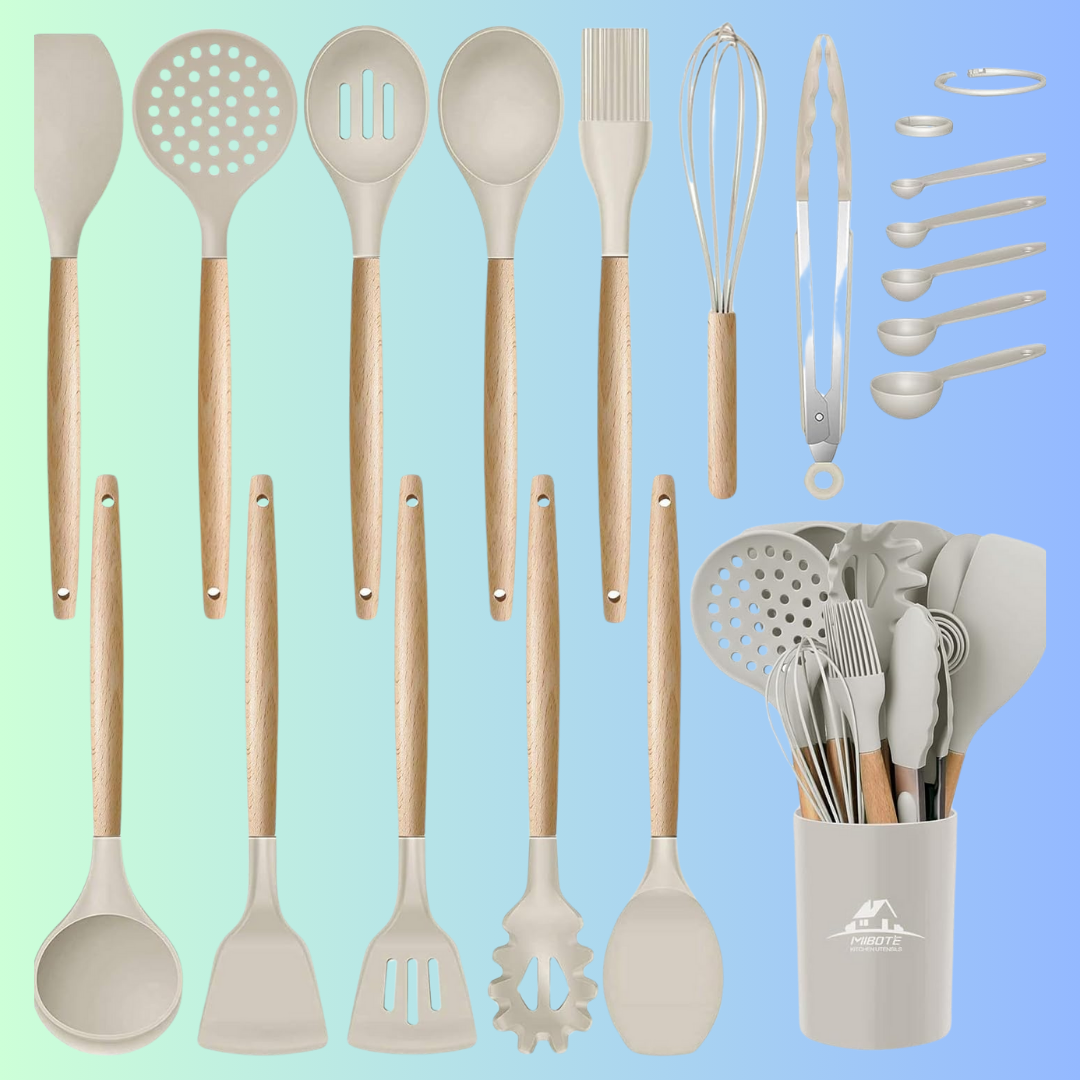
Silicone cooking utensils are safe and non-toxic, ideal for everyday use. They resist heat well and don’t scratch cookware. Their flexibility and durability make cooking easier and more enjoyable.
Silicone cooking utensils have gained popularity in kitchens worldwide. Their benefits make them a preferred choice for many home cooks. Silicone utensils offer a range of advantages that enhance cooking experiences. From durability to heat resistance, these utensils provide several features that are hard to ignore.Durability And Flexibility
Silicone utensils are highly durable. They withstand regular kitchen use without damage. Unlike metal, they don’t rust or bend. Their flexibility makes them easy to use in tight spaces. Silicone bends without breaking. This ensures they last longer than traditional tools.Heat Resistance
Silicone can handle high temperatures. It remains safe up to 500°F, which is ideal for cooking. This makes it perfect for stirring hot soups or frying. Silicone won’t melt or warp on stovetops. Its heat resistance ensures safe and effective cooking.Non-stick Properties
Silicone utensils have non-stick properties. They glide smoothly over cookware surfaces. This prevents scratching on non-stick pans. Food doesn’t cling to silicone, making cleanup easy. These properties help maintain cookware and save time cleaning. Silicone utensils are a practical choice for any kitchen. Their benefits improve cooking efficiency and safety.Safety Concerns
Silicone cooking utensils are generally safe for kitchen use. They withstand high temperatures and don’t react with food. Always choose high-quality, food-grade silicone to ensure safety and avoid harmful chemicals.
When it comes to kitchen gadgets, silicone cooking utensils are often hailed as the modern cook’s best friend. However, have you ever paused to consider their safety? While their vibrant colors and flexibility are appealing, it’s worth exploring any safety concerns. Are they as risk-free as they seem, or should you be cautious about using them in your daily cooking routine?Chemical Composition
Silicone is made from a combination of silicon, a natural element, and oxygen. This gives it a unique structure that’s both durable and heat-resistant. However, questions arise about the additives used in manufacturing. Some cheaper options may include fillers that can affect safety. Are you sure your utensils are 100% silicone?Potential Health Risks
One major concern is whether silicone emits harmful chemicals when heated. Unlike some plastics, silicone doesn’t contain BPA, but what about other potential toxins? Have you ever noticed a peculiar smell coming from your utensils when cooking? This could be a sign of poor-quality silicone breaking down at high temperatures. It’s worth considering if these utensils might contribute to any long-term health issues.Food Safety Standards
Not all silicone utensils are created equal. High-quality products adhere to strict food safety standards. Look for utensils labeled food-grade silicone to ensure they meet health regulations. Did you know that different countries have different safety standards? Checking for certifications from trusted organizations can give you peace of mind. Are your utensils up to par with the latest safety guidelines? Navigating the world of kitchen utensils can be tricky. It’s important to be informed and make choices that prioritize your health and safety. Have you checked your silicone tools lately?Comparing Materials
Silicone cooking utensils are a popular choice in kitchens today. Known for their heat resistance, they can withstand high temperatures. Many people find them safe for everyday cooking, offering durability and ease of use.
When choosing cooking utensils, it’s easy to get overwhelmed by the variety of materials available. You might wonder which is the safest and most efficient for your culinary needs. Let’s break down the key differences between silicone, plastic, metal, and wood utensils, so you can make an informed decision for your kitchen.Silicone Vs. Plastic
Silicone and plastic might look similar at first glance. However, they differ significantly in terms of safety and durability. Silicone is heat-resistant, making it ideal for cooking at high temperatures without releasing harmful chemicals. Plastic, on the other hand, can melt and warp when exposed to high heat. This can release toxic substances into your food. If you’ve ever smelled burnt plastic, you know it’s not something you want in your meal. Silicone utensils are also more flexible, which can be a blessing when scraping every last bit of batter from a bowl. Yet, have you ever noticed how plastic spoons can get stained? Silicone resists staining and odors much better, keeping your utensils looking fresh.Silicone Vs. Metal
Metal utensils are known for their durability and strength. They’re great for tasks that require a bit of muscle, like flipping a thick steak. However, metal can scratch your non-stick cookware, shortening its lifespan. Silicone, in contrast, is gentle on your pots and pans. It’s flexible enough to reach tight corners without damaging surfaces. Remember that time you used a metal spatula on your favorite non-stick pan and regretted it? Silicone can prevent those kitchen mishaps. While metal can withstand high temperatures, it can get uncomfortably hot to handle. Silicone offers a cooler touch, making it safer and more comfortable to use.Silicone Vs. Wood
Wooden utensils have a rustic charm and are gentle on cookware. They’re often the go-to for stirring sauces and soups. However, they can absorb moisture and harbor bacteria if not properly cared for. Silicone doesn’t have the same issues. It’s non-porous, so it won’t absorb odors or bacteria. This makes cleaning a breeze, especially after working with strong-smelling ingredients like garlic. Wooden spoons can crack and splinter over time, especially when exposed to water. Silicone maintains its shape and integrity, offering a longer-lasting option. Think of the times you’ve tossed a wooden spoon because it split—silicone could save you that hassle. After comparing these materials, what stands out to you? Do you prioritize safety, durability, or ease of cleaning in your kitchen tools? The choice is ultimately yours, but knowing the pros and cons can lead to more enjoyable cooking experiences.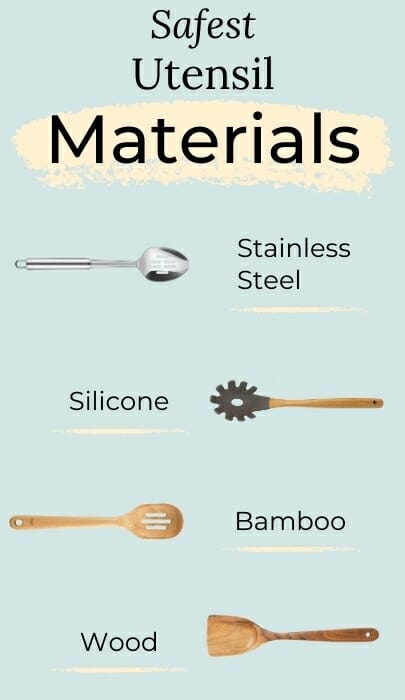
Credit: thegoodlifedesigns.com
Care And Maintenance
Silicone cooking utensils are generally considered safe for kitchen use. They withstand high temperatures without melting or leaching chemicals. Regular cleaning and avoiding sharp edges ensure their longevity.
Caring for your silicone cooking utensils is crucial to ensure they remain safe and last long. Many of us love using silicone utensils because they’re flexible and don’t scratch our cookware. However, how you clean and store them can make a big difference in their longevity.Cleaning Tips
Cleaning silicone utensils is easier than you might think. The best way is to wash them with warm soapy water right after use. This prevents food residue from sticking too hard. A soft sponge works well to keep the silicone surface smooth. If you notice stubborn stains or smells, a paste of baking soda and water can work wonders. Let it sit for a few hours before rinsing. You can also toss them in the dishwasher if they’re dishwasher-safe, but check the manufacturer’s instructions first.Storage Recommendations
Proper storage can extend the life of your silicone utensils. Store them in a dry place to prevent mold and mildew. You can hang them on hooks for easy access and to save drawer space. Grouping similar utensils together can help you stay organized and ensure you grab the right tool when cooking. If you’re short on space, consider a utensil holder on your countertop. This keeps them within arm’s reach and adds a splash of color to your kitchen.Avoiding Damage
Silicone utensils are durable, but they’re not invincible. Avoid using them on open flames or extremely high heat, as this can degrade the material over time. Always check their heat resistance rating. Using sharp objects with silicone utensils can cause cuts and tears. It’s wise to use them with non-stick cookware to avoid damaging both the utensil and the pan. Be mindful of how you use them, and they’ll serve you well for years. Have you ever thought about how a little care can go a long way in preserving your kitchen essentials? By following these simple care and maintenance tips, you can ensure your silicone cooking utensils remain safe and reliable companions in your culinary adventures.Consumer Opinions
Many wonder about the safety of silicone cooking utensils. These tools are generally safe for cooking at moderate temperatures. Concerns often arise about chemical leaching at high heat.
Silicone cooking utensils have become a staple in many kitchens. But what do consumers really think about their safety? Are these vibrant tools trustworthy or just another trend?User Reviews
Consumers have shared mixed opinions about silicone cooking utensils. Many praise their flexibility and heat resistance. One user mentioned how silicone spatulas don’t scratch non-stick pans, prolonging their lifespan. Others are concerned about potential chemicals leaching into food. A family chef shared how she switched back to wooden spoons after noticing a peculiar taste in her dishes. These reviews highlight a divide in user satisfaction.Expert Advice
Experts weigh in on the safety of silicone utensils, often reassuring users. According to food safety specialists, high-quality silicone is generally safe for cooking. It’s important, however, to choose utensils from reputable brands. An expert once stated, “If it’s FDA-approved, you can feel confident using it.” Always verify certifications when buying new kitchen tools. This advice can help you make informed decisions about your kitchen essentials.Market Trends
The market for silicone cooking utensils is expanding rapidly. More brands are introducing eco-friendly silicone options. Transparent manufacturing processes are becoming a selling point. Consumers demand clarity on what exactly goes into their products. Are you seeing these shifts in your local stores? Additionally, vibrant colors and innovative designs are attracting a younger audience. This trend indicates a growing preference for aesthetic and functional kitchen tools. Silicone utensils offer convenience and style, but consumer opinions vary. As you consider adding these to your kitchen, what matters most to you? Safety, aesthetics, or perhaps the opinion of others? Your choices shape your cooking experience.
Credit: www.reddit.com
Frequently Asked Questions
Are Silicone Cooking Utensils Toxic Free?
Silicone cooking utensils are generally non-toxic and safe for use. They don’t leach harmful chemicals into food. Ensure they are food-grade and BPA-free for maximum safety. Always purchase from reputable brands to avoid low-quality materials. Regularly inspect for wear and tear to maintain safety.
Does Silicone Leach Chemicals When Heated?
Silicone is generally safe and stable when heated. It doesn’t leach harmful chemicals under normal cooking temperatures. Ensure it’s food-grade silicone for safety. Always avoid overheating beyond recommended limits to prevent potential risks.
What Are The Downsides Of Silicone Utensils?
Silicone utensils can sometimes retain odors and stains. They might not withstand high temperatures for prolonged periods. Some users report a rubbery texture. Low-quality silicone may contain fillers that compromise safety. Always choose high-quality, food-grade silicone to avoid these issues.
What Is The Safest Material For Cooking Utensils?
Stainless steel is the safest material for cooking utensils. It is non-reactive, durable, and easy to clean. Silicone is also safe and heat-resistant. Both options prevent harmful chemical leaching into food, ensuring healthy cooking. Choose high-quality materials for optimal safety and performance in the kitchen.
Conclusion
Silicone cooking utensils offer a safe choice for your kitchen needs. They withstand high heat, which reduces risk during cooking. Non-stick surfaces make cleaning easy and fast. Their durability ensures long-term use, saving you money over time. People find them gentle on cookware, preventing scratches.
Always choose high-quality silicone for best results. Check for food-grade certification to ensure safety. Many cooks enjoy the flexibility and color options available. Consider silicone utensils for a safe, practical addition to your kitchen. They balance safety, functionality, and aesthetics effectively, making them a wise choice.

I’m Abby Lu, a passionate home cook who loves simplifying everyday meals. At PlugChef.com, I share product reviews and cooking guides to help you find the best tools for your kitchen.
Related posts:
 What Type of Cooking Utensils are Safe: Expert Picks
 What Innovations Could Blenders Make: Unleashing Future Tech
 Smart Strategies to Organize a Small Kitchen: Maximize Space
 How to Organize a Kitchen Cabinet: Expert Tips & Tricks
 How to Organize Kitchen Drawers: Expert Tips and Tricks
 How to Organize a Corner Kitchen Cupboard: Expert Tips