
Have you ever wondered about the safety of those colorful silicon cooking utensils in your kitchen? If you’re like many home cooks, you’ve probably heard conflicting opinions.
You might find yourself questioning whether these handy tools are as safe as they are convenient. We’ll dive into the facts and myths surrounding silicon utensils, aiming to clear up any confusion you might have. Imagine feeling confident every time you whip up a meal, knowing your cooking tools won’t harm you or your loved ones.
By the end of this read, you’ll have all the information you need to make informed choices about your kitchen essentials. Ready to put your mind at ease? Let’s get started!
Material Composition
Understanding the material composition of silicon utensils is vital for safety. Silicon is crafted from silica, a natural compound found in sand. It’s then transformed into a flexible material. This flexibility makes it ideal for cooking. Silicon’s heat resistance is another key feature. It can withstand high temperatures without melting.
Silica: The Key Ingredient
Silica forms the backbone of silicon utensils. It’s a naturally occurring element. In its pure form, it’s safe for use in kitchens. Silica is abundant and environmentally friendly. This makes it a popular choice for manufacturers.
Heat Resistance And Safety
Silicon can handle high heat without releasing toxins. Unlike some plastics, it won’t melt or warp. This makes it safe for cooking at high temperatures. You can use silicon utensils on hot surfaces without worry.
Non-toxic And Food-grade
Silicon utensils are often labeled food-grade. This means they’re free from harmful chemicals. No BPA or phthalates. This is important for health-conscious consumers. Food-grade silicon ensures safety in everyday cooking.
Durability And Longevity
Silicon utensils are known for their durability. They resist wear and tear over time. This long-lasting nature adds value to your kitchen. You won’t need frequent replacements, saving money.
Heat Resistance
Silicon cooking utensils have become popular in kitchens worldwide. Their flexibility and durability are impressive. One important factor is their heat resistance. This characteristic makes them suitable for various cooking tasks. Understanding heat resistance is essential for safe kitchen use.
What Is Heat Resistance?
Heat resistance refers to how well a material withstands high temperatures. Silicon can handle temperatures up to 450°F (232°C). This makes it ideal for cooking and baking. High heat resistance prevents melting and warping. It ensures utensils maintain their shape and function.
Benefits Of High Heat Resistance
High heat resistance offers many advantages. Silicon utensils are safe on hot surfaces. They do not release harmful chemicals when heated. This makes them healthier for cooking. Silicon is also less likely to burn or damage cookware. This extends the lifespan of pots and pans.
Safety Precautions
Despite their heat resistance, precautions are necessary. Avoid exposing silicon to direct flames. This can cause damage or discoloration. Always check the maximum heat limit of your utensils. Following these guidelines ensures safe use. It also maintains the quality of your kitchen tools.
Comparing Silicon To Other Materials
Silicon stands out among cooking materials. Unlike plastic, it does not melt easily. Unlike metal, it does not conduct heat. Silicon is safer to handle when hot. It offers a unique balance of durability and safety. This makes it a preferred choice for many cooks.
Chemical Leaching
Silicon cooking utensils are popular in modern kitchens. Their vibrant colors and flexibility make them appealing. But safety concerns arise around chemical leaching. This happens when chemicals seep from utensils into food during cooking. Understanding chemical leaching is crucial for healthy cooking.
What Is Chemical Leaching?
Chemical leaching involves transferring substances from utensils to food. Heat can accelerate this process during cooking. It’s important to know what might leach from silicon utensils.
Common Concerns With Silicon Utensils
Silicon is generally considered safe for cooking. But concerns exist about low-quality products. These may contain harmful fillers. Always choose high-quality silicon utensils. They reduce the risk of leaching.
How To Minimize Chemical Leaching
To minimize leaching, use utensils from reputable brands. Check for food-grade silicon labels. Avoid exposing silicon to high heat for long periods. This practice can help maintain safety.
Benefits Of Using Silicon Utensils
Silicon utensils offer many benefits. They are heat resistant and non-stick. This makes cooking easier and cleaner. Choosing quality silicon ensures safer cooking.
Food Safety Standards
Silicon cooking utensils meet food safety standards and are considered safe for kitchen use. They resist heat and don’t leach chemicals into food, ensuring a healthier cooking experience. Their durability and flexibility make them a popular choice among home cooks.
Silicon cooking utensils have become a staple in modern kitchens, praised for their flexibility, durability, and ease of cleaning. But, with the growing concern over food safety, you might wonder about the standards that ensure these colorful tools are safe for everyday use. Food safety standards are crucial in making sure that the silicon utensils you use don’t just make cooking easier but also keep your meals safe from harmful chemicals.Fda Regulations
In the United States, the Food and Drug Administration (FDA) plays a critical role in setting safety standards for kitchenware. The FDA ensures that silicon utensils meet specific guidelines that prevent harmful chemicals from leaching into food. It mandates that these utensils must be made from food-grade silicon, free from BPA and other toxic substances. These regulations are crucial, especially if you frequently cook meals that require high temperatures. Silicon utensils are tested to withstand heat up to a certain degree without melting or releasing harmful substances. Next time you’re flipping pancakes or stirring soup, you can feel secure knowing that your utensils meet rigorous safety checks.European Standards
In Europe, the standards are equally stringent, focusing on consumer safety and product quality. The European Union (EU) has its own set of regulations that silicon cooking utensils must adhere to. These standards often go beyond what is required in the United States. The EU requires manufacturers to conduct thorough testing and provide certifications that confirm the safety of their products. This includes ensuring that no harmful chemicals can migrate from the utensils into food. If you’ve ever bought a silicon spatula with a CE mark, that’s a good sign it’s passed these rigorous tests. Both FDA and EU standards reflect a shared commitment to safety, but they also highlight differences in regulatory approaches. It’s worth checking the labels and certifications on your utensils to ensure they meet the standards that matter to you. Have you ever wondered where your utensils stand in terms of safety? Next time you’re shopping, take a closer look at those labels—they tell more than just the price.Durability And Longevity
Silicon cooking utensils are safe, offering durability and longevity. They withstand high temperatures without melting or deforming. These utensils are non-toxic and do not leach chemicals into food, ensuring a safe cooking experience.
When it comes to kitchen tools, durability and longevity are essential qualities you seek, especially in items you use daily. Silicon cooking utensils have become popular due to their sleek design and flexibility, but how do they fare in the long run? Let’s delve into the durability and longevity of these colorful kitchen companions.Durability Of Silicon Utensils
Silicon utensils are known for their robustness. Unlike metal or wooden spoons that may warp or crack over time, silicon is resistant to wear and tear. You can toss them into your dishwasher without a second thought, as they withstand high temperatures without melting or deforming. Consider your silicon spatula; after countless pancake flips, it remains as good as new. This resilience saves you money, as you won’t need frequent replacements.Longevity: How Long Do They Last?
Silicon utensils boast impressive longevity. Their non-porous surface means they don’t absorb odors or stains, maintaining their vibrant appearance. A friend once shared how her silicon whisk lasted through years of baking adventures, always ready for the next cake mix. This longevity is a testament to their quality. However, inspect them occasionally for any signs of wear. While they rarely degrade, a small tear can affect their performance and safety.Maintenance Tips For Extended Use
Proper care extends the life of your silicon utensils. Always clean them thoroughly after use to prevent food residue buildup. Avoid using sharp knives or utensils directly on silicon surfaces, as this can damage them. Store your utensils in a dry place to avoid any potential issues with mold or mildew, ensuring they remain in pristine condition.Why Choose Silicon For Durability?
Choosing silicon isn’t just a trend; it’s a practical decision. Their resilience and longevity make them a smart investment for your kitchen. Think about your cooking habits. Do you frequently cook with high heat or acidic foods? Silicon can handle both without compromising its integrity. As you explore different cooking techniques, silicon utensils adapt seamlessly, proving their worth with every dish you create.Final Thoughts: Is Silicon Worth It?
Silicon cooking utensils offer durability and longevity, making them a valuable addition to your kitchen. Their ability to withstand heat, resist stains, and maintain their form over time provides you with reliable performance. Next time you’re considering new kitchen tools, ask yourself: isn’t it time to invest in something that lasts?Environmental Impact
Silicon cooking utensils have become popular in modern kitchens. Their safety and durability attract many. But what about their environmental impact? Understanding this helps us make better choices for our planet.
Biodegradability
Silicon utensils do not biodegrade easily. They can stay in landfills for years. This is a concern for many eco-conscious consumers. Unlike organic materials, silicon breaks down very slowly. It can take hundreds of years. This long lifespan in landfills poses environmental challenges.
Recycling Challenges
Recycling silicon is not a simple task. Few facilities handle silicon recycling. This limits the options for disposal. Many people end up throwing them away. This increases landfill waste. Proper recycling methods can reduce environmental strain. But they are not widely available yet. This makes recycling a challenge for silicon utensils.
User Experiences
Silicon cooking utensils are generally safe and popular for their heat resistance and non-stick properties. They don’t react with food, making them a favorite in many kitchens. Most users find them convenient and easy to clean, enhancing the cooking experience.
Silicon cooking utensils have become popular in many kitchens. Users often praise their versatility and ease of use. But some have mixed experiences. Let’s explore what people say about using these tools in their daily cooking.Pros And Cons
Many enjoy the lightweight nature of silicon utensils. They don’t scratch non-stick pans, a big plus for many. Users find them easy to clean. They often don’t stain or retain odors. Also, their heat resistance is appreciated. They can withstand high temperatures without melting. But not everyone is satisfied. Some users report that they feel flimsy. They may bend under pressure. This can make handling heavier foods challenging.Common Concerns
Safety is a frequent concern. Many question if silicon is truly safe. They wonder if chemicals leach into their food. There’s also worry about durability. Some think silicon might not last long. Others question its performance in high-heat cooking. Despite these concerns, many users continue to rely on silicon utensils. They value their convenience and efficiency in the kitchen.
Credit: www.reddit.com
Comparisons With Other Materials
Silicon cooking utensils are safer compared to metal and plastic ones. They resist heat and don’t melt easily. Unlike wooden spoons, they don’t absorb bacteria or odors, ensuring food safety.
Silicon cooking utensils are gaining popularity in kitchens worldwide. Their flexibility and heat resistance make them attractive. But how do they compare with other materials? Understanding these differences can help you make informed choices. Let’s explore how silicon stands against plastic, metal, and wood.Plastic Utensils
Plastic utensils are lightweight and affordable. They’re often used for their convenience. However, they can melt if exposed to high heat. This can release harmful chemicals. Silicon, in contrast, can withstand high temperatures without melting. It’s safer for cooking at high heat. Silicon is also more durable than plastic, reducing the need for replacements.Metal Utensils
Metal utensils are known for their strength and durability. They handle high heat well. But they can scratch non-stick surfaces. Silicon utensils are gentle on all types of cookware. They won’t scratch or damage surfaces. Metal can also rust if not properly cared for. Silicon doesn’t rust, offering longer-lasting performance in wet conditions.Wood Utensils
Wood utensils offer a rustic charm and natural feel. They’re gentle on cookware. But they can harbor bacteria if not cleaned properly. Silicon is non-porous, reducing bacterial buildup. Wood can also absorb odors and stains over time. Silicon resists stains and odors, maintaining its appearance longer.Care And Maintenance
Silicon cooking utensils are generally safe when used correctly. They withstand high temperatures and resist stains and odors. Regular cleaning and inspection ensure durability and prevent contamination.
Ensuring the longevity of your silicone cooking utensils involves proper care and maintenance. These utensils are popular for their flexibility and resistance to heat, but to keep them safe and effective, you need to handle them with some attention. Let’s dive into how you can maintain these kitchen essentials effortlessly.Regular Cleaning
Rinse your silicone utensils with warm, soapy water after every use. You can also toss them in the dishwasher for convenience, as silicone is dishwasher safe. This routine prevents any food residue from hardening and sticking.Avoid Abrasive Cleaners
Steer clear of using steel wool or rough scrubbers on silicone. These can scratch the surface and degrade the material over time. Opt for a soft sponge or cloth to keep your utensils in pristine condition.Heat Exposure
While silicone is heat-resistant, avoid prolonged exposure to high temperatures. Leaving utensils on a hot stove or near an open flame can cause damage. Always ensure they are used within the recommended temperature range.Storage Tips
Store your silicone utensils in a clean, dry place. Avoid cramming them into tight spaces where they can become misshapen. Hanging them or laying them flat ensures they maintain their shape and functionality.Inspect Regularly
Check your utensils for any signs of wear or damage. Look for tears, discoloration, or any unusual texture. Replacing damaged items promptly ensures your kitchen remains safe.Personal Experience
I once left a silicone spatula too close to a hot pan. It slightly melted, but it was a good reminder to be cautious. Since then, I’ve always made sure to keep utensils away from direct heat sources. Have you ever had a similar experience that taught you a valuable lesson in the kitchen? Taking these simple steps will prolong the life of your silicone utensils and keep them safe to use. How do you care for your kitchen tools? Share your tips in the comments!
Credit: www.amazon.com
Expert Opinions
Experts weigh in on the safety of silicon cooking utensils. Many argue that they are safe for everyday use. Others highlight potential risks at high temperatures. Understanding these differences can help make informed choices for kitchen tools.
When it comes to kitchen tools, the safety of silicon cooking utensils is a hot topic. Many of you might wonder if these colorful, flexible tools are as safe as they are convenient. To get a clearer picture, let’s dive into what the experts have to say.What Do Food Safety Experts Say?
Food safety experts have thoroughly examined silicon cooking utensils. They often highlight the material’s stability under heat. Unlike plastics, silicon doesn’t leach harmful chemicals when exposed to high temperatures. This characteristic makes it a preferred choice for many culinary professionals. But how do you know if your silicon tools are high-quality? Experts suggest checking for certifications like FDA approval. This ensures your utensils meet stringent safety standards. Next time you shop, consider looking for these labels to safeguard your kitchen.Chemists’ Perspective On Silicon
Chemists provide a reassuring view on silicon’s safety. Silicon’s molecular structure is remarkably stable, even at high temperatures. This means it won’t break down and release toxins into your food. They also emphasize its non-reactive nature. Unlike metal utensils, silicon won’t alter the taste of your dishes. You can stir your acidic tomato sauce without worry. The chemical stability of silicon keeps your meals pure and delicious.Environmental Scientists Weigh In
Environmental scientists offer insights into the eco-friendly aspect of silicon. Unlike plastic, silicon is more durable and can last years in your kitchen. This longevity reduces waste and the need for frequent replacements. Moreover, silicon is recyclable. Scientists encourage you to look for recycling programs in your area. By opting for silicon utensils, you contribute to a more sustainable planet.Personal Experience: A Home Cook’s Perspective
As someone who loves experimenting in the kitchen, I’ve found silicon utensils to be a game changer. Their flexibility and ease of cleaning have saved me time and effort. Cooking with them feels safe, knowing they won’t add unwanted chemicals to my meals. But it’s not just about convenience. Using silicon utensils has encouraged me to be more mindful of what materials I bring into my home. Could this be the small change you need to elevate your cooking experience? So, what do you think? Are silicon utensils the right fit for your kitchen? As you ponder this, remember to weigh expert opinions alongside your personal needs. Your culinary adventures deserve the best tools.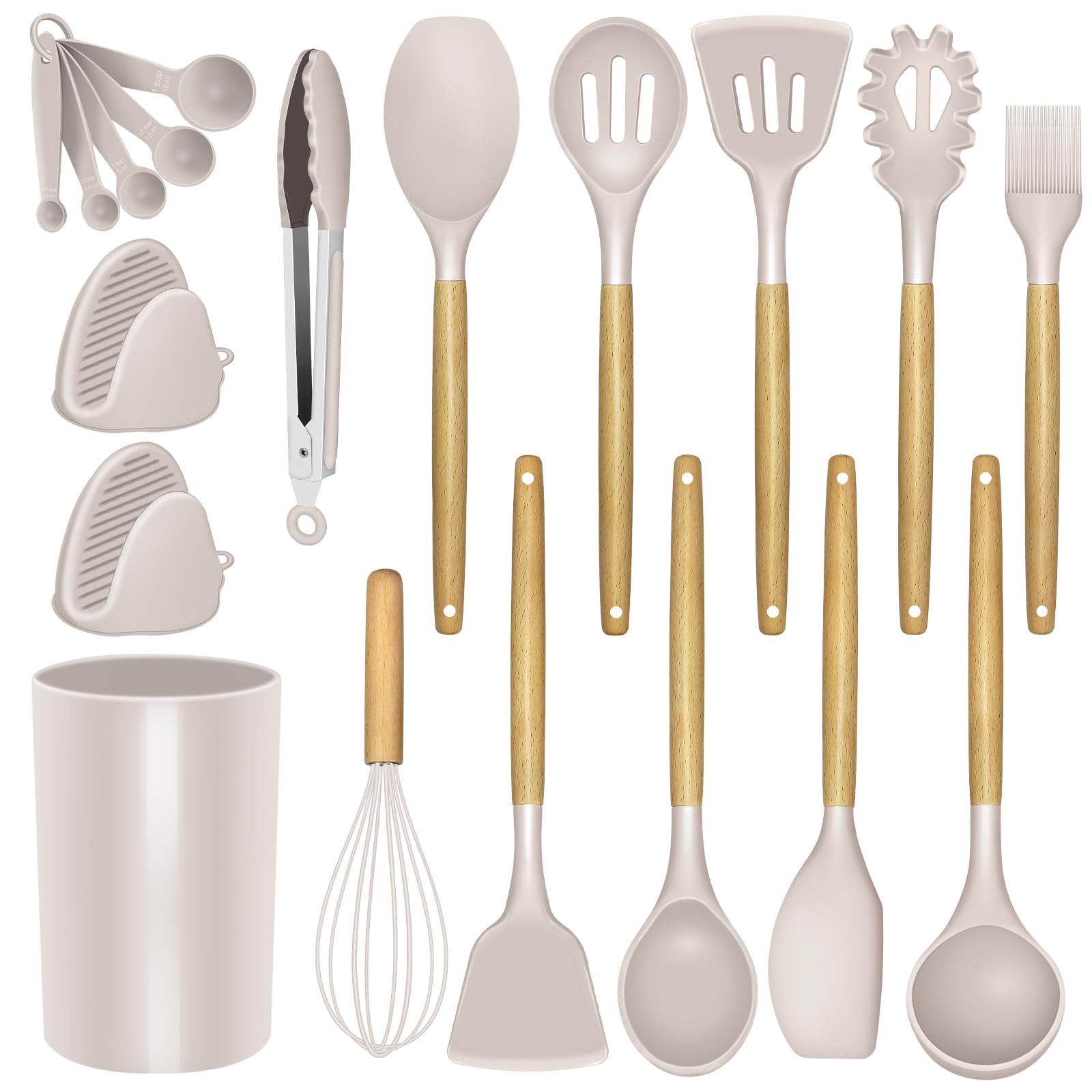
Credit: www.amazon.com
Frequently Asked Questions
Are Silicone Cooking Utensils Toxic Free?
Silicone cooking utensils are generally considered non-toxic and safe for kitchen use. They resist heat and do not leach chemicals. Ensure they are made from high-quality food-grade silicone for safety. Always check for certifications to ensure no harmful additives are present.
Does Silicone Leach Chemicals When Heated?
Silicone is stable when heated and typically does not leach chemicals. It is safe for cooking and baking. Always choose high-quality silicone products to ensure safety and avoid potential contamination. Check for certifications indicating food-grade quality to guarantee safe use at high temperatures.
What Are The Downsides Of Silicone Utensils?
Silicone utensils can retain odors and stains. They might degrade at high temperatures over time. Some may contain fillers, affecting durability. Certain silicone products can be less rigid, making them unsuitable for precise tasks. Quality varies, so choose trusted brands to avoid potential health risks.
What Is The Safest Material For Cooking Utensils?
Stainless steel is the safest material for cooking utensils. It’s non-reactive, durable, and easy to clean. Silicone is also safe, offering heat resistance and flexibility. Both materials ensure no harmful chemicals leach into food, providing safe cooking experiences.
Conclusion
Silicon cooking utensils are generally safe for kitchen use. They withstand high temperatures. Non-toxic materials reduce health risks. Always check for quality and certifications. Choose reputable brands. Regular cleaning keeps them hygienic. They offer convenience in cooking tasks. Lightweight and easy to handle.
Perfect for non-stick pans. They prevent scratches on cookware. Good maintenance extends their lifespan. Consider personal preference and comfort. They are popular among home cooks. Balance safety with cooking needs. Silicon is a reliable choice. Make informed decisions for your kitchen.
Keep exploring options for safe cooking tools.

Hi, I’m Daniel Brooks—a food lover and kitchen gear enthusiast. I enjoy testing cookware, utensils, and gadgets to see what really works in everyday cooking. At PlugChef.com, I share honest reviews, comparisons, and simple guides to help you choose the best tools for a safer, smarter, and more enjoyable kitchen.
Related posts:
 What Type of Cooking Utensils are Safe: Expert Picks
 What Innovations Could Blenders Make: Unleashing Future Tech
 Smart Strategies to Organize a Small Kitchen: Maximize Space
 How to Organize a Kitchen Cabinet: Expert Tips & Tricks
 How to Organize Kitchen Drawers: Expert Tips and Tricks
 How to Organize a Corner Kitchen Cupboard: Expert Tips