

Are oysters good in January? If you love fresh seafood, this question might be on your mind as the new year begins.
You want to enjoy oysters that taste great and are safe to eat. But does January offer the best time for these tasty treats? Keep reading, and you’ll discover the surprising facts about oyster season, why January might be perfect, and how to choose the freshest oysters every time.
By the end, you’ll know exactly when to enjoy oysters at their best—and why your next seafood meal could be even better than you thought.

Credit: www.aphroditeoysters.com
Oyster Seasonality
Oyster seasonality plays a big role in the flavor and texture of the oysters you enjoy. Knowing when oysters are at their best can transform your tasting experience. The natural cycles of oysters depend heavily on water temperature and spawning periods, which impact their taste and freshness.
Best Months For Freshness
Oysters tend to be freshest and most flavorful during the colder months, typically from September through April. During these months, oysters have not yet spawned, so they maintain a firm texture and a rich, briny flavor. Many oyster enthusiasts say that the cold water helps oysters build up their natural sweetness, making them taste better.
Warmer months often mean oysters are “ripe” or spawning, which can make them softer and sometimes less tasty. If you want oysters that pop with freshness and a clean ocean flavor, stick to the months with an “R” in their name—September through April.
Why January Stands Out
January is a standout month for oysters because it falls right in the middle of the prime oyster season. At this time, oysters have fully recovered from spawning and have had months to rebuild their flavor and texture. This results in oysters that are plump, sweet, and briny—a perfect balance that can elevate your dish.
When I first tried oysters in January, the freshness was clear from the first bite. They had a crisp, cool taste that reminded me why seasonality matters. If you’ve ever wondered whether January oysters live up to the hype, the answer is a firm yes.
Have you noticed a difference in oyster taste depending on when you eat them? Trying oysters in January might just change how you think about their seasonality—and what you look for at your next seafood market.
Flavor Profile In January
Oysters taste fresh and briny in January, with a clean and slightly sweet flavor. Cold waters help keep their texture firm and enjoyable. This month offers some of the best oyster flavors for seafood lovers.
Flavor Profile in January Oysters offer a unique taste experience in January. The cold waters of winter enhance their flavor. They become more briny and crisp. This month is a great time for oyster lovers. The taste can be more intense and refreshing.Taste Variations By Season
Oysters change with the seasons. In warmer months, they are milder. In January, the cold adds depth to their flavor. The salty taste can be more pronounced. This seasonal shift makes them a winter favorite.Texture And Appearance
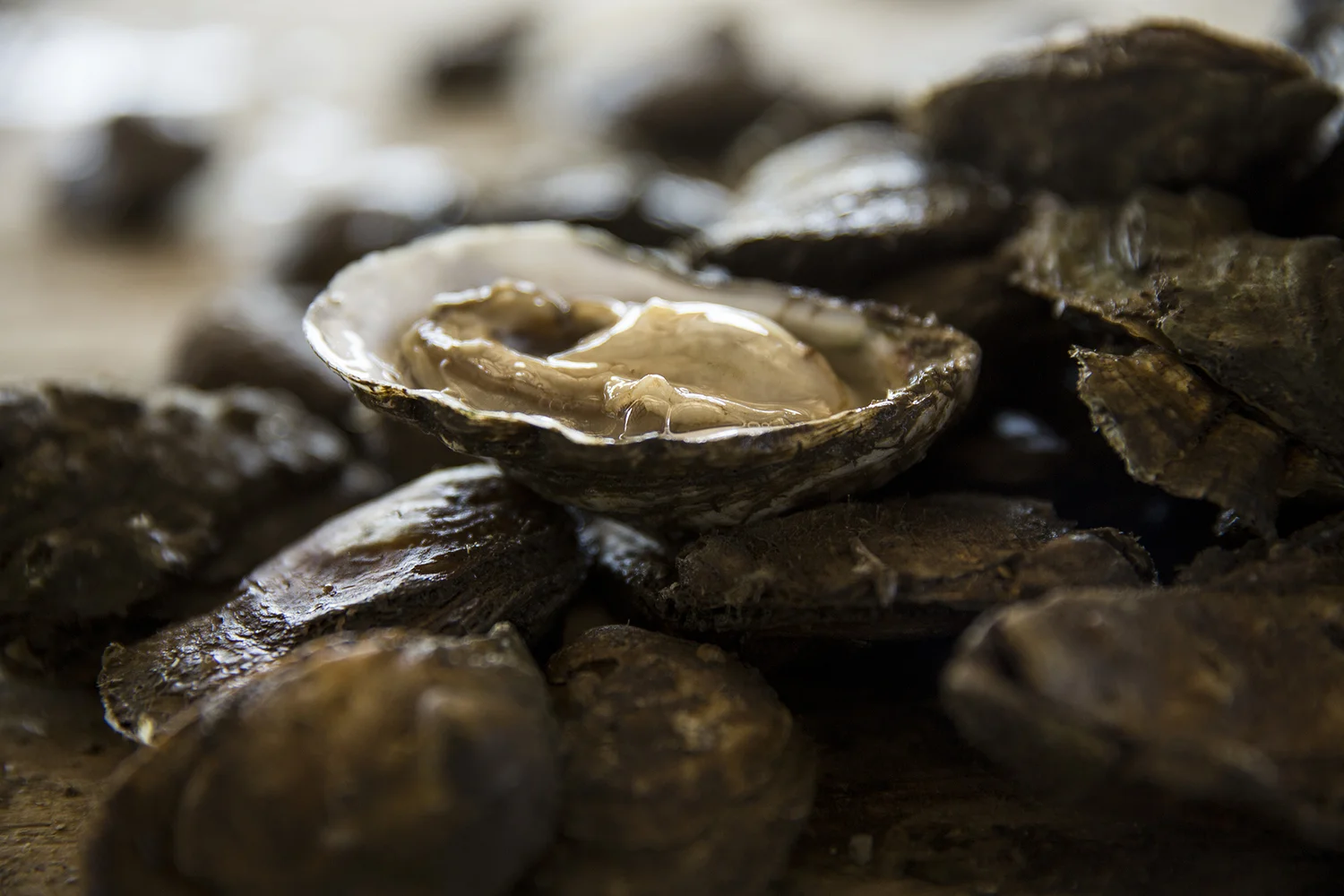
Oysters in January have a firmer texture. The cold waters make them plump. Their shells are often cleaner. They have a shiny appearance, signaling freshness. This texture and look appeal to many seafood enthusiasts.Health Benefits Of Oysters
Oysters are more than a tasty treat. They offer many health benefits, especially in January when fresh oysters are available. Eating oysters can support your body in important ways. Their nutrients help improve overall health and well-being.
Nutritional Value
Oysters are rich in essential nutrients. They provide high-quality protein with low calories. They contain important vitamins like B12, which supports brain health. Oysters also offer minerals such as zinc, iron, and selenium. These nutrients are vital for many body functions.
Boosting Immunity
Oysters contain zinc, a mineral that strengthens the immune system. Zinc helps the body fight infections and heal wounds faster. Eating oysters regularly can help keep colds and other illnesses away. They also have antioxidants that protect cells from damage.
Supporting Heart Health
Oysters are good for the heart. They contain omega-3 fatty acids that reduce inflammation and lower blood pressure. These fats improve circulation and help prevent heart disease. Oysters also have potassium and magnesium, which support healthy heart function.
Credit: bittersoutherner.com
Choosing Fresh Oysters
Choosing fresh oysters is essential, especially in January when the cold season can affect their quality. Freshness not only guarantees the best taste but also ensures safety. Knowing what to look for helps you enjoy oysters at their peak.
Signs Of Freshness
Check the shell first—fresh oysters have tightly closed shells. If the shell is open, give it a gentle tap; it should close quickly. This indicates the oyster is alive and fresh.
Smell the oyster. It should have a clean, ocean-like scent. Any strong or unpleasant odor is a red flag.
The oyster meat should look plump and moist, not dry or shriveled. Clear or slightly cloudy liquid inside the shell is normal and keeps the oyster fresh.
Where To Buy In January
Local seafood markets are often the best places to find fresh oysters in January. Vendors usually get daily shipments, so ask about the harvest date.
Specialty fishmongers often have oysters from colder waters, which thrive in winter. These oysters tend to be tastier and fresher during this month.
If you buy from a grocery store, choose ones with good refrigeration and proper labeling. Avoid packages with broken or cracked shells.
Do you ask your seller about where and when the oysters were harvested? It’s a simple question that can save you from a poor experience.
Safe Consumption Tips
Eating oysters in January can be a delightful experience, but safety should always be your top priority. Proper handling and preparation help reduce the risk of foodborne illness. Let’s look at key tips to keep your oyster enjoyment both tasty and safe.
Proper Storage
Oysters need to be kept cold to stay fresh. Store them in the refrigerator at a temperature between 35°F and 40°F (1.5°C to 4.5°C). Avoid sealing them in airtight containers since they need to breathe.
Place oysters in a bowl covered with a damp cloth or paper towel. This keeps them moist without suffocating them. Have you ever noticed oysters opening too early? That’s often a sign they weren’t stored correctly or are no longer fresh.
If you can’t eat them within a day or two, consider freezing shucked oysters instead. Keep in mind that freezing whole live oysters is generally not recommended because it affects texture and safety.
Preparation Methods
Handling oysters carefully before eating is crucial. Always scrub the shells under cold running water to remove dirt and bacteria. Use a brush designed for shellfish if possible.
Cooking oysters thoroughly kills harmful bacteria. Try steaming, grilling, or baking them until the shells open wide and the meat is firm. Do you prefer raw oysters? If so, make sure they come from a trusted source with proper health certifications.
Discard any oysters with cracked shells or that don’t close when tapped. These signs often mean the oyster is dead and unsafe to eat. Have you tried adding a splash of lemon juice or hot sauce after cooking? It can enhance flavor without compromising safety.

Credit: www.aol.com
Frequently Asked Questions
Are Oysters Fresh In January?
Yes, oysters are fresh in January. Cold winter months help maintain their freshness and flavor. They thrive in colder waters, making January a prime time to enjoy them.
Is January A Good Month For Eating Oysters?
January is an excellent month for eating oysters. Cooler temperatures improve oyster quality and taste. Many oyster farms harvest during this period, ensuring fresh and delicious oysters.
Do Oysters Taste Better In January?
Oysters often taste better in January. The cold water slows their metabolism, enhancing flavor and texture. This makes January one of the best months to savor oysters.
Are Oysters Safe To Eat In January?
Oysters are safe to eat in January when properly sourced. Cold months reduce bacteria risks, but always buy from reputable suppliers. Proper handling and cooking ensure safety.
Conclusion
Oysters can be fresh and tasty in January. Cold water helps keep them healthy and safe to eat. Many people enjoy their unique flavor during this time. Just make sure to buy from a trusted source. Eat them soon after purchase for the best taste.
Enjoying oysters in January can be a simple pleasure. Give them a try if you want a fresh seafood treat. Winter oysters hold a special charm not found in other months.

Hi, I’m Daniel Brooks—a food lover and kitchen gear enthusiast. I enjoy testing cookware, utensils, and gadgets to see what really works in everyday cooking. At PlugChef.com, I share honest reviews, comparisons, and simple guides to help you choose the best tools for a safer, smarter, and more enjoyable kitchen.
Related posts:
 What Type of Cooking Utensils are Safe: Expert Picks
 What Innovations Could Blenders Make: Unleashing Future Tech
 Smart Strategies to Organize a Small Kitchen: Maximize Space
 How to Organize a Kitchen Cabinet: Expert Tips & Tricks
 How to Organize Kitchen Drawers: Expert Tips and Tricks
 How to Organize a Corner Kitchen Cupboard: Expert Tips