
When you’re standing in your kitchen, ready to whip up a culinary masterpiece, the tools you use can be as important as the ingredients themselves. Have you ever paused to consider if your trusty nylon utensils are the safest choice?
This question might have crossed your mind, especially with the increasing focus on health and safety in cooking. You want the best for your meals and family, right? Nylon utensils are popular because they’re affordable and gentle on cookware, but are they truly safe?
We’ll delve into the facts surrounding nylon utensils, uncover potential risks, and help you make informed decisions for a healthier kitchen. Stick around to discover what’s really cooking with your utensils!
Nylon Utensils In The Kitchen
Nylon utensils are popular in many kitchens. Their light weight and colorful designs make them attractive to home cooks. But are they safe for cooking?
Nylon Utensils: Pros And Cons
Nylon utensils are affordable. They are also easy to find in stores. These utensils are gentle on non-stick pans. They don’t scratch the surface. Nylon tools are heat resistant up to a certain point. But high temperatures can cause them to melt. This limits their use in some cooking methods.
Heat Resistance Of Nylon Utensils
Nylon utensils can withstand heat up to 400°F. This is enough for most cooking tasks. But they are not suitable for high-heat frying. Exposure to higher temperatures can damage them. It can also release harmful chemicals. This is why proper use is important.
Durability And Longevity
Nylon utensils can last a long time with proper care. They are tough but can break if handled roughly. Washing them gently helps maintain their shape. Avoid using them in direct flames or high heat to preserve their quality.
Safety Concerns
Some worry about chemicals released at high temperatures. Nylon utensils can release compounds if overheated. This can be harmful if ingested. Using them at lower temperatures reduces risk. It is important to follow manufacturer guidelines.
Cleaning And Maintenance
Cleaning nylon utensils is simple. Wash with warm soapy water. Avoid abrasive cleaners. They can scratch and damage the surface. Dry them well before storing to prevent bacteria growth.
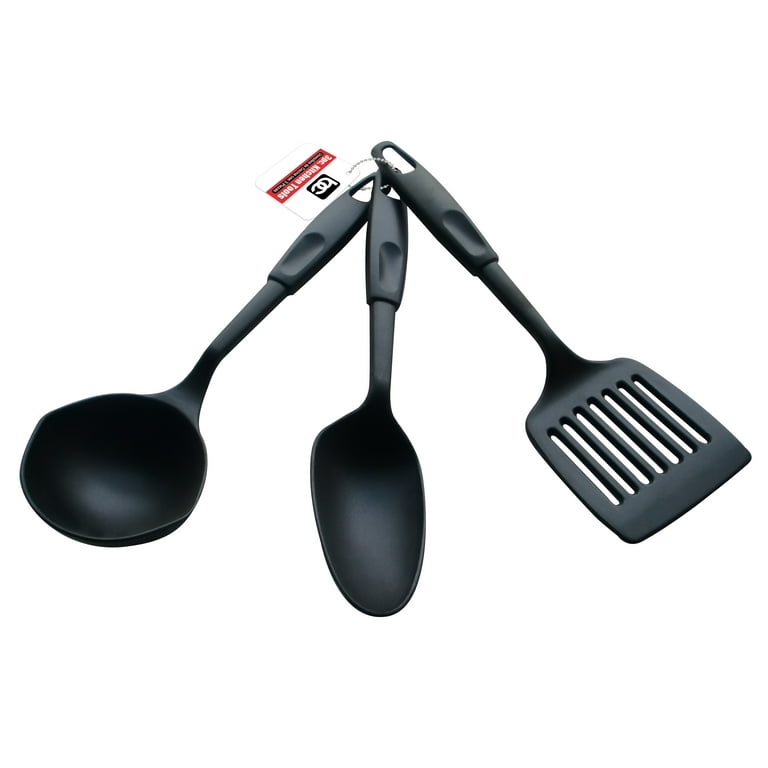
Credit: www.walmart.com
Benefits Of Nylon Utensils
Nylon utensils have become popular kitchen tools for many home cooks. Their unique benefits make them a favorite choice for various cooking tasks. Understanding these benefits helps in appreciating why nylon utensils are a staple in modern kitchens.
Durability And Flexibility
Nylon utensils are known for their strength and resilience. They withstand everyday use without breaking or bending easily. This durability makes them reliable for stirring, flipping, or serving. Their flexibility also allows them to reach into tight corners of pots and pans. This ensures efficient cooking and serving.
Non-stick Cookware Compatibility
Using nylon utensils with non-stick cookware is safe. They don’t scratch or damage the surface. This compatibility preserves the non-stick layer, enhancing the cookware’s lifespan. It’s crucial for maintaining the non-stick quality, ensuring food doesn’t stick while cooking.
Ease Of Cleaning
Cleaning nylon utensils is simple and quick. They don’t retain food stains or odors. A quick rinse under warm water often suffices. This ease of cleaning makes them convenient for daily use. It saves time and effort, keeping the kitchen tidy and organized.
Potential Risks Of Nylon Utensils
Nylon utensils may release harmful chemicals at high temperatures, posing risks during cooking. These utensils can melt, contaminating food and possibly affecting health. Opting for alternatives like stainless steel or silicone might offer safer options for cooking needs.
Cooking with nylon utensils is common in many kitchens due to their affordability and non-stick properties. However, it’s crucial to be aware of the potential risks associated with using them. While they offer convenience, understanding their limitations and safety concerns can help you make informed choices about what’s best for your kitchen.Heat Resistance Limitations
Nylon utensils have a heat resistance limit, typically around 400°F (204°C). Beyond this temperature, they may begin to melt or warp. If you’ve ever left a nylon spoon in a hot pan for too long, you’ve probably noticed it changing shape. This can not only ruin the utensil but also release unwanted particles into your food. When you’re cooking, consider whether your dish requires high heat. If so, you might want to opt for something more heat-resistant, like silicone or stainless steel. Using the right tool for the right job can protect your food and utensils.Chemical Concerns
Nylon utensils may contain chemicals like BPA, which can leach into food when exposed to heat. Though many manufacturers claim their products are BPA-free, it’s essential to verify this before purchasing. Cooking is a daily activity, and the utensils you use should not compromise your health. Checking labels and product descriptions for safety certifications can give you peace of mind.Wear And Tear Over Time
Over time, nylon utensils can show signs of wear and tear. Scratches, nicks, and discoloration are common as they age. You might have noticed your old spatula looking a bit worse for wear after a few years. This wear not only affects appearance but can also lead to the shedding of tiny plastic particles into your meals. Regularly inspecting your utensils and replacing them when they start to degrade is a good practice. Keeping your kitchen tools in good shape ensures your cooking stays safe and enjoyable. Are these potential risks making you reconsider your choice of kitchen utensils? Balancing convenience with safety is key.Comparing Nylon To Other Materials
In the kitchen, utensils play a crucial role. Choosing the right material ensures safety and efficiency. Nylon utensils are popular, but how do they compare with others? Let’s explore the differences between nylon and other materials. This will help you make an informed choice.
Nylon Vs. Silicone
Nylon and silicone are both flexible materials. Nylon is less heat-resistant than silicone. This can lead to melting at high temperatures. Silicone can withstand heat better, making it safer for cooking. Nylon utensils are often cheaper, but silicone offers more durability. Silicone is also non-stick, which aids in easy cleaning. For high-heat cooking, silicone is a safer option.
Nylon Vs. Stainless Steel
Stainless steel is known for its strength and durability. Unlike nylon, it doesn’t melt or warp under heat. Steel utensils can scratch non-stick cookware. Nylon is gentler on delicate surfaces. Nylon is lighter and easier to handle. But it doesn’t offer the same durability as stainless steel. For heavy-duty tasks, stainless steel is superior.
Nylon Vs. Wood
Wood is a traditional choice in kitchens. It doesn’t conduct heat, making it safe for cooking. Unlike nylon, wood doesn’t melt or release chemicals. Wood is gentle on non-stick surfaces. It is, however, more porous and can absorb flavors. Nylon is easier to clean and doesn’t retain odors. For a natural feel, wood is preferred. But nylon offers ease in maintenance.
Safety Tips For Using Nylon Utensils
Nylon utensils are popular in modern kitchens. They are lightweight and versatile. But it’s crucial to use them safely. Below are essential safety tips for nylon utensils. These tips ensure your cooking remains both safe and effective.
Avoiding High Temperatures
Nylon utensils can melt at high heat. Keep them away from direct flames. Avoid using them on stovetops or under broilers. Use them with medium to low heat settings. This prevents damage and keeps your food safe.
Regular Inspection For Damage
Check your nylon utensils regularly. Look for cracks or discoloration. Damaged utensils might release harmful particles. Replace any utensil that shows wear and tear. This ensures they remain safe for cooking.
Proper Cleaning Techniques
Clean your nylon utensils carefully. Use mild soap and warm water. Avoid harsh scrubbing pads. These can scratch the surface. Rinse thoroughly to remove soap residues. Dry them completely before storage. This keeps them in good condition.

Credit: siliconemakers.com
Consumer Opinions And Experiences
Are nylon utensils safe for cooking? Consumers have varied opinions and experiences. Some users express concerns, while others praise their utility. Understanding these perspectives can help make informed decisions in your kitchen.
Common User Concerns
Some consumers worry about nylon melting at high temperatures. They fear it could release harmful chemicals into food. Durability is another concern. Some users report nylon utensils breaking easily. This can happen with frequent use or when exposed to high heat. Cleaning nylon utensils also raises issues. Some users find them challenging to clean thoroughly. Residue can sometimes stick to the surface.
Positive Feedback From Cooks
Many cooks appreciate nylon utensils for their non-scratch quality. They protect non-stick cookware surfaces effectively. Nylon utensils are also lightweight. This makes them easy to handle during cooking. Users enjoy their availability in various designs. This adds versatility to kitchen tasks. Some cooks find them affordable and accessible. This makes them a practical choice for many households.
Expert Advice On Nylon Utensils
Many people wonder about the safety of nylon utensils for cooking. Experts say they are safe at normal cooking temperatures. Avoid using them on high heat to prevent melting.
When considering your kitchen toolset, you might wonder about the safety of nylon utensils. They’re popular for their affordability and ability to protect non-stick cookware. But, are they truly safe for your cooking needs? Let’s explore expert advice on nylon utensils to help you make an informed decision.Recommendations From Chefs
Professional chefs often stress the importance of using the right tools for specific tasks. Nylon utensils are highly recommended for their gentle touch on delicate surfaces. They’re perfect for non-stick pans, preventing scratches and prolonging the life of your cookware. Chefs also appreciate nylon’s heat resistance up to certain temperatures. However, they advise you to avoid leaving them in hot pans, as excessive heat can cause melting or release harmful chemicals. Next time you’re cooking, consider the temperature and duration nylon utensils will be exposed to. This simple step ensures both safety and performance in your kitchen.Research Findings On Safety
Scientific studies have examined nylon’s safety when used in cooking. Research indicates that nylon utensils are generally safe at temperatures below 400°F (204°C). Beyond this, they can release potentially harmful substances like oligomers. Have you ever wondered what temperatures your cooking might reach? Most stovetop cooking stays below this threshold, but high-heat techniques like broiling or grilling might exceed it. This means being mindful of your cooking methods can help you use nylon utensils safely. If you’re concerned about chemical exposure, consider using alternatives like silicone or wooden utensils for high-heat cooking. These materials provide peace of mind while still offering the functionality you need. By understanding both chef recommendations and scientific research, you can confidently choose the right utensils for each culinary task. What’s your go-to tool for protecting your prized pans?
Credit: www.amazon.com
Frequently Asked Questions
Do Nylon Utensils Leach Chemicals?
Nylon utensils can leach chemicals, especially when exposed to high temperatures. It’s crucial to choose high-quality, BPA-free nylon utensils for safety. Regularly inspect them for wear and replace if necessary. Consider alternative materials like silicone or wood for safer cooking options.
What Is The Safest Cooking Utensil Material?
Stainless steel, cast iron, and glass are considered the safest cooking utensil materials. They resist chemical reactions and leaching. Opt for high-quality brands to ensure safety. Always avoid non-stick coatings containing harmful substances like PFOA or PFOS. Prioritize eco-friendly and durable options for healthier cooking.
Are Nylon Cooking Utensils Healthy?
Nylon cooking utensils are generally safe for use. They don’t leach harmful chemicals under normal cooking temperatures. Always avoid exposing them to extreme heat. Choose high-quality utensils and replace them if damaged to ensure safety.
Which Is Better Silicone Or Nylon Utensils?
Silicone utensils are heat-resistant and flexible, ideal for non-stick cookware. Nylon utensils are sturdy and affordable, but less heat-resistant. Silicone is often preferred for its versatility and safety in high temperatures. Choose based on your cooking needs and cookware type.
Conclusion
Nylon utensils offer convenience and versatility in the kitchen. They resist heat up to a certain point, which makes them handy for everyday cooking. Careful use ensures safety; avoid high temperatures that may cause melting. Choosing quality brands can reduce risks.
Inspect utensils regularly for wear and damage. Replace them if you see signs of deterioration. Using nylon utensils wisely can help maintain a safe cooking environment. Always prioritize safety and quality in your kitchen tools. Remember, the right choice keeps your cooking experiences pleasant and worry-free.

Hi, I’m Daniel Brooks—a food lover and kitchen gear enthusiast. I enjoy testing cookware, utensils, and gadgets to see what really works in everyday cooking. At PlugChef.com, I share honest reviews, comparisons, and simple guides to help you choose the best tools for a safer, smarter, and more enjoyable kitchen.
Related posts:
 What Type of Cooking Utensils are Safe: Expert Picks
 What Innovations Could Blenders Make: Unleashing Future Tech
 Smart Strategies to Organize a Small Kitchen: Maximize Space
 How to Organize a Kitchen Cabinet: Expert Tips & Tricks
 How to Organize Kitchen Drawers: Expert Tips and Tricks
 How to Organize a Corner Kitchen Cupboard: Expert Tips