

Have you ever wondered about the safety of the tools you use in your kitchen every day? You reach for a nylon spatula or spoon without a second thought, but are these cooking utensils truly safe?
With growing concerns about toxins and chemicals in household items, it’s essential to know what you’re using to prepare meals for you and your family. We’ll uncover the truth about nylon cooking utensils and whether they pose any risks to your health.
By the end, you’ll have the knowledge you need to make informed decisions in your kitchen. Your peace of mind is just a few scrolls away. Keep reading to discover the facts and ensure your kitchen remains a safe haven for delicious cooking.
Nylon Utensils: What Are They?
Nylon utensils are popular for their heat resistance and affordability. Concerns arise about potential toxins released during cooking. Research varies on safety, urging cautious use and selecting high-quality brands.
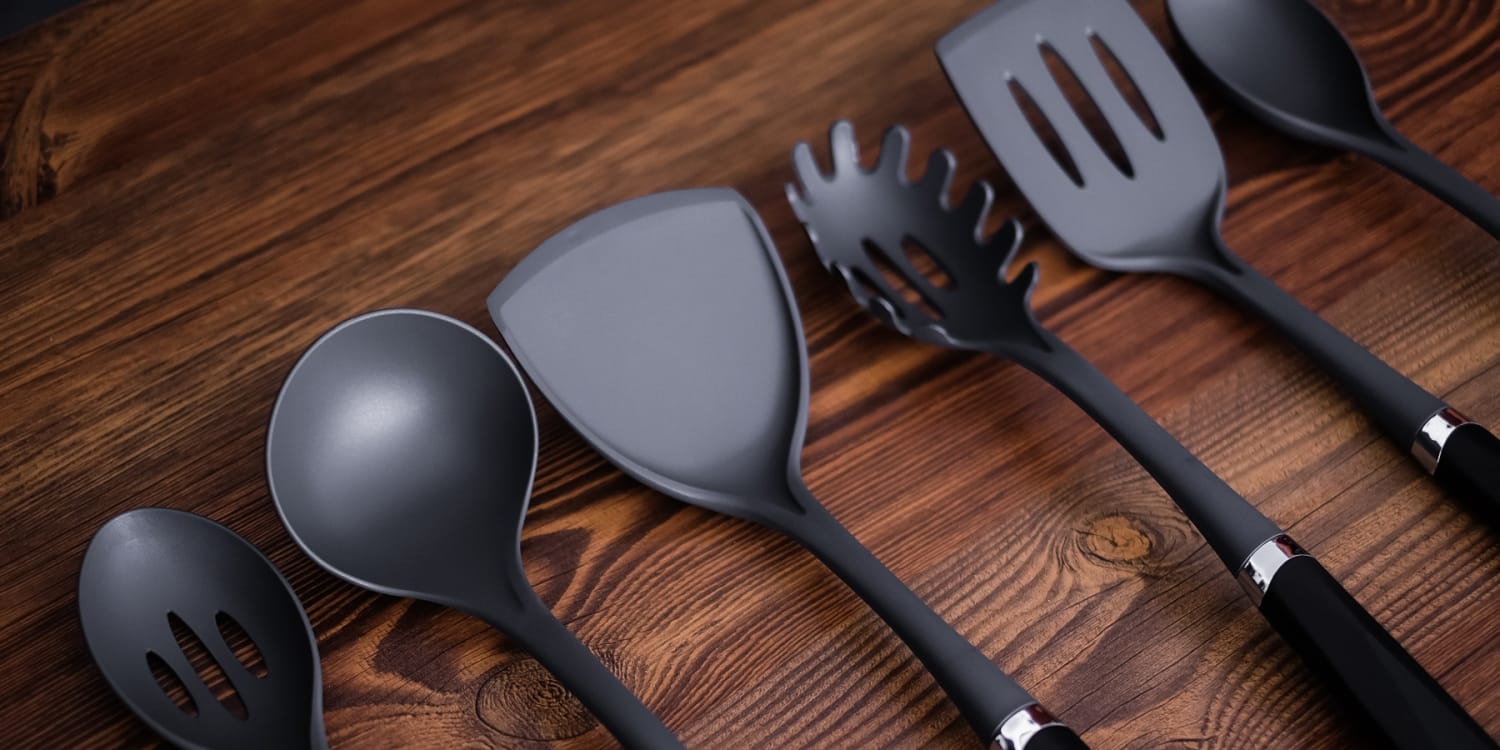
Nylon cooking utensils have become a staple in many modern kitchens. You might find them in various shapes and sizes, each designed to make your cooking experience easier. But what exactly are nylon utensils, and why are they so popular? Nylon utensils are kitchen tools made from a type of synthetic polymer known as nylon. This material is prized for its flexibility and durability. It’s often used to create spatulas, ladles, and slotted spoons that can withstand high temperatures without melting. Nylon is a versatile material, making it a popular choice for many household items. In the kitchen, its non-stick quality is particularly valued. It prevents scratches on cookware, which is a significant advantage over metal utensils. Have you ever noticed how your non-stick pans stay in pristine condition when you use nylon utensils? That’s one of their biggest selling points. They protect your cookware while ensuring you can flip pancakes or serve soup with ease. Nylon utensils are lightweight, making them easy to handle during cooking. This can be especially helpful for those who spend a lot of time preparing meals. You won’t tire your hands out with heavy utensils. The material is also resistant to heat, usually up to around 400°F. This means you can use them for a variety of cooking tasks without worrying about them melting. However, it’s essential to keep them away from open flames or stovetops.Are There Any Downsides?
While nylon utensils have many benefits, they do come with some concerns. One worry is the potential release of toxic chemicals if they are overheated. This isn’t a problem with normal cooking, but it’s something to keep in mind. You may also notice that nylon utensils can stain or absorb strong odors. If you’ve ever used a nylon spoon in a tomato sauce, you might have seen it turn a slightly red hue. This doesn’t affect their function but can be visually unappealing.Should You Use Nylon Utensils?
Are you weighing the pros and cons of nylon utensils? Consider your cooking habits. If you frequently use non-stick cookware, nylon utensils can be an excellent choice. They protect your pans and make cooking a smoother experience. However, if you’re concerned about potential chemical exposure, you might opt for alternatives like silicone or wood. These materials offer similar benefits without the risk of overheating. In your kitchen, the choice often comes down to what feels right for you. What matters most is finding utensils that match your needs and cooking style.Benefits Of Nylon Utensils
Are you considering updating your kitchen tools? Nylon cooking utensils might be the perfect choice for you. While there are concerns about their safety, nylon utensils offer several benefits that can enhance your cooking experience. Let’s dive into the advantages that make these utensils a favorite among home cooks and professional chefs alike.
Durability And Flexibility
Nylon utensils are known for their impressive durability. Unlike wooden tools, nylon doesn’t easily chip or crack, which means less frequent replacements. They can withstand the hustle and bustle of a busy kitchen.
Moreover, their flexibility allows them to adapt to various tasks. Whether you’re flipping pancakes or stirring soup, nylon utensils bend without breaking, making them versatile companions in your culinary adventures.
Heat Resistance
Ever had a spatula melt in your pan? With nylon, you can leave those worries behind. These utensils can withstand high temperatures, usually up to 400°F (204°C), without warping or melting.
This heat resistance is a lifesaver when you’re cooking on high heat or using non-stick cookware. You can focus on perfecting your recipe instead of fretting about damaging your tools.
Non-scratch Quality
Do you love your non-stick pans but hate seeing them scratched? Nylon utensils are gentle on your cookware. They slide effortlessly without leaving marks or scratches.
This means your pans last longer and your meals remain pristine. Imagine making a delicate omelet without worrying about ruining your favorite skillet.
Incorporating nylon utensils into your kitchen arsenal can make cooking more enjoyable and efficient. But, do their benefits outweigh potential safety concerns? What matters most to you when choosing cooking tools? Share your thoughts and experiences!
Concerns About Nylon In The Kitchen
Nylon cooking utensils often raise safety concerns due to potential toxic chemical release at high temperatures. Users worry about harmful substances leaching into food during cooking. Understanding the risks can help in making informed kitchen choices.
Concerns about nylon in the kitchen are growing. Many people wonder if their cooking tools could be harmful. Nylon utensils are popular. But worries about safety are valid. They are often used for their non-stick properties. Yet, questions arise about their chemical makeup. Let’s explore these concerns further.Chemical Composition Of Nylon
Nylon is a synthetic polymer. It is made from petrochemicals. The process involves creating long chains of molecules. These chains give nylon its flexibility and strength. But some chemicals used can be problematic. These include additives and stabilizers. They help with durability. But they also raise safety questions. Understanding these components can help assess risks.Potential Toxins Released
Nylon cooking utensils can release toxins. This happens under certain conditions. High heat can trigger chemical release. This includes harmful substances like BPA. These toxins can mix into food. Eating contaminated food may pose health risks. Regular exposure is concerning. It’s essential to know what can be released. This knowledge can guide safer kitchen practices.Temperature Thresholds
Nylon has specific temperature limits. It can withstand moderate heat. But extreme temperatures are problematic. Nylon begins to break down above 400°F. Cooking at high heat risks toxin release. Frying or grilling can surpass safe limits. Using nylon with caution helps maintain safety. Knowing these thresholds is vital for healthy cooking.
Credit: www.amazon.com
Scientific Studies On Nylon Safety
Many people wonder about the safety of nylon cooking utensils. Questions often arise about their potential toxicity. Scientific studies provide insight into these concerns. Researchers have delved into the safety of nylon materials. They aim to determine if these utensils pose health risks.
Research Findings
Studies have examined nylon’s behavior under heat. Some research suggests that nylon can release harmful chemicals at high temperatures. These chemicals include oligomers and bisphenol A (BPA). However, many nylon utensils are designed to withstand cooking temperatures. They are safe for typical kitchen use. Researchers emphasize the importance of using utensils as directed.
Health Implications
The release of chemicals may raise health concerns. Continuous exposure to BPA is linked to health issues. These include hormonal imbalances and other risks. Yet, nylon utensils used properly pose minimal danger. The key is avoiding high heat beyond their capacity. Keeping utensils in good condition also helps minimize risks.
Comparative Analysis With Other Materials
Nylon is often compared to other materials like silicone and stainless steel. Each material has its strengths and weaknesses. Silicone is more heat-resistant and flexible. Stainless steel is durable and non-reactive. Yet, nylon is lightweight and affordable. It is less likely to scratch non-stick surfaces. Choosing the right material depends on specific cooking needs.
Safe Usage Tips For Nylon Utensils
Nylon cooking utensils are popular for their durability and non-stick properties. Many home cooks find them convenient. Yet, it’s crucial to use them safely to avoid any potential health risks. Understanding how to properly use and maintain nylon utensils can help ensure safe cooking.
Avoiding High Heat
Nylon utensils should not be exposed to high temperatures. They can melt or release harmful chemicals. Use them for stirring or serving rather than for cooking at high temperatures. Keep them away from hot stove tops and ovens. If you need to cook at high heat, choose stainless steel or silicone alternatives.
Proper Maintenance
Proper care extends the life of nylon utensils. Wash them gently with mild soap and warm water. Avoid abrasive cleaners that can damage the surface. Dry them thoroughly before storing. Regular cleaning helps prevent the buildup of bacteria and keeps them safe for use.
When To Replace Utensils
Inspect your nylon utensils regularly for signs of wear. Look for cracks, discoloration, or melting. These indicate they may no longer be safe to use. Replace them promptly if you notice any damage. Keeping your utensils in good condition ensures safe and healthy cooking practices.
Alternatives To Nylon Utensils
Concerned about toxicity in nylon cooking utensils? Opt for stainless steel, silicone, or wooden alternatives. These materials offer safe, durable, and eco-friendly options for your kitchen needs.
If you’ve been using nylon cooking utensils, you might be wondering if there are safer alternatives. Many home cooks are swapping nylon for options that promise durability and health safety. Let’s explore some excellent choices that could easily replace your nylon utensils in the kitchen.Silicone Options
Silicone utensils have become a favorite among many home chefs. Their heat resistance makes them suitable for high-temperature cooking, reducing the risk of melting. The flexibility of silicone means you can scrape every last bit of batter from a bowl without scratching your cookware. Have you noticed how silicone spatulas make flipping pancakes a breeze? They are non-stick and gentle on your pans. Plus, they come in vibrant colors, adding a pop of fun to your kitchen.Wooden Choices
Wooden utensils have stood the test of time in kitchens around the world. They are non-reactive, meaning they won’t leach chemicals into your food. Wood is gentle on your pots and pans, preserving their surfaces. Using a wooden spoon has a certain nostalgic charm, doesn’t it? They are perfect for stirring sauces and soups, offering a sturdy grip. However, remember to hand wash and occasionally oil them to maintain their condition.Stainless Steel Considerations
Stainless steel utensils are synonymous with durability. They can withstand high temperatures without warping or melting. Stainless steel is also non-toxic, ensuring your meals remain safe and uncontaminated. Have you tried using a stainless steel whisk? It gives you perfect control and is excellent for whipping up egg whites or cream. While they might scratch non-stick surfaces, they are ideal for use with stainless steel or cast iron cookware. Choosing the right utensil goes beyond just cooking; it’s about creating a safe and efficient kitchen space. Which option will you try first? Each has its own set of advantages and can make your cooking experience both enjoyable and safe.Consumer Perspectives On Nylon Utensils
Nylon cooking utensils are popular in many kitchens. They are affordable and versatile. Yet, some consumers have concerns. They question the safety of nylon utensils. Are they toxic? This topic sparks much debate. Let’s explore consumer views on this.
User Experiences
Many users appreciate nylon utensils. They find them lightweight and easy to handle. Nylon utensils don’t scratch non-stick pans. This is a big plus. Yet, some report concerns. They worry about nylon melting at high temperatures. Melted nylon can mix with food. This raises health concerns.
Market Trends
The market for kitchen tools is always changing. Nylon utensils remain popular. They are affordable and widely available. Yet, eco-friendly options are on the rise. Consumers seek materials like bamboo and stainless steel. These materials are seen as safer. They offer peace of mind.
Brand Recommendations
Many brands sell nylon utensils. Some focus on safety. They use high-quality materials. Oxo and KitchenAid are popular choices. They are trusted by many. These brands often reassure consumers. They claim their products are safe at recommended temperatures.

Credit: www.amazon.com
Credit: www.nbcnews.com
Frequently Asked Questions
What Is The Least Toxic Material For Cooking Utensils?
Stainless steel and cast iron are among the least toxic materials for cooking utensils. They resist leaching and are durable. Opt for wooden utensils for non-toxic options in baking and serving. Silicone utensils are also safe, flexible, and easy to clean.
Always ensure materials are food-grade and free from harmful coatings.
Should You Use Nylon Cooking Utensils?
Nylon cooking utensils are safe for non-stick cookware. They resist heat but can melt at high temperatures. Use below 400°F to prevent melting. They are durable, affordable, and gentle on cookware. Always check for any damage before use to ensure safety and longevity.
Is Nylon Toxic For Food?
Nylon is generally safe for food use when meeting FDA standards. It often appears in food packaging and utensils. Always ensure nylon products are food-grade certified to avoid any health risks. Avoid exposing nylon to high heat, as it can release harmful compounds.
What Are Nylon Cooking Utensils Made Of?
Nylon cooking utensils are made from durable, heat-resistant synthetic polymers. These polymers ensure utensils are non-stick and safe for cooking. They often include additives to enhance strength and flexibility. Nylon utensils are ideal for non-stick cookware, preventing scratches and damage.
They are lightweight, easy to clean, and dishwasher safe.
Conclusion
Nylon utensils are generally safe for cooking. Choose high-quality options to minimize risk. Avoid high heat to prevent melting. Regularly inspect utensils for wear and tear. Replace damaged items promptly. Washing by hand extends their lifespan. Store them properly to avoid damage.
Many prefer nylon for its affordability and non-stick properties. It’s also lightweight and easy to handle. Ideal for everyday cooking needs. Consider your safety and preferences when selecting kitchen tools. Always prioritize health and kitchen safety.

Hi, I’m Daniel Brooks—a food lover and kitchen gear enthusiast. I enjoy testing cookware, utensils, and gadgets to see what really works in everyday cooking. At PlugChef.com, I share honest reviews, comparisons, and simple guides to help you choose the best tools for a safer, smarter, and more enjoyable kitchen.
Related posts:
 What Type of Cooking Utensils are Safe: Expert Picks
 What Innovations Could Blenders Make: Unleashing Future Tech
 Smart Strategies to Organize a Small Kitchen: Maximize Space
 How to Organize a Kitchen Cabinet: Expert Tips & Tricks
 How to Organize Kitchen Drawers: Expert Tips and Tricks
 How to Organize a Corner Kitchen Cupboard: Expert Tips

