
Have you ever stopped to think about the materials your cooking utensils are made from? Nylon utensils are popular in many kitchens due to their affordability and versatility.
But are they really safe to use? As you prepare meals for your loved ones, you naturally want to ensure you’re using tools that won’t harm their health. You might have heard whispers or read snippets online about the potential risks associated with nylon cooking utensils.
It’s time to dig deeper and find out the truth. This article will explore the safety of nylon utensils, empowering you with the information you need to make confident choices in your kitchen. Don’t let uncertainty linger while you cook; join us as we uncover the facts and myths surrounding nylon cooking tools.
Nylon Utensils And Heat Resistance
Nylon cooking utensils are generally safe, offering good heat resistance up to 400°F. While suitable for most kitchen tasks, they can melt if exposed to high temperatures, like open flames or hot cookware. Regular inspection ensures they remain in good condition for everyday use.
Cooking is an art where the right tools can make all the difference. Nylon cooking utensils have gained popularity due to their versatility and affordability. But, is your nylon spatula safe when faced with high heat? Understanding nylon’s heat resistance is crucial for ensuring both your safety and the longevity of your kitchen tools.Nylon’s Heat Threshold
Nylon utensils are known for their ability to withstand moderate heat. Typically, they can endure temperatures up to around 400°F (204°C). If you’re sautéing veggies or flipping pancakes on a non-stick skillet, nylon is your friend. But when you crank up the heat for searing or frying, you might want to reconsider your choice. Exceeding nylon’s heat threshold can lead to melting or warping, which poses a risk to both your food and health.Everyday Cooking Scenarios
Think about your typical day in the kitchen. Perhaps you’re boiling pasta or simmering a sauce. Nylon utensils work perfectly in these scenarios. They won’t scratch your pots and pans, and they’re easy to clean. But what happens when you leave that spoon resting on the edge of a hot pot? You might notice it softening or bending, a clear sign it’s reached its limit.Personal Experience: A Cautionary Tale
Once, while hosting a family brunch, I left a nylon spatula on a hot frying pan. Engrossed in conversation, I didn’t notice until a peculiar smell caught my attention. The spatula had warped, leaving bits of nylon in the pan. It was a stark reminder to be mindful of the utensils we use, especially in high-heat situations. Have you ever faced a similar situation?Making The Right Choice
Choosing the right utensil isn’t just about avoiding damage; it’s about ensuring safety. Next time you’re cooking at high temperatures, consider using stainless steel or silicone instead of nylon. They can handle the heat better and provide peace of mind. Your meals deserve the best tools, and so does your health.Tips For Safe Use
– Monitor Heat Levels: Always be aware of the temperature you’re cooking at. This helps prevent any utensil mishaps. – Choose Wisely: Use nylon for tasks like stirring, serving, or light cooking. Opt for heat-resistant alternatives for high-temperature activities. – Regular Checks: Inspect your utensils for any signs of damage. Warping, discoloration, or melting can indicate they’re past their prime. How do you ensure your kitchen remains a safe space? Share your thoughts and experiences below!Chemical Composition Of Nylon
Nylon cooking utensils are popular for their durability and flexibility. These qualities are due to the chemical composition of nylon. Understanding this composition helps in assessing their safety.
What Is Nylon Made Of?
Nylon is a synthetic polymer. It’s created from repeating units called monomers. These monomers are linked together through a chemical process. This process forms long chains of molecules.
Key Ingredients In Nylon
Nylon consists mainly of polyamide. Polyamide is a type of plastic. It provides strength and resistance. It is also heat-resistant, making it suitable for kitchen use.
How Nylon Is Manufactured
The manufacturing process involves polymerization. Polymerization is a chemical reaction. It combines monomers to form polymers. This process gives nylon its unique properties.
Nylon’s Interaction With Food
Nylon utensils do not react with food. This makes them safe for cooking. They maintain their structure under heat. This is important for safe food handling.
Safety Concerns With Nylon
Nylon can release harmful substances at high temperatures. These substances may be unsafe. So, it is essential to use nylon at recommended temperatures.
Common Myths About Nylon Utensils
Common myths often cloud our judgment about kitchen tools, especially nylon cooking utensils. While they’re a staple in many households for their affordability and non-stick compatibility, concerns about their safety persist. Let’s dive into some popular misconceptions to help you make informed choices for your culinary adventures.
Melting And Leaching Concerns
Many people worry that nylon utensils might melt easily when exposed to high heat. This fear often stems from seeing utensils warp or change shape at extreme temperatures. However, most nylon cooking tools are designed to withstand typical cooking temperatures. They’re safe for use in frying pans and pots without the worry of melting.
Another worry is that nylon might leach harmful chemicals into food. While some cheap variants could pose risks, quality nylon utensils are manufactured to meet safety standards. They do not release toxins at normal cooking temperatures. Investing in reputable brands can ease these concerns and ensure your meals are safe.
Health Risks And Toxins
There’s a prevailing myth that nylon utensils are a health hazard due to potential toxins. This concern is often exaggerated. High-grade nylon is tested for safety and is used globally without causing health issues. The key is to avoid exposing them to direct flame or excessive heat.
Have you ever wondered if your spatula is secretly poisoning your meals? It’s a scary thought, but unfounded for quality products. When buying, look for utensils labeled as BPA-free. This ensures that they are free from harmful chemicals, maintaining your peace of mind as you whip up your favorite dishes.
Addressing these myths can transform how you view your kitchen tools. Are your fears holding you back from enjoying cooking? Knowing the facts can empower you to choose the right utensils confidently, enhancing your culinary experience without compromising safety.
Scientific Facts On Nylon Safety
Nylon cooking utensils are generally safe for everyday use. They resist heat up to a certain temperature. Exceeding this limit may release harmful substances. Always check product guidelines for temperature ratings.
When you’re cooking up a storm in the kitchen, the safety of your utensils is probably not your first thought. Yet, if you use nylon cooking utensils, knowing the science behind their safety can be crucial. Nylon utensils are popular due to their non-stick qualities and durability. But how safe are they, really?Temperature Thresholds
Nylon cooking utensils are known to have a specific temperature limit. Typically, they can handle temperatures up to 400°F (204°C). Beyond this, they can start to melt or release harmful chemicals. Consider a time you left a nylon spatula resting on a hot pan. Did you notice it softening or warping? That’s a sign it’s exceeded its safe temperature threshold. It’s essential to monitor the heat level when using these utensils. Are you sure your cooking process doesn’t push them beyond their limits?Food Safety Standards
Nylon utensils must adhere to certain food safety standards. These standards ensure that the materials used are safe for food contact. Look for utensils labeled as BPA-free or FDA-approved. This indicates they meet the necessary safety criteria. But remember, not all nylon utensils are created equal. Have you ever checked if your utensils meet these standards? It might be worth a quick investigation for peace of mind. Understanding these scientific facts empowers you to make informed choices. By knowing the temperature thresholds and food safety standards, you ensure that your culinary creations remain safe and healthy.Comparing Nylon With Other Materials
Nylon cooking utensils are popular. They are lightweight and affordable. Safety is a concern for many users. Comparing nylon with other materials can help decide which is best.
Nylon Vs. Silicone
Silicone is flexible and heat-resistant. It withstands high temperatures without melting. Nylon is less heat-resistant. It might deform if exposed to high heat. Silicone is non-stick. It is easy to clean and prevents food from sticking. Nylon can scratch non-stick surfaces.
Silicone offers vibrant colors. It is ideal for colorful kitchens. Nylon has limited color options. Silicone is often preferred for its safety and versatility.
Nylon Vs. Metal
Metal utensils are durable and sturdy. They resist bending and breaking. Nylon is lighter and easier to handle. Metal can scratch and damage cookware. Nylon is gentle on pots and pans.
Metal conducts heat. It can become hot during cooking. Nylon remains cool to the touch. Metal offers a classic look. It fits traditional kitchen styles. Nylon is modern and fits contemporary kitchens.
Both materials have pros and cons. Choose based on cooking needs and preferences.
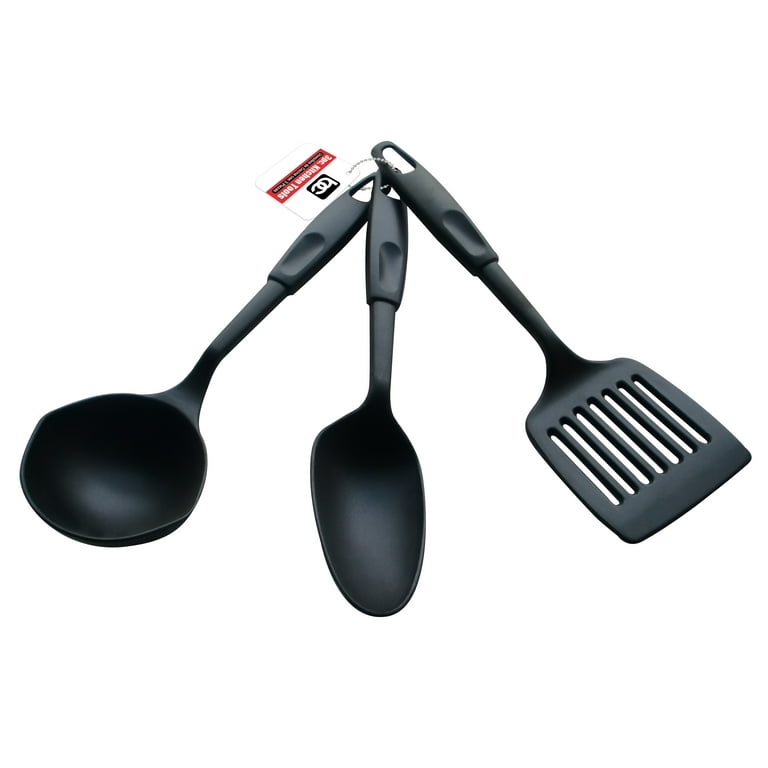
Credit: www.walmart.com
Proper Use And Maintenance Tips
Nylon cooking utensils can be safe when used properly. Avoid high heat to prevent melting. Regular cleaning maintains hygiene and prolongs usability.
When it comes to using nylon cooking utensils, understanding how to properly use and maintain them can significantly extend their lifespan and ensure your safety. Nylon utensils are popular for being lightweight and gentle on cookware surfaces, but they have their quirks. Let’s dive into some practical tips for keeping them in top shape and ensuring they serve you well in the kitchen.Avoiding High Heat
Nylon utensils are not fans of high temperatures. They can start to melt or warp if exposed to excessive heat. Always check the temperature rating on your utensils; most are safe up to around 400°F (200°C). When you’re cooking, keep nylon utensils away from the edges of hot pans and pots. If you’re deep-frying or using techniques that require high temperatures, switch to metal or silicone utensils. Think of your nylon spatula like a friend who can’t handle the heat—handle it with care. I once left a nylon spoon resting on a hot skillet, and it ended up looking like a Salvador Dalí painting. Lesson learned!Cleaning And Storage
Cleaning nylon utensils is straightforward, but there are a few pointers to keep in mind. Always wash them with warm, soapy water. Avoid abrasive scrubbers that can scratch the surface. If you’ve been cooking something particularly greasy, soak the utensils briefly before washing. This makes cleaning much easier and ensures no residue is left behind. For storage, keep nylon utensils in a dry place. Moist environments can cause mold or mildew to develop, especially in hard-to-clean crevices. Hang them or use a utensil holder to keep them organized and accessible. Remember to inspect them regularly for signs of wear. A frayed edge or a melted tip is a sign it’s time for a replacement. After all, nobody wants tiny bits of nylon in their food. Are your nylon utensils looking a little worse for wear? Maybe it’s time to give them some TLC or consider an upgrade. Proper care can make all the difference in your cooking experience.Choosing The Right Cooking Utensils
Choosing the right cooking utensils is crucial for a safe kitchen. The material of your utensils affects both safety and performance. Nylon cooking utensils are popular for their non-stick properties. But are they safe? Let’s explore how to make the best choice for your kitchen needs.
Factors To Consider
Consider the heat resistance of the utensils you choose. Nylon utensils can handle moderate heat. But they may melt at high temperatures. Check the temperature rating before using them on hot pans. Durability also matters. Nylon is less likely to scratch non-stick surfaces. But it might not last as long as metal utensils.
Consider the ease of cleaning. Nylon utensils are often dishwasher safe. This makes them convenient for busy kitchens. Weight is another factor. Lightweight utensils are easier to handle. But they should still be sturdy enough for daily use.
Balancing Safety And Functionality
Safety and functionality should go hand in hand. Avoid using nylon utensils on high heat to prevent melting. Choose utensils designed for the specific cookware you own. This ensures both safety and effectiveness. For instance, nylon is great for non-stick pans. It prevents scratches that can damage the coating.
Consider the design of the utensils. Ergonomic handles make cooking more comfortable. They help maintain a firm grip. This reduces the risk of accidents. Functionality doesn’t have to compromise safety. Choose utensils that meet both criteria.

Credit: siliconemakers.com
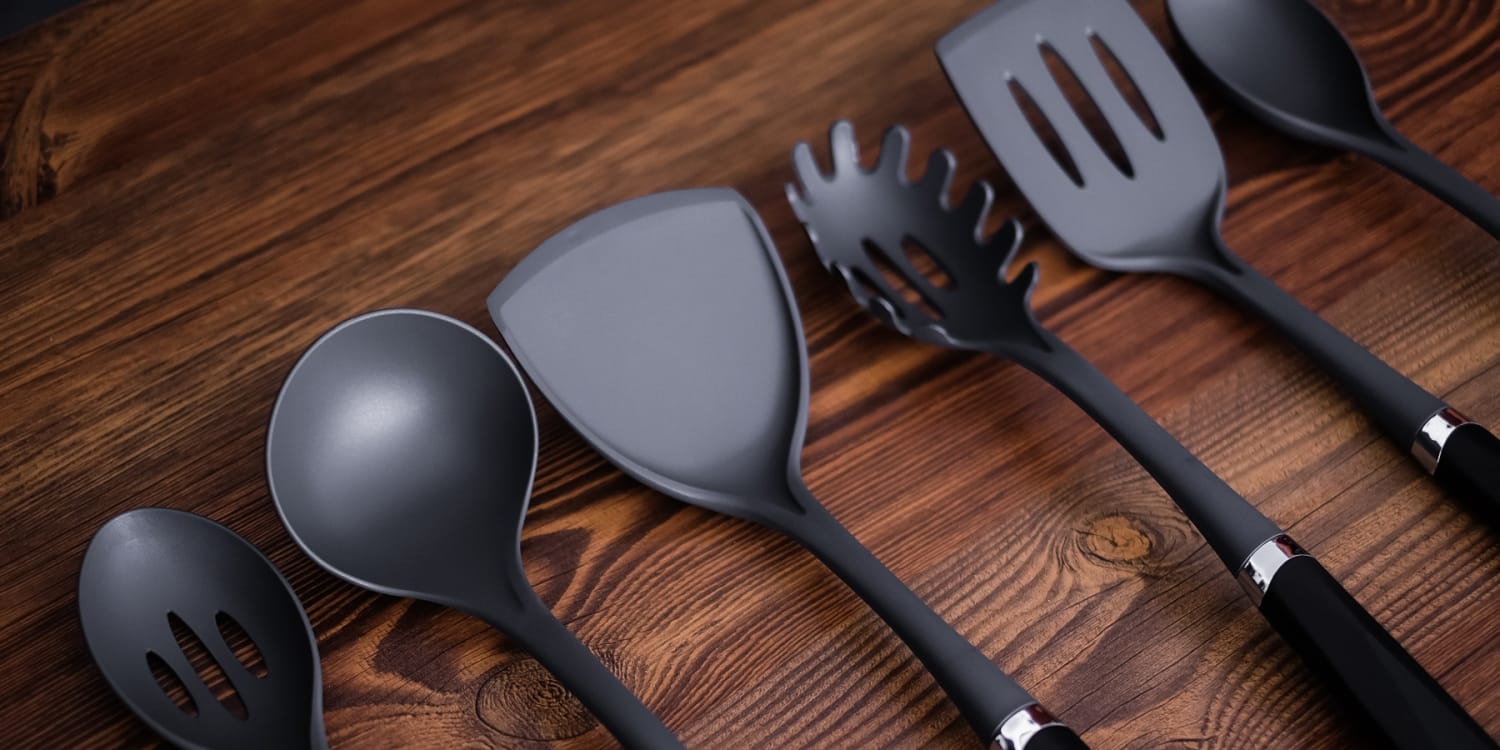
Credit: www.nbcnews.com
Frequently Asked Questions
Is Nylon Cooking Utensil Non-toxic?
Nylon cooking utensils are generally non-toxic when used correctly. Avoid exposing them to high heat to prevent melting. Opt for high-quality, BPA-free nylon to ensure safety. Always check for wear and replace damaged utensils to maintain food safety. Proper use keeps nylon utensils safe for cooking.
Is Nylon Or Silicone Better For Cooking Utensils?
Silicone utensils resist heat better and are more flexible. Nylon is sturdy but can melt at high temperatures. Choose silicone for durability and versatility in the kitchen.
Are Nylon Kitchen Utensils Safe To Use?
Nylon kitchen utensils are generally safe. They withstand high temperatures up to 400°F (204°C) without melting. Avoid using them in direct contact with open flames or extremely hot cookware to prevent melting or releasing harmful chemicals. Choose BPA-free nylon utensils for added safety and ensure proper maintenance for longevity.
What Is The Safest Material For Cooking Utensils?
Stainless steel and silicone are the safest materials for cooking utensils. They resist heat, don’t leach chemicals, and are durable. Opt for high-quality, food-grade options for the best results. These materials ensure safety and longevity in the kitchen, making them ideal choices for everyday cooking needs.
Conclusion
Nylon cooking utensils offer a practical choice. They are lightweight and affordable. Safety depends on proper use. Avoid high heat to prevent melting. Choose high-quality brands for peace of mind. Regular checks keep utensils in good shape. Replace if showing signs of wear.
Nylon is great for non-stick cookware. It protects surfaces from scratches. Always wash utensils after use. This keeps them clean and free from bacteria. Nylon utensils are safe when used wisely. Make informed choices for your kitchen. Consider your cooking needs.
Happy cooking!

Hi, I’m Daniel Brooks—a food lover and kitchen gear enthusiast. I enjoy testing cookware, utensils, and gadgets to see what really works in everyday cooking. At PlugChef.com, I share honest reviews, comparisons, and simple guides to help you choose the best tools for a safer, smarter, and more enjoyable kitchen.
Related posts:
 What Type of Cooking Utensils are Safe: Expert Picks
 What Innovations Could Blenders Make: Unleashing Future Tech
 Smart Strategies to Organize a Small Kitchen: Maximize Space
 How to Organize a Kitchen Cabinet: Expert Tips & Tricks
 How to Organize Kitchen Drawers: Expert Tips and Tricks
 How to Organize a Corner Kitchen Cupboard: Expert Tips