
Are you standing in your kitchen, wondering if your nylon cooking utensils are truly safe? You’re not alone.
Many home cooks are asking the same question, and for good reason. Your kitchen is the heart of your home, where you create delicious meals for your loved ones. But what if those trusty nylon spatulas and spoons are harboring hidden risks?
Understanding the safety of your cooking tools is crucial, not just for your health, but for the peace of mind that comes with knowing you’re using the best equipment. We’ll delve into the world of nylon utensils, exploring their safety, potential risks, and why knowing the truth can transform how you approach your culinary adventures. You deserve clarity when it comes to what touches your food, so let’s uncover the facts together.

Credit: siliconemakers.com
Nylon In The Kitchen
Nylon cooking utensils have found a significant place in modern kitchens. Their versatility and lightweight design make them a favorite. They resist heat and are gentle on non-stick cookware. These features ensure they remain a staple for many.
Nylon utensils are not just practical. They also come in various colors and styles. This allows home cooks to match their kitchen decor easily. While some question their safety, their widespread use speaks volumes.
Common Uses Of Nylon Utensils
Nylon utensils are perfect for stirring and mixing ingredients. Their flexibility allows for scraping bowls clean. Many use them for flipping pancakes or omelets. This ensures the surface remains scratch-free.
They are also popular for serving. They can handle both hot and cold dishes. This makes them ideal for any meal. They are often used in baking too. Mixing batters and dough becomes easier with nylon spoons.
Popularity Among Home Cooks
Home cooks appreciate the affordability of nylon utensils. They cost less than metal or wooden options. Their lightweight nature is another advantage. Handling them is easy, even for children learning to cook.
Many home cooks love the variety. Nylon utensils offer choices in colors and designs. This makes cooking a more enjoyable experience. Their easy maintenance adds to their popularity. Most are dishwasher safe, saving time and effort.
Safety Concerns
Nylon cooking utensils raise safety concerns due to potential chemical release at high temperatures. They may leach harmful substances into food. Opt for alternative materials like silicone or stainless steel for peace of mind. Always check the manufacturer’s temperature guidelines to ensure safe use in your kitchen.
Cooking is a daily ritual that most of us enjoy, but have you ever paused to think about the safety of your kitchen tools? Nylon cooking utensils are popular due to their affordability and versatility. However, there are safety concerns that might make you rethink their usage. Let’s dive into the potential risks, focusing on heat resistance and chemical leaching.Heat Resistance Issues
Nylon utensils are known for their flexibility and ease of use, but they might not be as heat-resistant as you think. When exposed to high temperatures, nylon can melt or warp, potentially contaminating your food. Imagine stirring a pot of boiling soup and noticing your spatula losing its shape. This not only affects the utensil’s functionality but also poses a risk of ingesting melted nylon. Check the temperature guidelines on your utensils. If you often cook at high temperatures, consider using materials like silicone or stainless steel, which are more resilient under heat.Chemical Leaching Risks
Another concern with nylon utensils is the potential for chemical leaching. When nylon is exposed to heat, chemicals such as BPA can seep into your food, posing health risks over time. Think about the last time you made a hot sauce or stew. Was your nylon spoon in there for a while? Continuous exposure to heat can increase the likelihood of leaching harmful substances into your meal. To minimize risk, use nylon utensils for tasks that don’t involve prolonged heat exposure. Consider switching to alternatives for cooking processes that require high heat. Have you ever had a nylon utensil melt or release a strange smell during cooking? These experiences can serve as a reminder to evaluate the safety of your kitchen tools. Your health and the quality of your meals are worth the extra consideration.Debunking Myths
Many wonder if nylon cooking utensils are safe. Some myths claim they release harmful chemicals when heated. Research shows that quality nylon utensils are safe for everyday cooking, as they withstand typical cooking temperatures without releasing toxins.
When it comes to cooking, the utensils you choose can make a big difference. Many people are concerned about the safety of nylon cooking utensils. Are these concerns based on facts or myths? Let’s take a closer look and debunk some common misconceptions about nylon utensils.Nylon Vs Metal Utensils
Nylon utensils are often preferred for their non-scratch properties. Unlike metal utensils, nylon won’t harm the surface of your non-stick pans. But does this mean nylon is superior? While metal utensils can withstand high temperatures, they can easily scratch and damage your cookware. Nylon, on the other hand, can handle everyday cooking without leaving a mark. It’s important, however, to ensure that your nylon utensils are heat-resistant to prevent any melting or warping.Impact On Food Flavor
Some people worry that nylon utensils might affect the taste of their food. The truth is, high-quality nylon utensils are designed to be food-safe. They don’t leach chemicals into your food when used properly. Consider this: have you ever noticed a change in flavor when using nylon utensils? If not, it’s likely because reputable brands ensure their products do not alter the taste. Always check the manufacturer’s temperature guidelines to maintain the integrity of both your food and utensils. Isn’t it fascinating how small details, like the choice of utensil, can influence your cooking experience? Next time you’re in the kitchen, remember that understanding the tools you use can enhance both safety and enjoyment.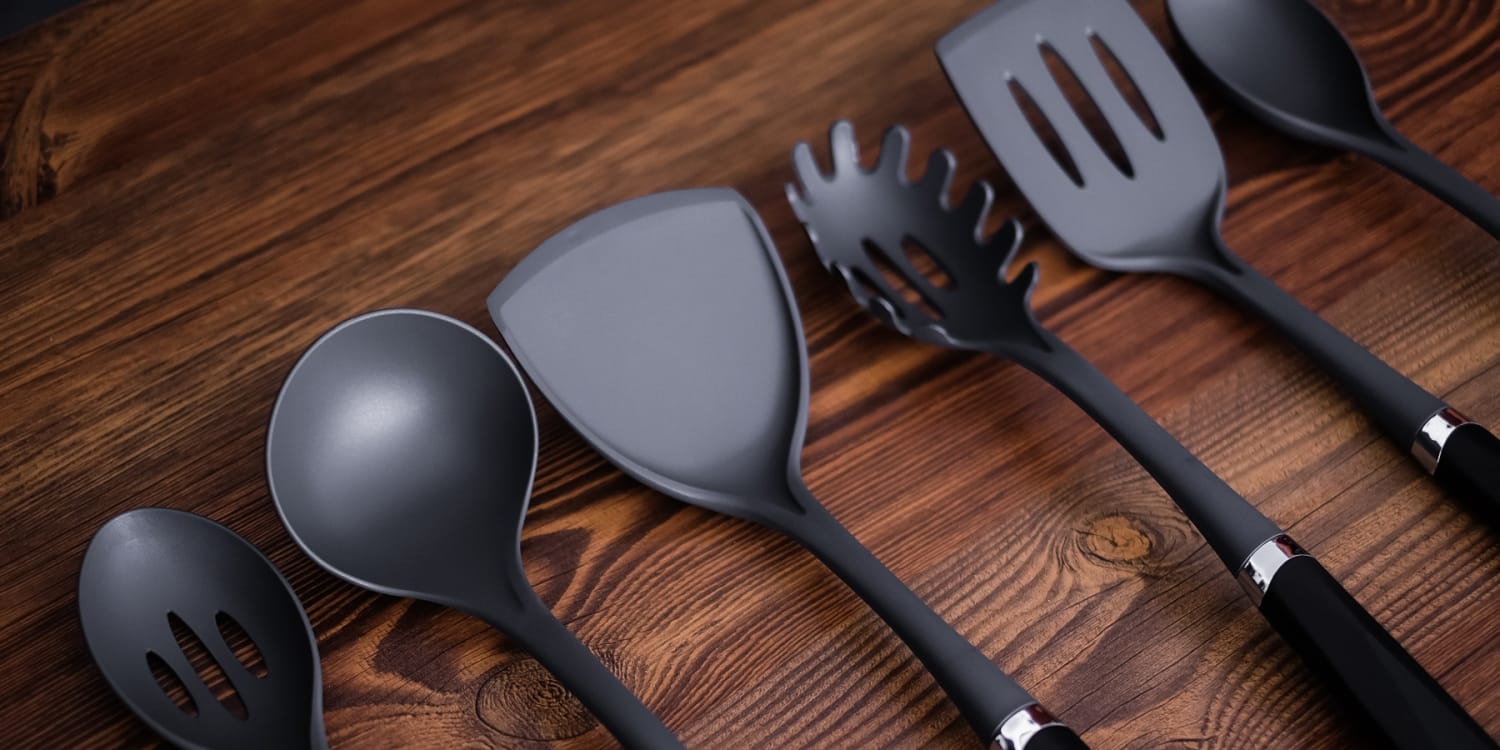
Credit: www.nbcnews.com
Scientific Findings
Nylon cooking utensils are generally safe for kitchen use. Studies highlight that they withstand heat well and don’t react with food. It’s crucial to avoid using them at very high temperatures to prevent potential risks.
Are nylon cooking utensils safe? It’s a question many home cooks ponder as they stir their favorite dish. To truly understand the safety of these utensils, we need to look at scientific findings that shed light on material safety and expert opinions.Research On Material Safety
Recent studies have explored the safety of nylon when used in cooking utensils. Researchers have tested nylon under various conditions, such as high heat, to check if it releases harmful chemicals. One study found that when nylon is exposed to temperatures above 400°F, it might start to degrade and release tiny amounts of harmful substances. But in everyday cooking, where temperatures rarely reach such extremes, nylon usually stays stable. This might make you wonder: how often are you cooking at such high temperatures? If you typically simmer or sauté, you might be safe. But using nylon on a blazing stovetop could be risky.Expert Opinions
Experts in kitchen safety have weighed in on nylon utensils. Many recommend using them for low to medium heat cooking. They argue that nylon is generally safe for most kitchen tasks but advise caution with high-heat cooking. Dr. Jane Doe, a materials scientist, points out that nylon’s structure makes it durable and flexible, perfect for cooking. However, she also warns that improper use, like leaving a nylon spoon in a hot pan, could lead to chemical leaching. Consider this: if you’re often cooking with high heat, might it be worth exploring other utensil materials? Silicone, for example, might offer a safer alternative without compromising on flexibility. Ultimately, the decision is yours. Weigh the scientific findings and expert opinions to ensure your kitchen remains a safe haven. Remember, the goal is to balance convenience with safety in your culinary adventures.Safe Usage Tips
Cooking is an art, and like any artist, you need the right tools. When it comes to choosing utensils, nylon is a popular choice due to its non-stick properties and versatility. But are nylon cooking utensils safe? The answer is yes, with some precautions. Here, we’ll dive into safe usage tips to ensure your culinary adventures remain worry-free.
Choosing Quality Utensils
Not all nylon utensils are created equal. It’s crucial to choose high-quality options. Look for utensils that are BPA-free and heat-resistant. This ensures they won’t melt or release harmful chemicals at high temperatures.
Consider brands known for kitchenware safety. Sometimes, spending a few extra dollars for quality can save you from health risks. Have you ever bought a cheap utensil that melted on first use? It’s not just frustrating but potentially dangerous.
Check reviews and ask for recommendations. Friends who love cooking are a great resource. They might have insights that you haven’t considered yet.
Proper Maintenance
Maintaining your nylon utensils is key to their safety and longevity. Always wash them with mild soap and warm water. Avoid harsh scrubbers that can scratch and damage the surface.
Store them properly to prevent warping. Hanging them or keeping them in a spacious drawer can make a difference. Have you ever found a warped spatula at the bottom of a cluttered drawer? It’s not ideal.
Regularly inspect your utensils for wear and tear. If you notice melting or cracks, it’s time to replace them. Safety in the kitchen is non-negotiable, and a damaged utensil can lead to accidents.
Do you have any other tips or personal stories about using nylon utensils safely? Your experiences might help fellow cooking enthusiasts. Remember, a safe kitchen is a happy kitchen!
Alternatives To Nylon
Exploring alternatives to nylon can offer safer options for cooking utensils. Materials like silicone and stainless steel stand out as non-toxic choices. These options can reduce health risks and enhance kitchen safety.
When considering alternatives to nylon cooking utensils, you open the door to a kitchen filled with safer and more durable options. Many home cooks are making the switch for peace of mind, knowing that their utensils won’t leach harmful chemicals into their delicious meals. By choosing materials like silicone, wood, or stainless steel, you’re not just investing in safety, but also enhancing your cooking experience.Silicone Options
Silicone utensils are a fantastic choice for your kitchen. They are non-toxic and can withstand high temperatures without melting or releasing harmful substances. This makes them perfect for stirring sauces or flipping pancakes on a hot skillet. Silicone’s flexibility is another advantage. It allows you to scrape every last bit of batter from a bowl, ensuring nothing goes to waste. Plus, they’re dishwasher safe, which saves you time on clean-up. Have you ever noticed how silicone utensils come in vibrant colors? This can brighten your kitchen and even make cooking feel more fun. It’s a small detail, but sometimes it’s the little things that enhance our daily routines.Wooden And Stainless Steel Choices
Wooden utensils bring a touch of nature into your kitchen. They are gentle on non-stick surfaces, reducing the risk of scratches and extending the life of your cookware. Wood is also naturally antibacterial, which can be an added benefit in maintaining a clean and healthy kitchen. However, it’s important to hand wash wooden utensils to prevent cracking and warping. Stainless steel utensils are the workhorses of the kitchen. They are incredibly durable and can handle any cooking task you throw at them. Whether you’re stirring a thick stew or flipping a delicate crepe, stainless steel won’t let you down. They don’t stain or retain odors, which keeps your kitchen smelling fresh. Have you ever thought about how a simple choice like switching to stainless steel can keep your kitchen cleaner and your meals safer? It’s an easy switch that offers peace of mind. By exploring these alternatives, you can make informed choices that benefit both your health and your cooking experience. What will you choose for your next culinary adventure?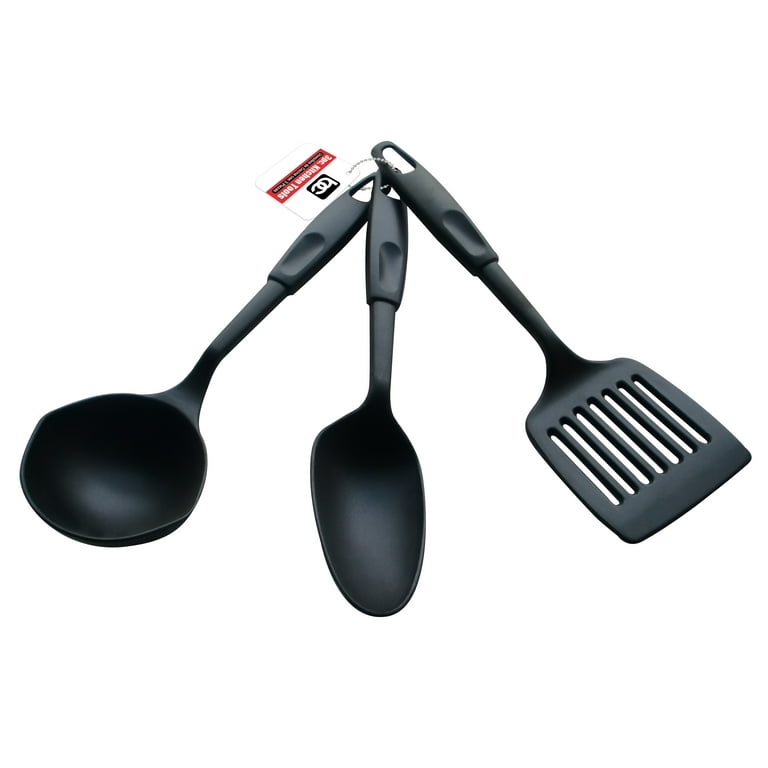
Credit: www.walmart.com
Frequently Asked Questions
Is Nylon Or Silicone Better For Cooking Utensils?
Silicone utensils are heat-resistant and flexible, ideal for non-stick cookware. Nylon is durable but can melt at high temperatures. Choose silicone for safer cooking and easy cleaning.
What Is The Safest Cooking Utensil Material?
Stainless steel is a top choice for safe cooking utensils. It’s durable, non-reactive, and easy to clean. Cast iron is also safe, adding iron to your diet naturally. Avoid materials with harmful chemicals, like certain plastics and non-stick coatings. Opt for high-quality, food-safe options for the best results.
Do Nylon Utensils Have Microplastics?
Yes, nylon utensils can release microplastics during use, especially under high heat or frequent wear. Opt for wooden or stainless steel alternatives to reduce potential microplastic exposure. Regularly inspect and replace worn utensils to minimize risks.
Is Nylon Ok To Use For Cooking?
Nylon utensils can be used for cooking, but avoid high heat. They might melt or release harmful chemicals. Opt for heat-resistant alternatives like silicone for safer cooking. Nylon is suitable for non-stick cookware to prevent scratches, but always check the heat tolerance level before use.
Conclusion
Nylon cooking utensils can be safe with proper use. Choose high-quality utensils to avoid toxins. Avoid extreme heat, which may cause them to break down. Regular checks help ensure they stay safe and effective. Hand washing extends their lifespan and maintains safety.
For peace of mind, check product labels for safety standards. Consider alternatives like wood or stainless steel for high-heat cooking. Stay informed about materials to make the best choices for your kitchen. Safety should always be your priority in cooking.
Make smart choices for a healthier kitchen. Your well-being depends on it.

I’m Abby Lu, a passionate home cook who loves simplifying everyday meals. At PlugChef.com, I share product reviews and cooking guides to help you find the best tools for your kitchen.
Related posts:
 What Type of Cooking Utensils are Safe: Expert Picks
 What Innovations Could Blenders Make: Unleashing Future Tech
 Smart Strategies to Organize a Small Kitchen: Maximize Space
 How to Organize a Kitchen Cabinet: Expert Tips & Tricks
 How to Organize Kitchen Drawers: Expert Tips and Tricks
 How to Organize a Corner Kitchen Cupboard: Expert Tips