
Have you ever wondered if your knife block is as clean as it looks? You carefully wash each knife after use, but what about the block that holds them?
This seemingly innocent kitchen accessory might be hiding more than just your sharp blades. It’s time to uncover the truth about knife blocks and their impact on your kitchen’s hygiene. As you slice and dice your way through meal prep, imagine what could be lurking inside that wooden or plastic holder.
Are you unknowingly introducing germs into your culinary creations? With the right insights, you can transform your kitchen into a safer, cleaner space. Keep reading to discover the hidden secrets of knife blocks and learn how to ensure your kitchen tools are truly sanitary. Your health and peace of mind might just depend on it.

Credit: www.amazon.com
Knife Block Basics
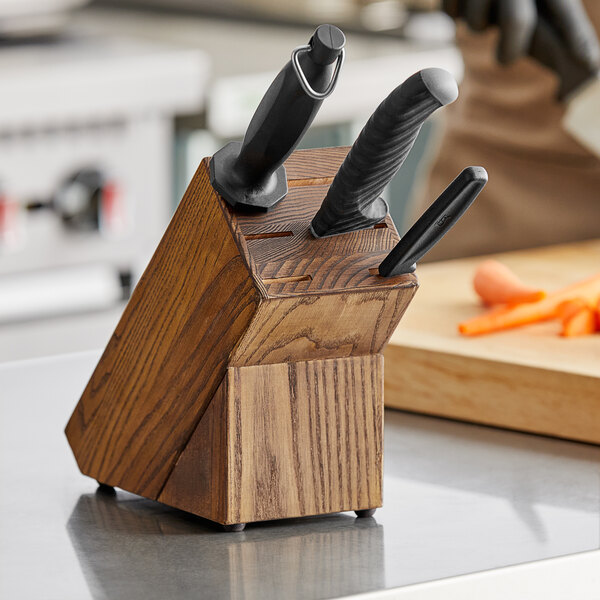
Knife blocks are common kitchen tools. They store and organize knives safely. Many people wonder if they are sanitary. Dirt and germs can hide in slots. Regular cleaning is important to keep them safe.
Understanding different types and materials helps in choosing the best one. A well-chosen knife block can enhance kitchen hygiene and ease of use.
Types Of Knife Blocks
Knife blocks come in various styles. Traditional blocks have fixed slots. Each slot fits a specific knife size. Universal blocks use bristles or rods. They can hold any knife size or shape.
Magnetic blocks hold knives on the outside. Magnets keep them in place. Wall-mounted blocks save counter space. They are perfect for small kitchens. Each type has its own benefits and challenges.
Materials Used
Knife blocks are made from different materials. Wood is a popular choice. It looks classic and elegant. Bamboo is eco-friendly and durable. It resists moisture better than regular wood.
Plastic blocks are lightweight and easy to clean. Stainless steel blocks offer a modern look. They are highly durable and resistant to bacteria. Choosing the right material affects the block’s lifespan and cleanliness.
:strip_icc()/How-to-store-knives-5650624-final-0e37a3e1ec6845a08d1ec82c85f3cd28.png)
Credit: www.bhg.com
Sanitation Concerns
Knife blocks are common kitchen tools. They keep knives organized and accessible. But are they sanitary? Many people overlook the hygiene of their knife blocks. Understanding sanitation concerns is crucial for a safe kitchen.
Bacteria And Mold Growth
Knife blocks can host bacteria. The slots are dark and damp. Perfect conditions for bacteria growth. Wood blocks are especially vulnerable. Moisture gets trapped inside. This promotes mold and bacteria. Regular cleaning helps reduce these risks. Use a small brush to clean slots. Ensure the block is dry after cleaning.
Cross-contamination Risks
Cross-contamination is a serious issue. Knives used for raw meat can spread germs. If not cleaned, germs transfer to other foods. This can cause illness. Always clean knives before placing them in the block. Consider using separate blocks for different types of food. This reduces the risk of cross-contamination.
Health Implications
Health implications of knife blocks often raise concerns among kitchen enthusiasts. Many people question their cleanliness and safety. Exploring these concerns is crucial for maintaining kitchen hygiene. Understanding the risks can help in making informed decisions.
Impact On Food Safety
Knife blocks can impact food safety if not cleaned regularly. Bacteria and mold may thrive in the small slots. These germs can transfer to knives and then to your food. This cycle can lead to potential foodborne illnesses. Regular cleaning of knife blocks is essential to break this cycle.
Potential Health Hazards
Dirty knife blocks pose potential health hazards. They harbor bacteria like E. coli and Salmonella. These bacteria can cause serious health issues. Allergies might also worsen due to mold. Keeping the knife block clean can reduce these risks.
Common Cleaning Methods
Knife blocks can collect dust and bacteria over time. Keeping them clean ensures your knives stay sanitary and sharp. Many people overlook this crucial aspect of kitchen hygiene. Let’s explore some common cleaning methods to maintain a clean knife block.
Routine Maintenance
Regular cleaning prevents grime buildup. Remove all knives from the block first. Use a small brush to dust off any debris. A vacuum cleaner with a nozzle can help remove deeper dust. Wipe the block’s exterior with a damp cloth. Make sure it is completely dry before returning the knives. Repeat this simple process weekly.
Deep Cleaning Techniques
Deep cleaning is necessary to eliminate hidden bacteria. Remove the knives and turn the block upside down. Shake it gently to dislodge trapped particles. Fill a basin with warm, soapy water. Submerge the block and let it soak for a few minutes. Use a bottle brush for each slot to scrub away residue. Rinse thoroughly under running water. Dry the block with a clean towel. Allow it to air dry completely before inserting knives. Consider using a disinfectant spray for added cleanliness.
Alternatives To Knife Blocks
Knife blocks are popular in kitchens for storing knives. But they may harbor germs and bacteria. There are cleaner alternatives to keep your knives safe and sanitary.
Magnetic Strips
Magnetic strips offer a hygienic way to store knives. They mount on walls, saving counter space. Your knives remain visible and easy to grab. The open design helps prevent moisture buildup. This reduces bacterial growth. Cleaning is simple; just wipe the strip regularly.
Drawer Inserts
Drawer inserts keep knives organized and hidden. They offer a tidy and sanitary solution. Inserts are designed to fit knives securely. This prevents blades from touching each other. You avoid cross-contamination risks. Make sure your drawer is dry and clean. Regularly check and clean the insert to maintain hygiene.
Credit: www.webstaurantstore.com
Expert Recommendations
Ensuring your knife block remains sanitary requires expert advice and diligence. Improper storage can lead to bacterial growth, affecting your kitchen’s hygiene. Following expert recommendations can help maintain cleanliness and extend the life of your knives. Let’s explore the best practices for proper storage and choosing the right block.
Proper Storage Tips
Experts suggest cleaning knives before placing them in the block. Moisture can promote bacteria, so dry knives thoroughly. Regularly clean the inside of your knife block. Use a thin brush or pipe cleaner to reach tight spaces. Avoid storing dirty knives, as they can contaminate the block.
Consider placing your knife block away from the stove. Heat and humidity can foster bacterial growth. If possible, air-dry the block after cleaning to prevent mold. Keep an eye on the block’s condition. Replace it if it shows signs of wear or damage.
Choosing The Right Block
Material matters when selecting a knife block. Wooden blocks are popular but can harbor bacteria. Experts recommend blocks made of bamboo or plastic. These materials are easier to clean and maintain. Look for blocks with removable slots for thorough cleaning.
Consider the size and fit of your knives. A block that fits your knives snugly reduces movement. This helps prevent damage to both knives and block. Some experts suggest magnetic strips as an alternative. They offer open-air storage, reducing moisture buildup.
Frequently Asked Questions
How Sanitary Are Knife Blocks?
Knife blocks can harbor bacteria and mold if not cleaned regularly. Dry knives thoroughly before storage. Clean the block’s slots with a brush and mild soap. Ensure proper ventilation to prevent moisture buildup. Regular maintenance keeps knife blocks more sanitary and safe for use.
What Is The Most Hygienic Knife Block?
The most hygienic knife block is made from stainless steel or glass. These materials resist bacteria and are easy to clean. Consider models with removable inserts or slots that allow thorough cleaning. Opt for vertical storage to prevent dust accumulation and ensure safe drying after washing.
How To Sanitize A Knife Block?
Clean a knife block by removing knives and shaking out debris. Use a brush to scrub the slots. Rinse thoroughly with warm, soapy water. Disinfect using a solution of equal parts vinegar and water. Let it dry completely before reinserting knives.
Regular cleaning prevents bacterial growth and maintains kitchen hygiene.
Do Knife Blocks Get Moldy?
Yes, knife blocks can get moldy if not cleaned and dried properly. Moisture and food particles can accumulate, promoting mold growth. Regularly clean and dry the block to prevent mold. Store knives dry and ensure the block has good ventilation to minimize mold risk.
Conclusion
Knife blocks can harbor germs if not cleaned regularly. Regular cleaning reduces bacterial buildup. Choose blocks that allow easy access for cleaning. Avoid blocks with deep slots, as they trap debris. Consider using open-style racks or magnetic strips. These options offer better airflow, reducing moisture.
Moisture encourages bacterial growth, which is harmful. Always dry knives before storing them. A dry knife reduces the chance of contamination. Safe storage means healthier kitchen practices. Remember, clean tools lead to healthier meals. Keep your kitchen safe and sanitary for peace of mind.
Your health is worth the effort.

I’m Abby Lu, a passionate home cook who loves simplifying everyday meals. At PlugChef.com, I share product reviews and cooking guides to help you find the best tools for your kitchen.
Related posts:
 What Type of Cooking Utensils are Safe: Expert Picks
 What Innovations Could Blenders Make: Unleashing Future Tech
 Smart Strategies to Organize a Small Kitchen: Maximize Space
 How to Organize a Kitchen Cabinet: Expert Tips & Tricks
 How to Organize Kitchen Drawers: Expert Tips and Tricks
 How to Organize a Corner Kitchen Cupboard: Expert Tips