
Have you ever been caught off guard by a swarm of mosquitoes during a hike or camping trip? Those tiny bites can quickly turn a fun outing into an uncomfortable experience.
That’s why having the right items in your first aid kit matters more than you might think. But is insect repellent really an essential part of your first aid supplies? You’ll discover why this simple item could be a game-changer for your safety and comfort.
Keep reading to find out how insect repellent can protect you and why it deserves a spot in your first aid kit every time.
Importance Of Insect Repellents
Insect repellents are not just a convenience; they are a crucial part of any first aid kit, especially when you plan to spend time outdoors. These products protect you from insect bites that can cause discomfort, allergic reactions, and even serious illnesses. Understanding their importance can help you stay safer and enjoy your adventures without unnecessary risks.
Preventing Disease Transmission
Many insects carry diseases that can be transmitted to humans through bites. Mosquitoes, ticks, and other bugs are known carriers of illnesses like malaria, Lyme disease, and Zika virus. Using insect repellent significantly lowers your chance of getting bitten, reducing the risk of these infections.
Imagine hiking through a wooded area without repellent—you’re essentially inviting these insects to make you their host. Have you ever wondered how much danger you expose yourself to just by skipping this simple protective step?
Enhancing Outdoor Safety
Insect repellents don’t just prevent disease—they also improve your overall outdoor experience. When you’re free from constant itching and irritation, you can focus on your activities and stay alert to other potential hazards.
Think about your last camping trip. Did you find yourself distracted by buzzing insects or dealing with itchy bites? Keeping repellents handy helps maintain your comfort and safety, allowing you to enjoy nature without these interruptions.

Credit: www.handonheartfirstaid.com.au
Types Of Insect Repellents
Insect repellents come in various forms and ingredients. Choosing the right type depends on your needs and preferences. Some work better for certain insects or environments. Understanding the options helps keep bugs away effectively.
Chemical-based Options
Chemical repellents contain ingredients proven to repel insects. The most common is DEET, known for strong protection. Others include picaridin and IR3535. These chemicals usually provide longer-lasting defense.
- DEET: Effective against mosquitoes, ticks, and flies.
- Picaridin: Less odor, gentle on skin, good for sensitive users.
- IR3535: Often used in lotions and sprays, safe for children.
Chemical repellents come as sprays, lotions, or wipes. They suit outdoor activities like hiking or camping. Always follow label instructions for safe use.
Natural Alternatives
Natural repellents use plant-based ingredients. They appeal to people avoiding synthetic chemicals. Common natural ingredients include citronella, eucalyptus, and lemon balm.
- Citronella: Popular in candles and sprays, repels mosquitoes.
- Oil of Lemon Eucalyptus: Offers good protection, similar to low DEET levels.
- Lavender and Peppermint: Provide mild insect deterrent effects.
Natural repellents often need more frequent application. They suit short outdoor trips or sensitive skin. Check for any allergies before use.
Key Ingredients In Repellents
Understanding the key ingredients in insect repellents can help you choose the right one for your first aid kit. Each active component works differently to keep bugs away, and knowing these differences can make a big impact on your outdoor safety and comfort.
Deet
DEET is one of the most common and effective insect repellent ingredients. It works by confusing the insects’ senses, making it harder for them to detect you. Many people trust DEET because it offers long-lasting protection, often up to several hours.
However, some find DEET’s strong smell and potential skin irritation off-putting. If you’ve ever used it on a camping trip, you might have noticed how well it keeps mosquitoes at bay, even in heavily infested areas.
Picaridin
Picaridin is a newer alternative to DEET that provides similar protection but with less odor and skin irritation. It’s a favorite for those with sensitive skin or who dislike the greasy feel of some repellents.
Its effectiveness against mosquitoes and ticks makes it a smart addition to any first aid kit, especially if you’re planning extended outdoor activities. Have you tried Picaridin and noticed the difference in comfort?
Essential Oils
Essential oils like citronella, eucalyptus, and lavender offer a natural option for insect repellent. While they may not last as long as DEET or Picaridin, many people prefer them for their pleasant scent and reduced chemical exposure.
Keep in mind, essential oils often require frequent reapplication and may not protect as well in high-risk areas. Using them alongside other protective measures can be a practical approach to insect safety.
Factors To Consider
Choosing the right insect repellent for your first aid kit involves more than just picking any spray off the shelf. You need to think about how well it works, whether it’s safe for everyone who might use it, especially kids, and how it affects the environment around you. These factors help you decide if an insect repellent truly belongs in your essential emergency supplies.
Effectiveness
How well does the repellent actually keep bugs away? Some products target specific insects like mosquitoes, ticks, or flies, so check what pests are common in your area or travel destination.
Look for repellents with active ingredients proven to work, like DEET, picaridin, or oil of lemon eucalyptus. You want something that lasts long enough to protect you during your activities without needing constant reapplication.
Safety For Children
Kids have delicate skin and different sensitivities, so not every repellent is safe for them. Always read the label to see if it’s suitable for children and at what age.
Natural or mild options might seem safer, but they don’t always provide enough protection. Balance safety with effectiveness by choosing products specifically tested and approved for young users.
Environmental Impact
Consider how the repellent affects nature around you. Some chemicals can harm beneficial insects like bees or contaminate water sources.
Look for eco-friendly formulas or brands that avoid harmful ingredients. Using a product that protects you and respects the environment is a smart choice, especially if you spend a lot of time outdoors.
Repellents In First Aid Kits
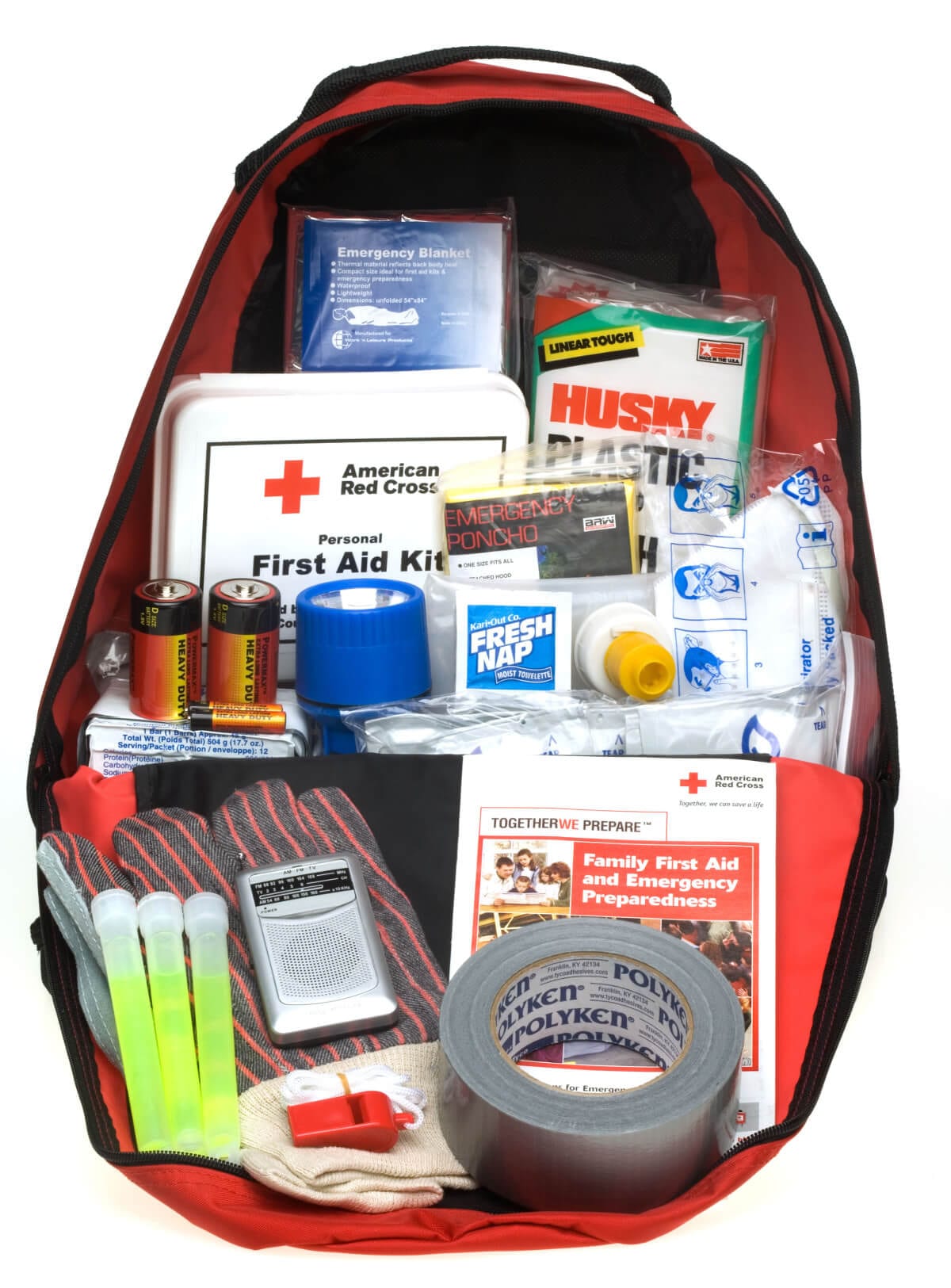
Insect repellents often find a spot in first aid kits for good reasons. They protect from bites that can cause irritation, allergic reactions, and sometimes serious diseases. Including repellents makes a first aid kit more effective, especially in certain environments.
Situational Necessity
Some places have many insects that bite or sting. Mosquitoes, ticks, and other bugs can spread illnesses. A first aid kit without repellents might not help much in such areas. Carrying repellents helps prevent bites and avoids extra health problems. It is a simple way to add safety in risky locations.
Travel And Outdoor Activities
Travelers and outdoor lovers often face insects. Camping, hiking, or visiting tropical places increase exposure to bugs. Repellents in first aid kits provide quick protection. They help keep skin safe and stop itching and swelling. Travelers feel more comfortable and secure with repellents handy. Outdoor fun and safety go well together with this small but vital item.
Alternatives To Repellents
Insect repellents are useful, but not the only way to avoid bug bites. Some people prefer natural or physical methods to keep insects away. These alternatives can reduce the need for chemicals and add extra protection. Simple steps can help keep bugs off your skin and clothes.
Protective Clothing
Wearing the right clothes can block insects from biting. Long sleeves and pants cover most skin. Choose light colors, as they attract fewer bugs. Tightly woven fabrics stop mosquitoes from reaching your skin. Consider clothes treated with insect repellent for added safety.
Netting And Screens
Using netting creates a strong barrier between you and insects. Mosquito nets over beds keep bugs away while you sleep. Window and door screens prevent insects from entering indoor spaces. Carrying a portable net can protect you during outdoor activities. These physical barriers work without chemicals.
Tips For Using Repellents
Using insect repellents correctly ensures better protection and safety. Simple tips help avoid common mistakes. Proper use extends the repellent’s effectiveness and reduces skin irritation. Follow these guidelines for best results.
Proper Application
Apply repellent only on exposed skin and clothing. Avoid applying under clothing or near eyes and mouth. Use just enough to cover the skin evenly. Do not spray directly on the face. Instead, spray on hands and then spread on the face. Reapply after swimming, sweating, or wiping skin. Wash off repellent with soap and water after returning indoors.
Storage And Expiry
Store repellents in a cool, dry place away from sunlight. Keep out of reach of children and pets. Check the expiration date before use. Expired repellents may lose effectiveness or cause skin reactions. Dispose of old or unused repellent safely. Proper storage preserves the repellent’s strength and safety.

Credit: www.murphysnaturals.com
Credit: www.internationalinsurance.com
Frequently Asked Questions
Why Include Insect Repellent In A First Aid Kit?
Insect repellents prevent bites that can cause infections or allergic reactions. They protect skin and reduce disease risk. Including them ensures readiness for outdoor emergencies and promotes overall safety in your first aid kit.
Can Insect Repellent Prevent Insect-borne Diseases?
Yes, insect repellents reduce bites from mosquitoes and ticks that carry diseases like malaria, Lyme, and Zika. Using repellent lowers the chance of infection, making it an essential item in any first aid kit for outdoor activities.
What Types Of Insect Repellent Are Best For First Aid Kits?
DEET, picaridin, and natural oil-based repellents are effective. Choose a repellent suitable for the environment and user age. Compact, travel-sized bottles are ideal for first aid kits, ensuring convenience and accessibility during emergencies.
How Often Should Insect Repellent Be Applied In Emergencies?
Apply insect repellent every few hours or as directed on the label. Reapplication is crucial after sweating, swimming, or prolonged outdoor exposure. This maintains protection and prevents insect bites during critical first aid situations.
Conclusion
Insect repellents protect you from bites and possible infections. They help keep your skin safe during outdoor activities. Including them in your first aid kit is smart and practical. Small bottles fit easily and last through many trips. Don’t forget to check the ingredients and expiration dates.
Safe, effective repellents give peace of mind. Being prepared means fewer worries and more fun outside. Always keep insect repellent handy for quick use. Simple protection can prevent discomfort and health issues. Stay safe and enjoy your adventures without insect trouble.

I’m Abby Lu, a passionate home cook who loves simplifying everyday meals. At PlugChef.com, I share product reviews and cooking guides to help you find the best tools for your kitchen.
Related posts:
 What Type of Cooking Utensils are Safe: Expert Picks
 What Innovations Could Blenders Make: Unleashing Future Tech
 Smart Strategies to Organize a Small Kitchen: Maximize Space
 How to Organize a Kitchen Cabinet: Expert Tips & Tricks
 How to Organize Kitchen Drawers: Expert Tips and Tricks
 How to Organize a Corner Kitchen Cupboard: Expert Tips