

Have you ever paused to consider the safety of your kitchen tools, particularly food strainers? You might be surprised to learn that some strainers can release chemicals through a process known as offgassing.
This can happen when certain materials, often used in manufacturing, break down and release gases. But what does this mean for you and your health? Should you be concerned about the safety of your food strainers? With the increasing focus on health and safety in your kitchen, understanding the implications of offgassing is essential.
Let’s unravel the truth together and ensure your culinary haven remains both safe and effective. Your next meal could depend on it.
What Are Food Strainers?
Food strainers are essential kitchen tools. They separate liquids from solids during cooking. Think about draining pasta or rinsing vegetables. These tools make those tasks easier. Their design ensures food safety and quality. Food strainers come in different shapes and sizes. Each type serves a specific purpose in the kitchen.
Types Of Food Strainers
Food strainers vary based on their use. Colanders have large holes for draining pasta. Sifters have fine mesh for sifting flour. Chinois strainers are cone-shaped. They are perfect for making smooth sauces. Spider strainers scoop food from hot oil. Each type has its unique function in the kitchen.
Materials Used In Strainers
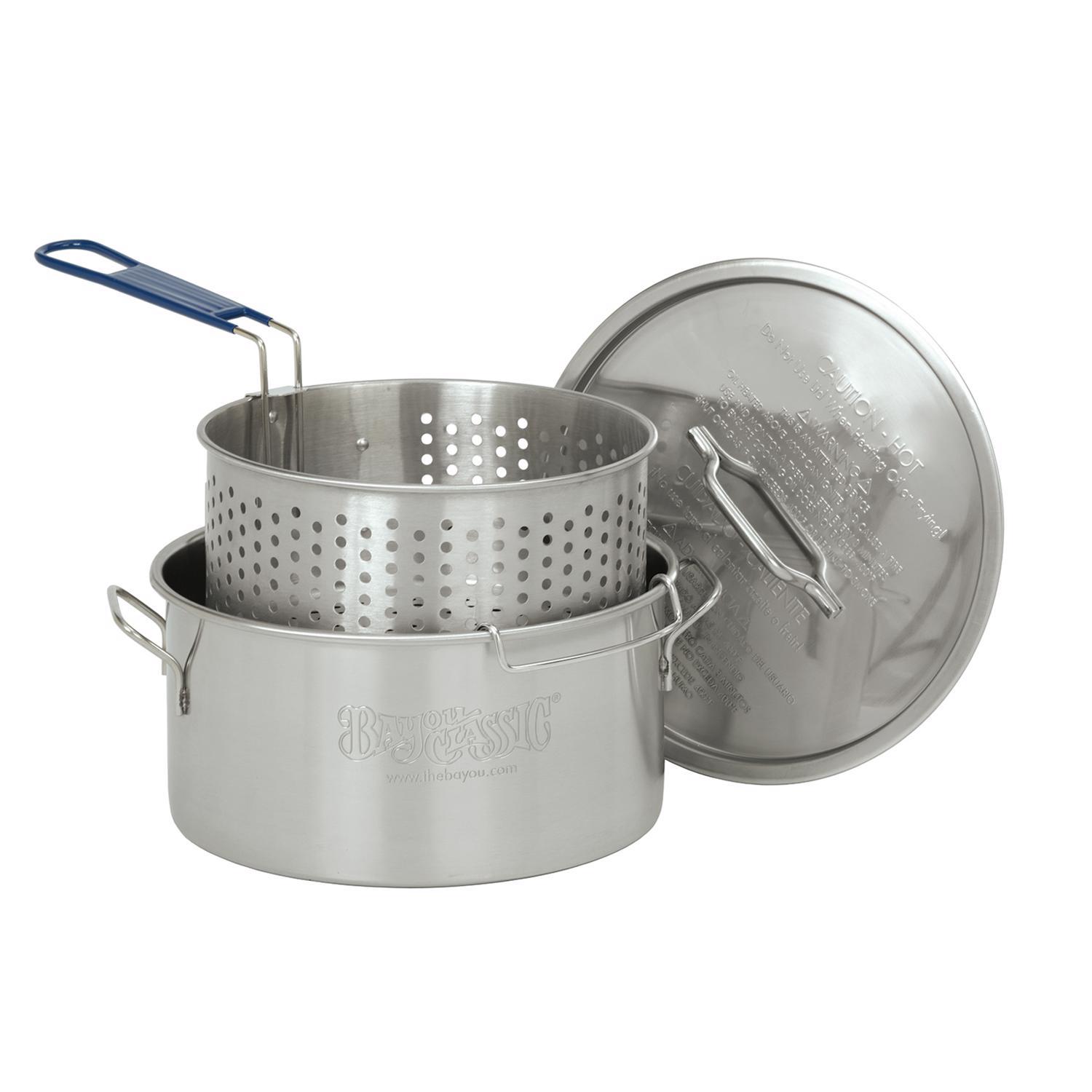
Strainers are made from various materials. Stainless steel is common. It is durable and heat-resistant. Plastic strainers are lightweight. They are ideal for quick tasks. Mesh strainers have fine metal or nylon mesh. They provide precision in straining. Each material offers distinct benefits and uses.

Credit: drindustry.en.made-in-china.com
Understanding Offgassing
Understanding offgassing can be a puzzle, especially when it comes to kitchen tools like food strainers. You might be wondering what offgassing is and why it matters. Simply put, offgassing is the release of chemicals from materials into the air. This process can impact the air quality in your home. It’s important to know how offgassing occurs and what materials are prone to it to ensure your kitchen is a safe space.
Causes Of Offgassing
Offgassing is primarily caused by volatile organic compounds (VOCs) present in materials. These compounds can evaporate at room temperature, releasing into the air. You might find that a new strainer has a noticeable smell. This is often due to the VOCs in plastics or synthetic materials used in manufacturing.
Temperature and humidity can speed up offgassing. For instance, if you leave a plastic strainer in direct sunlight, it may release more VOCs. Have you ever noticed a stronger smell when cooking on hot days? This is why. Knowing these causes can help you make informed choices about where and how you store your kitchen items.
Common Offgassing Materials
Many kitchen products, including strainers, are made from materials that offgas. Plastics are a common culprit. They often contain VOCs like formaldehyde and phthalates. These can linger in the air and may affect indoor air quality.
Rubber and synthetic coatings are also known for offgassing. If you’ve ever bought a new kitchen mat or utensil and smelled a strong odor, you’ve likely encountered offgassing. Consider opting for items made from stainless steel or glass instead. These materials are less likely to release harmful chemicals into your home.
It’s worth asking: how safe is your kitchen environment? By understanding offgassing and the materials involved, you can make safer choices. Your kitchen should be a place of health and comfort, not a source of concern. Remember, small changes in the products you use can make a big difference in your home environment.
Health Risks Of Offgassing
Offgassing refers to the release of volatile organic compounds (VOCs) from materials. Food strainers made of synthetic materials can sometimes emit these gases. Understanding the health risks associated with offgassing is crucial. VOCs can impact air quality and health, especially in enclosed spaces.
Short-term Effects
Short-term exposure to offgassing can cause immediate discomfort. People may experience headaches and nausea. Some report irritation in the eyes and throat. These symptoms can be unpleasant. Sensitive individuals might feel dizzy or lightheaded.
Long-term Exposure Concerns
Long-term exposure to offgassing poses more serious risks. Prolonged inhalation of VOCs can affect respiratory health. Some compounds have been linked to chronic illnesses. Asthma and allergies might worsen over time. Continuous exposure can impact overall wellbeing.
Credit: www.acehardware.com
Testing For Offgassing In Strainers
Testing for offgassing in food strainers is a crucial step to ensure the safety of your kitchen tools. Offgassing refers to the release of potentially harmful chemicals from materials, which can contaminate food and affect health. Are you aware of the tests that can help identify offgassing in your kitchen strainers?
Methods Of Detection
There are several methods to detect offgassing in strainers. One common way is through air quality sensors that measure the presence of volatile organic compounds (VOCs). These sensors can be used in your kitchen to monitor the air around the strainers.
Another method involves laboratory testing. Labs can analyze the material composition of a strainer to determine if it releases any harmful substances when in contact with hot food or water. This might seem technical, but it provides peace of mind when choosing kitchen tools.
Do you know anyone who’s used a home test kit for this purpose? Share your experiences in the comments!
Industry Standards And Regulations
Understanding industry standards can guide you in selecting safe kitchen strainers. FDA regulations in the United States, for example, set limits on the types of materials that can be used in food contact items.
The European Union’s REACH regulations ensure that products imported into the EU meet safety standards for chemical use. Look for certifications on product packaging to verify compliance with these standards.
Do you check for these certifications when purchasing kitchen items? It might be time to start if you haven’t already.
Testing for offgassing isn’t just a technical detail—it’s an essential step in protecting your health. Let’s ensure our kitchens are as safe as they are functional. What changes will you make to ensure your kitchen tools are up to standard?
Safe Strainer Choices
Choosing the right food strainer is essential for healthy cooking. Safe strainers help keep unwanted chemicals away from your food. Many people worry about strainers that release gases, known as offgassing. These gases can affect health and the taste of food. Selecting strainers made from safe materials can prevent offgassing.
Offgassing-free Materials
Glass is an excellent choice for strainers. It does not release harmful gases. Stainless steel is also a safe option. It resists rust and does not offgas. Silicone is another safe material. It is flexible and does not contain harmful chemicals. These materials ensure your food stays fresh and healthy.
Tips For Selecting Safe Strainers
Check the label for material information. Avoid plastic strainers, as they can offgas. Choose strainers from trusted brands. Ensure they have safety certifications. Read customer reviews to learn about quality. Look for strainers with a simple design. Complex designs can trap food particles. This can lead to bacteria growth.

Credit: www.amazon.com
Consumer Awareness And Actions
Food strainers might release offgas, raising safety concerns. Consumers must check for BPA-free and food-safe labels. Awareness ensures safer kitchen choices.
In today’s world, consumer awareness about the safety of food strainers is more crucial than ever. Many of us have heard about the potential risks of offgassing, but how many truly understand what it means for our daily kitchen routines? As consumers, you hold the power to make informed decisions that not only protect your health but also push for greater safety standards in the industry.Identifying Safe Products
Choosing the right food strainer can feel overwhelming with so many options available. Start by checking for products labeled as BPA-free or those made from stainless steel. These materials are generally considered safer and less likely to release harmful chemicals. Look for certifications from reputable organizations that test for safety standards. If you’re unsure about a particular brand, customer reviews can offer valuable insights into the real-world use and safety of the product. Would you trust a product without knowing how it’s made? Transparency about manufacturing processes can be a good indicator of a company’s commitment to safety. Reach out to manufacturers directly if you have questions about their products.Advocating For Stricter Regulations
Imagine a world where all kitchen products are safe and free from harmful chemicals. This isn’t just a dream but a possibility if consumers demand stricter regulations. Your voice matters. By supporting brands that prioritize safety, you send a clear message to the industry. Share your concerns on social media or participate in consumer advocacy groups. Have you ever considered writing to your local representatives? Expressing your concern about product safety can lead to legislative changes. When more people speak up, it becomes harder for the industry to ignore the need for better regulations. By taking these steps, you not only protect yourself but contribute to a safer environment for everyone. Your actions, big or small, are part of a collective push towards a healthier future.Frequently Asked Questions
Does Stainless Steel Cookware Leach Into Food?
Stainless steel cookware may leach small amounts of nickel and chromium into food. This is typically minimal and not harmful. Using high-quality stainless steel reduces leaching. Avoid cooking acidic foods for long durations to minimize risk. Always clean cookware properly to maintain its integrity and safety.
What Foods Should Not Be Stored In Stainless Steel?
Avoid storing acidic foods like tomatoes, citrus fruits, and vinegar in stainless steel. These foods can cause corrosion. Salty foods may also cause pitting over time. Store them in glass or ceramic containers instead.
Is Nickel In Stainless Steel Harmful To Humans?
Nickel in stainless steel is generally safe for most people. Some individuals may have allergic reactions. Stainless steel is widely used in kitchens, medical tools, and jewelry, posing minimal health risks. If you suspect an allergy, consult a healthcare professional for advice.
Stainless steel is considered safe in everyday applications.
What Is The Alternative To Plastic Colander?
Metal colanders, made of stainless steel, offer a durable alternative to plastic. Bamboo colanders are eco-friendly and stylish. Silicone colanders provide flexibility and easy storage. Ceramic colanders add aesthetic appeal and are heat-resistant. Choose based on your preference for durability, sustainability, or design.
Conclusion
Food strainers with offgas can raise safety concerns. Choose strainers made from safe materials. Stainless steel and silicone are good options. They don’t release harmful chemicals. Always check product labels carefully. Avoid using damaged strainers. They might release toxins. Keeping your kitchen safe is important.
It ensures better health for you and your family. Research and choose wisely. Safe strainers bring peace of mind. You enjoy cooking without worry. Always prioritize your health and safety. Your kitchen deserves the best tools. Make informed choices for a safer cooking experience.

Hi, I’m Daniel Brooks—a food lover and kitchen gear enthusiast. I enjoy testing cookware, utensils, and gadgets to see what really works in everyday cooking. At PlugChef.com, I share honest reviews, comparisons, and simple guides to help you choose the best tools for a safer, smarter, and more enjoyable kitchen.
Related posts:
 What Type of Cooking Utensils are Safe: Expert Picks
 What Innovations Could Blenders Make: Unleashing Future Tech
 Smart Strategies to Organize a Small Kitchen: Maximize Space
 How to Organize a Kitchen Cabinet: Expert Tips & Tricks
 How to Organize Kitchen Drawers: Expert Tips and Tricks
 How to Organize a Corner Kitchen Cupboard: Expert Tips