
Leafy greens like lettuce, spinach, and kale are popular in many meals. People eat them fresh, often cut into small pieces. But is cutting these greens a way to control temperature and keep food safe? This article looks closely at cut leafy greens and their role in food safety, especially about temperature control.
Credit: m.economictimes.com
What Are Cut Leafy Greens?
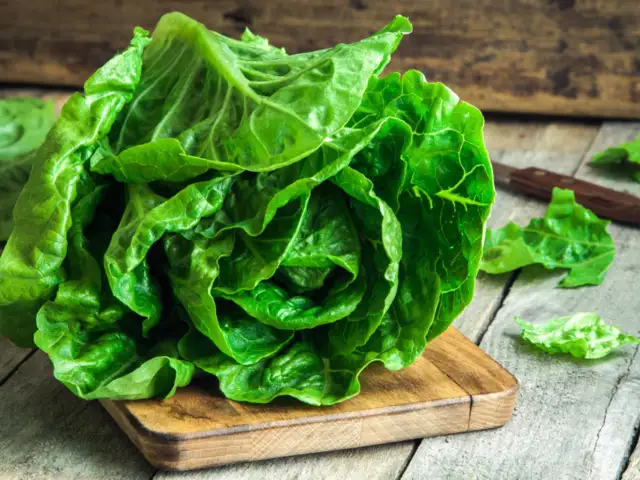
Cut leafy greens are leaves that are washed, trimmed, and cut into smaller pieces. You find them in salads, sandwiches, and wraps. They are easier to eat because they are ready to use. But cutting also changes how we must store and handle these greens.
Why Temperature Control Matters for Food Safety
Temperature control helps stop bacteria from growing on food. When food is too warm, germs can grow fast. This can cause food poisoning. For leafy greens, keeping the right temperature is very important. It keeps the greens fresh and safe to eat.
How Does Cutting Affect Leafy Greens?
When you cut leafy greens, you break their outer skin. This skin protects the leaves from germs and air. After cutting, the leaves lose moisture faster. They also become softer and easier for bacteria to enter.
So, cutting leafy greens can make them spoil faster. This means they need to be kept cold to stay fresh and safe.
Are Cut Leafy Greens a Temperature Control?
Cutting leafy greens itself does not control temperature. It is not a method to keep food safe by temperature. Instead, cutting makes leafy greens more sensitive to temperature changes.
In fact, cut greens need better temperature control than whole leaves. Because they spoil faster, they must be kept at the right cold temperature all the time.
Recommended Temperature for Cut Leafy Greens
Food safety experts say cut leafy greens should be stored at or below 41°F (5°C). This temperature slows down bacteria growth. It keeps the greens fresh for longer.
When cut greens are left at room temperature, bacteria can grow quickly. This can cause food poisoning if eaten.
Table: Safe Storage Temperatures For Leafy Greens
| Type of Greens | Safe Storage Temperature | Why? |
|---|---|---|
| Whole Leafy Greens | Below 41°F (5°C) | Slows spoilage and bacteria growth |
| Cut Leafy Greens | Below 41°F (5°C) | More sensitive; spoil faster |
What Happens if Temperature is Not Controlled?
If cut leafy greens are not kept cold, they can spoil quickly. They become soft, slimy, and smelly. This is a sign that bacteria have grown.
Eating spoiled leafy greens can cause stomach pain, nausea, and diarrhea. Some bacteria can even make people very sick. This is why temperature control is very important.
How to Keep Cut Leafy Greens Safe
Here are some simple steps to keep cut leafy greens safe:
- Keep them cold: Store at or below 41°F (5°C).
- Use clean tools: Wash knives and hands before cutting.
- Store properly: Use clean containers or bags with good air flow.
- Use quickly: Eat cut greens within a few days.
- Avoid room temperature: Don’t leave cut greens out for more than 2 hours.
Can Cutting Help in Any Way?
Cutting leafy greens helps in cleaning them better. When washed and cut properly, dirt and bugs can be removed more easily.
But cutting does not help control temperature. It only makes the greens need better temperature control.