

Have you ever wondered if the chicken wings you love to eat are actually real wings? It sounds simple, but the answer might surprise you.
When you pick up those crispy, juicy wings, are you really biting into a genuine wing from a chicken? If you’ve ever been curious or even a little confused about what’s on your plate, this article is for you. Keep reading, and you’ll discover the truth behind chicken wings—and why it matters for your next meal.
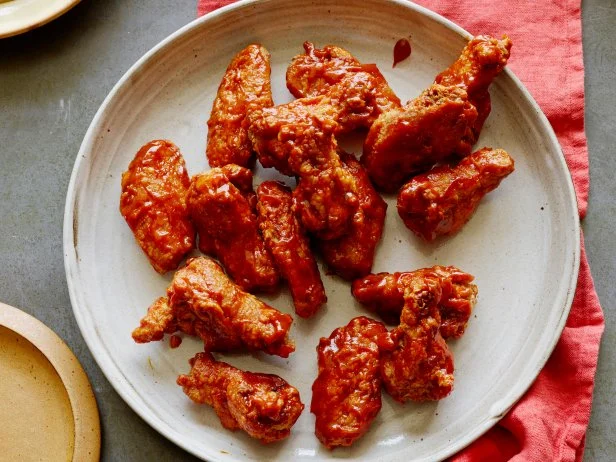
Credit: www.foodnetwork.com
Origin Of Chicken Wings
Chicken wings have become a beloved snack worldwide, especially in social gatherings and sports events. But have you ever wondered where they actually come from and what makes them unique compared to other chicken parts? Understanding the origin of chicken wings can change the way you appreciate this crispy, flavorful treat.
Anatomy Of A Chicken Wing
A chicken wing is made up of three parts:
- Drumette:The part that looks like a small drumstick, attached to the body.
- Wingette (Flat):The middle section with two parallel bones.
- Tip:The pointed end, often removed before cooking.
Each part has a different texture and amount of meat. The drumette is meatier, while the wingette is flatter and ideal for sauces to cling to. The tips are usually crispy but have little meat.
How Wings Differ From Other Chicken Parts
Chicken wings are different from breasts, thighs, and drumsticks in several ways. They have less meat but more skin, which makes them perfect for frying or baking until crispy.
Unlike the breast, which is lean and dense, wings offer a balance of skin, fat, and tender meat. This combination makes them flavorful, especially when seasoned or coated in sauces.
Have you noticed how wings hold sauces better than other parts? That’s because their shape and skin texture help trap flavors. Next time you order wings, pay attention to how the sauce sticks differently compared to a chicken breast or thigh.
Chicken Wings On Your Plate
When you bite into a chicken wing, do you ever wonder if you’re actually eating a bird’s wing? The chicken wings on your plate have traveled a fascinating journey from the farm to your dining table. Understanding this journey might just make your next meal even more enjoyable.
Types Of Chicken Wings Served
Chicken wings come in various cuts and styles, each offering a unique dining experience. There are two main types: the drumette and the flat. The drumette resembles a small drumstick and is meatier, while the flat has two bones and is juicier.
- Drumettes:These are often preferred for their meat content and are easier to hold.
- Flats:Known for their crispy skin and flavorful meat, they require a bit more skill to eat.
Beyond these, you might encounter boneless wings, which are actually pieces of breast meat. These are perfect if you love the flavor of wings without the hassle of bones.
Preparation Methods And Cuts
The way chicken wings are prepared can significantly alter their taste and texture. Grilling, baking, frying, and smoking are popular methods, each bringing out different flavors. Have you ever noticed how frying gives a crispy exterior, while baking keeps them tender and less greasy?
Cutting techniques also influence the outcome. Some prefer to keep the wing whole, while others cut it into drumettes and flats. This choice can impact cooking time and the overall eating experience.
Next time you sit down to enjoy a plate of wings, think about the effort and decisions that went into preparing them. Which type and preparation method do you enjoy the most? Your preference might just reveal something about your culinary personality!
Common Misconceptions About Wings
Chicken wings are a beloved snack around the world, but there’s a lot of confusion about what exactly makes a “wing.” Many people assume that every part labeled as a wing on your plate is the same or equally edible. Sorting fact from fiction can change the way you enjoy this popular treat.
Are All Chicken Wings Edible?
Not all parts of a chicken wing are equally easy or pleasant to eat. Some sections have more meat, while others contain mostly skin and bone. Have you ever struggled with tiny bones or felt like you were eating more cartilage than meat?
Usually, the tips of chicken wings are less meaty and often discarded or used for making broth. Many restaurants remove the wing tips before cooking to focus on the parts that offer more meat. If you’re cooking at home, you might want to trim off the tips to avoid wasting time picking at inedible parts.
Differences Between Wing Sections
A chicken wing is divided into three parts: the drumette, the wingette (also called flat), and the tip. Each section has a unique texture and amount of meat.
- Drumette:Looks like a small drumstick, with one large bone and plenty of meat. It’s the easiest to eat and often the most popular part.
- Wingette (Flat):This middle section has two thin bones and less meat but offers a good balance of skin and flavor. It’s perfect if you like crispy skin.
- Tip:Mostly skin, cartilage, and bone with very little meat. Often removed before cooking or saved for stock.
Understanding these sections can help you decide which parts to order or cook, depending on your preference for meatiness or crispiness. Next time you bite into a wing, you might appreciate its structure more and eat with greater enjoyment.

Credit: food52.com
Nutritional Value Of Chicken Wings
Chicken wings offer more than just great taste. They provide important nutrients that support your body. Understanding their nutritional value helps make smart eating choices. This section breaks down calories, protein, health benefits, and concerns.
Calories And Protein Content
A single chicken wing contains around 43 calories. This number changes based on cooking methods and sauces. Grilled or baked wings have fewer calories than fried ones.
Chicken wings are a good source of protein. One wing has about 6 grams of protein. Protein helps build muscles and keeps you full longer. It is important for repairing body tissues and maintaining energy.
Health Benefits And Concerns
Chicken wings provide essential vitamins and minerals. They contain vitamin B6, niacin, and phosphorus. These nutrients support brain function and bone health.
Eating chicken wings in moderation can be part of a balanced diet. Watch out for high sodium and fat in some wing sauces. Too much saturated fat may affect heart health. Choose healthier cooking methods like baking or grilling to reduce fat intake.
Cultural Impact Of Chicken Wings
Chicken wings have grown beyond just a tasty snack. They hold a special place in cultures around the world. Their appeal is simple, yet strong. Wings bring people together at meals, celebrations, and events. They symbolize fun, sharing, and community.
Different cultures have made wings their own. Unique flavors and cooking styles reflect local tastes and traditions. Wings also play a key role in social gatherings, especially in sports and parties. They create a lively atmosphere and enhance the joy of getting together.
Popular Wing Dishes Worldwide
- Buffalo Wings in the United States are spicy and tangy. They are often served with celery and blue cheese.
- Korean Fried Chicken Wings are crispy with a sweet and spicy glaze.
- Chinese-style wings use soy sauce, garlic, and ginger for bold flavors.
- Jamaican Jerk Wings have a smoky, spicy seasoning with Caribbean herbs.
- Indian wings often feature tandoori spices and yogurt marinades.
Wings In Sports And Social Events
Chicken wings are a staple at sports games and parties. Fans enjoy wings while cheering for their teams. The easy-to-eat nature of wings makes them perfect for social settings.
Wings create a festive mood. They encourage sharing and conversation. Many bars and homes serve wings during big games and holidays. Wings have become a symbol of celebration and togetherness.

Credit: www.wholesomeyum.com
Frequently Asked Questions
Are Chicken Wings Real Wings Of A Chicken?
Yes, chicken wings are actual wings of a chicken. They consist of three parts: drumette, wingette, and tip. These wings are commonly cooked and served as popular appetizers worldwide.
Why Are Chicken Wings Called “wings” If Different?
Chicken wings are called “wings” because they come from the bird’s wing section. Although smaller and less meaty than other parts, they retain the wing’s shape and structure.
Can Chicken Wings Fly Like Other Bird Wings?
No, chicken wings cannot fly well. Chickens have small wings and heavy bodies, limiting their flight ability to short bursts or flapping to perch.
Are Chicken Wings Healthy To Eat Regularly?
Chicken wings can be healthy if cooked properly without excess oil or batter. They provide protein and essential nutrients but should be eaten in moderation.
Conclusion
Chicken wings are real wings from chickens. They have three parts: drumette, wingette, and tip. People often eat the first two parts. The tip is usually discarded or used for stock. Knowing this helps you understand what you eat. Chicken wings are popular because they are tasty and easy to cook.
Next time you enjoy wings, you know they are actual wings. Simple and true.

Hi, I’m Daniel Brooks—a food lover and kitchen gear enthusiast. I enjoy testing cookware, utensils, and gadgets to see what really works in everyday cooking. At PlugChef.com, I share honest reviews, comparisons, and simple guides to help you choose the best tools for a safer, smarter, and more enjoyable kitchen.
Related posts:
 What Type of Cooking Utensils are Safe: Expert Picks
 What Innovations Could Blenders Make: Unleashing Future Tech
 Smart Strategies to Organize a Small Kitchen: Maximize Space
 How to Organize a Kitchen Cabinet: Expert Tips & Tricks
 How to Organize Kitchen Drawers: Expert Tips and Tricks
 How to Organize a Corner Kitchen Cupboard: Expert Tips