
Imagine preparing your favorite meal with a set of cooking utensils that not only look great but are also eco-friendly. Bamboo cooking utensils have surged in popularity, promising sustainability and style.
But as you stand over your sizzling stove, one question might cross your mind: Are bamboo cooking utensils safe for you and your family? This is a question that has sparked curiosity among many home cooks just like you. After all, when it comes to food preparation, safety is paramount.
You want to ensure that the tools you use contribute to a healthy kitchen environment. Dive into this article to discover the truth about bamboo cooking utensils, unravel myths, and arm yourself with the knowledge to make informed choices for your culinary adventures. Don’t miss out on understanding how these utensils can impact your cooking experience and your health.

Credit: totallybamboo.com
Bamboo As A Material
Bamboo cooking utensils are safe and eco-friendly, offering durability and resistance to bacteria. They are a natural choice for kitchens, providing a sustainable option that is gentle on cookware surfaces.
Bamboo has been gaining popularity as a material for cooking utensils, and for good reason. Its natural beauty, lightweight nature, and eco-friendly properties make it a favorite choice among home cooks and professional chefs alike. But beyond aesthetics, you might wonder how bamboo stands up in terms of safety, especially when used in the kitchen.Sustainability Of Bamboo
Bamboo is a champion in the world of renewable resources. Unlike traditional hardwoods that take decades to mature, bamboo can grow up to three feet in just 24 hours. This rapid growth means it can be harvested frequently without deforestation concerns. Its root system remains intact after harvesting, which prevents soil erosion and promotes soil health. Choosing bamboo utensils supports sustainable practices and reduces your carbon footprint. Isn’t it satisfying to know that your choice of kitchen tools is helping the planet?Durability And Strength
You might think that being lightweight makes bamboo fragile, but that’s not the case. Bamboo is incredibly strong and durable, often compared to steel in terms of tensile strength. This makes it perfect for daily kitchen use, withstanding the rigors of stirring, flipping, and mixing. Bamboo utensils resist warping and cracking, even with regular exposure to heat and moisture. Have you ever had a wooden spoon split after a few uses? Bamboo could be the answer to such frustrating kitchen mishaps. Your bamboo spoon will likely last longer, saving you money and reducing waste. Considering its sustainability and strength, bamboo is not just a safe choice for cooking utensils; it’s a smart one. Why settle for less when you can have something that’s both environmentally friendly and robust? Whether you’re a seasoned cook or a kitchen novice, bamboo tools can enhance your culinary experience while keeping your conscience clear.Health Benefits
Bamboo cooking utensils are gaining popularity for their health benefits. These utensils offer safe and eco-friendly options for your kitchen. They bring peace of mind with their natural properties.
Antimicrobial Properties
Bamboo naturally fights bacteria. This reduces the risk of germs in your kitchen. The fibers in bamboo resist bacterial growth. This makes bamboo utensils hygienic choices. They help keep your food clean and safe.
Non-toxic Nature
Bamboo is free from harmful chemicals. Unlike plastic, it doesn’t leach toxins into food. This makes it a safer option for cooking. Bamboo is naturally grown without pesticides. This ensures that your utensils remain toxin-free.
Comparing With Other Materials
Bamboo cooking utensils offer a safe and eco-friendly alternative to plastic and metal. Their natural composition ensures no harmful chemicals leach into food. Lightweight and durable, they resist heat and bacteria, providing a reliable option for everyday cooking.
When choosing cooking utensils, it’s crucial to consider the safety and benefits of different materials. Bamboo utensils are popular for their natural appeal and eco-friendly properties, but how do they compare with other materials like plastic, metal, and wood? Let’s dive into the pros and cons of each to help you make an informed decision for your kitchen.Plastic Utensils
Plastic utensils are often lightweight and inexpensive. They don’t scratch non-stick surfaces, making them a common choice for many households. However, they can melt if exposed to high temperatures, potentially releasing harmful chemicals into your food. Consider whether the convenience of plastic is worth the possible health risks and environmental impact.Metal Utensils
Metal utensils are durable and heat-resistant, perfect for cooking at high temperatures. They often provide a sleek, modern look and are easy to clean. Yet, they can scratch and damage non-stick pans, affecting their longevity. Ask yourself if the robust nature of metal suits your culinary needs, particularly if you frequently use non-stick cookware.Wooden Utensils
Wooden utensils offer a traditional and natural feel. They are gentle on cookware and can last for years with proper care. However, they can absorb flavors and odors over time, which might be a concern for some dishes. Reflect on whether the warmth and durability of wood align with your cooking habits and preferences. In comparing these materials, bamboo stands out for its combination of eco-friendliness and practicality. Bamboo doesn’t scratch your pots and pans and is naturally antibacterial. It’s a sustainable choice that balances safety and environmental consciousness. Do you think bamboo cooking utensils might be the perfect fit for your kitchen?Potential Risks
Bamboo cooking utensils are generally safe but can pose potential risks. Splintering or cracking may occur over time, which can lead to contamination. It’s essential to ensure proper care and regular inspection to maintain their safety and longevity.
When you’re preparing meals, the tools you use can impact not just the flavor but also your health. Bamboo cooking utensils have become popular for their eco-friendly appeal and stylish look. However, are they completely safe? Let’s explore the potential risks so you can make an informed decision.Concerns With Bamboo Treatments
Bamboo utensils often undergo treatments to enhance durability and appearance. These treatments can involve chemicals that might not be disclosed on the packaging. Have you ever wondered if the glossy finish on your bamboo spoon is entirely safe? Some manufacturers use adhesives or lacquers that contain formaldehyde or other toxic substances. It’s crucial to check if your utensils are labeled as food-safe or BPA-free. Look for brands that provide transparency about their manufacturing processes.Long-term Use Effects
Over time, bamboo utensils can show signs of wear and tear. Splintering or cracking might occur, potentially harboring bacteria. This not only affects the longevity of the utensil but could also pose health risks. Consider how often you replace your bamboo tools. Are you noticing any unusual changes? Regular inspection and proper maintenance, like oiling, can extend their life and ensure safety. But if you’re frequently replacing them, it might be time to reassess their cost-effectiveness and safety. By staying informed about these potential risks, you can enjoy the aesthetic and environmental benefits of bamboo without compromising your health. Have you ever encountered any issues with your bamboo utensils? Share your experiences and let’s discuss how we can make safer choices in our kitchens.Care And Maintenance
Bamboo cooking utensils are popular for their durability. Proper care ensures they last longer. Regular cleaning and proper storage are essential. Follow these tips to keep them in top condition.
Cleaning Tips
Wash bamboo utensils by hand. Use warm water and mild soap. Avoid soaking them in water for long periods. Dry them immediately with a soft cloth. This prevents water stains and keeps them looking new.
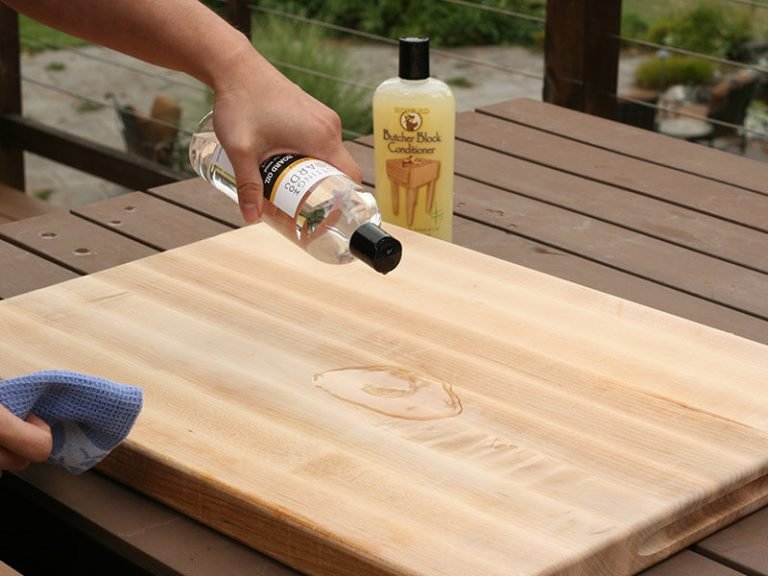
Avoid using harsh detergents. These can damage the bamboo surface. Gentle cleaning preserves their natural finish. An occasional wipe with food-grade mineral oil helps maintain shine.
Avoiding Damage
Store bamboo utensils in a dry place. Avoid direct sunlight, which can cause fading. Keep them away from high heat sources. Excessive heat can warp or crack the bamboo.
Do not use bamboo utensils on very hot pans. This protects their integrity. Handle them gently to prevent scratches and dents. Regular care extends their lifespan.

Credit: www.amazon.com
Consumer Opinions
Bamboo cooking utensils are gaining popularity in many kitchens. Many people want to know if they are safe. Consumers share mixed opinions about these utensils. Some love them for their eco-friendly nature. Others worry about their durability and safety in cooking.
User Experiences
Users often praise bamboo utensils for their light weight. Many find them easy to handle while cooking. Some users mention bamboo does not scratch pots and pans. This feature keeps non-stick surfaces safe.
On the downside, some users report bamboo utensils can split. Exposure to water might cause this. Regular oiling can help maintain their quality. Many find this simple care routine manageable.
Expert Recommendations
Experts suggest bamboo utensils for their natural properties. They emphasize that bamboo is a renewable resource. This makes it an environmentally friendly choice. Experts also recommend checking for any coatings.
Untreated bamboo is often considered safe. It is important to avoid utensils with harmful chemicals. Experts advise choosing products from reputable brands. This ensures quality and safety in your kitchen.
Bamboo Utensils In The Market
Bamboo utensils have become a staple in many kitchens, celebrated for their eco-friendly nature and aesthetic appeal. With increasing awareness about sustainable living, these utensils are finding their way into homes worldwide. But with so many options available, how do you choose the right ones for your kitchen?
Popular Brands
Many brands have entered the bamboo kitchenware market, each offering unique features. Companies like Bambu, Totally Bamboo, and EcoCheph are well-known for their high-quality bamboo products. These brands focus on sustainable sourcing and environmentally friendly production processes, ensuring your purchase supports ethical practices.
Some brands also offer specialized bamboo utensils designed for specific cooking needs. Whether it’s a sturdy spatula for stir-frying or a delicate spoon for serving, these brands aim to provide a complete range of tools for every culinary task.
Price Range And Availability
Bamboo utensils are generally affordable, making them accessible to a wide audience. Prices typically range from as low as $5 for simple tools to around $30 for more elaborate sets. This affordability allows you to upgrade your kitchen tools without breaking the bank.
You can find bamboo utensils in most kitchenware stores, as well as online marketplaces like Amazon and Etsy. Availability in local stores can vary, so it might be beneficial to check online for the best deals and widest selection.
Have you ever thought about why bamboo utensils are usually cheaper than other materials? Their rapid growth and renewable nature make them an economical choice, both for manufacturers and consumers.
Choosing the right bamboo utensils can enhance not just your cooking experience, but also your commitment to a more sustainable lifestyle. So, why not make a small change that has a big impact?

Credit: www.amazon.com
Frequently Asked Questions
What Are The Disadvantages Of Bamboo Cutlery?
Bamboo cutlery can absorb flavors and stains, reducing its lifespan. It may not be as durable as metal. Regular maintenance is required to prevent mold and splitting. It can warp or crack if exposed to high heat or moisture. Disposal isn’t as straightforward as metal or plastic.
What Is The Healthiest Material For Cooking Utensils?
Stainless steel, cast iron, and bamboo are among the healthiest materials for cooking utensils. They are durable, non-toxic, and do not leach chemicals into food. Opt for these materials to ensure safe and healthy cooking.
Should I Use Bamboo Cooking Utensils?
Yes, bamboo cooking utensils are eco-friendly, durable, and gentle on cookware. They resist heat and don’t scratch surfaces. Bamboo is naturally antibacterial and easy to clean, making it an excellent choice for kitchens.
Is It Safe To Cook With Bamboo?
Cooking with bamboo is safe. Ensure the bamboo is food-grade and free from chemicals. Use bamboo steamers or utensils for best results. Always check for quality and proper sourcing. Bamboo is eco-friendly and durable, making it a great choice for cooking.
Conclusion
Bamboo cooking utensils offer a safe choice for your kitchen needs. They are durable and gentle on cookware surfaces. Made from natural materials, they resist stains and odors. Bamboo is lightweight and easy to handle. Plus, it’s eco-friendly. A great option for those wanting to reduce plastic use.
Proper care ensures long-lasting use. Avoid soaking them for extended periods. Dry them thoroughly after washing. With these habits, bamboo utensils stay in good shape. Consider them for your cooking adventures. Safe, practical, and sustainable. A smart choice for everyday cooking.

Hi, I’m Daniel Brooks—a food lover and kitchen gear enthusiast. I enjoy testing cookware, utensils, and gadgets to see what really works in everyday cooking. At PlugChef.com, I share honest reviews, comparisons, and simple guides to help you choose the best tools for a safer, smarter, and more enjoyable kitchen.
Related posts:
 What Type of Cooking Utensils are Safe: Expert Picks
 What Innovations Could Blenders Make: Unleashing Future Tech
 Smart Strategies to Organize a Small Kitchen: Maximize Space
 How to Organize a Kitchen Cabinet: Expert Tips & Tricks
 How to Organize Kitchen Drawers: Expert Tips and Tricks
 How to Organize a Corner Kitchen Cupboard: Expert Tips