
Imagine this: you’ve just enjoyed a delicious home-cooked meal, but now, you’re faced with a mountain of dishes. You glance at your bamboo cooking utensils and wonder, “Can these go in the dishwasher?”
It’s a question many of us ponder, especially when convenience meets the care of our cherished kitchen tools. Bamboo utensils have become popular for their eco-friendliness and durability, but understanding how to maintain them properly can be a bit tricky.
If you’re looking to streamline your cleaning routine without compromising the lifespan of your bamboo utensils, you’ve landed in the right place. Keep reading to find out whether your trusty bamboo helpers can safely join the dishwasher cycle or if there’s a better way to keep them clean and pristine.
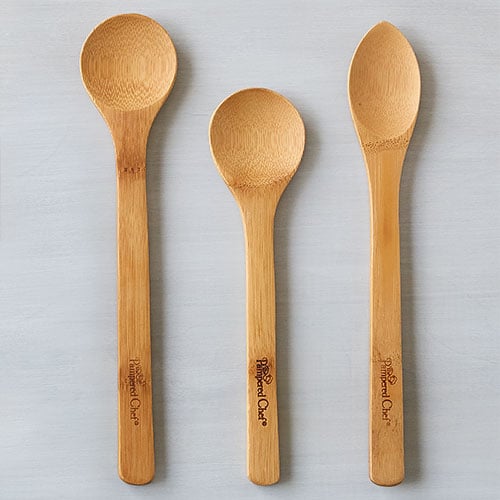
Credit: www.pamperedchef.com
Bamboo Material Properties
Bamboo cooking utensils are known for their durability and eco-friendly nature. They are not typically dishwasher safe due to the risk of warping and weakening. Hand washing is recommended to maintain their quality and extend their lifespan.
Bamboo cooking utensils are popular due to their eco-friendly nature. Understanding their properties helps in making informed choices. Let’s dive into the key aspects of bamboo’s material properties.Natural Composition
Bamboo is a type of grass, not wood. It grows quickly, making it sustainable. The fibers are dense and strong. This gives bamboo its unique properties. Bamboo naturally resists bacteria. This makes it safer for food use. Its composition also makes it lightweight. This is ideal for cooking utensils. The natural color of bamboo adds beauty to kitchens.Durability Factors
Bamboo is strong yet flexible. This makes it less likely to crack. It withstands regular kitchen use effectively. Bamboo’s durability comes from its structure. The fibers are tightly packed. This gives it strength and resilience. Bamboo utensils can last for years. But they need proper care. Exposure to moisture can weaken them. Hand washing is often recommended. Dishwashers may damage the fibers over time. This can affect their longevity. Regular oiling can help maintain their condition. Keep them dry for best results.
Credit: www.amazon.com
Common Uses In Kitchen
Bamboo cooking utensils are becoming a staple in kitchens around the world. Their versatility and eco-friendliness make them a popular choice for home cooks and professional chefs alike. But are they truly dishwasher safe? Before we dive into that, let’s explore their common uses in the kitchen.
Bamboo utensils can be used for stirring, serving, and flipping your favorite dishes. Picture this: you’re preparing a delicate omelet and need something gentle to flip it without scratching your non-stick pan. A bamboo spatula is perfect for this task. The natural material is gentle on cookware and effective in handling food.
You’re baking cookies and need to mix dough. Bamboo spoons are sturdy and comfortable to hold. They provide the right balance of flexibility and strength to make mixing a breeze. These utensils are ideal for salad tossing, ensuring you don’t bruise the greens while mixing.
Types Of Bamboo Utensils
- Spatulas
- Spoons
- Forks
- Tongs
Each type has its unique use. Bamboo spatulas are perfect for flipping pancakes, while bamboo forks can serve pasta with ease. Bamboo tongs offer a great grip for grilling, making them a versatile addition to your kitchen arsenal. Have you ever considered the variety of bamboo utensils that can make your cooking tasks easier?
Benefits Of Using Bamboo
- Eco-friendly:Bamboo is a renewable resource, making it a sustainable choice.
- Gentle on cookware:Bamboo utensils don’t scratch your pots and pans.
- Durable:Despite being lightweight, bamboo is surprisingly strong.
- Heat resistant:Bamboo can withstand high temperatures, perfect for cooking.
Imagine reducing your carbon footprint just by choosing bamboo utensils. They offer an eco-friendly solution without compromising quality. Plus, their heat resistance means they won’t warp or melt when used with hot foods. Have you experienced the durability and gentle touch bamboo utensils bring to your kitchen?
So, while bamboo utensils are incredibly useful, it’s essential to understand their care requirements. Are they dishwasher safe? Considering their benefits and types, you might be tempted to toss them in with your other dishes. Let’s explore whether that’s a wise choice and what alternatives you have for keeping them clean and in top condition.
Dishwasher Safety Concerns
Bamboo cooking utensils are a popular choice in many kitchens due to their eco-friendly nature and durability. However, when it comes to cleaning them, especially in a dishwasher, there are several safety concerns you should be aware of. Understanding these concerns can help you maintain the longevity and functionality of your bamboo utensils.
Heat And Moisture Impact
Dishwashers use high temperatures and steam to clean your dishes. This environment can be harsh on bamboo utensils. Excessive heat can cause the bamboo to dry out, leading to cracks and a rough texture. Frequent exposure to moisture can also weaken the bamboo’s natural fibers, making them less durable.
Consider hand washing your bamboo utensils to preserve their quality. It’s a simple task that can extend their lifespan significantly. If you’ve ever noticed your bamboo utensils feeling less smooth over time, you may have experienced the effects of heat and moisture first-hand.
Potential Damage Risks
Bamboo utensils are prone to warping and splitting under extreme dishwasher conditions. The vigorous washing cycle can exert pressure on the delicate structure of bamboo, causing it to bend or break. This is not just an inconvenience—it can turn your once-favorite spoon or spatula into a kitchen hazard.
Have you ever opened your dishwasher to find a warped bamboo spatula? It’s frustrating and can lead to unexpected costs in replacing your utensils. Opting for hand washing can save you from these potential risks and keep your kitchen running smoothly.
Think about the care you give to your bamboo utensils. Do you really want to risk damaging them with a simple dishwasher cycle? Taking a few extra minutes to hand wash can keep them in top condition, ready for your next culinary adventure.
Manufacturer Recommendations
Bamboo cooking utensils have become popular due to their eco-friendliness. Knowing whether they are dishwasher safe is crucial. Manufacturer recommendations provide clarity on this topic, ensuring the longevity of your utensils. These guidelines help users maintain the quality and functionality of bamboo products.
Care Instructions
Manufacturers often advise against using dishwashers for bamboo utensils. The high heat and water pressure can weaken the bamboo fibers. Hand washing is usually recommended. Use mild soap and warm water for cleaning. Pat dry immediately to prevent warping and cracking. This method preserves the natural strength and beauty of bamboo.
Warranties And Guarantees
Some manufacturers offer warranties on their bamboo utensils. These warranties typically cover defects in materials or craftsmanship. Using a dishwasher might void these warranties. Always check the warranty terms before washing. Guarantees often depend on following care instructions properly. Proper care ensures you can claim any warranties if needed.
Proper Cleaning Techniques
Bamboo cooking utensils are a popular choice due to their sustainability and aesthetic appeal. However, many wonder if they can be safely cleaned in a dishwasher. The truth is, bamboo utensils require a bit more care to maintain their longevity and appearance. Understanding the proper cleaning techniques can help you preserve their quality and ensure they remain a staple in your kitchen.
Hand Washing Tips
Hand washing is the best method for cleaning bamboo utensils. Use warm, soapy water and a soft sponge to gently scrub away food residue. Avoid using abrasive cleaners or scouring pads, as they can damage the bamboo surface. Rinse thoroughly to remove all soap, leaving no residue behind.
Remember my time at a friend’s house, when she tossed her bamboo spatula in the dishwasher? It came out warped and rough. That was a reminder: bamboo needs the gentle touch of hand washing to stay in shape. Have you ever thought about how a simple change in routine can extend the life of your utensils?
Drying And Storage Advice
After washing, drying is crucial. Pat the utensils dry with a towel immediately to prevent moisture from soaking into the bamboo. Leaving them wet can lead to cracking or warping. Once dry, store them in a well-ventilated area, away from direct sunlight, to maintain their natural color and texture.
Consider storing your bamboo utensils in an open container on your countertop. This not only keeps them dry but also adds a touch of rustic charm to your kitchen. Have you noticed how a simple arrangement can transform your kitchen space?
Proper cleaning and storage are essential for the longevity of bamboo utensils. By following these tips, you can enjoy using your bamboo tools for years to come. Take a moment to reassess your cleaning methods and see how small adjustments can make a big difference.
Comparisons With Other Materials
Bamboo cooking utensils are a popular choice in many kitchens. Their natural look and lightweight design make them appealing. But how do they compare to other materials like wood, plastic, and metal? Understanding these differences can help you make the best choice for your cooking needs.
Wood Vs. Bamboo
Both wood and bamboo are natural materials. They are environmentally friendly and biodegradable. Wood tends to be thicker and heavier. It may hold up better under stress. Bamboo, on the other hand, is lightweight and flexible. Bamboo dries faster and is less likely to crack. Both materials require gentle cleaning. Yet, bamboo’s quick drying nature makes it less prone to water damage.
Plastic And Metal Alternatives
Plastic utensils are budget-friendly and come in many colors. They do well in dishwashers but may melt under high heat. They are not as eco-friendly as bamboo. Metal utensils are strong and durable. They withstand high temperatures and are dishwasher safe. Yet, they can scratch non-stick surfaces. Bamboo is gentle on pans and does not scratch. It blends well with both modern and traditional kitchen decor.
Environmental Considerations
Bamboo cooking utensils are popular for their eco-friendly nature. Many wonder about their dishwasher safety. Beyond functionality, their environmental impact matters too. Bamboo is a sustainable resource, and using it supports eco-friendly kitchen practices. Let’s explore these aspects further.
Sustainability Of Bamboo
Bamboo grows rapidly, making it a renewable resource. It can reach maturity in just three to five years. This quick growth reduces the need for replanting. Bamboo also absorbs carbon dioxide and releases more oxygen compared to other plants. This makes it an excellent choice for the environment.
Harvesting bamboo causes minimal disruption to the ecosystem. The plant regrows without needing replanting. This sustainable cycle makes bamboo an eco-friendly material for utensils.
Eco-friendly Kitchen Practices
Adopting bamboo utensils aligns with eco-friendly kitchen practices. They are biodegradable, reducing landfill waste. Using bamboo helps cut down on plastic and metal usage. This shift supports a cleaner environment.
Keeping bamboo utensils out of the dishwasher extends their life. Hand washing preserves their natural finish. It also avoids the energy consumption of dishwashers. Simple changes like this make a big difference.
Choosing bamboo reflects a commitment to sustainability. It promotes a greener lifestyle. Every small step counts toward a healthier planet.

Credit: totallybamboo.com
Frequently Asked Questions
Why Can’t Bamboo Go In The Dishwasher?
Bamboo can’t go in the dishwasher because high heat and moisture can warp, crack, or damage it. Hand wash bamboo items to maintain their quality and longevity. Dishwashers can strip bamboo of its natural oils, causing it to dry out and deteriorate faster.
Keep bamboo items out of dishwashers for best results.
Can Totally Bamboo Go In The Dishwasher?
Totally Bamboo products should not be placed in the dishwasher. Hand washing is recommended to maintain their durability. Dishwashers can damage bamboo fibers, causing warping or cracking. Use mild soap and warm water for cleaning. Dry immediately to preserve quality.
Proper care extends the life of bamboo kitchen items.
What Are The Disadvantages Of Bamboo Cutlery?
Bamboo cutlery can warp or crack over time. It may absorb flavors and stains. Regular maintenance is required. Some items aren’t dishwasher safe, which increases cleaning time. Durability varies between products, and quality might be inconsistent. Not always suitable for hot or acidic foods.
Are Any Wooden Cooking Utensils Dishwasher Safe?
Most wooden cooking utensils are not dishwasher safe. Dishwashers can cause them to crack or warp over time. Hand washing with mild soap is recommended to maintain their quality and longevity. Dry them thoroughly after washing to prevent water damage.
Always check the manufacturer’s instructions for specific care guidelines.
Conclusion
Bamboo utensils offer charm and sustainability. Their dishwasher safety varies. Most experts suggest hand washing. This preserves their natural beauty. Prolongs their life. Dishwashers may cause damage. Warping or cracking can occur. Hand washing is gentle. It keeps bamboo utensils strong and durable.
Avoid harsh soaps or scrubbing. Rinse with warm water. Dry immediately. This prevents water damage. Enjoy your bamboo utensils. They are eco-friendly and stylish. Proper care ensures longevity. Hand washing is worth the effort. Keep your kitchen green and beautiful.
Enjoy cooking with confidence. Bamboo is a great choice.

Hi, I’m Daniel Brooks—a food lover and kitchen gear enthusiast. I enjoy testing cookware, utensils, and gadgets to see what really works in everyday cooking. At PlugChef.com, I share honest reviews, comparisons, and simple guides to help you choose the best tools for a safer, smarter, and more enjoyable kitchen.
Related posts:
 What Type of Cooking Utensils are Safe: Expert Picks
 What Innovations Could Blenders Make: Unleashing Future Tech
 Smart Strategies to Organize a Small Kitchen: Maximize Space
 How to Organize a Kitchen Cabinet: Expert Tips & Tricks
 How to Organize Kitchen Drawers: Expert Tips and Tricks
 How to Organize a Corner Kitchen Cupboard: Expert Tips