

When you face a cut, scrape, or any small injury, what’s the first thing you reach for? If it’s not antiseptic wipes, your first aid kit might be missing a crucial item.
These wipes are quick, easy, and powerful tools to clean wounds and prevent infections. Imagine having the right protection at your fingertips exactly when you need it most. You’ll discover why antiseptic wipes are essential for your first aid kit and how they can make a real difference in emergencies.
Keep reading to make sure you’re always prepared to take care of yourself and those you love.
Benefits Of Antiseptic Wipes
Antiseptic wipes help clean wounds quickly and reduce infection risk. They are easy to carry and perfect for first aid kits. These wipes provide fast, gentle care anytime, anywhere.
Antiseptic wipes are a must-have in any first aid kit. They offer a quick and efficient way to clean wounds, reducing the risk of infection. These wipes are essential for maintaining hygiene and promoting faster healing. Let’s dive into the benefits that make antiseptic wipes an indispensable part of your first aid kit.Quick Infection Prevention
Antiseptic wipes are designed to eliminate germs and bacteria on contact. Imagine a situation where you or a loved one gets a minor cut while hiking. A quick wipe with an antiseptic can prevent infection before it starts. Wouldn’t you prefer a swift recovery over a prolonged healing process?Convenient And Portable
These wipes come in small, individual packets, making them easy to carry. Keep a few in your purse, backpack, or glove compartment for emergencies. Their portability ensures you’re always prepared, no matter where you are. Isn’t it comforting to know you can have cleanliness at your fingertips?Suitable For Various Wounds
Antiseptic wipes are versatile, suitable for cuts, scrapes, and even insect bites. Their gentle formula works on different skin types without irritation. Whether you’re dealing with a minor scratch or a more serious wound, these wipes are effective. Doesn’t it make sense to have a single solution for multiple problems? Antiseptic wipes provide peace of mind with their quick, convenient, and versatile use. Add them to your first aid kit and ensure you’re always ready to tackle unexpected injuries.
Credit: www.amazon.com
Types Of Antiseptic Wipes
Antiseptic wipes are essential for cleaning wounds and preventing infection. They come in various types, each with unique ingredients and benefits. Understanding these types helps in choosing the right wipe for your first aid kit. Below are the main categories of antiseptic wipes.
Alcohol-based Wipes
These wipes contain alcohol, usually isopropyl or ethyl alcohol. They quickly kill bacteria and viruses on the skin. Alcohol-based wipes dry fast and are effective for small cuts and scrapes. They can cause a stinging sensation but are widely available. Ideal for quick disinfection and cleaning before injections.
Iodine-based Wipes
Iodine-based wipes use povidone-iodine as the active ingredient. They offer broad-spectrum antimicrobial action. These wipes are especially good for deeper wounds or burns. Iodine can stain the skin temporarily but provides strong protection. Often used in medical settings for thorough cleaning.
Chlorhexidine Wipes
Chlorhexidine wipes provide long-lasting antimicrobial effects. They are gentle on the skin and suitable for sensitive areas. These wipes work well against bacteria and some viruses. Chlorhexidine is less irritating than alcohol and iodine. Recommended for wounds that need careful cleaning without harsh chemicals.
Natural Antiseptic Options
Natural antiseptic wipes use ingredients like tea tree oil or aloe vera. They offer mild antimicrobial properties and soothe the skin. These wipes are a good choice for those with sensitive skin or allergies. Natural options often combine cleaning with moisturizing effects. Perfect for minor cuts and everyday hygiene.
Choosing The Right Wipes
Choosing the right antiseptic wipes is key for an effective first aid kit. The right wipes clean wounds quickly and help prevent infection. Not all wipes are the same. Some work better for certain skin types or injuries. Picking the best wipes means knowing what to check for.
Ingredients To Look For
Good antiseptic wipes contain ingredients that kill germs fast. Common ones include:
- Alcohol (usually 70%) – dries quickly and kills bacteria
- Chlorhexidine – gentle and effective against many germs
- Iodine – strong germ-killer, but may stain skin
Avoid wipes with harsh chemicals or strong fragrances. These can irritate wounds or skin.
Sensitivity And Allergies
Skin reactions can happen with some antiseptic wipes. Sensitive skin needs gentle options.
- Look for hypoallergenic wipes without dyes or perfumes
- Test a small skin area first to check for redness or itching
- Choose alcohol-free wipes if skin feels dry or irritated
Knowing your allergies helps avoid problems during first aid.
Expiration Dates And Storage
Expired wipes lose their effectiveness. Always check the expiration date.
- Use wipes before their expiry to ensure safety
- Store wipes in a cool, dry place away from sunlight
- Keep wipes sealed until use to prevent drying out
Proper storage keeps wipes ready for emergencies.
Using Antiseptic Wipes Properly
Using antiseptic wipes properly is key to preventing infections in minor injuries. These wipes clean wounds quickly and reduce bacteria on the skin. Knowing the right way to use them helps ensure better healing and less pain. Follow simple steps for different wound types.
Cleaning Small Cuts And Scrapes
Open the wipe carefully without touching the inside. Gently wipe the cut or scrape to remove dirt and germs. Use one wipe only once to avoid spreading bacteria. Let the wound air dry or pat it gently with a clean cloth. Avoid rubbing hard, which can hurt the skin.
Handling Larger Wounds
For bigger wounds, start by removing visible dirt with the wipe. Avoid deep scrubbing to prevent further damage. Use several wipes if needed, but keep them sterile. After cleaning, cover the wound with a sterile bandage or gauze. Seek medical help if bleeding is heavy or the wound is deep.
Avoiding Common Mistakes
- Do not reuse wipes; always use a new one for each cleaning.
- Avoid touching the wound with dirty hands before using the wipe.
- Never use antiseptic wipes on deep puncture wounds without medical advice.
- Do not apply wipes near the eyes or mouth to prevent irritation.
- Store wipes in a cool, dry place to keep them effective.
Antiseptic Wipes In Emergency Kits
Antiseptic wipes are a simple yet powerful tool in any emergency kit. They help prevent infections by quickly cleaning wounds and killing germs. Having them close at hand can make a big difference when you need fast, effective first aid.
Essential For Home First Aid
Every home should have antiseptic wipes as part of its first aid supplies. Small cuts, scrapes, and burns happen often, and cleaning them immediately reduces the risk of infection.
Antiseptic wipes are easy to use—just open the packet and wipe the wound. Unlike liquid antiseptics, there’s no mess or need for extra materials. Have you ever noticed how a quick clean-up can stop a minor injury from turning into a bigger problem?
Importance In Outdoor Activities
When you’re hiking, camping, or playing sports, your chances of getting cuts and scrapes increase. Carrying antiseptic wipes in your backpack or pocket means you can treat wounds right away.
Outdoor environments are full of dirt and bacteria. Without immediate cleaning, even a small scratch can become infected. What’s your plan for handling unexpected injuries when you’re far from home?
Travel And Workplace Safety
Traveling exposes you to unfamiliar places and germs. Antiseptic wipes provide a quick way to sanitize hands and clean minor wounds, helping you stay healthy on the go.
In the workplace, accidents can happen anytime. Having antiseptic wipes in your desk or locker ensures you can respond fast to cuts or abrasions. Could keeping a small pack handy improve your everyday safety routine?

Credit: www.amazon.com
Safety Precautions
Using antiseptic wipes in your first aid kit is a smart way to reduce infection risk. However, handling them with care is just as important to keep you safe and your wounds clean. Understanding key safety precautions can help you use these wipes effectively without causing harm.
Avoiding Overuse
Antiseptic wipes are great for cleaning wounds, but using too many can irritate your skin. Overusing them might strip away natural oils, leading to dryness or even allergic reactions. If you notice redness or itching after wiping, it’s a sign to pause and consider alternative cleaning methods.
Have you ever felt stinging after using a wipe? That discomfort usually means you’ve used it too frequently or on sensitive skin. Stick to one or two wipes per wound and avoid repeated applications unless advised by a healthcare professional.
Proper Disposal
After using antiseptic wipes, don’t just toss them anywhere. These wipes contain chemicals that can harm the environment if not disposed of properly. Wrap them in tissue or a small plastic bag before throwing them in the trash.
Never flush wipes down the toilet. Doing so can cause blockages and pollute water systems. Keeping disposal responsible protects both your home plumbing and the planet.
When To Seek Medical Attention
Sometimes, cleaning a wound with antiseptic wipes isn’t enough. If the injury is deep, bleeding heavily, or shows signs of infection like swelling, warmth, or pus, it’s time to see a doctor. Using wipes alone won’t replace professional care.
Ask yourself: Is the wound getting worse despite cleaning? If yes, don’t hesitate to get medical help. Early treatment can prevent complications and speed up healing.
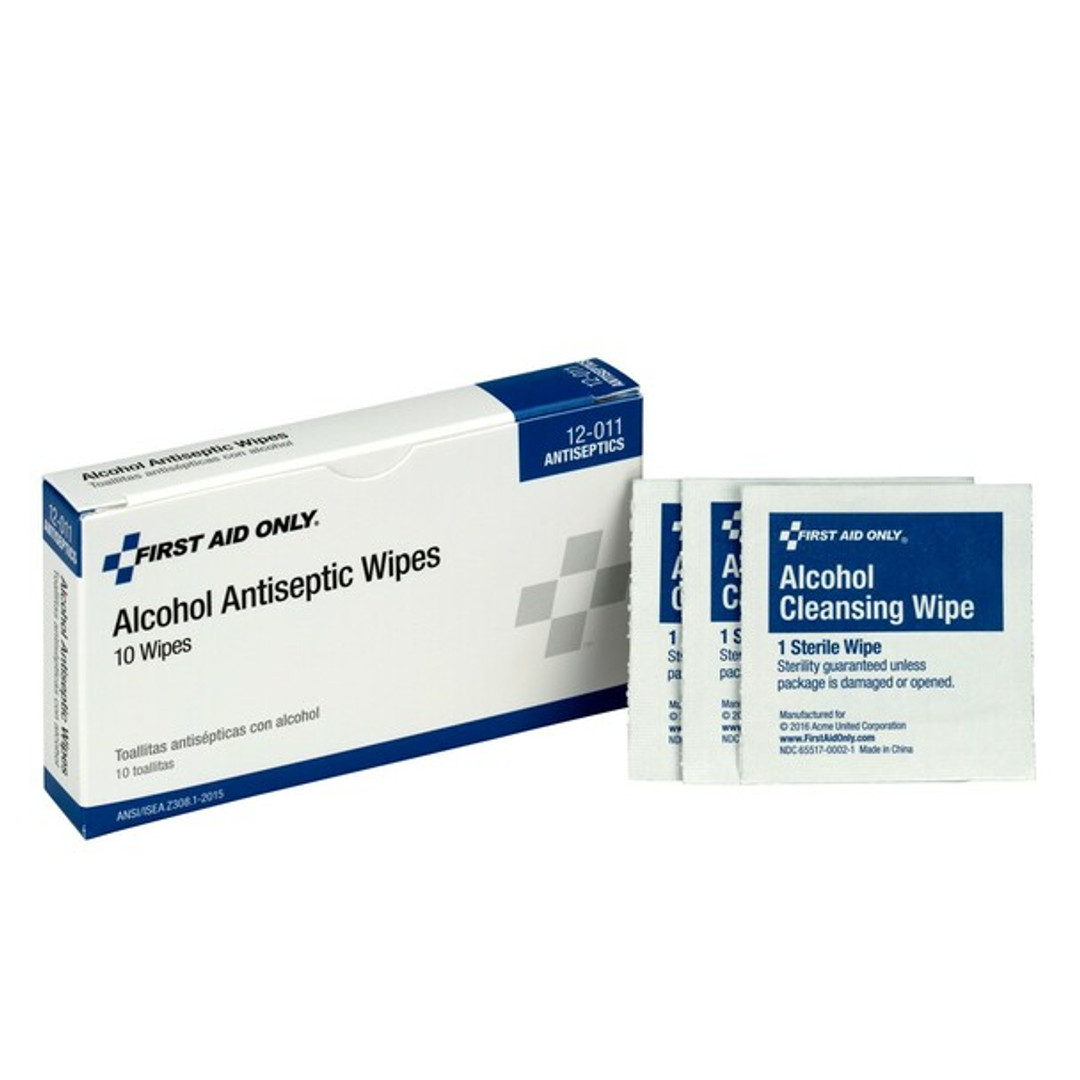
Credit: www.westernsafety.com
Frequently Asked Questions
What Are Antiseptic Wipes Used For In First Aid Kits?
Antiseptic wipes clean wounds and prevent infection. They remove dirt and bacteria quickly. These wipes are essential for minor cuts, scrapes, and burns. Including them in first aid kits ensures immediate wound care and faster healing.
How Do Antiseptic Wipes Kill Germs Effectively?
Antiseptic wipes contain alcohol or antimicrobial agents that destroy bacteria and viruses. They work by breaking down cell membranes of germs. This action prevents infections and promotes safe wound cleaning. Their fast germ-killing properties make them ideal for first aid use.
Can Antiseptic Wipes Replace Soap And Water For Wounds?
Antiseptic wipes are a convenient alternative when soap and water are unavailable. They provide quick, effective cleaning to reduce infection risk. However, washing with soap and water is preferred when possible for thorough hygiene.
Are Antiseptic Wipes Safe For Sensitive Skin?
Most antiseptic wipes are formulated to be gentle on skin. However, some may cause irritation for sensitive individuals. It’s best to test on a small skin area first and choose hypoallergenic options if needed.
Conclusion
Antiseptic wipes keep wounds clean and help stop infections fast. Always have them ready in your first aid kit. They work well for cuts, scrapes, and small burns. Using wipes is quick and easy, saving time in emergencies. Choose wipes that are gentle on skin but strong on germs.
Remember, clean wounds heal better and hurt less. Keep your first aid kit stocked with antiseptic wipes for safety. Small steps like this can protect you and your family every day.

I’m Abby Lu, a passionate home cook who loves simplifying everyday meals. At PlugChef.com, I share product reviews and cooking guides to help you find the best tools for your kitchen.
Related posts:
 What Type of Cooking Utensils are Safe: Expert Picks
 What Innovations Could Blenders Make: Unleashing Future Tech
 Smart Strategies to Organize a Small Kitchen: Maximize Space
 How to Organize a Kitchen Cabinet: Expert Tips & Tricks
 How to Organize Kitchen Drawers: Expert Tips and Tricks
 How to Organize a Corner Kitchen Cupboard: Expert Tips

