
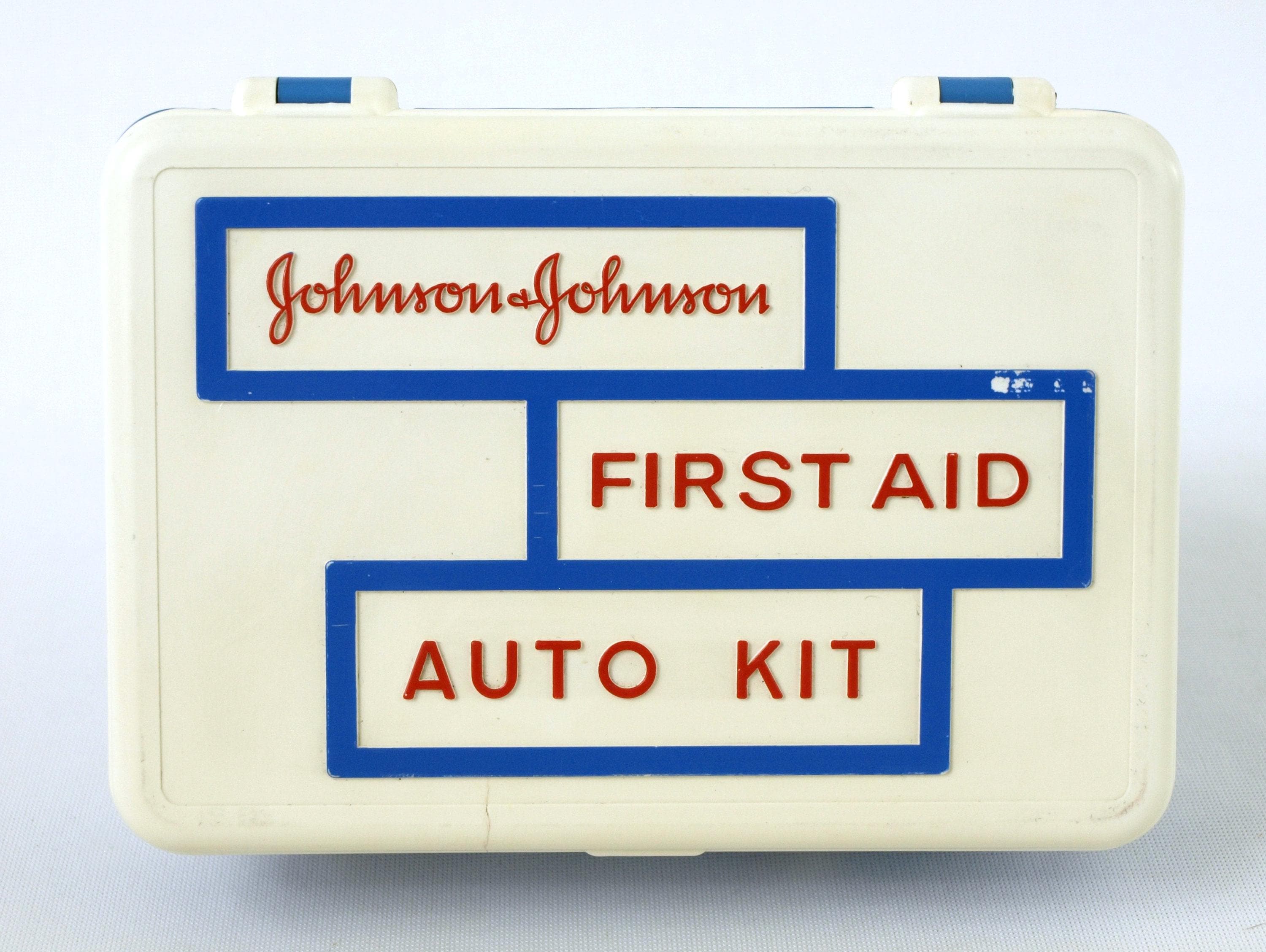
Imagine holding a piece of history in your hands—an Antique Johnson and Johnson First Aid Kit. This isn’t just any old box; it’s a window into the past, a reminder of how care and safety were once approached.
If you’ve ever wondered what makes these kits so special or why collectors and history lovers treasure them, you’re in the right place. By the time you finish reading, you’ll see why this vintage item could be a fascinating addition to your collection or a unique story to share.
Ready to discover the hidden value and charm of the Antique Johnson and Johnson First Aid Kit? Let’s dive in.
Credit: www.etsy.com
History Of Johnson & Johnson First Aid Kits
Antique Johnson & Johnson first aid kits show the company’s long history in health care. These vintage kits often include original bandages and tools from the early 1900s. Collectors value them for their design and historical importance.
The ‘History of Johnson & Johnson First Aid Kits’ is a fascinating journey. It reveals the evolution of healthcare solutions over the years. Johnson & Johnson has been a pioneer in health care since its inception. Their first aid kits have played a vital role in homes and workplaces globally. Let’s explore the story behind these lifesaving kits.Early Beginnings
Johnson & Johnson was founded in 1886. The company aimed to make healthcare accessible. In 1888, they launched their first aid kits. They were designed for railroad workers. These kits contained bandages and antiseptic dressings. The goal was to treat injuries quickly. Their launch marked a new era in medical care. People began to see the importance of first aid.Evolution Through Decades
Over the decades, Johnson & Johnson expanded their first aid kits. They adapted to changing medical needs. Each decade saw improvements in the kits. In the 1920s, they included more items. This included burn ointments and safety pins. By the 1950s, the kits became portable. They were now used in homes and cars. Their contents continued to evolve with new medical discoveries.Iconic Designs And Features
Johnson & Johnson first aid kits became iconic. Their designs changed with the times. Early kits had metal cases. Later, they switched to plastic cases. This made them lighter and easier to carry. The contents also became more diverse. Kits included scissors and tweezers. Each item was carefully chosen for emergencies. The iconic red cross logo became a symbol of trust. These features made them popular worldwide.
Credit: www.ebay.com
Characteristics Of Antique Kits
Antique Johnson and Johnson first aid kits reflect a unique era of medical care and design. These kits show attention to detail and quality that collectors admire. Their characteristics reveal much about health practices from the past.
Each kit tells a story through its materials, contents, and branding. Understanding these features helps appreciate their historical value and charm.
Materials And Craftsmanship
Antique kits often use sturdy metal boxes or tin cases. These materials protect contents and last for decades. The craftsmanship focuses on durability and simplicity.
Many kits feature hand-painted or embossed designs. The finish resists wear and maintains a vintage look. Hinges and clasps are solid, showing careful construction.
Common Contents
Typical items include bandages, gauze, antiseptic powders, and ointments. Small glass bottles and metal tools are common too. These contents reflect early first aid essentials.
- Sterile gauze pads
- Antiseptic ointments
- Adhesive bandages
- Tweezers and scissors
- Instruction leaflets
Many kits have compartments or trays to keep items organized. The layout helps users find supplies quickly.
Distinctive Labels And Branding
Johnson and Johnson kits feature clear, bold logos. The labels often use red and white colors. This color scheme makes the brand easily recognizable.
Labels include detailed instructions and safety information. The text style and wording reflect the language of the time. Collectors value these vintage labels for their authenticity.
Collecting Vintage First Aid Kits
Collecting vintage first aid kits like the Antique Johnson and Johnson First Aid Kit offers a fascinating glimpse into medical history and everyday life from decades ago. These kits are more than just old containers; they tell stories about the evolution of healthcare, design, and safety. Whether you are a seasoned collector or just starting out, understanding what makes these kits special can enhance your appreciation and help you build a valuable collection.
What Makes A Kit Valuable
Value in vintage first aid kits often depends on rarity, condition, and completeness. Kits with original contents intact usually fetch higher prices. Unique packaging, such as the iconic red tin of Johnson and Johnson kits, adds to their collectible appeal.
Original labels and minimal rust or damage increase a kit’s worth significantly. Kits from certain eras, like World War II, often attract collectors due to their historical significance. Have you ever wondered how much a simple first aid box can reveal about the past?
Where To Find Antique Kits
Finding genuine antique first aid kits can be a rewarding challenge. Look for them at estate sales, flea markets, and antique shops where older household items often appear. Online auction sites and dedicated collector forums also offer access to rare finds.
Networking with other collectors can lead to private sales and trade opportunities. Always ask questions about the kit’s history and condition before purchasing. Where have you seen interesting vintage medical items recently?
Identifying Authenticity
Authenticity is key when collecting vintage first aid kits. Check for original manufacturer markings, dates, and materials consistent with the kit’s era. Reproductions may look similar but often lack the detailed craftsmanship of authentic pieces.
Inspect the contents for period-specific packaging and product names. A genuine Johnson and Johnson kit from the early 1900s will have distinct fonts and label designs compared to modern replicas. Can you spot the subtle differences that separate a true antique from a fake?
Care And Preservation
Preserving an Antique Johnson and Johnson First Aid Kit requires gentle care and attention. Proper maintenance helps keep its vintage charm and value intact. Regular care prevents damage and deterioration over time.
Handling the kit carefully reduces wear and tear. Using the right cleaning methods avoids harming delicate surfaces. Storing it properly protects it from moisture, dust, and sunlight. Sometimes, thoughtful restoration can bring back its original beauty.
Cleaning Tips
- Use a soft, dry cloth to dust the exterior gently.
- For stubborn dirt, slightly dampen the cloth with water only.
- Avoid harsh chemicals or abrasive cleaners that can damage paint or labels.
- Clean metal parts with a mild metal polish, applied sparingly.
- Do not soak the kit or expose it to excess moisture.
Storage Recommendations
- Store in a cool, dry place away from direct sunlight.
- Keep the kit in a breathable fabric bag to reduce dust buildup.
- Avoid storing near heat sources or damp areas to prevent warping.
- Place the kit on a stable surface to avoid accidental falls.
- Check the kit periodically for signs of mold or corrosion.
Restoration Considerations
- Consult a professional before attempting any major repairs.
- Preserve original labels and markings; do not repaint or alter them.
- Use archival-quality materials for any minor touch-ups.
- Replace missing parts only with authentic or period-appropriate pieces.
- Document all restoration work to maintain the kit’s history.
Market Trends And Prices
The market for Antique Johnson and Johnson First Aid Kits shows steady interest. Collectors value these kits for their history and unique design. Prices vary based on condition, rarity, and completeness. Understanding current trends helps collectors and sellers make informed decisions.
Current Demand Among Collectors
Collectors seek authentic kits from early 1900s. Kits with original contents attract more attention. Demand rises for kits with clear branding and minimal damage. Smaller kits or those with unique colors gain niche interest. The market favors well-preserved items with original labels.
Price Ranges And Factors
Prices usually range from $50 to over $500. Condition plays a key role in pricing. Complete kits with all original items fetch higher prices. Kits with rust, missing parts, or faded labels sell for less. Provenance and packaging style also affect value.
- Excellent condition: $300 – $500
- Good condition: $150 – $300
- Fair condition: $50 – $150
Notable Sales And Auctions
Recent auctions featured kits with rare labels selling above $400. Some sales reached record prices for pristine kits. Online marketplaces show steady transactions every month. Antique fairs also offer chances to find valuable kits. Auction results help set pricing benchmarks for collectors.

Credit: www.ebay.com
Displaying Your Collection
Displaying your Antique Johnson and Johnson First Aid Kit collection is more than just putting items on a shelf. It’s about creating a visual story that honors the history and craftsmanship behind each piece. Thoughtful presentation can turn your collection into a conversation starter and a cherished part of your home or office.
Showcasing Kits Safely
Protecting your antique kits from damage is crucial. Use UV-protected glass cases to prevent fading and dust buildup. Keep the kits away from direct sunlight and humid areas to preserve their colors and materials.
Consider mounting shelves with secure brackets or using wall mounts designed for fragile items. You want your display to be both stable and accessible. This way, you can enjoy your collection without worrying about accidental knocks or falls.
Creative Display Ideas
Think beyond traditional shelving. Group your kits by era or size on vintage wooden crates or old medical carts for added character. Using layered displays with risers or shadow boxes can add depth and highlight unique features.
Try placing small plaques or labels next to each kit with interesting facts or dates. This not only educates visitors but also makes your display feel curated and intentional. Have you ever thought about combining your kits with related antiques, like old medical tools, to create a themed vignette?
Incorporating Historical Context
Adding historical context can deepen the impact of your display. Attach brief stories about Johnson and Johnson’s role in early first aid or include vintage advertisements nearby. These elements provide background and help viewers appreciate the significance of each kit.
You might also include photos or newspaper clippings from the era when the kits were popular. This makes your collection more than just objects; it becomes a window into the past. How might knowing the stories behind your kits change the way you see them?
Frequently Asked Questions
What Is An Antique Johnson And Johnson First Aid Kit?
An Antique Johnson and Johnson First Aid Kit is a vintage medical kit. It contains early 20th-century first aid supplies. These kits are collectible items due to their historical value and unique packaging.
How To Identify An Authentic Johnson And Johnson Kit?
Look for original branding, logos, and packaging style. Authentic kits often have dated labels and period-specific materials. Check for wear consistent with age, and avoid replicas or modern reproductions.
Why Are Johnson And Johnson Antique Kits Valuable?
Their value comes from rarity, historical significance, and brand reputation. Collectors seek them for unique medical history and vintage appeal. Condition and completeness greatly affect their market price.
What Items Are Inside A Vintage Johnson And Johnson First Aid Kit?
Common items include bandages, antiseptic ointments, gauze, and cotton. Some kits have early pain relievers and wound treatment tools. Contents vary by era and kit size.
Conclusion
Antique Johnson and Johnson first aid kits tell a story of care. They show how health help started long ago. Collectors and history lovers find them special. Each kit holds old tools and memories. These kits remind us of simpler times.
Owning one connects you to the past. They are small treasures with big meaning. Consider adding an antique kit to your collection. It’s a piece of history you can hold.

I’m Abby Lu, a passionate home cook who loves simplifying everyday meals. At PlugChef.com, I share product reviews and cooking guides to help you find the best tools for your kitchen.
Related posts:
 What Type of Cooking Utensils are Safe: Expert Picks
 What Innovations Could Blenders Make: Unleashing Future Tech
 Smart Strategies to Organize a Small Kitchen: Maximize Space
 How to Organize a Kitchen Cabinet: Expert Tips & Tricks
 How to Organize Kitchen Drawers: Expert Tips and Tricks
 How to Organize a Corner Kitchen Cupboard: Expert Tips