

Are you confused about the difference between American bacon and Canadian bacon? You’re not alone.
Many people use these terms interchangeably, but they are actually quite different. Knowing the difference can change the way you enjoy your breakfast or cook your favorite dishes. By the end of this article, you’ll understand exactly what sets these two types of bacon apart—and which one might be the best choice for your next meal.
Keep reading to discover the surprising facts that could make your taste buds thank you!
Origins And History
The origins and history of American bacon and Canadian bacon reveal distinct culinary traditions. Each type of bacon comes from different parts of the pig and has unique preparation methods. Understanding their roots helps appreciate their flavors and cultural significance.
Roots Of American Bacon
American bacon, often called streaky bacon, comes from the pork belly. It has layers of fat and meat, giving it a rich taste. Early American settlers brought curing methods from Europe, especially England. They cured pork belly with salt and smoked it for preservation. This process created the crispy, flavorful bacon we know today. It became popular in the United States during the 19th century. Farmers and households enjoyed it for its long shelf life and taste.
Background Of Canadian Bacon
Canadian bacon is different. It is made from the pork loin, a leaner cut located near the back of the pig. This bacon is often called back bacon in Canada. It is cured, smoked, and fully cooked before packaging. The tradition traces back to British and Irish immigrants who preferred leaner pork cuts. Canadian bacon became widely known in the United States through breakfast dishes like eggs Benedict. It offers a tender, ham-like flavor unlike American bacon.

Credit: www.yahoo.com
Cuts And Preparation
Understanding the differences in cuts and preparation between American bacon and Canadian bacon can change how you enjoy these breakfast favorites. The way the meat is sourced and treated affects not only the flavor but also the texture and cooking style. Let’s break down these aspects so you can decide which one suits your taste and cooking habits better.
Source Of Meat
American bacon typically comes from the pork belly, a fatty and flavorful cut. This cut gives it the characteristic streaks of fat that crisp up beautifully when cooked. Canadian bacon, on the other hand, is made from the pork loin, a leaner and meatier part of the pig.
This difference means American bacon has a richer, fattier taste, while Canadian bacon offers a texture closer to ham. Have you noticed how Canadian bacon slices are usually round? That’s because the pork loin is cylindrical, unlike the flat pork belly used for American bacon.
Curing And Smoking Methods
Both types of bacon undergo curing, but the processes vary. American bacon is often dry-cured or brined and then smoked, giving it that smoky, salty punch. The smoking process can range from hickory to applewood, adding unique flavor notes depending on the wood used.
Canadian bacon is typically wet-cured and fully cooked before packaging. It’s also smoked but usually with a milder smoke flavor. Because it’s pre-cooked, Canadian bacon heats up quickly and is less greasy when fried.
Have you tried swapping American bacon for Canadian bacon in your recipes? You might be surprised how this simple change can create a completely different breakfast experience.
Appearance And Texture
American bacon is thin and crispy with streaks of fat, while Canadian bacon looks like a lean, round slice of ham. The texture of American bacon is crunchy, whereas Canadian bacon is tender and meaty.
The look and feel of bacon can significantly influence your breakfast experience. American bacon and Canadian bacon each have their unique visual and textural characteristics that make them distinct. Understanding these differences can help you choose which type to sizzle in your pan.Visual Differences
American bacon, often referred to as streaky bacon, is primarily made from pork belly. It showcases a striking contrast of fat and lean meat, giving it a signature striped appearance. These strips are generally long and thin, making them instantly recognizable. Canadian bacon, on the other hand, is crafted from the pork loin. This results in a meatier, round appearance, often with a thin layer of fat around the edge. Its presentation is more uniform, resembling a thick slice of ham rather than the streaky look of its American counterpart.Texture Variations
The texture of bacon plays a crucial role in its culinary appeal. American bacon, with its higher fat content, crisps up beautifully when cooked. It offers a delightful crunch that pairs well with the soft interior of a breakfast sandwich. Canadian bacon provides a denser, chewier bite. Its leaner composition means it doesn’t crisp in the same way but offers a satisfying heartiness. This makes it a popular choice for those who prefer a more substantial meat experience in their morning meal. Have you ever considered how the texture of bacon affects your breakfast satisfaction? It might be time to experiment with both types to see which one you favor.Flavor Profiles
The flavor profiles of American bacon and Canadian bacon offer distinctly different experiences that can shape your meal in unique ways. Understanding these differences helps you choose the right bacon to match your taste preferences or recipe needs. Let’s break down what makes each type stand out on your palate.
Taste Of American Bacon
American bacon is known for its bold, smoky flavor. It comes from pork belly, which is rich in fat, giving it a crispy texture when cooked. The saltiness combined with the smoky undertone creates a savory punch that many find addictive.
When you cook American bacon, the fat renders out and crisps up, adding a satisfying crunch. This bacon often has a slightly sweet note due to the curing process, which balances the saltiness. Have you noticed how a crispy strip can elevate a simple breakfast to a memorable feast?
Taste Of Canadian Bacon
Canadian bacon tastes quite different because it comes from the pork loin, a leaner cut. It has a milder, meatier flavor with less fat and a more ham-like taste. This makes it less greasy and offers a cleaner, more subtle bacon experience.
Canadian bacon is often smoked but lacks the intense smokiness of American bacon. It’s tender and slightly sweet, making it a great option if you want bacon flavor without overwhelming richness. Could this be the bacon choice that fits better with lighter dishes or sandwiches?
Cooking Techniques
Cooking American bacon and Canadian bacon requires different approaches to bring out their best flavors and textures. Each type of bacon has unique qualities that respond better to certain cooking methods. Understanding these techniques will help you enjoy every bite exactly as it should be.
Best Ways To Cook American Bacon
American bacon is known for its crispy edges and rich, smoky flavor. To get that perfect crispness, try cooking it slowly over medium heat in a skillet. This allows the fat to render out gradually, preventing burnt spots and ensuring even cooking.
If you’re short on time, baking American bacon on a wire rack set over a baking sheet is a great option. This method keeps the bacon flat and lets the fat drip away, resulting in evenly crispy slices without the mess of frying.
- Cook in a cold pan to render fat slowly
- Turn occasionally for even crispiness
- Bake at 400°F (200°C) for 15-20 minutes for hands-off cooking
Have you ever noticed how some bacon gets chewy instead of crispy? That usually means the heat was too high or the bacon was crowded in the pan. Give your bacon space and moderate heat to get that perfect crunch.
Ideal Cooking For Canadian Bacon
Canadian bacon is leaner and more like ham, so it benefits from gentler cooking. It cooks quickly and can dry out if overcooked, so keep the heat moderate and the cooking time short.
Pan-frying Canadian bacon over medium heat for about 1-2 minutes per side seals in juices and adds a nice caramelized surface. You can also grill it for a smoky touch that complements its mild flavor well.
- Avoid high heat to prevent toughness
- Use a non-stick pan or light oil to prevent sticking
- Slice thickness matters: thinner slices cook faster and stay tender
Next time you prepare Canadian bacon, try adding it to your breakfast skillet with eggs and veggies. The quick cooking time means you can add it last and keep it juicy and flavorful.
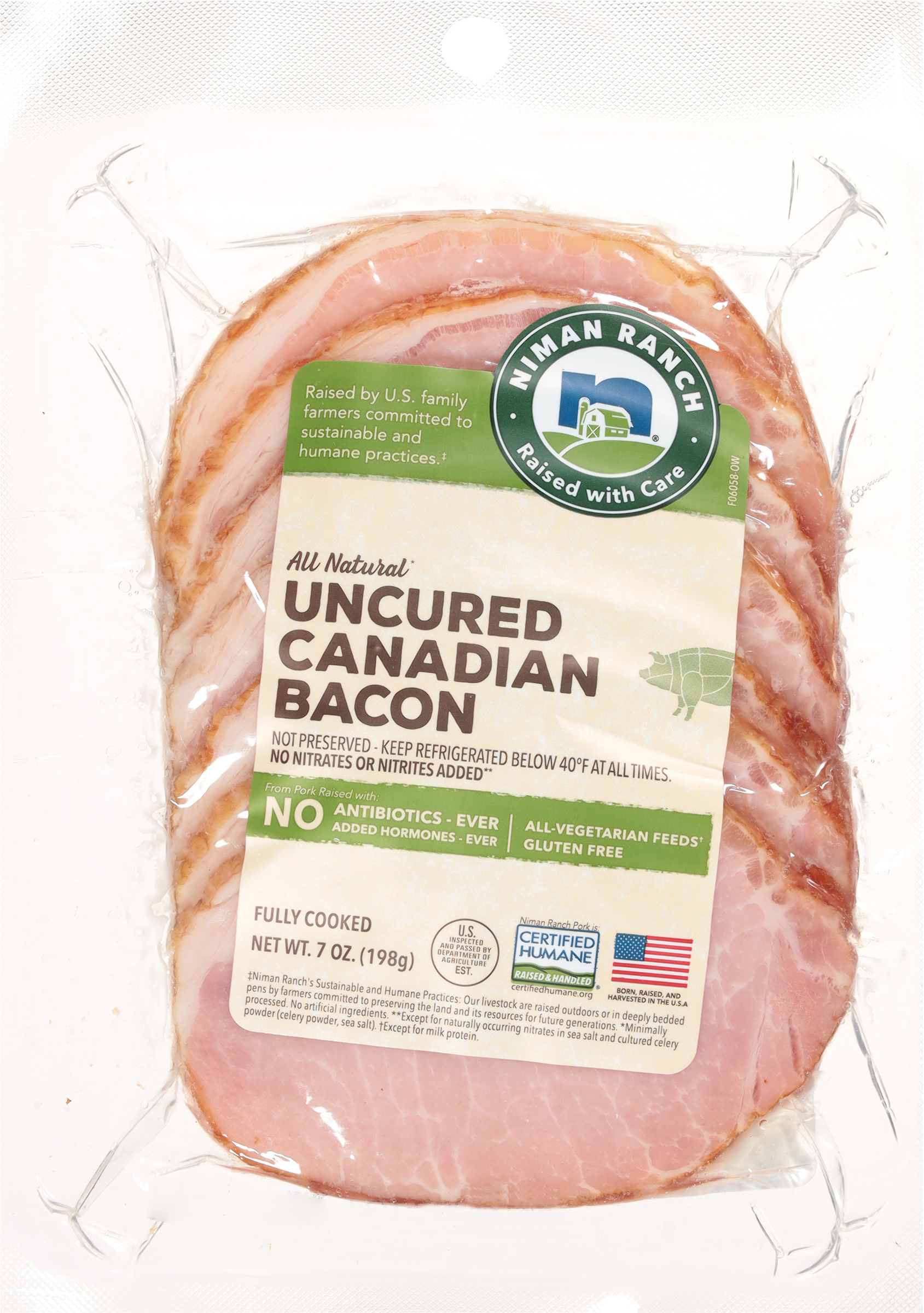
Credit: www.nutritionix.com
Nutritional Aspects
Understanding the nutritional differences between American bacon and Canadian bacon helps in making better food choices. Both types come from pork but differ in cut and preparation. These differences affect their calories, fat, and nutrient content.
Calories And Fat Content
American bacon usually has more calories and fat. It comes from pork belly, which is fatty. A typical slice contains about 40 to 50 calories and 3 to 4 grams of fat.
Canadian bacon is leaner. It comes from pork loin, a much leaner cut. One slice has around 30 calories and 1 to 2 grams of fat.
- American bacon: higher fat, more calories
- Canadian bacon: lower fat, fewer calories
Protein And Other Nutrients
Canadian bacon offers more protein per slice than American bacon. Protein supports muscle growth and repair.
Both types provide essential vitamins and minerals like B vitamins, zinc, and iron. Canadian bacon has less sodium than American bacon, which may benefit those watching salt intake.
| Nutrient | American Bacon (per slice) | Canadian Bacon (per slice) |
|---|---|---|
| Protein | 3 grams | 5 grams |
| Sodium | 190 mg | 120 mg |
| Iron | 0.3 mg | 0.4 mg |
Culinary Uses
Bacon plays a key role in many kitchens. Both American and Canadian bacon offer unique flavors and textures. Their uses in cooking vary greatly. Understanding these differences helps choose the right bacon for your dish.
American bacon is known for its crispiness and strong smoky taste. It is often cooked until crunchy. Canadian bacon has a leaner texture and milder flavor. It resembles ham more than traditional bacon.
Common Dishes With American Bacon
- Classic breakfast plates with eggs and toast
- Bacon cheeseburgers with melted cheese
- Salads topped with crispy bacon bits
- BLT sandwiches featuring bacon, lettuce, and tomato
- Wrapped around vegetables or seafood before grilling
- Added to pasta dishes for smoky depth
Popular Recipes Using Canadian Bacon
- Eggs Benedict with Canadian bacon and hollandaise sauce
- Pizza topped with Canadian bacon and pineapple
- Breakfast sandwiches using Canadian bacon slices
- Quiches and casseroles for a leaner meat option
- Salads with warm Canadian bacon pieces
- Grilled Canadian bacon as a protein side
Cultural Significance
The cultural significance of bacon in both the United States and Canada goes beyond just taste. It reflects history, tradition, and lifestyle. Understanding these differences can change how you view each type of bacon on your plate.
Role In American Cuisine
American bacon, known for its streaky strips of pork belly, is a staple in many households. It often appears in breakfast dishes like bacon and eggs or as a crispy topping on burgers and salads.
Its smoky, salty flavor has become a symbol of indulgence and comfort food. Think about the last time you enjoyed a BLT sandwich—did the bacon bring that extra punch that made it memorable?
Beyond meals, bacon in the U.S. has inspired festivals, merchandise, and even unusual recipes like bacon-wrapped desserts. It’s more than food; it’s a cultural icon.
Role In Canadian Cuisine
Canadian bacon, which comes from the pork loin, is leaner and often round in shape. It’s commonly used in dishes like Eggs Benedict, adding a milder, ham-like taste to the meal.
In Canada, this bacon reflects a different approach to pork—leaner and often viewed as a healthier alternative. Have you noticed how it blends seamlessly into recipes without overpowering other flavors?
Canadian bacon also plays a role in holiday meals and traditional recipes, symbolizing simplicity and wholesome eating. It connects to Canadian values of balance and moderation in food.
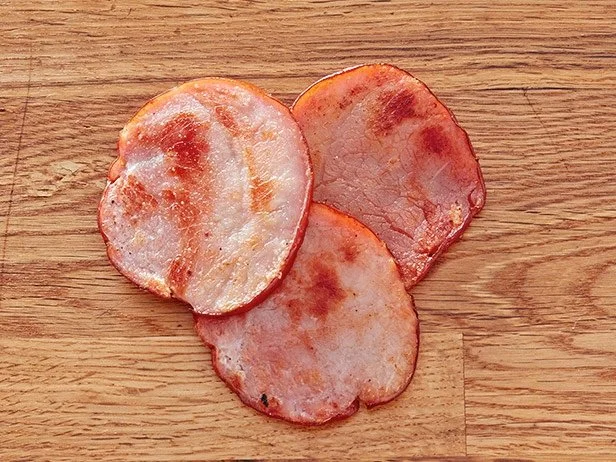
Credit: www.foodnetwork.com
Frequently Asked Questions
What Is The Main Difference Between American And Canadian Bacon?
American bacon is made from pork belly and is crispy when cooked. Canadian bacon comes from pork loin and is leaner, often round and ham-like in texture.
How Do Cooking Methods Differ For American Vs Canadian Bacon?
American bacon is usually fried until crisp, while Canadian bacon is often grilled or baked. Canadian bacon cooks faster due to its lean cut.
Which Bacon Type Is Healthier: American Or Canadian?
Canadian bacon is generally healthier. It contains less fat and fewer calories than American bacon, making it a better option for low-fat diets.
Can Canadian Bacon Replace American Bacon In Recipes?
Yes, but the taste and texture differ. Canadian bacon is leaner and milder, so it may change the dish’s flavor profile.
Conclusion
American bacon and Canadian bacon offer different flavors and textures. American bacon is crispy and smoky, made from pork belly. Canadian bacon is leaner and milder, from pork loin. Both add great taste to meals but suit different dishes. Choose based on your preference and recipe needs.
Enjoy the unique qualities each type brings to your plate. Simple choices, tasty results.

I’m Abby Lu, a passionate home cook who loves simplifying everyday meals. At PlugChef.com, I share product reviews and cooking guides to help you find the best tools for your kitchen.
Related posts:
 What Type of Cooking Utensils are Safe: Expert Picks
 What Innovations Could Blenders Make: Unleashing Future Tech
 Smart Strategies to Organize a Small Kitchen: Maximize Space
 How to Organize a Kitchen Cabinet: Expert Tips & Tricks
 How to Organize Kitchen Drawers: Expert Tips and Tricks
 How to Organize a Corner Kitchen Cupboard: Expert Tips

