
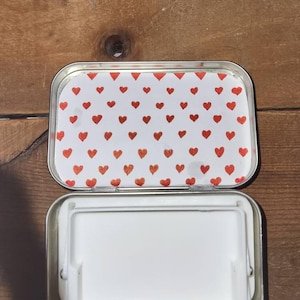
Imagine having a complete first aid kit that fits right in your pocket. That’s exactly what an Altoid Tin First Aid Kit offers you.
It’s small, handy, and ready to help when you need it most. Whether you’re hiking, traveling, or just going about your day, this tiny kit can be a lifesaver. You’ll want to keep reading to discover how to make your own, what essentials to include, and why this little tin could be your best safety companion.
Don’t wait until an emergency catches you off guard—prepare yourself now.

Credit: grimworkshop.com
Benefits Of A Compact First Aid Kit
A compact first aid kit fits easily in your pocket or bag. It offers quick access to essential medical supplies. This convenience helps you act fast during small emergencies. Carrying a small kit ensures you are prepared anywhere. It reduces stress by knowing help is close at hand.
Small size means less weight. You can bring it on hikes, trips, or daily errands. It takes up minimal space but holds important items. This combination of portability and readiness is key for safety.
Space-saving Design
Altoid tins are small but sturdy. They keep supplies organized and protected. The tin’s shape fits well in backpacks or glove compartments. This design makes it easy to carry without bulk.
Easy To Customize
The compact size lets you add only what you need. Customize your kit with bandages, antiseptics, and pain relievers. This flexibility saves space and avoids clutter. You carry just the right tools for your needs.
Quick Emergency Response
Having supplies close speeds up treatment. Small cuts or burns get attention immediately. Faster care reduces pain and risk of infection. A compact kit supports quick and effective first aid.
Cost-effective And Reusable
Altoid tins are durable and reusable. You refill items without buying a new case. This saves money and reduces waste. The kit stays ready for use over time.

Credit: grimworkshop.com
Choosing The Right Altoid Tin
Choosing the right Altoid tin is key for a practical first aid kit. The tin must hold all essentials securely and be easy to carry. Size and durability are important factors to consider. The right tin keeps your items safe from damage and moisture. It also fits comfortably in pockets or bags.
Size And Capacity
The tin should be large enough for your supplies but still compact. Measure the items you want to include before selecting the tin. A tight fit can damage supplies or make it hard to close. A tin that is too big may be bulky and inconvenient. Balance size with portability for the best choice.
Material And Durability
Choose a tin made from strong metal to protect your kit. Aluminum and steel tins resist dents and crushing well. Avoid tins with thin or weak material that bends easily. A sturdy tin protects against drops and external pressure. Check for a secure lid that closes tightly to keep contents safe.
Seal And Waterproof Features
A good seal prevents moisture from ruining your supplies. Some Altoid tins have rubber gaskets or silicone seals. These features keep water, dirt, and dust out. If you plan outdoor use, choose a tin with waterproof qualities. Test the seal by closing the tin and checking for gaps or loose lids.
Design And Accessibility
Look for a tin with easy-to-open lids but secure closure. Smooth edges and rounded corners improve handling comfort. A flat design fits better in pockets or bags. Some tins have compartments or removable trays for better organization. Quick access to items is important in emergencies.
Essential Items For Minor Injuries
Minor injuries happen anytime. Having the right items in an Altoid tin first aid kit helps treat them fast. These essentials fit perfectly in a small tin and cover most small cuts and scrapes. Keep these basic supplies handy for quick care.
Bandages And Adhesive Strips
Bandages protect wounds from dirt and germs. Adhesive strips hold the bandage in place. Choose various sizes to fit different cuts. Flexible strips work well on fingers and joints. Change bandages daily to keep wounds clean and dry.
Antiseptic Wipes
Antiseptic wipes clean wounds before dressing. They kill bacteria and reduce infection risk. Each wipe is small and easy to carry. Use a wipe to gently clean the injured area. Allow the wound to dry before applying bandages.
Gauze Pads
Gauze pads absorb blood and protect wounds. They come in different sizes for various injuries. Use gauze for deeper cuts or scrapes. Secure the pad with tape or a bandage. Replace gauze regularly to prevent infection and promote healing.
Tools For Emergency Situations
Having the right tools in an Altoid tin first aid kit can make all the difference during emergencies. These compact tools help handle small injuries and manage situations quickly. Each item serves a clear purpose and fits neatly inside the tin. This makes your kit easy to carry and ready to use at any time.
Tweezers And Scissors
Tweezers are essential for removing splinters or debris from wounds. They allow precise handling without touching the injury. Scissors cut bandages, tape, or clothing gently and quickly. Both tools are small but powerful for first aid needs.
Mini Flashlight
A mini flashlight lights up dark areas during emergencies. It helps you see wounds clearly and apply treatment correctly. The small size fits perfectly inside the tin. It ensures you are prepared for low-light conditions anytime.
Safety Pins
Safety pins secure bandages or slings in place. They also fix torn clothing or gear quickly. Their sharp point and locking design keep everything safe and stable. Safety pins add versatility to your first aid kit without taking space.
Medication And Relief Items
Medication and relief items are essential in any Altoid tin first aid kit. They provide quick comfort and help manage minor health issues. Carrying small doses of important medicines ensures preparedness for common ailments.
These items fit perfectly in the compact tin. They offer relief from pain, allergies, and skin irritations. Selecting the right medications keeps the kit useful and lightweight.
Pain Relievers
Pain relievers ease headaches, muscle aches, and minor injuries. Common options include:
- Acetaminophen (Tylenol)
- Ibuprofen (Advil)
- Aspirin (for adults only)
Pack small, sealed packets or tablets. These reduce swelling and lower fever quickly.
Antihistamines
Antihistamines help control allergic reactions. They reduce itching, sneezing, and swelling from insect bites or pollen. Popular choices are:
- Loratadine (Claritin)
- Diphenhydramine (Benadryl)
Include a few tablets or capsules to manage mild allergies on the go.
Burn Cream
Burn cream soothes minor burns and skin irritation. It prevents infection and speeds healing. Look for small tubes containing:
- Antibiotic ointment
- Aloe vera gel
These creams keep skin moist and calm pain after a burn.
Tips For Packing And Organizing
Packing and organizing an Altoid tin first aid kit needs smart planning. The small size means every item must fit perfectly. Prioritize essentials and arrange them clearly. This saves time during emergencies.
Space-saving Techniques
Choose small, multipurpose items to save space. Fold bandages neatly and roll gauze tightly. Use mini plastic bags to group similar items. Flatten adhesive strips before placing them inside. Remove extra packaging from supplies. Place flat items at the bottom and bulky ones on top.
Labeling And Accessibility
Use small labels or stickers to mark each item. Organize contents by use or type. Keep frequently used items near the top. Make sure labels are clear and easy to read. Consider color-coding for quick identification. Arrange items so they can be grabbed quickly without removing others.
Customizing Your Kit
Customizing your Altoid Tin First Aid Kit ensures it truly fits your lifestyle and needs. A one-size-fits-all kit often falls short when real emergencies arise. Tailoring your kit gives you confidence that you have exactly what you need, exactly when you need it.
Personal Needs And Preferences
Think about your daily activities and any health concerns. Do you have allergies? Include antihistamines or an epinephrine pen if necessary. If you’re prone to headaches, add pain relievers like ibuprofen or acetaminophen.
Consider your comfort level with certain supplies. If you prefer bandages over gauze, pack more adhesive strips. If you’re new to first aid, keep instructions or a small guide in your kit to help you stay calm and effective.
- Include any prescription medications you may need
- Add items for children or pets if applicable
- Choose compact versions of your essentials to save space
Seasonal Adjustments
Different seasons bring different risks. In summer, add sunscreen, insect repellent, and aloe vera gel for sunburn relief. Winter calls for lip balm, hand warmers, and extra bandages for dry, cracked skin.
Think about where you’ll be using your kit. Hiking in spring might require tick removal tools and antihistamines for pollen allergies. Adjusting your kit seasonally means you won’t be caught unprepared by common environmental challenges.
- Swap out or add items based on weather changes
- Check expiration dates regularly, especially for seasonal products
- Keep your kit updated after each outing or event

Credit: grimworkshop.com
Maintaining And Updating Your Kit
Keeping your Altoid Tin First Aid Kit ready is important. Regular care helps the kit stay useful in emergencies. Small checks and updates make a big difference in safety. This section shows how to maintain and update your kit.
Regular Checks
Look inside your kit often. Make sure items are clean and dry. Check if anything is missing or damaged. Keep the kit organized for quick use. Look for rust, dirt, or broken seals. A neat kit saves time during an emergency.
Replacing Expired Items
Medicine and supplies can expire or lose strength. Check expiration dates on all products. Replace any item past its date. Do not keep old bandages or ointments. Fresh supplies work better and prevent infection. Write the date of the next check inside the lid.
Frequently Asked Questions
What Is An Altoid Tin First Aid Kit?
An Altoid Tin First Aid Kit is a compact, portable emergency kit. It fits inside an Altoid mint tin. It contains essential first aid supplies for minor injuries and emergencies. Its small size makes it ideal for travel, hiking, or everyday carry.
What Items Are Included In An Altoid Tin First Aid Kit?
Typically, it includes bandages, antiseptic wipes, tweezers, gauze pads, and small scissors. Some kits also contain pain relievers and antibiotic ointment. The contents focus on treating cuts, scrapes, and minor wounds effectively. The kit is customizable based on personal needs.
How Do I Make A Diy Altoid Tin First Aid Kit?
Start with an empty Altoid tin for durability and portability. Add basic first aid supplies like band-aids, antiseptic wipes, and small tools. Organize items neatly for easy access. Customize the kit for your specific activities or health concerns.
Why Choose An Altoid Tin For A First Aid Kit?
The Altoid tin is sturdy, compact, and easy to carry. Its metal case protects contents from moisture and damage. It fits in pockets, backpacks, or glove compartments conveniently. This makes it perfect for emergency preparedness on the go.
Conclusion
An Altoid tin first aid kit fits in small spaces with ease. It holds essential items for quick help during minor injuries. Carry it in your bag, car, or backpack. Stay ready for cuts, scrapes, or headaches anytime. This compact kit gives peace of mind without bulk.
Simple, small, and useful—perfect for daily life or travel. Keep yourself and loved ones safe with this tiny first aid solution. Small but smart. Always prepared.

I’m Abby Lu, a passionate home cook who loves simplifying everyday meals. At PlugChef.com, I share product reviews and cooking guides to help you find the best tools for your kitchen.
Related posts:
 What Type of Cooking Utensils are Safe: Expert Picks
 What Innovations Could Blenders Make: Unleashing Future Tech
 Smart Strategies to Organize a Small Kitchen: Maximize Space
 How to Organize a Kitchen Cabinet: Expert Tips & Tricks
 How to Organize Kitchen Drawers: Expert Tips and Tricks
 How to Organize a Corner Kitchen Cupboard: Expert Tips

