

Have you ever found yourself in the middle of a recipe, only to realize you’re not quite sure what size each spoon in your measuring set really is? It’s a common scenario, and it can lead to some pretty frustrating cooking mishaps.
Whether you’re an experienced chef or just starting out in the kitchen, understanding the standard measurements in a set of measuring spoons can make all the difference in your culinary adventures. Imagine the satisfaction of knowing exactly how much spice or extract to add, ensuring your dishes turn out perfectly every time.
That’s the kind of confidence a clear understanding of measuring spoons can provide. We’ll uncover the secrets behind these kitchen essentials, helping you master your recipes with precision. Get ready to unlock the potential of your cooking skills and make every dish a masterpiece. Your kitchen success is just a spoonful away!
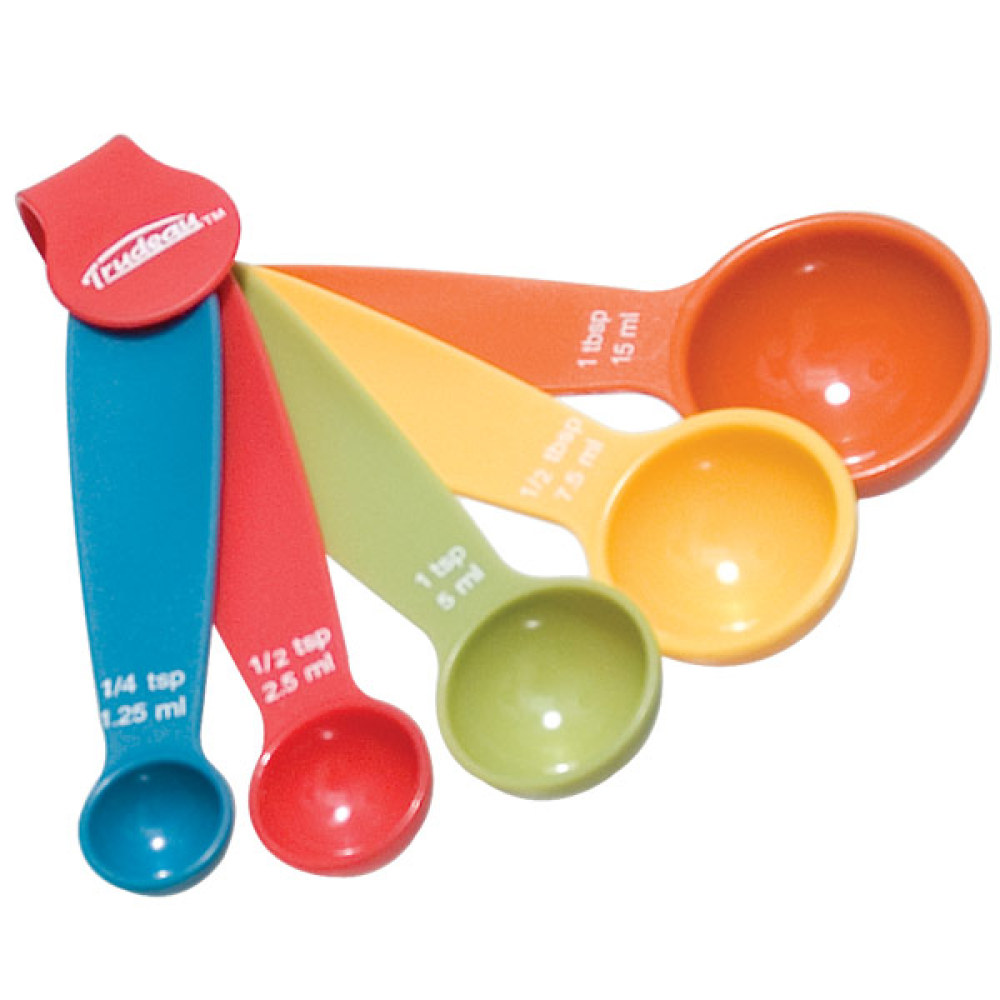
Credit: www.maxiaids.com
Common Measuring Spoon Sizes
Standard measuring spoon sets typically include four sizes. These are 1 tablespoon, 1 teaspoon, 1/2 teaspoon, and 1/4 teaspoon. Each size helps in accurate ingredient measurement for cooking and baking.
When it comes to cooking, having the right tools can make all the difference in your culinary adventures. A standard set of measuring spoons is one such essential tool. These handy kitchen companions allow you to add precise amounts of ingredients, ensuring your dishes turn out just right. But what measurements do these spoons actually include? Let’s dive into the common measuring spoon sizes and discover their importance in your kitchen.Teaspoon Measurements
A standard set of measuring spoons typically includes a variety of teaspoon sizes. The most common are 1 teaspoon, 1/2 teaspoon, and 1/4 teaspoon. These measurements are crucial for baking recipes, where precision is key. Think about the last time you baked cookies. Did you know that using a heaping teaspoon instead of a level one can lead to a completely different texture? It’s fascinating how such small measurements can have a big impact! Imagine preparing a savory dish and needing just the right amount of spice. A 1/4 teaspoon of cayenne can turn a bland dish into something exciting. It’s these small but mighty measures that bring your recipes to life.Tablespoon Measurements
Moving on to tablespoons, a standard set often includes 1 tablespoon and 1/2 tablespoon. These are especially handy when you’re working with larger quantities or need to double a recipe. Consider how often you use a tablespoon to measure out oil for sautéing or syrup for pancakes. A tablespoon can be the perfect size to balance flavors without overwhelming a dish. Have you ever wondered why some recipes call for a specific tablespoon measurement? It’s all about precision. Even the difference of a 1/2 tablespoon can make your dish go from good to great. So, next time you’re in the kitchen, grab those measuring spoons with confidence. They’re more than just tools; they’re your secret weapon for culinary success. Which measuring spoon do you find yourself reaching for most often? Let us know in the comments!Metric Equivalents For Spoons
Understanding metric equivalents for spoons is important for precise cooking. Metric conversions help ensure accurate measurements. This guide will simplify conversions for common spoon measurements.
Converting Teaspoons To Milliliters
A standard teaspoon equals approximately 5 milliliters. To convert teaspoons to milliliters, multiply the number of teaspoons by 5. This simple calculation ensures correct ingredient measurements. For example, 3 teaspoons equal 15 milliliters. This conversion is useful for recipes that list ingredients in milliliters.
Converting Tablespoons To Milliliters
A standard tablespoon measures about 15 milliliters. To convert tablespoons to milliliters, multiply the number of tablespoons by 15. This ensures precise ingredient quantities. For instance, 2 tablespoons equal 30 milliliters. This conversion is essential for recipes using metric measurements.
Materials And Design
Understanding the materials and design of measuring spoons is important. The right choice can affect durability and ease of use. Different materials and designs offer unique advantages. These features can enhance your cooking experience.
Popular Materials Used
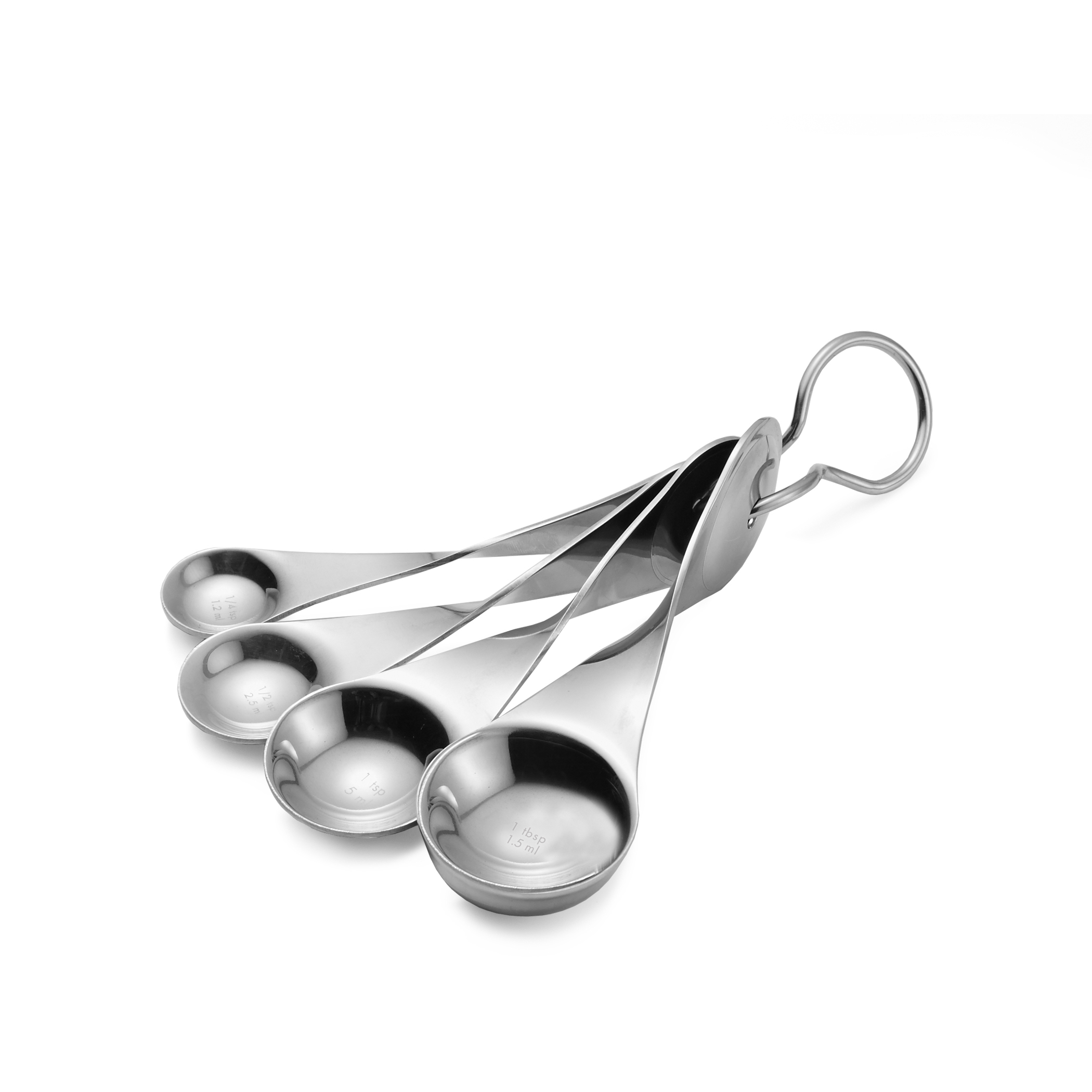
Measuring spoons come in various materials. Stainless steel is a popular choice. It offers durability and is rust-resistant. Plastic spoons are lightweight and affordable. They come in bright colors, adding a fun touch. Silicone spoons are flexible and heat-resistant. They’re easy to clean and safe for non-stick surfaces. Wood is a natural option. It’s gentle on delicate ingredients.
Innovative Designs Available
Designs of measuring spoons have evolved over time. Magnetic sets keep spoons together, preventing loss. Collapsible spoons save space in crowded drawers. Some spoons feature a sliding mechanism for adjustable measurements. Stackable designs help with easy storage. Spoons with engraved measurements prevent fading. Dual-ended spoons offer versatility with two sizes in one tool.
Credit: www.nambe.com
Importance Of Accurate Measurements
Accurate measurements are crucial in cooking and baking. They ensure the right balance of ingredients. A standard set of measuring spoons typically includes specific measurements. These measurements help maintain the intended taste and texture of dishes. Without precision, recipes can easily fail. Understanding the importance of accurate measurements can transform your culinary skills.
Impact On Cooking And Baking
Accurate measurements affect the outcome of recipes. In baking, precision is key. Slight variations can alter texture and flavor. A teaspoon more or less of an ingredient can change everything. Cooking requires similar attention. The right amount of spice or salt can make a dish memorable. Consistent measurements ensure desired results every time.
Role In Consistency And Flavor
Consistency in cooking builds trust. Each dish should taste the same every time. Standard measurements help achieve this consistency. They ensure each ingredient is used in the right amount. Flavor depends heavily on balance. Too much or too little of anything affects taste. Accurate spoon measurements play a vital role in flavor consistency.
Tips For Choosing Measuring Spoons
Choosing the right measuring spoons can make your cooking experience smoother and more enjoyable. Whether you’re a seasoned chef or a beginner, finding spoons that suit your needs can save time and effort. But how do you know which ones are the best for you? Let’s dive into some practical tips that will help you pick the perfect set.
Durability And Ease Of Use
Durability is key when selecting measuring spoons. You want something that lasts through countless dishes without losing shape or readability. Look for materials like stainless steel or heavy-duty plastic, as they tend to withstand the test of time.
Ease of use is equally important. Consider spoons with clear, bold markings that won’t fade. Some spoons have etched measurements that remain visible after many washes. Think about the grip; a comfortable handle can make all the difference when measuring sticky or wet ingredients.
Storage And Maintenance
How will you store your measuring spoons? Nesting designs can save space and keep your drawer tidy. Magnetic spoons are another option, sticking together for easy access and preventing loss.
Maintenance shouldn’t be a chore. Choose spoons that are dishwasher-safe to cut down on cleanup time. If handwashing is necessary, opt for those without intricate details that might trap residue. Consider a hook or ring to keep them together and organized.
Can you imagine the frustration of searching through drawers for that elusive tablespoon? Streamlined storage solutions can help you avoid this hassle.
When selecting measuring spoons, think about your cooking habits and kitchen space. Do you often bake, requiring precise measurements, or are you more of a casual cook? Your choice should reflect your style and needs.
Finding the right measuring spoons is more than just picking a set off the shelf. It’s about choosing tools that enhance your culinary journey. What will you choose to make cooking easier and more efficient?

Credit: www.amazon.com
Frequently Asked Questions
What Are The Measurements In A Set Of Measuring Spoons?
A standard set of measuring spoons includes 1 tablespoon, 1 teaspoon, 1/2 teaspoon, and 1/4 teaspoon. Some sets also include 1/2 tablespoon and 1/8 teaspoon. These measurements help ensure precise ingredient quantities in cooking and baking.
What Does Measuring Spoons Measure?
Measuring spoons accurately measure small quantities of ingredients like spices, liquids, and powders. They ensure precise cooking and baking. Sizes typically range from 1/4 teaspoon to 1 tablespoon, providing consistency in recipes. Using them reduces errors in ingredient proportions, enhancing flavor and texture in dishes.
What Are The Common 5 Measurements For Measuring Spoons?
The common 5 measurements for measuring spoons are 1 tablespoon, 1 teaspoon, 1/2 teaspoon, 1/4 teaspoon, and 1/8 teaspoon.
What Are The 4 Standard Sizes Of Dry Measuring Spoons?
The four standard sizes of dry measuring spoons are 1 tablespoon, 1 teaspoon, 1/2 teaspoon, and 1/4 teaspoon. These sizes ensure accurate measurements for baking and cooking. They are essential tools in every kitchen, providing precision for recipes. Use them to enhance your culinary skills effectively.
Conclusion
Measuring spoons are essential for precise cooking. A standard set usually includes 1 tablespoon, 1 teaspoon, 1/2 teaspoon, and 1/4 teaspoon. These are common sizes in recipes. They help maintain consistency in flavors. No more guessing. Accurate measurements make a big difference.
This simple tool supports both beginners and seasoned cooks. It saves time and reduces errors. Next time you cook, reach for your measuring spoons. Enjoy perfect dishes every time. Keep these handy in your kitchen. Make cooking easier and more enjoyable.
Happy cooking!

I’m Abby Lu, a passionate home cook who loves simplifying everyday meals. At PlugChef.com, I share product reviews and cooking guides to help you find the best tools for your kitchen.
Related posts:
 What Type of Cooking Utensils are Safe: Expert Picks
 What Innovations Could Blenders Make: Unleashing Future Tech
 Smart Strategies to Organize a Small Kitchen: Maximize Space
 How to Organize a Kitchen Cabinet: Expert Tips & Tricks
 How to Organize Kitchen Drawers: Expert Tips and Tricks
 How to Organize a Corner Kitchen Cupboard: Expert Tips

